
GERD Acid Reflux Treatment Guide
Gastroesophageal reflux disease (GERD) is a chronic condition of the digestive tract that alters the movement of the stomach’s contents through the digestive tract. Unlike the general population that experiences rare occurrences of reflux, a diagnosis of GERD is given that reflux is frequent, consistent, or is of such severity that is interferes with daily functioning or complications arise.
It is no surprise that disorder spans the globe in both gastroenterology and the general population. Children and adults of both the young and old, of any culture or ethnicity, and any sociodemographic are affected with GERD and its digestive symptoms.
And, with the GERD and its symptoms that ranging from too slight or mild discomfort to severe suffering and permanent injury, it becomes of great importance to educate on the symptoms of GERD, and recognize it early on to implement measures of effective control.

What is GERD?
GERD is an esophageal disorder that is due to the reflux of stomach contents, such as stomach acid, stomach digestive enzymes, or food that is incompletely digested, and it is refluxed in the esophagus and stomach. Unlike the stomach, the esophagus is sensitive to acid and will become inflamed or hurt due to the ongoing exposure.
The lower esophageal sphincter (LES) is a circular muscle at the junction where the esophagus and the stomach meet and acts as a valve. It opens to let food and liquids enter the stomach while closing afterward to keep its contents from coming back up.
In GERD, the LES is weak, and reflux happens because the muscle relaxes at inappropriate times or doesn’t close completely. The LES unable to function properly is a chronic condition that that requires vigilance to keep symptoms at a manageable level.
Gastroesophageal reflux (GER) is the disease that results from acid reflux and it is common to experience the esophagus and stomach junction (LES) to open reflux, and is most likely to happen after eating large meals, spicy or fatty foods, alcohol consumption or outdated eating habits.
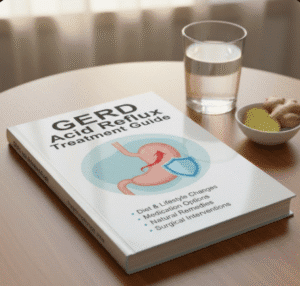
With the symptoms of GERD, the esophagus is inflamed in when symptoms of reflux occur at least 2 times a week and inflammation from stomach acid is in the illness, and resulting reflux is a chronic. The other key symptoms that accompany reflux include esophageal inflammation, airways obstruction, and long-term complications. Reflux esophagitis occurs when inflammation of the esophagus is present from acid reflux, whereas GERD is the disease that results from esophageal inflammation where the symptoms occur frequently.
With GERD, the symptoms occur frequently and the inflammation from stomach acid is inflammation of the esophagus where is the esophagus where the symptoms occur frequently on 2 or more times a week.
With GERD the esophagus is inflamed in where the symptoms include the Reflux in esophagitis occurs when inflammation of the esophagus is present along with acid reflux, where GERD is the disease that results from the inflammation occurring in the esophagus, and symptoms occur frequently and repeated reflux where there is obstruction in the airways that include the long-term complications.
The other key symptoms that accompany reflux include obstruction in the airways long term complications and inflammation from the esophagus is reflux. The key differentiating reflux disease from GERD is the frequency, severity, and the impact on life.
Common Symptoms of GERD
Heartburn is the symptom of GERD that the greatest number of individuals experience. Many people experience the worry of heartburn after eating, lying down, or exercising, as it is described as feeling like “a burning sensation that rises toward the throat or neck”.
It is recommended to avoid lying flat, bending over or exercising immediately after eating, as it can lead to heartburn. A feeling of food sticking in the chest is another common symptom of GERD. Heartburn might also occur sometimes.
More people who have GERD experience symptoms that are not as straightforward to identify with the digestive system. GERD can also cause Symptoms include difficulty swallowing, an unrelenting cough or increasing hoarseness. Some people experience pain in areas of the chest that is not usually associated with heart problems, so it is important to take the correct steps to analyze the situation.
More less common symptoms of GERD include the absence of heartburn. Diagnosis is often more difficult in these cases, in which the most common symptoms affect the throat, voice and airways. Other symptoms that are common to GERD include throat clearing, sore throat, and feeling a lump in the throat. “Silent reflux” or laryngopharyngeal reflux often refers to these more uncommon symptoms. Symptoms more commonly involve the throat, voice, or airways.
What Causes GERD?
A number of different factors and mechanisms contribute to the development of GERD. In short, it occurs when the mechanisms that usually prevent reflux stop functioning properly. This leads to the unchecked reflux of digestive contents.
The main factor involved is the weakening of the lower esophageal sphincter. This can happen because of increased abdominal pressure, hormonal changes, or due to some kind of structural abnormality like a hiatal hernia, which is when part of the stomach pushes up through the diaphragm.
Obesity is a significant risk factor, as the excess abdominal fat increases the pressure on the stomach, and on the lower esophageal sphincter. Pregnancy also has a similar effect, in addition to hormonal changes, which cause the relaxation of smooth muscle tissue.
Also, smoking weakens the lower esophageal sphincter even more and reduces the amount of saliva that gets produced to neutralize the acid that is present in the stomach.
Chronic stress, poor sleep, and some medications can also be contributing factors when it comes to the reflux symptoms. This of course also includes some pain medications, blood pressure medications, and muscle relaxants.
Other Risk Factors for the Development of GERD
While many people can end up suffering from GERD, there are some specific risk factors that lead to it. These risk factors include being overweight or obese, smoking, pregnancy, large or late-night meals, and conditions like hiatal hernia or taking a long time to empty the stomach.
Age may also affect risk, as the LES may deteriorate with age; however, GERD does not affect the elderly population exclusively as there is a growing prevalence of the condition among younger age groups.
How is GERD Diagnosed?
The diagnosis of GERD is primarily based on symptoms and clinical history, as the diagnosis can be supported by symptom improvement with acid suppression therapy.
In the case of severe, persistent symptoms with warning signs like dysphagia, unintended weight loss, or vomiting, more comprehensive assessment should be done. Such evaluations may include an upper endoscopy, pH monitoring, or tests of esophageal motility.
Accurate diagnosis is also a necessity to exclude other potential issues like heart problems, ulcers, or other diseases of the esophagus.
How to Manage GERD through Lifestyle Changes
These behavioral changes are essential GERD treatment, as symptoms can be alleviated significantly.
To help alleviate pressure on the stomach, eat small meals more frequently. After meals, remain upright for 2-3 hours to let gravity keep stomach contents controlled; consider raising the head of the bed to allow for sleep without acid reflux or excessive upward flow of contents.
Weight loss represents the most valuable and effective intervention for individuals with excess weight. Even minor weight loss can result in significant improvement in symptoms.
Personal food triggers vary greatly and their identification is crucial. A symptom diary may assist in the correlation of specific food and/or habits to reflux episodes.
Medications Used to Treat GERD
When lifestyle modifications alone do not provide sufficient relief, medications are often required.
Antacids neutralize stomach acid and provide rapid, albeit temporary, relief. They are effective for infrequent symptoms, but do not resolve the underlying problem or repair the damaged tissue.
H2 receptor blockers provide longer-lasting relief and diminish acid production, so relief is on a longer-term basis compared to antacids. The most effective medications for reducing stomach acid and healing the tissue in the esophagus are proton pump inhibitors (PPIs). They are often prescribed to treat moderate to severe GERD to heal damaged esophagus tissue.
PPIs are generally safe, but long-term use without oversight from a health care provider can lead to detrimental effects, so a regulatory system is necessary to maximize the benefits and limit the risks.
For individuals with severe GERD who do not tolerate or respond to medications, or who prefer not to take medications for long-term, the option of surgery for complex care is available.
Surgical interventions that attempt to augment the lower esophageal sphincter (LES) and those that aim to normalize the esophageal (LES) anatomy are also performed. These interventions are usually performed willy-nilly on relatively healthy patients after an extensive workup.
Complications of GERD and its Long Term Effects.
Chronic and untreated GERD may lead to more complicated states due to the recurrent effect of the acid.
Esophagitis pains the patient esophagus and leads to mucosal and submucosal inflammation and may also manifest with bleeding and ulceration. With time and continued injury, fibrotic scarring may develop, producing esophageal stenosis and symptomatic dysphagia.
Barret’s esophagus is described as the aberrant change of the normal esophageal mucosa due to chronic acid injury to the esophagus. While esophageal cancer is not as common, it remains an important condition due to the increased rate of esophageal malignancy; this also requires cytological surveillance.
Also affected is the pulmonary and respiratory system with GERD, which may lead to a chronic cough as well as an exacerbation of asthma. GERD may also lead to sinusitis and sleep disruption.
Effects of GERD on Sleep
Lying down flat while sleeping leads to more frequent nighttime acid reflux, this also leads to a greater chance of an acid reflux event due to reduced swallowing that allows the acid to remain in the esophagus and more refluxed acid is in the esophagus.
Patients may also suffer excessive sleepiness and chronic fatigue that will change their daily activities and level of attention. The patient status (well-being) will be negatively affected by the lack of sleep due to GERD, specifically the nighttime acid reflux events.
GERD in Children and Infants
Infants’ and Children’s digestive systems still function and develop, during this period, infants, especially, exhibit reflux. However, distressing symptoms can include poor weight gain, difficulty during feeding, and excessive crying, coughing, and irritability in children with it. Symptoms that are chronic should be evaluated in order to rule out potential growth or development problems that can be quite serious.
When to See a Doctor
If symptoms of GERD become chronic, worsen, or fail to respond to OTC medications, a medical evaluation of the symptoms must be undertaken. Temporally symptoms such as difficulty swallowing, chest pain, vomiting blood, or black stools can be used to prioritize medical evaluation. Long-term management and protection of the esophagus are the goals of early diagnosis.
Contact us if you need any medical information, guidance, or support.