
Healing Through Heritage: How Black African Food Restores Health and Community
In the world of trending processed foods and new dietary habits, the hearty bowls of millet porridge, the aroma of baobab fruit, vibrant stews with leafy green vegetables and tangy fermented banana drinks are still taking the lead. Not only do they have health benefits, but they also connect with the culture and traditions. They are boosting the community’s immunity levels and restoring its physical and spiritual health.
In this blog, we will dive deep into the benefits of Black African food and how it restores health and community.

African Heritage Food Legacy
The Legacy of African Culinary Heritage is more than the sum of its ingredients. It refers to the variety of healthy culinary traditions of Africa and the African diaspora. These foods are rich in green leafy vegetables, whole grains, legumes, fruits, and various herbs. These foods nourish the body and also reinforce community bonds. These traditional foods have influenced global cuisines, especially African American, Caribbean, and South American communities.
The Core Components of Black African Food
Grains and Tubers: Whole grains such as millet, teff, and sorghum. Tubers include sweet potatoes and yams. They are staples and are a source of fibre and carbohydrates.
Legumes, Beans and Nuts: Black-eyed peas, lentils, fava beans, peanuts and nuts are rich in carbohydrates, protein and healthy fats.
Vegetables and Fruits: Leafy green vegetables such as collards, okra, cabbage, spinach and fresh fruits or dried fruits such as peaches, mangoes, and berries are a primary source of carbohydrates, fibres, various vitamins and minerals.
Herbs and Spices: They are used extensively for flavouring and are the source of carbohydrates and healthy fats.
Healthy Oils: Various healthy oils, such as canola, sesame, olive, and red palm oil, include concentrated fats (lipids) and provide a dense source of energy.
Seafood and Fish: Salmon and mackerel are the primary sources of protein and omega-3 fatty acids.
Egg, Poultry, Meat, and Dairy: They are consumed in small portions occasionally and are the source of protein and saturated fats.

Health Benefits of Black African Food
Nutrient-Rich Diet
The African Heritage Diet emphasises whole and minimally processed ingredients. The staples include cassava, plantains, sorghum, millet, and green leafy vegetables, which are rich in minerals, vitamins, fibres and carbohydrates. They are the source of slow-release energy and keep the blood sugar levels stable.
Anti-Inflammatory Properties and Immunity Booster
The studies have shown that the proven effects of switching from a Western diet to a traditional African diet for two weeks only lead to a reduction in inflammation and improved immunity.
This traditional diet includes leafy green vegetables, tubers, legumes, beans, and fermented banana beverage (mbege), which have anti-inflammatory properties and boost immunity. The mbege is rich in bioactive compounds and also contains beneficial microbes, which improve gut health and support the immune system.
Rich in Protein and Healthy Fats
The traditional African cuisines primarily contain plant-based proteins, i.e., beans, peas, seeds, and groundnuts. Palm oil, olive oil and sesame oils are healthy fats which are used traditionally and in moderation.
Fermented Foods and Gut Health
The fermented foods like ogi, mbege, and kenkey are the staples of African diets. They are rich in a healthy and beneficial gut microbiome. They help in the digestion and absorption of nutrients from food into blood bloodstream.
Herbs and Spices; Antioxidant and Anti-inflammatory
Herbs and spices (ginger, garlic, chilli peppers, turmeric) in African cuisines have antioxidant and anti-inflammatory properties. The leafy greens, such as amaranth and moringa, provide antioxidant support. They help to neutralise free radicals and reduce inflammation.
Promotes Sustainability and Climate-Resilience
Many traditional Black African crops, like cassava, sorghum, and millet, can thrive in challenging climates. These are drought-resistant crops, and they help the communities to maintain food security. These foods support local agriculture and sustainability.
Black African Food: Healing the Communities
Restoring the communities by Black African food involves reclaiming heritage and using food as a tool for connecting the communities. The power of communal food traditions builds empowerment and resilience.
Belonging, Social Cohesion and Cultural Identity
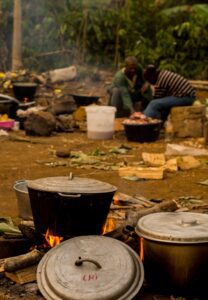
In Africa and the African diaspora communities, people gather to cook and share their traditional meals. They reconnect with their ancestral roots and also with each other. These gatherings help to foster belonging, reinforce cultural pride and also intergenerational conversation. It is a part of reclamation which affirms identity.
The African traditions are to share meals, and it is central to building relationships, reinforcing a sense of belonging and unity. The practice of cookouts provides space for support, emotional well-being and connection.
Heritage Preservation
The African Food Heritage is a vital part of preserving history and ancestral wisdom throughout the generations. The act of cooking together and sharing meals has become a form of storytelling and also a way to connect with one’s roots.
Mental and Emotional Nourishment
Food offers comfort. In the Black diaspora, traditional foods carry emotional resonance which serves as a connection to ancestors. Cooking and eating these foods with the community serves as a form of ancestral therapy, which provides nourishing and soothing benefits. The process of preparing these traditional dishes can be a mindful act that not only nourishes the body but also nurtures spiritual health.
Transmission of Intergenerational Knowledge
Passing down the recipes to the younger generation is not just about food, but it is also about values and history. Elders embed cultural literacy in the young generation and strengthen familial bonds.
Popular African Cuisines
African food heritage includes various dishes like:
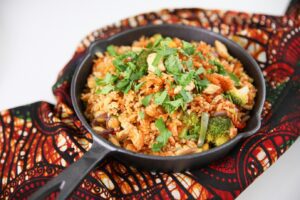
- Jollof Rice (West African dish)
- Fufu (starchy staple)
- Bobotie (spiced minced meat bake)
- Bunny Chow (hollowed-out bread with curry)
Challenges
Although the benefits of African Food Heritage are promising, there are some real challenges and barriers to restoring and preserving these traditions.
- Dietary shifts and urbanisation are a real challenge as the communities are abandoning the traditional African diets and shifting towards Western processed foods.
- The loss of knowledge about how to cook traditional recipes is another challenge.
- In some places, access to heritage ingredients is a real challenge, either they are less accessible or expensive than the processed, easily available ingredients.
- The traditional fermentation process seems time-consuming and labour-intensive, and this leads to the abandonment of this practice.
Key Takeaways
- Black African cuisines are nutritious, rich in fibre, plant protein, antioxidants, and healthy fats.
- These traditional foods are anti-inflammatory and support immune health.
- The fermented traditional staples contain healthy microbes, and they contribute to better digestion and gut health.
- Cooking and sharing the traditional meals help to restore community, improve intergenerational learning, and connect with cultural roots.
- Many African food staples have climate-resilient roots and are drought-tolerant. They are well adapted to local environments.
- Restoring the traditional diets is an act of cultural reclamation and healing. It brings emotional, mental and social wellness.
Conclusion
Healing through heritage is not just about what we eat, it is also about how we cook, how we gather, how we value and how we remember. Black African food tradition is an act of connecting with the community and with the ancestral roots. Foods like sorghum, yams, millet, mbege, moringa, beans and green leafy vegetables restore health and serve various physical benefits. And the act of cooking and sharing meals restores community and heritage.
If you want to explore further, check out our linked blogs on heritage healing, chronic-disease-fighting foods, and the power of plantains. Together, these form a roadmap; not just for health, but belonging, identity, and generational strength. You can check our three blog posts on our website, healthabulous:
- The African Heritage Diet Explained: A Complete Guide to Its Roots and Benefits
- Top African Heritage Foods That Help Fight Chronic Diseases Naturally.
- The Amazing Health Benefits of Plantains You Should Know.
FAQs
Q1: Which is healthier, African heritage food or the Mediterranean diet?
Research suggests that traditional African foods are rich in whole grains, legumes, tubers, leafy greens, and fermented ingredients, which reduce inflammation and support metabolic health.
Q2: How is MBEGE healthy and helpful?
Mbege is an African traditional fermented banana beverage which is rich in a beneficial microbial community. The microbiome improves gut health and immune functioning.
Q3: If I do not live in Africa, can I still adopt an African heritage diet?
Yes. Almost all the ingredients, like beans, plantains, leafy greens, and herbs, are globally available. You can even grow many of these ingredients in your gardens.
Q4: Are there any risks associated with traditional African foods?
Moderation is key. Always focus on a well-balanced diet. Be mindful of the preparation of your meals and the amount of consumption.
References
- Reicks M, Gold A, Tran N, LeBlanc K. Impacts of A Taste of African Heritage: A Culinary Heritage Cooking Course. J Nutr Educ Behav. 2022 May;54(5):388-396. doi: 10.1016/j.jneb.2021.11.008. Epub 2022 Feb 10. PMID: 35151603.
- Temba GS, Pecht T, Kullaya VI, Vadaq N, Mosha MV, Ulas T, Kanungo S, van Emst L, Bonaguro L, Schulte-Schrepping J, Mafuru E, Lionetti P, Mhlanga MM, van der Ven AJ, Cavalieri D, Joosten LAB, Kavishe RA, Mmbaga BT, Schultze JL, Netea MG, de Mast Q. Immune and metabolic effects of African heritage diets versus Western diets in men: a randomized controlled trial. Nat Med. 2025 May;31(5):1698-1711. doi: 10.1038/s41591-025-03602-0. Epub 2025 Apr 3. PMID: 40181181; PMCID: PMC12092257.
- Qin H, Wu H, Shen K, Liu Y, Li M, Wang H, Qiao Z, Mu Z. Fermented Minor Grain Foods: Classification, Functional Components, and Probiotic Potential. Foods. 2022 Oct 11;11(20):3155. doi: 10.3390/foods11203155. PMID: 37430904; PMCID: PMC9601907.
- Pandolfi E, Sacripante R, Cardini F. Food-Induced Emotional Resonance Improves Emotion Recognition. PLoS One. 2016 Dec 14;11(12):e0167462. doi: 10.1371/journal.pone.0167462. PMID: 27973559; PMCID: PMC5156340.
- Oniang’o R, Maingi Z, Jaika S, Konyole S. Africa’s contribution to global sustainable and healthy diets: a scoping review. Front Nutr. 2025 May 2;12:1519248. doi: 10.3389/fnut.2025.1519248. PMID: 40386220; PMCID: PMC12083016.