
7 Simple Ways to Follow the Mediterranean Diet for Lasting Health
There is something magical about the way people have lived for generations along the Mediterranean coast. In the villages of Greece, the hillsides of Southern Italy, and the ports of Spain, folks did not just live longer, they lived better. Their hearts were stronger, their bodies more resilient, and their minds stayed bright and clear well into their later years.
For the longest time, scientists were fascinated by this. They went looking for a complex secret, some miracle cure. But the answer was not locked away in a lab. It was happening every single day, around family dinner tables, in the way food was grown, prepared, and shared. It was in their way of life.
This beautiful discovery grew into what we now know as the Mediterranean Diet. But honestly, calling it a ‘diet’ feels a bit off. It suggests a finish line, a set of rules you follow. This is different.
It is about celebrating what is fresh and in season, and finding real joy in sharing a meal with people you care about. It is about taking one small step, a tasty step at a time. It is about adding in the good stuff, the satisfying stuff, until it becomes your routine. So, let’s forget about total exhausting routines, let me share seven simple ways to slowly, deliciously, bring this life-giving magic into your world.
Make Plants the Main Sows (Make Every meal colorful)
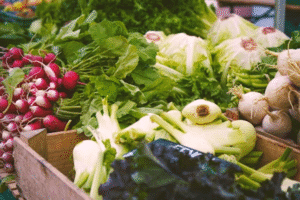
The most visual and impactful change you can make is to shift your center of gravity on your plate. In the standard Western diet, vegetables often play a minor role, a small portion besides a large piece of meat. In the Mediterranean approach, vegetables are the main event.
Vegetables are powerhouses of vitamins, minerals, fibers, and antioxidants. They are low in calories but high in volume, which promotes satisfaction and helps with weight management. Their antioxidants combat oxidative stress, a key driver of chronic inflammation and aging.
Aim to fill at least half of your lunch and dinner plate with non-starchy vegetables. Think leafy greens, broccoli, bell peppers, tomatoes, and carrots. You do not need to follow complex recipes. Toss chopped vegetables in extra virgin olive oil, sprinkle with herbs, and roast them until caramelized. By doing so, you are re-proportioning your plate to give plants the prominence they deserve.
Use extra Virgin Olive Oil as your Primary Fat
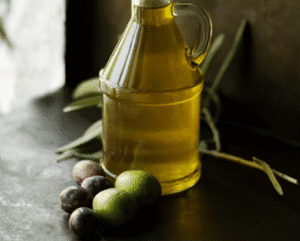
If the Mediterranean diet had a heart, it would be extra virgin olive oil. In the Mediterranean’s kitchen, it is used with generous hands, for sizzling in a pan, for roasting vegetables, and for a final glistening drizzle that brings dish to life.
So, what makes this oil so special? It is rich in monounsaturated fats, which help reduce the bad cholesterol and increase the good cholesterol. Thus, it is time to switch from butter, margarine, or other vegetables oils to olive oil for cooking and baking. Drizzle it over salads, cooked vegetables, soups, and even whole-grain bread. And a quick tip: always look for ‘extra virgin olive oil’, means the oil is from the first cold pressing and locks all the flavor and healthful compounds.
Choose Whole Grains Instead of refined Grains
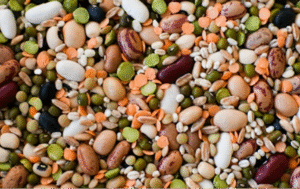
Forget the notion that the Mediterranean diet is low in carbohydrates. It includes carbohydrates, but they are of the highest quality, slow-digesting, fiber rich whole grains and legumes.
Whole grains like oats, farro, brown rice and legumes like lentils, chickpeas, and all kinds of beans are packed with fiber. This fiber feeds your beneficial gut bacteria, promotes stable sugar levels, and keeps you feeling full for longer. They are also excellent source of vitamin B and various minerals.
Thus, grab your plate and replace white bread with whole-grain or sourdough, incorporate legumes once or twice a week. Choose oatmeal or whole-grain cereal for breakfast instead of sugary, refined options.
East Fish and Seafood Regularly (Limit Red and Processed Meat)
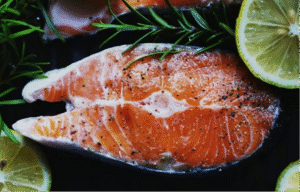
While the Mediterranean diet is predominantly plant-based, it regularly includes fish and seafood, typically consumed at least twice weekly. Fatty fish, like salmon, mackerel, herring, sardines, and tuna are the best sources of long-chain omega-3 fatty acids. These fats are useful for brain health, reducing inflammation, and are heart health friendly.
Create a simple routine. Grill, bake, or pan-sear fish fillets with herbs, lemon and a glaze of olive oil. Avoid heavy batters and creamy sauces. Include a variety of shellfish like mussels, clams, add shrimp, which are excellent source of protein and minerals like zinc and selenium. This way you can adapt a simple, quick, affordable and incredibly healthy routine.
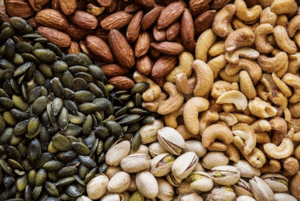
Snack on Nuts and Seeds in Moderation
Instead of reaching for a processed bag of chips, keep a small container of mixed nuts or seeds in your bag or desk drawer. A handful is the perfect portion to limit your hunger and fuel your day.
A small quantity of chopped walnuts or almonds can add a crunchy richness to your morning yogurt, a simple salad, or a warm bowl of oatmeal. For the biggest health payoff, look for raw or roasted nuts. Avoid nuts which are roasted in too much salt or heavy seasoning as it can bring down their natural benefits.
Savor Fruits Freely
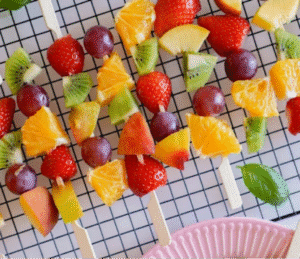
The primary sweet in the traditional Mediterranean diet is fresh fruit. Cakes, pastries, and other sugary desserts are for celebrations, not for daily consumption. For a special treat, opt for Mediterranean-inspired desserts like a small piece of dark chocolate, a few dried figs with nuts.
End your lunch and dinner with a piece of fresh fruit, a bowl of berries, or a fruit salad. A piece of fruit satisfies a sweet tooth in a healthy way, unlike processed sweets that deliver empty calories and increase blood sugar. Furthermore, develop the habit to use water as your primary beverage.
Make Meals Social and Slow (Lifestyle Matters)
The true magic of the Mediterranean way of life is not just found in the grocery list, it is in the rhythm of your day. It is about the laughter around a dinner table, the feeling of moving your body because it feels good, and actually tasting the food instead of just intaking it. This is the secret sauce that turns healthy eating into a lasting, joyful life.
Try to eat at a table, without phones or TVs. Let mealtime be a chance to truly check in with your family and friends. Slow down, savor each bite and enjoy the company. Keep portions reasonable, listen to your hunger cues and take what your body just need which naturally prevents overeating.
A final, gentle note on alcohol: if you already enjoy a drink, moderation is key. Opting a Mediterranean diet, start with one small, manageable change and master it. Maybe this week, you simply add one new vegetable to your dinner. Next week, you shift to olive oil and then eventually a true Mediterranean diet-based meal plate. Remember, the small wins build upon each other, creating powerful lasting habits.

Key Takeaways
- Let plants rule your meal plate.
- Instead of a giant piece of meat with a few veggies on the side, fill at least half your plate with a rainbow of vegetables.
- The more colors, the better, each one brings its own unique set of health boosting powers to the table.
- Make extra virgin olive oil your best friend. Use it generously for cooking, for dressing your salads, and for decorating your finished dishes. Its healthy fats and antioxidants are the cornerstone of this lifestyle’s heart and brain benefits.
- Make it a goal to enjoy fish and seafood at least twice a week. Think simple preprations, grilled or baked with lemon and herbs, not heavy, fried batters.
- Choose the right carbohydrates. Replace the refined grains for their whole-grain counterparts.
- Discover the world of legumes, lentils, chickpeas, and all kinds of beans as they are thenutritional powerhouses that keeps you full and energized.
- Dairy is still on menu, but in its traditional, often fermented forms.
- Reach for plain Greek yogurt and small amounts of flavorful cheese.
- Skip the sugary yogurt and processes cheese products. Your daily sweet treat should come from natural’s candy bowl.
- End your meal with fresh, seasoned fruit. Save the cakes and pastries for true celebrations, not nightly ritual.
Conclusion
The Mediterranean diet is not a rulebook you have to follow perfectly. Think of it more as a friendly, flavor-filled guide to feeling good for the long run. You are doing so much more than just changing what you eat. It is about rediscovering the simple joy of turning fresh ingredients into a meal you are proud to share. You are learning a timeless way of living those feeds more than just your body; it nourishes your spirit.
It is a return to the basics, where a meal is a source of pleasure and connection, not just fuel. Do not focus on what you are cutting out, but on all the wonderful, colorful foods you get to welcome on your plate. This is how you build a vibrant, lasting kind of health, not with restriction and willpower, but with one delicious, wholesome choice at a time.
References
Davis C, Bryan J, Hodgson J, Murphy K. Definition of the Mediterranean diet: a literature review. Nutrients. 2015 Nov 5;7(11):9139-53.
Chatzopoulou E, Carocho M, Di Gioia F, Petropoulos SA. The beneficial health effects of vegetables and wild edible greens: The case of the mediterranean diet and its sustainability. Applied Sciences. 2020 Dec 21;10(24):9144.
Rawat N, Shah I, Kuriyal H, Kumar P. Nutrition and Health: The Nutrient Powerhouse of Vegetables.
Harwood JL, Yaqoob P. Nutritional and health aspects of olive oil. European Journal of Lipid Science and Technology. 2002 Oct;104(9‐10):685-97.
Tsimidou MZ, Mastralexi A, Özdikicierler O. Cold pressed virgin olive oils. InCold pressed oils 2020 Jan 1 (pp. 547-573). Academic Press.
YANGILAR F. The cornerstone of healthy living: germinated grains and legumes.
Patted PG, Masareddy RS, Patil AS, Kanabargi RR, Bhat CT. Omega-3 fatty acids: A comprehensive scientific review of their sources, functions and health benefits. Future Journal of Pharmaceutical Sciences. 2024 Jul 29;10(1):94.
Venugopal V, Gopakumar K. Shellfish: nutritive value, health benefits, and consumer safety. Comprehensive Reviews in Food Science and Food Safety. 2017 Nov;16(6):1219-42.
Brown R, Gray AR, Chua MG, Ware L, Chisholm A, Tey SL. Is a handful an effective way to guide nut recommendations?. International journal of environmental research and public health. 2021 Jul 23;18(15):7812.
Gonçalves B, Pinto T, Aires A, Morais MC, Bacelar E, Anjos R, Ferreira-Cardoso J, Oliveira I, Vilela A, Cosme F. Composition of nuts and their potential health benefits—An overview. Foods. 2023 Feb 23;12(5):942.
Sarkingobir Y, Miya YY. Empty Calories in Processed Foods: A Comprehensive Review of Dietary Implications. Kashmir Journal of Science. 2024 Dec 28;3(04).
Kushkestani M, Moghadassi M, Sidossis L. Mediterranean lifestyle: More than a diet, A way of living (and thriving). Endocrine, Metabolic & Immune Disorders-Drug Targets. 2024 Dec;24(15):1785-93.
Hanh TN, Cheung L. Mindful eating, mindful life: Savour every moment and every bite. Hay House, Inc; 2011 Apr 4.