
Mediterranean Diet 101: The Ultimate Getting-Started Guide
Are you tired of complicated eating rules and crash diets? What if there is a traditional pattern of eating which is delicious and wholesome food, which is also a path to better health, a stronger heart, and a slimmer waistline? That eating pattern is the Mediterranean Diet, an eating plan that has been ranked as the best overall diet for years running.
The Mediterranean Diet is not a strict, temporary regimen; it is a sustainable, vibrant, and delicious way of life. If you are ready to begin a journey toward better health without restrictive calorie-counting or bad fixes, then read this blog post.
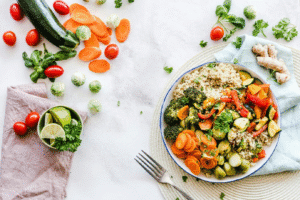
Introduction to the Mediterranean Diet
The Mediterranean Diet is a centuries-old lifestyle inspired by the traditional eating patterns of people from countries bordering the Mediterranean Sea, such as Greece, Italy, and Spain.
Contrary to a rigid diet plan, it is a flexible and inclusive plan of enjoying food, physical activity, and socialising. This diet emphasises whole, plant-based, healthy fats and minimally processed foods, with meat and sweets kept to a minimum.
Key characteristics of the Mediterranean diet include:
- High consumption of leafy greens, whole grains, legumes, and nuts.
- Focus on healthy fats, especially extra-virgin olive oil.
- Moderate intake of seafood and fish.
- Limited consumption of red meat and processed foods.
- Strong emphasis on social eating and mindful, shared meals.
Ancel Keys first studied this concept in the 1960s in the Seven Countries Study, when researchers found lower heart disease rates in Mediterranean surroundings. UNESCO recognised the Mediterranean Diet as an Intangible Cultural Heritage of Humanity, due to its health value and cultural importance.
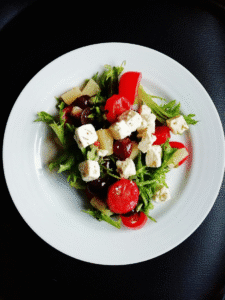
The Core Principles of the Mediterranean Diet
The Core Principles of this diet are more than food. Here are the guiding principles:
Make Plant Foods a Foundation: Your daily staples should be around vegetables, fruits, legumes (lentils, beans), whole grains, seeds, and nuts. These are the sources of fibre, essential nutrients, and antioxidants.
- Focus on Healthy Fats:Your go-to fat is extra-virgin olive oil for cooking, dipping, and dressing. Nuts and seeds are also the source of healthy fats.
- Favour the Lean Meat:Consume seafood, fatty fish, poultry, and legumes more often and limit the consumption of red meat and sweets.
- Embrace Social and Mindful Eating:The Mediterranean meals are about connection, i.e., sit down, eat slowly, and share with others.
- Be Physically Active: Regular physical activity is a natural part of Mediterranean cultures. This is a crucial, often overlooked, part of the lifestyle.
Proven Health Benefits of the Mediterranean Diet
This diet is popular because of decades of scientific evidence. Its benefits extend far beyond weight loss, focusing on overall wellness and longevity. Research supports a wide range of health benefits when following this dietary pattern:
Improve Cardiovascular Health: The high intake of healthy fats from extra-virgin olive oil and fatty fish helps lower the ‘bad’ cholesterol and triglycerides. This diet reduces the risk of stroke, heart disease, and other cardiovascular problems.
The abundance of intake of fibre, potassium, and magnesium from vegetables and fruits helps to manage blood pressure naturally.
Reduce Inflammation and Oxidative Stress: The abundance of intake of vegetables, fruits, and nuts provides the body with fibre, healthy fats, and antioxidants, which help lower inflammation and oxidative stress. Reducing inflammation reduces the risk of metabolic syndrome, cancer, and other chronic diseases.
Protect Brain and Boost Cognitive Ability: The diet rich in antioxidants and healthy fats is linked to a reduced risk of cognitive decline, dementia, and Alzheimer’s disease. The reduction in overall body inflammation reduces depression, supports better mental health and overall well-being.
Better Gut Health, Weight Management, and Increased Life Expectancy: High-fibre foods and legumes support a diverse, healthy microbiome. Whole foods are more filling, making it easier to manage calorie intake without feeling deprived, which leads to healthy weight loss and maintenance. Cohort studies show that higher adherence to this diet is correlated with longer life.
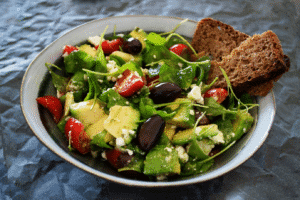
The Mediterranean Diet Food Pyramid
This is the way to know what to focus on and what to limit in your meals. The base of the pyramid represents the foods you should eat daily, while the top represents foods to eat sparingly.
Eat Daily – The Foundation
- Aim for almost 7 to 10 servings of vegetables and fruits daily. Eat vibrant colours. Include tomatoes, peppers, leafy greens, apples, grapes, etc.
- Include whole grains and legumes at every meal. Focus on whole-wheat bread and pastas. Include oats, brown rice, quinoa, lentils, chickpeas, barley, and beans.
- Your primary cooking and dressing fat will be extra virgin olive oil. Enjoy a handful of seeds and nuts daily.
- Last but not least, stay hydrated. Water and herbal teas should be your main beverages.
Eat Moderately (Weekly)
- Aim for seafood and fatty fish (sardines, salmon, trout, and mackerel) for at least 2 servings per week.
- Eat poultry and eggs in moderate portions 1 to 3 times per week.
- Consume dairy in small to moderate portions daily.
Eat Sparingly (Monthly/Rarely)
- Limit the consumption of red meat to small portions, not more than a few times a month.
- Limit the sweets and processed foods in your meals. Swap them out for fresh fruit or a small piece of dark chocolate.
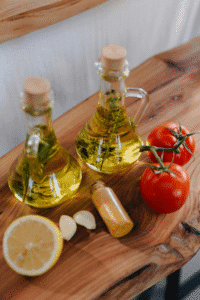
Mediterranean Diet Meal Plan
| Category | Must-Have Staples (Daily) | Weekly/Moderate Items | Limit/Avoid |
| Fats and Oils | Extra-Virgin Olive Oil, Olives, Avocados, Seeds (sunflower, pumpkin, sesame), Nuts (almonds, walnuts) | Nut Butter (almond, peanut) | Butter, Margarine, Canola Oil |
| Starches and Grains | Quinoa, Oats, Brown Rice, Barley, Farro, Whole-wheat Bread/Pasta | Potatoes (2-3 times/week) | White Bread, White Pasta, Sugary Cereals, White Crackers |
| Vegetables and Fruits | Kale, Spinach, Tomatoes, Cucumbers, Bell Peppers, Berries, Apples, Oranges, Grapes, Onions, Garlic | Seasonal variety is key. Frozen vegetables are great too. | Fried Vegetables, Potato Chips |
| Protein | Chickpeas (Hummus), Lentils, Beans (Kidney, Black, Cannellini) | Fatty Fish (Sardines, Salmon), Chicken/Turkey Breast, Eggs, Greek Yoghurt, Feta/Ricotta Cheese | Processed Meats (bacon, sausage), Fatty Cuts of Red Meat |
| Flavour | Fresh and Dried Herbs (Basil, Rosemary, Oregano, Thyme), Spices, Lemon, Vinegar | Honey, Maple Syrup | Excessive Salt, Ketchup, Mayonnaise, and Creamy Dressings. |

Tips To Transition to the Mediterranean Diet
Here are some practical tips and steps to transition to the Mediterranean Diet:
- Start small: Replace one meal at a time. Try making lunch Mediterranean-style for a week.
- Swap daily fats: Swap butter and margarine with extra virgin olive oil.
- Add more legumes to meals: Consume more beans, chickpeas, and lentils in soups, salads, or stews.
- Plan your protein intake: Make seafood or fatty fish your protein portion 2-3 times per week. Focus more on plant-based proteins and limit the consumption of red meat.
- Shop smart: Buy seasonal produce, whole grains, and nuts.
- Cook together: Invite your family and friends more often to cook or eat with you.
- Move regularly: Focus more on physical activity like walking and cycling.
Key Takeaways
- The Mediterranean diet is more than a diet. It is a lifestyle inspired by the traditional eating patterns of Mediterranean countries.
- It emphasises that plant foods (vegetables, fruits, legumes, whole grains) are the foundation of every meal. Extra virgin olive oil is a healthy fat, and it is used liberally.
- Seafoods and fatty fish are primary animal proteins, while a handful of nuts and seeds are the source of healthy fats.
- Red meat and sweets are limited to special occasions only.
- Scientifically backed benefits of the Mediterranean diet include heart health, reduced inflammation, metabolic support, gut health, cognitive protection, and longevity.
- To adopt it, start gradually, make swaps, enjoy meals with others, and pair your diet with regular physical activity.

Conclusion
If you are looking for a delicious, science-backed, and sustainable approach to eating, then the Mediterranean Diet offers a truly powerful promise. This diet is not just about what you eat, but it is about connecting with food, family and your community. The Mediterranean diet supports your heart, gut, brain, and overall longevity.
By adopting the delicious, healthy, and vibrant habits of the world’s longest-living cultures, you are investing in a future with less disease, more energy, and greater pleasure in a good meal. It is about building a lifestyle that nourishes your body and your soul. Take the first step today and drizzle some extra virgin olive oil on a fresh salad, and you are already on your way.
Ready to dive deeper into healthy, sustainable living and want to explore more about the Mediterranean diet? Then, visit our website, healthabulous, and read these blog posts for more guides, recipes, meal plans, and expert advice tailored to your wellness journey:
- What the Mediterranean Diet Does to Your Brain — Backed by Science.
- Six Proven Ways the Mediterranean Diet Can Extend Your Lifespan.
- Simple Ways to Follow the Mediterranean Diet for Lasting Health.
- Budget-Friendly Mediterranean Foods That Boost Longevity.
- The Single #1 Most Powerful Eating Habit for Maximising Mediterranean Diet Results
References
- Altomare R, Cacciabaudo F, Damiano G, Palumbo VD, Gioviale MC, Bellavia M, Tomasello G, Lo Monte AI. The mediterranean diet: a history of health. Iran J Public Health. 2013 May 1;42(5):449-57. PMID: 23802101; PMCID: PMC3684452.
- Martinez-Gonzalez MA, Martin-Calvo N. Mediterranean diet and life expectancy; beyond olive oil, fruits, and vegetables. Curr Opin Clin Nutr Metab Care. 2016 Nov;19(6):401-407. doi: 10.1097/MCO.0000000000000316. PMID: 27552476; PMCID: PMC5902736.
- Ligia J. Dominguez, Nicola Veronese, Giovanna Di Bella, Claudia Cusumano, Angela Parisi, Federica Tagliaferri, Stefano Ciriminna, Mario Barbagallo, Mediterranean diet in the management and prevention of obesity, Experimental Gerontology, Volume 174, 2023, 112121, ISSN 0531-5565, https://doi.org/10.1016/j.exger.2023.112121.
- Rani Mansuri,undefined Monika,Arpit Raj,Sabina Yasmin,Md Yousuf Ansari,Role of Mediterranean Diet in Alzheimer’s Disease: Pre-clinical and Clinical Evidence, Diet and Alzheimer’s Disease: Let Food be Our Medicine, (93-118), (2025). https://doi.org/10.1007/978-981-95-2736-6_4
- Rishor-Olney CR, Hinson MR. Mediterranean Diet. [Updated 2023 Mar 27]. In: StatPearls [Internet]. Treasure Island (FL): StatPearls Publishing; 2025 Jan-. Available from: https://www.ncbi.nlm.nih.gov/books/NBK557733/
- Finicelli M, Di Salle A, Galderisi U, Peluso G. The Mediterranean Diet: An Update of the Clinical Trials. Nutrients. 2022 Jul 19;14(14):2956. doi: 10.3390/nu14142956. PMID: 35889911; PMCID: PMC9317652.