
What the Mediterranean Diet Does to Your Brain — Backed by Science
Imagine the command centre of your body and the library of your memories, i.e., your brain, is slowly losing its edge. This is what is common these days, and many share the fear of losing focus and serious cognitive decline. We chase supplements for better memory and dementia prevention.
But what if the secret to restoring focus, improving memory, and regaining cognitive abilities lies in your meal plate, rather than in supplements? As research accumulates, the Mediterranean diet has been capturing the spotlight for the compelling benefits it offers for mind and brain health.
What’s on your plate could literally change how your brain ages. Let’s dive deep into how the Mediterranean diet benefits your brain.
Introduction to Mediterranean Diet
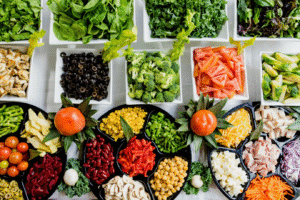
It is a dietary pattern inspired by the traditional eating habits bordering the Mediterranean Sea. The Mediterranean Diet include:
- The high intake of vegetables (leafy green vegetables), fruits, whole grains, legumes, nuts, and seeds.
- Healthy fats (olive oil)
- Protein intake from fish, moderate consumption of dairy and poultry, and limited intake of red meat.
- Low to limited consumption of processed foods, refined sugars, and saturated fats.
The central focus of this diet is simplicity, freshness, and balance.
Neuroprotection by Mediterranean Diet
The Mediterranean diet plays a crucial role in neuroprotection due to the synergistic action of its core components, which feed the brain’s specific needs by creating a low-inflammatory and high-nutrient density profile.
- Olive oil is the cornerstone of the Mediterranean diet. It is rich in monounsaturated fatty acids and polyphenols. It is an anti-inflammatory powerhouse. EVVO acts as a potent anti-inflammatory agent, reducing the effects of non-steroidal anti-inflammatory drugs. It also helps clear the brain of the destructive beta-amyloid proteins.
- Vegetables, fruits, and legumes provide fibre, vitamins and antioxidants. They also contain folate and lutein. Folate is essential for regulating homocysteine levels, which are a risk factor for stroke and cognitive impairment. Higher brain lutein (carotenoids) reduces markers of accelerated brain damage.
- Whole grains are the main source of carbohydrates, provide B vitamins and sustained energy.
- Nuts and seeds are a daily source of vitamin E and essential fats, which protect brain cell membranes from oxidative stress. Walnuts are a rich source of plant-based Omega-3 (ALA), which ensures healthy flow and nutrient delivery to the brain.
- Berries are rich in anthocyanins, a type of flavonoid. These antioxidants are effective at crossing the blood-brain barrier and accumulating in areas of the brain responsible for memory and learning.
- Seafood and fish provide omega-3 fatty acids (DHA and EPA)
This framework ensures the brain is continuously supplied with protective and nourishing compounds.

What the Mediterranean Diet Does to Your Brain
Researchers have pinpointed several distinct mechanisms by which this diet exerts its neuroprotective effects. Here are some of the key mechanisms which are supported by science:
Mitigate Oxidative Stress:
Foods in the Mediterranean Diet are rich in vitamins, polyphenols, and antioxidants. Polyphenols (like oleocanthal) in olive oil provide antioxidants which neutralise free radicals, thus protecting DNA and brain cell membranes from damage. This diet reduces the overall oxidative stress that leads to cellular ageing and death.
Reduce Neuroinflammation:
Neuroinflammation (Chronic low-grade inflammation in the brain) is a precursor and accelerator of Alzheimer’s and other forms of dementia. Studies have repeatedly shown that the Mediterranean diet leads to lower levels of CRP (C-reactive protein), which is a marker of inflammation in the bloodstream.

Improve Cognitive Function:
Omega-3 fatty acids (Docosahexaenoic Acid-DHA and Eicosapentaenoic Acid-EPA) from fatty fish are linked to improved cognitive function.
DHA constitutes the grey matter in the brain and is the primary component of the cell membranes of neurons. DHA in membranes allow quicker and more efficient communication between nerve cells.
Boost Neuroplasticity and Brain Repair:
The brain’s ability to adapt and to create new connections (synaptic plasticity) is linked to DHA and EPA. Adequate intake of omega-3 fatty acids ensures that the brain remains flexible, responsive, learn, and remembers.
Studies have shown that the nutrients of the Mediterranean Diet are linked to higher levels of Brain-derived neurotrophic factor (BDNF), a key protein for neuron growth, connectivity, and survival.
Gut-Brain Axis Connection:
The Mediterranean Diet has fibre content that is not only helpful in digestion but also plays a vital role in the bidirectional communication pathway, i.e., gut-brain axis. Fibre acts as a prebiotic and feeds the gut microbiome. These microbiomes ferment the fibre to produce SCFAs (Short-chain fatty acids).
These SCFAs, like butyrate, strengthen the blood-brain barrier (BBB) and reduce systemic inflammation. A healthier microbiome in the gut is associated with a calmer and protected central nervous system, which regulates moods and uplifts cognitive health.
Reduce Risk of Dementia and Alzheimer’s:
The most groundbreaking importance involves dementia prevention. Adherence to the Mediterranean Diet is strongly associated with a reduced incidence of Alzheimer’s disease and a slower progression of Mild Cognitive Impairment (MCI).
The Mediterranean diet is associated with a significantly lower risk of developing dementia. It reduces the accumulation of amyloid-beta plaques and tau tangles, which are the pathological hallmarks of Alzheimer’s.

Synergy with the MIND Diet
Mediterranean Diet’s centrality to brain health also comes from the creation of the MIND Diet (Mediterranean-DASH Intervention for Neurodegenerative Delay). This diet is a hybrid of the Mediterranean and DASH (Dietary Approaches to Stop Hypertension) diets.
This focuses on the foods with the most robust neuroprotective evidence, like green leafy vegetables and berries.
In strict adherers, the successful outcomes of the MIND diet have been shown to reduce the risk of Alzheimer’s by up to 53%. The foundational, brain-friendly components of the traditional Mediterranean Diet are the most critical factors in dementia prevention.
Tips to Incorporate the Mediterranean Diet
- Load up your plates with leafy greens in your meals. They are linked to better cognitive function.
- Focus more on healthy fats such as extra virgin oil, nuts, and fatty fish in your meals.
- Eat more whole grains and legumes such as beans, lentils, whole wheat, barley, and quinoa, which give you fibre and nutrients.
- Limit the consumption of red and processed meat. Focus on lean protein sources like poultry and fish.
- Add berries, herbs, and spices to your diet. They are rich in antioxidants.
- Make it a lifestyle, and it’s about long-term sustainable eating that supports your brain and heart.

Key Takeaways
- Adherence to the Mediterranean diet is associated with better memory, problem-solving, and thinking skills, especially in older adults.
- This diet helps to preserve brain volume, especially slowing shrinkage.
- Anti-inflammatory compounds such as antioxidants, healthy fats, and fibre all work together for the gut-brain axis connection, and protect brain cells.
- Incorporation of a healthy gut microbiome from the Mediterranean diet boosts cognitive flexibility and memory.
- Regular intake of omega-3 fatty acids provides essential structural components for cell membranes of neurons and supports synaptic health.
- High adherence to this diet lowers the risk of developing Alzheimer’s and slows the rate of cognitive decline.
Conclusion
The Mediterranean diet is not just a healthy way of eating, it is a scientifically proven, evidence-based method brain-boosting diet. It is a rich mix of green leafy vegetables, healthy fats, fibre, and healthy fats which help slow cognitive decline, preserve brain structure, and support vital brain functions such as memory and thinking.
It offers a concrete defence against cognitive decline, dementia, and Alzheimer’s disease. This diet is delicious, sustainable, and even enjoyable. Adopting this diet is not just for the now; it is an investment in your mental resilience as you age. This diet is one of your brain’s best allies with consistent and long-term habits.
If you want to explore further, check out our linked blogs on Mediterranean diets. You can check the following blog posts on our website, healthabulous:
- Mediterranean Foods That Naturally Ease Stress and Support Mental Calm.
- Six Proven Ways the Mediterranean Diet Can Extend Your Lifespan.
- 7 Simple Ways to Follow the Mediterranean Diet for Lasting Health.

FAQs
Q1: Can the Mediterranean diet reduce the risk of Alzheimer’s disease?
While no diet can guarantee the prevention, studies have shown that it may lower the risk of cognitive decline and Alzheimer’s by supporting brain health through antioxidant, neuroplastic, and anti-inflammatory pathways.
Q2: How quickly will I see cognitive function benefits?
Brain health changes are generally long-term. Reduced dementia risk track adherence over many years (5-10 or even more). While the benefits, like improved mood and clearer focus, can be observed within weeks or months.
Q3: Is the Mediterranean Diet expensive?
It can be budget-friendly. The staples like legumes, beans, lentils, whole grains and seasonal vegetables are inexpensive. Fish can be costly, but there are options to buy cheaper fatty fish like canned sardines or mackerel for your Omega-3. This diet is cheaper than buying processed and packaged foods.
References
- Finicelli M, Di Salle A, Galderisi U, Peluso G. The Mediterranean Diet: An Update of the Clinical Trials. Nutrients. 2022 Jul 19;14(14):2956. doi: 10.3390/nu14142956. PMID: 35889911; PMCID: PMC9317652.
- Altomare R, Cacciabaudo F, Damiano G, Palumbo VD, Gioviale MC, Bellavia M, Tomasello G, Lo Monte AI. The mediterranean diet: a history of health. Iran J Public Health. 2013 May 1;42(5):449-57. PMID: 23802101; PMCID: PMC3684452.
- Martinez-Gonzalez MA, Martin-Calvo N. Mediterranean diet and life expectancy; beyond olive oil, fruits, and vegetables. Curr Opin Clin Nutr Metab Care. 2016 Nov;19(6):401-407. doi: 10.1097/MCO.0000000000000316. PMID: 27552476; PMCID: PMC5902736.
- Rishor-Olney CR, Hinson MR. Mediterranean Diet. [Updated 2023 Mar 27]. In: StatPearls [Internet]. Treasure Island (FL): StatPearls Publishing; 2025 Jan-. Available from: https://www.ncbi.nlm.nih.gov/books/NBK557733/
- Rani Mansuri,undefined Monika,Arpit Raj,Sabina Yasmin,Md Yousuf Ansari,Role of Mediterranean Diet in Alzheimer’s Disease: Pre-clinical and Clinical Evidence, Diet and Alzheimer’s Disease: Let Food be Our Medicine, (93-118), (2025). https://doi.org/10.1007/978-981-95-2736-6_4
- Ligia J. Dominguez, Nicola Veronese, Giovanna Di Bella, Claudia Cusumano, Angela Parisi, Federica Tagliaferri, Stefano Ciriminna, Mario Barbagallo, Mediterranean diet in the management and prevention of obesity, Experimental Gerontology, Volume 174, 2023, 112121, ISSN 0531-5565, https://doi.org/10.1016/j.exger.2023.112121.