
Top African Heritage Foods That Fight Chronic Diseases Naturally
In the world, processed foods and diets are dominating our dining tables, one of the main causes of many chronic diseases like hypertension, type 2 diabetes, and heart disease. These chronic illnesses are rising at an alarming rate. The good news is that part of the solution is in diet and not in the synthetic tablets. The diet is not other than ancient African heritage food. The African culinary traditions are organic, nutrient-rich and provide essential nutrients that help in preventing and managing these chronic diseases naturally.
The African heritage food supports our health, promotes sustainable food production and connects with the cultural roots. In this blog post, let us explore more about the African heritage foods that help fight chronic diseases naturally.

African Heritage Diets: An Ultimate Anti-Inflammatory Protocol
The modern Western meals often contain a high amount of refined sugars, trans fats, excessive sodium, and processed meats. These ingredients are known to cause chronic inflammation, a root cause of most illnesses. While the traditional African heritage diet is quite the opposite. This diet is nutrient-rich, plant-based, organic, high in essential micronutrients and fibre, and packed with polyphenols-powerful anti-inflammatory compounds. This is the diet of resilience and longevity.
Core Ingredients of African Heritage Food
Whole Grains: Staples like sorghum, millet, and teff replace processed flours and refined rice.
Leafy greens and vegetables: Leafy greens, tubers and vegetables are the main portion of every meal.
Legumes: Peas, beans, and groundnuts are the main plant-based proteins.
Herbs and Spices: Natural herbs and spices are used for flavouring and to limit sodium consumption.
Top African Heritage Foods for Chronic Disease Prevention
Here is the list of some potent traditional African foods which help fight chronic disease.
Leafy Greens and Vegetables
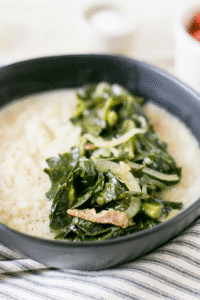
- Collard Greens (Amaranthus, Corchorus, Celosia)
Collard greens species are also known as African spinach. These leafy green vegetables are rich in vitamins K, A, and C. They also contain fibre, protein, bioactive compounds, calcium, iron, folate, and antioxidants.
Amaranth’s leaves and grains are highly nutritious. The grains are rich in protein and lysine (an essential amino acid). Grains are used in breakfast bowls, baking, and porridge. The leaves are steamed, stir-fried, or stewed and incorporated into soups and sauces.
- Folate and bioactive compounds fight oxidative stress (a major contributor to chronic diseases).
- Fibre and protein help modulate blood sugar.
- Vitamin A supports vision and immune function.
- Iron and vitamin C help in iron absorption.
- Bitter leaf (Vernonia amygdalina)
A widely used vegetable in West Africa, and is known for its bitter taste. It has medicinal properties. It is rich in minerals, vitamins, flavonoids, and saponins.
- The nutrients present in bitter leaf have anti-malarial, anti-diabetic, and anti-cancer properties.
- It also helps in digestion, lowers blood sugar levels, and cleanses the body.
- Okra (Abelmoschus esculentus)
Okra has significant importance in Africa due to its unique mucilaginous texture. Okra is rich in soluble fibre, vitamin C and K, folate, magnesium, and antioxidants.
- Soluble fibre helps regulate blood sugar.
- Antioxidants such as catechin and quercetin protect the cells from damage.
- Vitamin C and K, and magnesium boost immunity, support bone health, and help in blood clotting.
- Folate is crucial for a healthy pregnancy.
Fruits
- Baobab (Adansonia digitata)
Baobab is called “the tree of life” and “superfruit” in Africa. It is a significant component of the African traditional diet and medicine. The pulp of Baobab fruit is rich in dietary fibre, prebiotics, polyphenols, potassium, calcium, vitamin C, and antioxidants. Its pulp is dried to make powder.
- Vitamin C is a powerful immune booster and collagen producer.
- Antioxidants fight free radicals.
- Polyphenols help slow glucose absorption and support better glycemic regulation. They also have anti-inflammatory effects.
- Calcium assists in vascular functioning.
- Potassium and fibre support heart health.
- The powder is also used to treat diarrhoea and fever.
- Tamarind (Tamarindus indica)
The fruit of the Tamarind tree is widely used in African dishes for its sweet-sour flavour. The pulp of Tamarind fruit is rich in dietary fibre, polyphenols, antioxidants, B vitamins, magnesium, iron, and calcium. It is used in sauces, marinades, stews and as a tangy beverage.
- The dietary fibres aid in digestion and are good for gut health.
- Antioxidants, including tartaric acid, have anti-inflammatory and potentially anti-cancerous properties.
- Polyphenols and fibre help to regulate glucose and reduce inflammation.
- African Star Apple (Chrysophyllum albidum)
It is a popular fruit in West Africa and is known for its sweet-sour taste. It is rich in antioxidants, calcium, phosphorus, iron, and vitamin C.
- The leaves and fruit of this tree have anti-diabetic properties.
- The antioxidants protect cells, reduce inflammation, and support immune function.
- Vitamin C helps in collagen production and boosts the immune system.
Starchy Staples and Whole Grains
Traditional African whole grains are a source of sustained energy and offer significant health benefits.
- Fonio (Digitaria exilis)
Fonio is an ancient West African grain. It is gluten-free and highly nutritious. It is rich in essential amino acids like methionine and cysteine. It also contains fibre, zinc, iron, magnesium, and B vitamins. It has a low glycaemic index. Fonio is used for porridge, stuffed dishes and as a side grain.
- Low glycemic index helps to stabilise blood sugar levels.
- Rich fibre content helps in digestion and is suitable for sensitive stomachs.
- B vitamins, iron, and zinc support overall metabolic health and immune function.
- Millet (Pennisetum glaucum)
Millet is a staple food across arid and semi-arid regions of Africa and is drought-resistant. It is rich in fibre, carbohydrates, magnesium, calcium, phosphorus, and antioxidants.
- The high fibre content helps in digestion and prevents constipation.
- Magnesium is beneficial for heart health and regulates blood pressure.
- Calcium and magnesium support bone health.
- Sorghum (Sorghum bicolor)
Sorghum is an ancient, widely cultivated grain in Africa. It is gluten-free and rich in phenolic compounds and antioxidants like tannins and anthocyanins. It is eaten whole, can be ground into flour for baking, and used in porridge or fermented drinks.
- The rich fibre content supports digestive health and aids in weight management.
- The phenolic compounds and antioxidants reduce inflammation and reduce inflammation.
- Cassava (Manihot esculenta)
It is a staple as fufu or gari in many parts of Africa. It is rich in starch with prebiotics.
- Prebiotics promote a healthy gut microbiome, which prevents a wide range of chronic diseases, including obesity, inflammatory bowel disease, and even neurological conditions.
Legumes
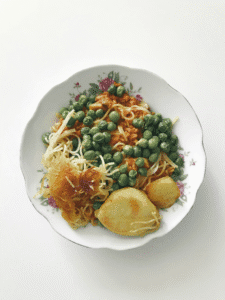
These are the cornerstones of African diets and provide a wide range of health benefits. Legumes are rich in plant-based proteins, dietary fibre, and micronutrients.
- Black-Eyed Peas (Vigna unguiculata)
It is a staple across West Africa and the diaspora. It is rich in soluble and insoluble dietary fibre, folate, iron, magnesium, and potassium.
- The fibre content helps in digestion, regulates blood sugar, and lowers cholesterol levels. Fibre also supports overall immunity and helps in disease prevention.
- Folate and micronutrients aid in a healthy pregnancy, support bone and heart health.
- Lentils
Lentils are widely consumed in North and East Africa. They are nutrient-rich and provide protein, iron, and B vitamins. They also have a low glycemic index and high fibre content.
- The nutrients in lentils help to regulate blood sugar levels and help in preventing and managing type 2 diabetes.
- Groundnuts (Peanuts)
They are widely cultivated and consumed in Africa. They are the source of healthy fats (monounsaturated and polyunsaturated), antioxidants (resveratrol), vitamin E, and protein. They also contain niacin.
- They lower LDL (bad) cholesterol and support cardiovascular health.
- Resveratrol and vitamin E protect against cell damage.
Spices, Herbs and Oils (Healthy fats)
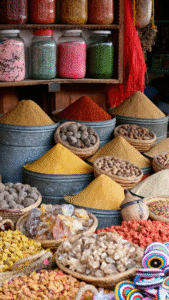
Traditional African meals utilise various spices, herbs, and oils that contribute significantly to human health. Palm oil, shea butter, ginger, garlic, turmeric, and onions are the main ingredients of African cuisines. They are a rich source of various essential nutrients.
- Palm oil is rich in tocotrienols (vitamin E) and beta-carotene, both are antioxidants. They protect against oxidative stress and support heart health.
- Shea butter has anti-inflammatory properties due to the presence of oleic acid, stearic acid, and vitamins A and E.
- Ginger, turmeric, garlic, and onions have anti-inflammatory properties, and they help in preventing and managing a wide range of chronic diseases.
Key Takeaways
- Ancient Africantraditional foods like fonio, baobab, sorghum, and amaranth are packed with dietary fibres, antioxidants, and micronutrients that reduce inflammation and support overall metabolic health.
- The legumes are rich in plant-based proteins, which help in building and repairing body tissues.
- Reconnect with traditional ways of cooking. This will reduce intake of processed foods and improve overall gut health, and help in the prevention of various chronic diseases.
- Be mindful of your meals, eat with others and focus more on the traditional foods to have a resilient and healthier life.

Conclusion
Incorporating nutrient-rich, traditional, and ancient African foods like baobab, millet, sorghum, cassava, and millet in your diet is a strategic and evidence-based approach to preventing and managing chronic diseases. These foods boost your micronutrient uptake, improve gut health, support blood sugar levels, reduce inflammation, and help to fight against chronic diseases. The wisdom of traditional African diets holds practical, modern-day power.
If you want to explore further, check out our linked blogs on African heritage diet, heritage healing, and the power of plantains. Together, these form a roadmap; not just for health, but belonging, identity, and generational strength. You can check our three blog posts on our website, healthabulous:
- The African Heritage Diet Explained: A Complete Guide to Its Roots and Benefits
- Healing Through Heritage: How Black African Food Restores Health and Community.
- The Amazing Health Benefits of Plantains You Should Know.
References
- Temba GS, Pecht T, Kullaya VI, Vadaq N, Mosha MV, Ulas T, Kanungo S, van Emst L, Bonaguro L, Schulte-Schrepping J, Mafuru E, Lionetti P, Mhlanga MM, van der Ven AJ, Cavalieri D, Joosten LAB, Kavishe RA, Mmbaga BT, Schultze JL, Netea MG, de Mast Q. Immune and metabolic effects of African heritage diets versus Western diets in men: a randomized controlled trial. Nat Med. 2025 May;31(5):1698-1711. doi: 10.1038/s41591-025-03602-0. Epub 2025 Apr 3. PMID: 40181181; PMCID: PMC12092257.
- Sterling SR, Bowen SA. The Potential for Plant-Based Diets to Promote Health Among Blacks Living in the United States. Nutrients. 2019 Dec 2;11(12):2915. doi: 10.3390/nu11122915. PMID: 31810250; PMCID: PMC6949922.
- Niu J, Ockendon-Powell NF, Alonge TA, Papadaki A. Definition of the traditional African diet: a scoping review. Front Nutr. 2025 Sep 12;12:1651945. doi: 10.3389/fnut.2025.1651945. PMID: 41019548; PMCID: PMC12465632.
- Oniang’o R, Maingi Z, Jaika S, Konyole S. Africa’s contribution to global sustainable and healthy diets: a scoping review. Front Nutr. 2025 May 2;12:1519248. doi: 10.3389/fnut.2025.1519248. PMID: 40386220; PMCID: PMC12083016.
- Bovell-Benjamin A, Dawkins N, Pace R, Shikany JM. Dietary consumption practices and cancer risk in African Americans in the rural South. J Health Care Poor Underserved. 2010 Aug;21(3 Suppl):57-75. doi: 10.1353/hpu.0.0361. PMID: 20675946; PMCID: PMC5404889.