
Anemia is one of the most common blood disorders worldwide, affecting people of all ages and backgrounds. Despite its prevalence, anemia is often misunderstood or overlooked, especially in its early stages. Many people live with anemia for months or even years, attributing symptoms like fatigue, weakness, or poor concentration to stress, aging, or lack of sleep.
Medically, anemia is not a single disease but a condition that occurs when the blood cannot carry enough oxygen to meet the body’s needs. This oxygen deficit affects nearly every organ system and is closely linked to chronic fatigue, thyroid disorders, frequent infections such as urinary tract infections (UTIs), and reduced immune function.
Understanding anemia, its causes, and its treatment options is essential for restoring energy levels, preventing complications, and improving overall health.
What Is Anemia?
Anemia occurs when the number of red blood cells or the amount of hemoglobin in the blood is lower than normal. Hemoglobin is an iron-rich protein inside red blood cells that binds oxygen in the lungs and delivers it to tissues throughout the body.
When hemoglobin levels are low, organs and muscles receive less oxygen, leading to symptoms such as tiredness, shortness of breath, and reduced physical and mental performance.
Anemia can develop gradually or suddenly and may be temporary or chronic, depending on its underlying cause.
Why Red Blood Cells Matter
Red blood cells play a central role in energy production and organ function. They transport oxygen, support immune responses, and help regulate acid-base balance in the blood.
Because red blood cells are constantly being produced and broken down, anemia can develop if the body does not make enough red blood cells, loses them too quickly, or destroys them prematurely.
Types of Anemia
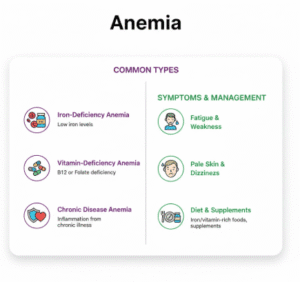
Anemia is classified based on its cause and the characteristics of red blood cells. Identifying the specific type is essential for effective treatment.
Iron-Deficiency Anemia
Iron-deficiency anemia is the most common type worldwide. It occurs when the body does not have enough iron to produce adequate hemoglobin.
Iron deficiency may result from inadequate dietary intake, poor absorption, increased iron needs, or chronic blood loss. In women, heavy menstrual bleeding is a common cause. In both men and women, gastrointestinal bleeding from ulcers, polyps, or chronic inflammation can lead to iron deficiency over time.
Iron-deficiency anemia often develops slowly, allowing symptoms to progress unnoticed.
Vitamin-Deficiency Anemia
This type of anemia occurs when the body lacks essential vitamins needed for red blood cell production, most commonly vitamin B12 and folate.
Vitamin B12 deficiency may result from poor absorption due to conditions affecting the stomach or intestines, such as pernicious anemia or autoimmune disorders. Folate deficiency is more often linked to inadequate intake, increased needs, or chronic alcohol use.
Vitamin-deficiency anemia can affect not only oxygen delivery but also nerve function, particularly in B12 deficiency.
Anemia of Chronic Disease
Chronic illnesses such as autoimmune disorders, kidney disease, inflammatory conditions, and infections can interfere with red blood cell production and iron metabolism.
In this type of anemia, iron levels may appear normal or even elevated, but the body is unable to use iron effectively due to ongoing inflammation. This form of anemia is common in people with long-term medical conditions and often coexists with fatigue and reduced immune function.
Hemolytic Anemia
Hemolytic anemia occurs when red blood cells are destroyed faster than they can be replaced. This may be caused by autoimmune reactions, inherited blood disorders, infections, or certain medications.
The rapid breakdown of red blood cells can lead to symptoms such as jaundice, dark urine, and an enlarged spleen, in addition to fatigue and weakness.
Aplastic Anemia and Bone Marrow Disorders
Aplastic anemia is a rare but serious condition in which the bone marrow fails to produce enough red blood cells, white blood cells, and platelets. It may result from autoimmune processes, exposure to toxins, certain medications, or viral infections.
Because it affects multiple blood cell lines, aplastic anemia increases the risk of infections and bleeding in addition to anemia-related symptoms.
Symptoms of Anemia
Anemia symptoms vary depending on severity, duration, and underlying cause. Mild anemia may cause few noticeable symptoms, while more severe anemia can significantly affect daily life.
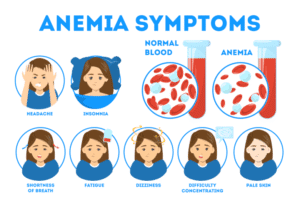
Fatigue is the most common symptom and is often described as persistent, unrelieved by rest, and accompanied by reduced stamina. Shortness of breath during routine activities, dizziness, headaches, and pale skin are also common.
Some people experience cold hands and feet, heart palpitations, or difficulty concentrating. In iron-deficiency anemia, cravings for non-food substances such as ice or clay may occur.
Anemia and Chronic Fatigue
Anemia is one of the most common medical causes of chronic fatigue. When tissues are deprived of oxygen, the body compensates by conserving energy, leading to constant tiredness and reduced physical endurance.
Fatigue related to anemia often feels different from ordinary tiredness. It may persist despite adequate sleep and worsen with minimal exertion.
Anemia and Thyroid Disorders
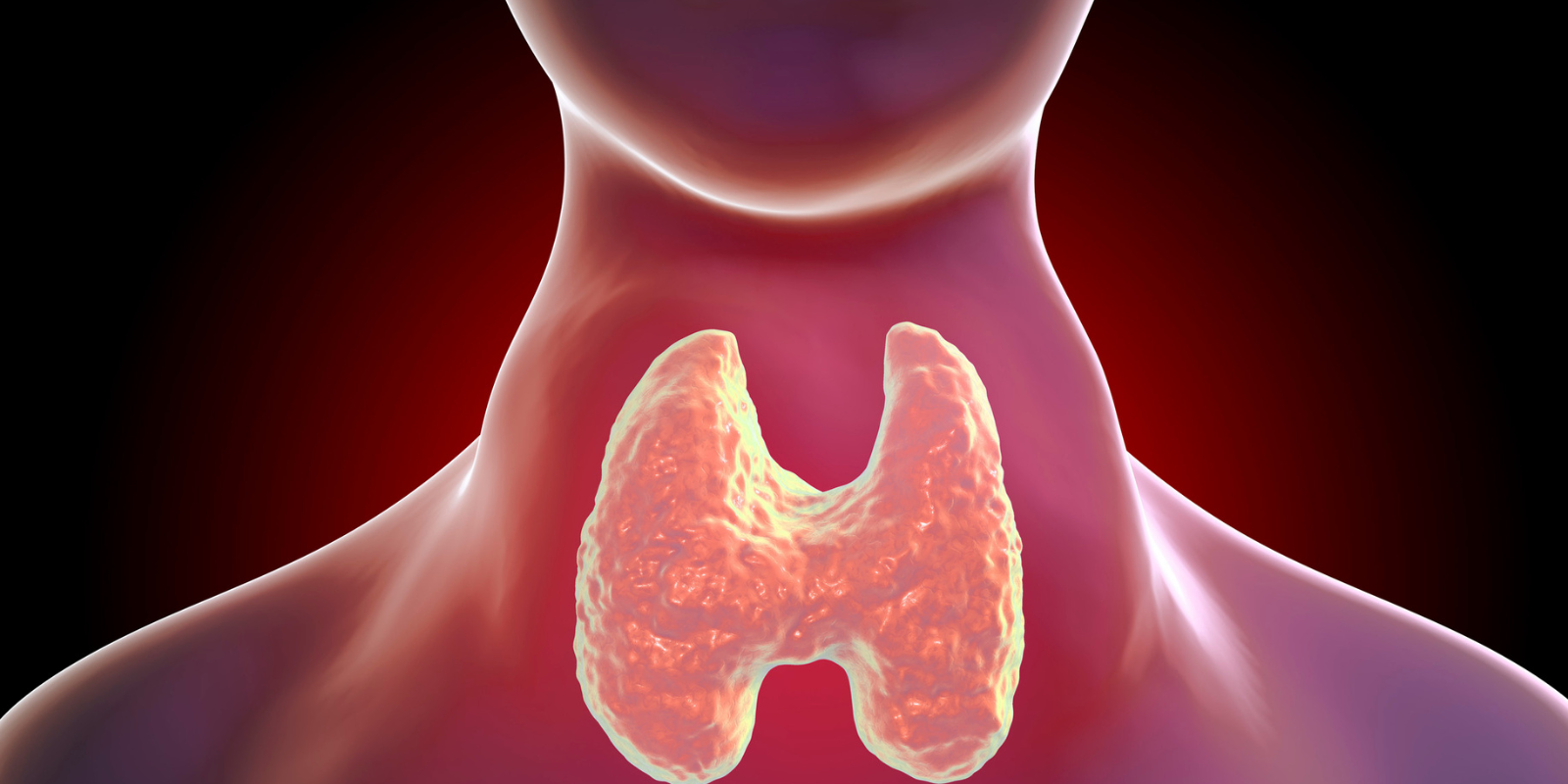
Thyroid disorders and anemia frequently coexist. Hypothyroidism can reduce red blood cell production, while hyperthyroidism may increase red blood cell turnover.
Autoimmune thyroid conditions are also associated with vitamin B12 deficiency and pernicious anemia. As a result, people with thyroid disease who experience unexplained fatigue may have undiagnosed anemia contributing to their symptoms.
Treating both conditions is often necessary for full symptom improvement.
Anemia and Infections, Including UTIs
Anemia can weaken the immune system by reducing oxygen delivery to immune cells and impairing their function. This may increase susceptibility to infections, including recurrent urinary tract infections.
Conversely, chronic or recurrent infections can contribute to anemia through inflammation or blood loss. UTIs that cause blood in the urine may contribute to iron loss over time, particularly if infections are frequent or prolonged.
This two-way relationship highlights the importance of identifying anemia in individuals with recurrent infections.
Causes of Anemia
Anemia develops when red blood cell production cannot keep up with demand or when red blood cells are lost or destroyed.
Common causes include nutritional deficiencies, chronic inflammation, blood loss, bone marrow disorders, inherited conditions, and certain medications. In many cases, anemia results from more than one contributing factor.
How Anemia Is Diagnosed
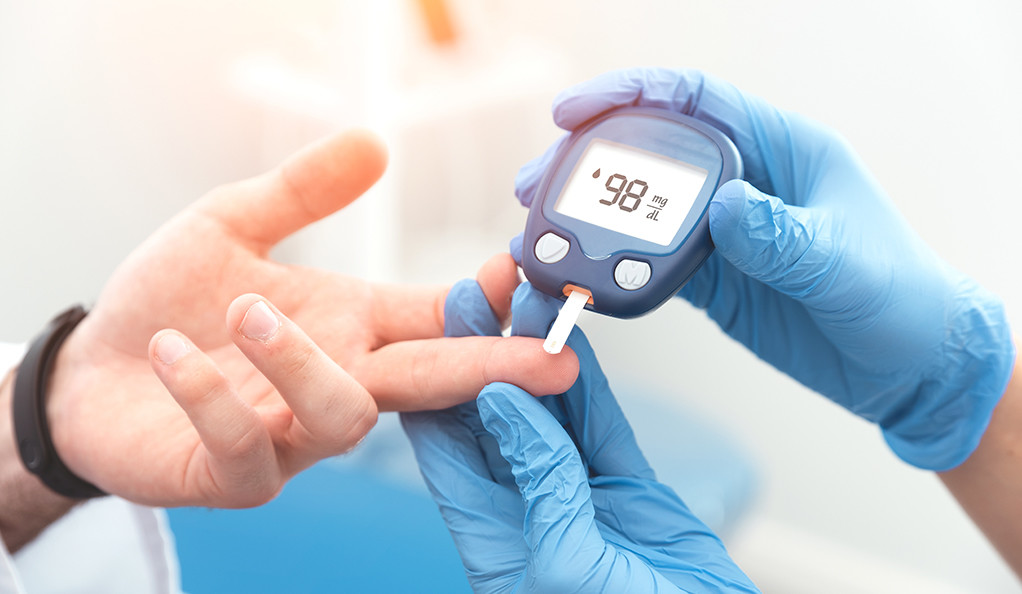
Anemia is diagnosed through blood tests, beginning with a complete blood count. This test measures hemoglobin levels, red blood cell count, and red blood cell size.
Additional tests may assess iron levels, vitamin B12, folate, thyroid function, kidney function, and markers of inflammation. Identifying the underlying cause is essential for effective treatment and preventing recurrence.
Treatment Options for Anemia
Treatment depends entirely on the type and cause of anemia. Iron-deficiency anemia is typically treated with iron supplementation and addressing the source of iron loss. Vitamin-deficiency anemia requires replacement of the missing vitamin and treatment of absorption issues when present.
Anemia of chronic disease improves with management of the underlying condition. In more severe cases, medications, injections, or blood transfusions may be required.
Treatment is often gradual, and symptom improvement may take weeks to months.
Living With Anemia
With proper diagnosis and treatment, most people with anemia can expect significant improvement in energy, concentration, and quality of life. Ongoing monitoring is important, particularly for individuals with chronic illnesses or recurrent anemia.
Ignoring anemia can lead to worsening symptoms and increased risk of complications, especially in older adults and people with underlying medical conditions.
When to See a Doctor
Medical evaluation is important if fatigue is persistent, unexplained, or worsening, or if symptoms such as dizziness, shortness of breath, palpitations, or frequent infections occur.
Early diagnosis allows for timely treatment and reduces the risk of long-term complications.
Frequently Asked Questions (FAQs)
- What are the most common symptoms of anemia?
The most common symptoms of anemia include persistent fatigue, weakness, shortness of breath with mild activity, dizziness, headaches, and difficulty concentrating. Some people may also notice pale skin, cold hands and feet, heart palpitations, or unusual cravings such as ice, especially in iron-deficiency anemia. - Can anemia cause chronic fatigue even with enough sleep?
Yes. Anemia is a frequent medical cause of chronic fatigue. Because red blood cells deliver oxygen to tissues, low hemoglobin levels reduce energy production throughout the body. Fatigue related to anemia often persists despite adequate sleep and may worsen with minimal physical or mental effort. - How are anemia and thyroid disorders connected?
Thyroid disorders can affect red blood cell production and turnover. Hypothyroidism may reduce red blood cell formation, while hyperthyroidism can increase their breakdown. Autoimmune thyroid disease is also associated with vitamin B12 deficiency and pernicious anemia, making anemia more common in people with thyroid conditions. - Can anemia increase the risk of infections like UTIs?
Yes. Anemia can impair immune function by limiting oxygen delivery to immune cells, which may increase susceptibility to infections, including recurrent urinary tract infections. At the same time, chronic or recurrent infections can contribute to anemia through inflammation or blood loss. - How is anemia treated, and how long does recovery take?
Treatment depends on the underlying cause. Iron-deficiency anemia is treated with iron replacement and addressing sources of blood loss, while vitamin-deficiency anemia requires vitamin supplementation. Symptom improvement often begins within weeks, but full recovery may take several months and requires ongoing monitoring.
Key Takeaways
Anemia is a common but often overlooked condition that reduces the blood’s ability to carry oxygen. It has many causes and types, each requiring specific treatment.
Anemia is closely linked to chronic fatigue, thyroid disorders, and increased susceptibility to infections such as UTIs. With accurate diagnosis and appropriate treatment, most people experience meaningful recovery and improved overall health.