
Diabetes Management Guide
With the prevalence of diabetes deeply rooted in modern society, affecting millions of people, one would think that diabetes is at least well understood. That, unfortunately, is not the case. Some people believe that Diabetes Management is solely associated with having large amounts of “sugar” in one’s blood. While that is true, the condition is more nuanced, and so is the way our bodies make, use, and regulate insulin.
Diabetes Management is not only important to people who have the condition. For anyone interested in their health and well-being, it is crucial to understand the disease to prevent complications, slow disease progression, and make the necessary lifestyle changes to improve one’s health.
What Is Diabetes?
Diabetes mellitus is a group of metabolic diseases characterized by sustained periods of high blood glucose (aka blood sugar). Glucose is the body’s primary source of energy and is obtained mainly from food. The body uses insulin, a hormone produced by the pancreas, to transport glucose from the bloodstream into cells.
Diabetes occurs when insufficient insulin is produced, when insulin becomes ineffective, or when both occur. Over time, blood sugar levels can rise, leading to damage to blood vessels and other organs as glucose becomes trapped in the bloodstream.
Types of Diabetes
Although all forms of diabetes involve high blood sugar, the underlying causes differ.
Type 1 Diabetes
An autoimmune response, in which the body’s immune system inappropriately attacks and destroys the insulin-producing beta cells in the pancreas, is a central cause of Type 1 Diabetes. This results in a complete inability to produce insulin.
Type 1 Diabetes can occur at any age, although it is typically diagnosed in children and young adults. Individuals with Type 1 Diabetes Management are required to inject insulin into their bloodstream daily to stay alive. Type 1 Diabetes Management is neither preventable or reversible and is unrelated to relevant diet and exercise.
Individuals may notice symptoms such as excessive thirst or urinary frequency, rapid weight loss, feelings of fatigue, and vision disturbances.
Type 2 Diabetes
Type 2 diabetes is classed as the most prevalent type of diabetes, comprising 90–95\% of all diabetic individuals. With Type 2 diabetes, the body develops insulin resistance, and cells do not respond to insulin as they should. Over time, the pancreas may stop secreting Insulin, leading to blood sugars being too high, as Insulin’s function is to lower blood sugars.
Type 2 Diabetes Management develops gradually due to a variety of factors, including poor genetics, high body mass index, excess fat, inactivity, and older age. Although the condition can be seen in young children and adolescents, it is more frequently observed in the older adult population.
Due to the nature of type 2 diabetes, individuals may develop the condition without visual symptoms, which can lead to a delay in diagnosis.
Prediabetes
In cases of prediabetes, the blood glucose levels will be above the normal range, but not to the point of being high enough to be classified as diabetes. Prediabetes is a sign that the body is unable to effectively handle glucose.
If undetected condition changes, such as weight loss, movement, and muscle training, do not occur, prediabetes will gradually progress to a diagnosis of Type 2 Diabetes, which may lead to early death and disability.
Gestational Diabetes
During pregnancy, people without diabetes may develop what is known as gestational diabetes. Due to hormonal changes during pregnancy, insulin may become less effective, leading to higher blood sugar levels.
Once a pregnancy is complete, gestational diabetes may resolve. However, the risk of developing type 2 diabetes increases for both the child and the parent.
Common Symptoms of Diabetes
The type and severity of diabetes can cause the symptoms to vary. While there are different types, diabetes symptoms are most commonly seen when there is an unusually high blood sugar level for a prolonged period of time.
Some common symptoms of Diabetes Management are: excessive thirst and hunger, frequent urination, fatigue, unexplained weight loss, blurred vision, and slow healing of wounds. There can also be frequent infections and tingling or numbness in the hands and feet.
Type 2 diabetes symptoms are less pronounced or may even be absent. This can be the reason people are shocked by their diagnosis when blood tests or complications that arise during the disease are the first signs of the condition.
How Diabetes Is Diagnosed
Diabetes is diagnosed by measuring blood glucose levels with a blood test. Diabetes Management can be diagnosed with a fasting blood glucose test, an A1C test, or an oral glucose tolerance test.
The A1C test is particularly valuable because it shows average blood sugar levels over the past 2 to 3 months. Diagnosis is done using standard criteria, and the results are confirmed using repeat testing.
Managing Diabetes
Diabetes is a lifelong illness, but it can be managed. Maintenance aims to keep blood sugar levels within a healthy range while reducing the risk of complications.
Blood Sugar Monitoring
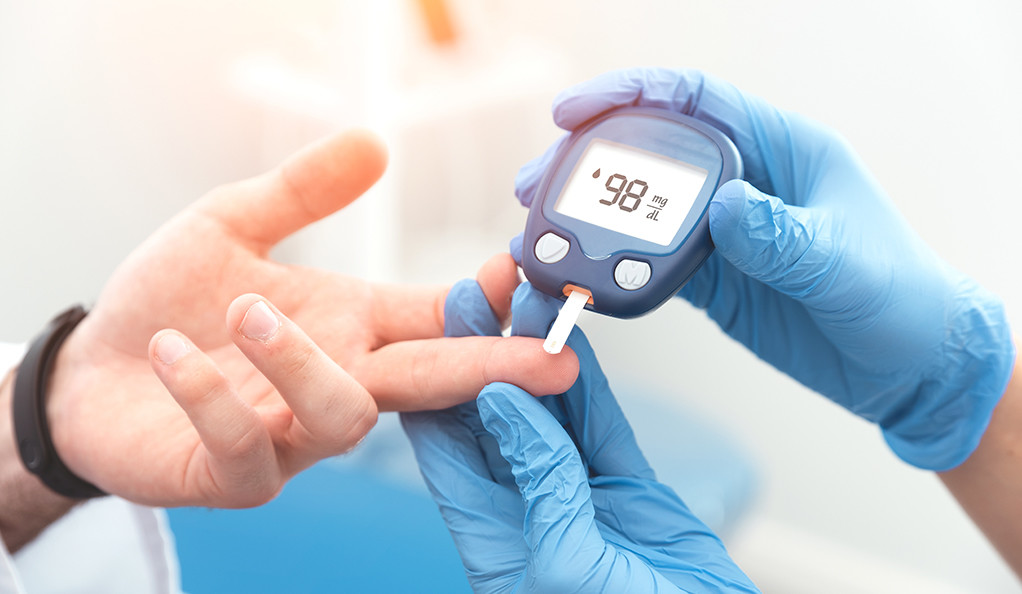
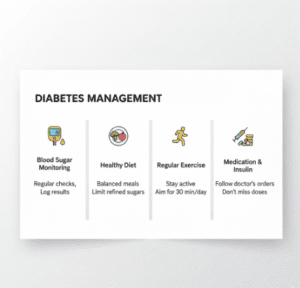
Regularly monitoring blood sugar helps individuals understand how food, activity, stress, and medication affect their blood sugar. Some individuals use finger-stick glucose meters while others use continuous glucose monitoring systems.
Tracking blood sugar levels over time enables more informed decisions about meals, exercise, and medications.
Nutrition and Eating Patterns
The management of diabetes does not require the removal of entire food groups, but it does require an understanding of how carbohydrates affect blood sugar levels. Meals that are balanced and include fiber, protein, and healthy fats will help to slow down glucose absorption.
Improving blood sugar stability can be achieved through consistent meal timing and portion sizes. If individuals are not able to achieve their goals on their own, they can benefit from working with a registered dietitian.
Physical Activity
Regular physical exercise enhances insulin sensitivity, or the body’s ability to use insulin. Additionally, exercise improves cardiovascular health, supports weight control, and promotes emotional and mental well-being.
Even low-intensity activities, like walking, can be substantially beneficial when done regularly.
Medications and Insulin
Some people with diabetes need additional medications to manage and or control hyperglycemia (high blood glucose). Such medications may work by one or more of the following: stimulating the pancreas to secrete more insulin, enhancing insulin activity, delaying the absorption of carbohydrates, or decreasing glucose production in the liver.
Insulin therapy is required for individuals with Type 1 diabetes and, in certain instances, Type 2 diabetes. Fortunately, modern advancements in insulin therapies and delivery systems have rendered treatments easier and more adaptable to one’s lifestyle.
Stress and Sleep
Hormonally-induced stress can lead to hyperglycemia, thus making stress relief a significant form of Diabetes Management self-care. Glucose metabolic control can be further exacerbated by sleep deprivation or poor sleep quality.
Mindfulness practices, adequate sleep, and re-established sleep cycles can ameliorate stress-related blood glucose dysregulation.
Potential Complications
Poorly controlled Diabetes Management can lead to several chronic health complications affecting the cardiovascular system, circulatory system, kidneys, eyes, nervous system, and the body’s defensive system (immune system).
Complications risk includes heart disease, stroke, kidney disease, vision loss, nerve damage, and a higher risk of infection. The good news is that keeping blood sugar levels in target ranges significantly lowers the risk of these outcomes.
Living Well With Diabetes
Although the diagnosis of Diabetes Management can be daunting, people can manage and live whole, active lives. Education, health care, and self-monitoring are all critical for maintaining health.
Diabetes distress can be lessened with the help of health care providers, families, and peer support communities.
When to See a Doctor
Diabetes symptoms and risk factors, such as family history, obesity, and previous gestational diabetes, warrant a conversation with a health care professional. Early diagnosis leads to functional outcomes in managing the condition.
Contact us if you need any medical information, guidance, or support.