
Heart disease remains the leading cause of death worldwide, yet many people do not realize they are at risk until serious complications occur. Often referred to as a “silent” condition, heart disease can develop gradually over years without causing obvious symptoms. By the time warning signs appear, significant damage may already be present.
Heart disease is not a single illness but a broad term that includes several conditions affecting the heart and blood vessels. These conditions are closely linked to high blood pressure, diabetes, and cholesterol disorders, which frequently develop together and amplify one another’s effects.
Understanding how heart disease begins, recognizing early warning signs, and addressing risk factors early can dramatically reduce the risk of heart attack, stroke, and long-term disability.
What Is Heart Disease?
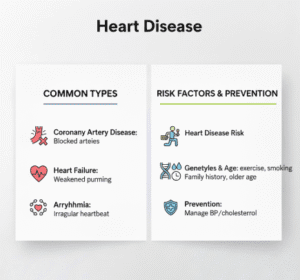
Heart disease, also known as cardiovascular disease, refers to a group of conditions that affect the structure and function of the heart and blood vessels. The most common form is coronary artery disease, which occurs when blood vessels supplying the heart become narrowed or blocked.
Other forms of heart disease include heart rhythm disorders, heart valve disease, heart failure, and congenital heart defects. While these conditions differ in cause and presentation, many share similar risk factors and prevention strategies.
At its core, heart disease develops when blood flow to the heart muscle is reduced or disrupted, depriving the heart of oxygen and nutrients it needs to function properly.
How Heart Disease Develops
Heart disease typically begins with damage to blood vessels. This damage is often caused by a combination of high cholesterol, high blood pressure, chronic inflammation, and metabolic dysfunction.
Over time, cholesterol-rich plaques can build up inside artery walls, a process known as atherosclerosis. As arteries narrow and stiffen, blood flow becomes restricted. In some cases, plaques rupture, triggering blood clots that can suddenly block blood flow, leading to a heart attack or stroke.
Conditions such as diabetes and hypertension accelerate this process by damaging blood vessel lining and increasing inflammation, making plaque formation more likely and more dangerous.
Early Warning Signs of Heart Disease
One of the challenges of heart disease is that early symptoms can be subtle, vague, or easily dismissed. Many people attribute early warning signs to stress, aging, or fatigue.
Chest Discomfort
Chest pain or discomfort is one of the most recognized warning signs, but it does not always feel severe or dramatic. Some people experience pressure, tightness, fullness, or a squeezing sensation rather than sharp pain. Symptoms may come and go, especially during physical exertion or emotional stress.
Shortness of Breath
Difficulty breathing during routine activities or while lying down may signal that the heart is struggling to pump blood efficiently. This symptom can appear before chest pain and is sometimes the primary early sign, especially in women and older adults.
Fatigue and Reduced Exercise Tolerance
Unusual or persistent fatigue can be an early indicator of heart disease. When the heart cannot pump effectively, muscles and organs receive less oxygen-rich blood, leading to exhaustion even after minimal effort.
Pain in Other Areas of the Body
Heart-related pain does not always stay in the chest. Discomfort may radiate to the arms, shoulders, neck, jaw, back, or upper abdomen. These symptoms are more common in women and may be mistaken for muscle pain or digestive issues.
Dizziness, Nausea, or Cold Sweats
Lightheadedness, nausea, or sudden sweating without obvious cause may indicate reduced blood flow to the brain or heart. These symptoms should not be ignored, particularly if they occur alongside chest discomfort or shortness of breath.
Why Heart Disease Often Goes Unnoticed
Heart disease frequently develops silently because plaque buildup and blood vessel damage occur gradually. The body may adapt to reduced blood flow, masking symptoms until a critical event occurs.
Additionally, many early symptoms overlap with less serious conditions, leading people to delay medical evaluation. This is why routine screening and risk assessment are essential, even in the absence of symptoms.
Major Risk Factors for Heart Disease
Heart disease rarely develops in isolation. It is usually the result of several interacting risk factors, many of which are preventable or manageable.
High Blood Pressure and Heart Disease
High blood pressure, or hypertension, is one of the strongest risk factors for heart disease. Elevated blood pressure forces the heart to work harder to pump blood, gradually thickening and weakening the heart muscle.
Hypertension also damages blood vessel walls, making them more susceptible to cholesterol buildup and plaque formation. Over time, this significantly increases the risk of heart attack, stroke, and heart failure.
Because high blood pressure often causes no symptoms, many people are unaware they have it until complications arise.
Cholesterol Disorders and Heart Disease
High levels of LDL cholesterol contribute directly to atherosclerosis. As LDL particles deposit cholesterol into artery walls, plaques form and narrow blood vessels.
Low levels of HDL cholesterol further increase risk by reducing the body’s ability to remove excess cholesterol from the bloodstream. When cholesterol disorders coexist with high blood pressure or diabetes, cardiovascular risk rises sharply.
Managing cholesterol levels is therefore a cornerstone of heart disease prevention.
Diabetes and Heart Disease
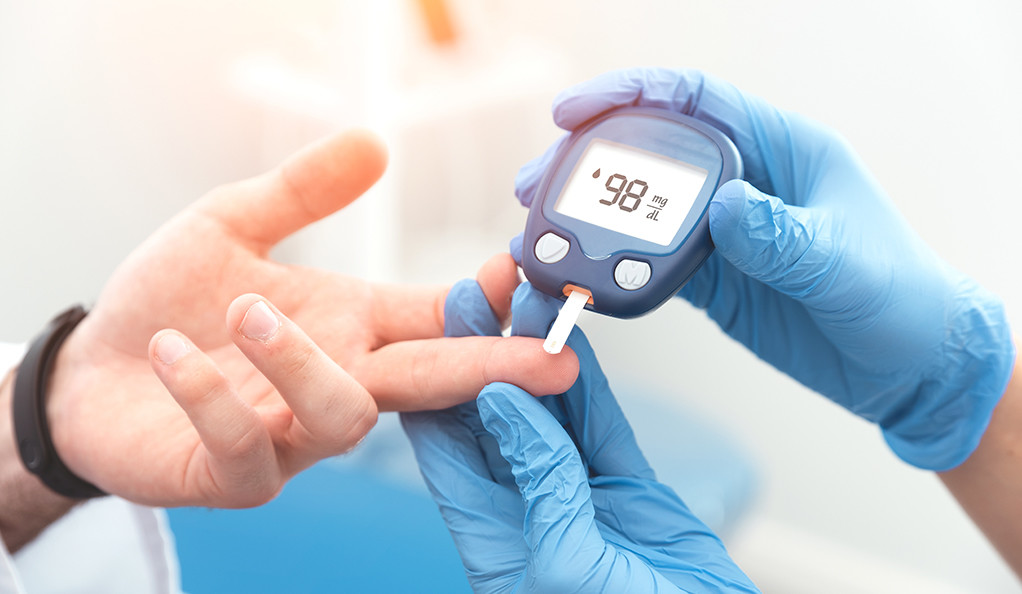
Diabetes significantly increases the risk of heart disease. Elevated blood sugar damages blood vessels and promotes inflammation, accelerating plaque formation.
People with diabetes are also more likely to have high blood pressure and abnormal cholesterol levels, creating a dangerous combination known as cardiometabolic risk. As a result, individuals with diabetes are at much higher risk of heart attacks, often at younger ages.
Importantly, heart disease is the leading cause of death among people with diabetes.
Additional Risk Factors
Other factors that increase heart disease risk include smoking, obesity, physical inactivity, chronic stress, poor sleep, excessive alcohol use, and a family history of cardiovascular disease.
Age and sex also play a role. Risk increases with age, and while men tend to develop heart disease earlier, women’s risk rises significantly after menopause.
How Heart Disease Is Diagnosed
Heart disease is diagnosed using a combination of medical history, physical examination, and diagnostic tests. These may include blood tests to assess cholesterol and blood sugar, blood pressure measurements, electrocardiograms, imaging studies, and stress tests.
Doctors assess overall cardiovascular risk rather than relying on a single test. This comprehensive approach allows for early detection and targeted prevention strategies.
Preventing Heart Disease
Prevention focuses on addressing risk factors before irreversible damage occurs. Even small improvements in cardiovascular health can significantly reduce long-term risk.
Blood Pressure Control
Maintaining healthy blood pressure is essential for protecting the heart. Blood pressure control reduces strain on the heart and prevents damage to blood vessels.
Lifestyle measures such as regular physical activity, stress management, and consistent sleep patterns support healthy blood pressure. In many cases, medication is necessary and highly effective.
Managing Cholesterol Levels
Lowering LDL cholesterol and improving overall lipid balance reduces plaque buildup and stabilizes existing plaques, making them less likely to rupture.
Cholesterol management may involve lifestyle changes, medications, or a combination of both, depending on individual risk factors.
Diabetes Prevention and Management
Preventing or effectively managing diabetes plays a major role in heart disease prevention. Blood sugar control reduces inflammation and protects blood vessels.
Early diagnosis, regular monitoring, and coordinated care significantly lower cardiovascular risk in people with diabetes.
Physical Activity and Heart Health
Regular movement strengthens the heart muscle, improves circulation, lowers blood pressure, and enhances insulin sensitivity. The benefits of physical activity extend beyond weight loss and are seen even when body weight does not change.
Consistency matters more than intensity. Activities that can be maintained long term provide the greatest cardiovascular benefit.
Stress, Sleep, and Emotional Health
Chronic stress and poor sleep increase heart disease risk by elevating stress hormones and promoting inflammation. Addressing mental and emotional health is an important but often overlooked aspect of heart disease prevention.
Relaxation techniques, adequate sleep, and mental health support contribute to long-term cardiovascular health.
Living With Heart Disease
For those already diagnosed, heart disease management focuses on slowing progression, preventing complications, and maintaining quality of life. With proper medical care and lifestyle support, many people live long, active lives with heart disease.
Ongoing monitoring, medication adherence, and regular follow-up are essential components of effective management.
When to Seek Medical Care
Immediate medical attention is necessary for symptoms such as chest pain, shortness of breath, fainting, or sudden weakness. Early evaluation can be life-saving.
Routine checkups are equally important, especially for individuals with risk factors such as high blood pressure, diabetes, high cholesterol, or a family history of heart disease.
Frequently Asked Questions (FAQs)
- What are the earliest warning signs of heart disease?
Early signs of heart disease can include chest discomfort, shortness of breath, unusual fatigue, reduced exercise tolerance, and pain in the arms, neck, jaw, back, or upper abdomen. These symptoms may be mild or intermittent and are often mistaken for stress or aging, which is why they should be evaluated promptly. - Can heart disease develop without obvious symptoms?
Yes. Heart disease often develops silently over many years. Plaque buildup in arteries and damage to blood vessels can progress without noticeable symptoms until a heart attack, stroke, or heart failure occurs. Regular screening is essential, even for people who feel well. - Who is most at risk for heart disease?
People with high blood pressure, high LDL cholesterol, diabetes, obesity, or a family history of heart disease have a higher risk. Smoking, physical inactivity, chronic stress, poor sleep, and aging also significantly increase cardiovascular risk. - How are heart disease and conditions like diabetes or high blood pressure connected?
Diabetes, high blood pressure, and cholesterol disorders damage blood vessels and accelerate plaque formation. When these conditions occur together, they greatly amplify the risk of heart attacks and strokes. Managing all risk factors together provides the strongest protection. - Can heart disease be prevented or reversed?
While some damage may be permanent, heart disease is largely preventable and its progression can often be slowed. Controlling blood pressure, cholesterol, and blood sugar—along with regular physical activity, stress management, and medical treatment—can significantly reduce complications and improve long-term outcomes.
Key Takeaways
Heart disease is a common but largely preventable condition that develops over time due to damage to blood vessels and the heart. Early warning signs are often subtle, making regular screening essential.
High blood pressure, cholesterol disorders, and diabetes are tightly linked to heart disease and significantly increase risk when left unmanaged. Prevention focuses on early detection, risk factor control, and long-term lifestyle and medical support.
Understanding heart disease empowers individuals to take proactive steps toward protecting their heart health and overall well-being.