
High Blood Pressure Prevention Guide
Hypertension is an essential global public health challenge due to its significant impact. Termed the “silent killer”, it is the most prevalent health condition in the world and receives very little attention because it develops without symptoms. Nonetheless, it contributes substantially to disease burden through myriad serious complications, increasing the risk of heart disease, stroke, kidney failure, and an assortment of other health complications.
The risk associated with high blood pressure is that it frequently goes undiagnosed, putting individuals at risk without their knowledge. Consequently, since hypertension’s consequences affect an individual’s health status, it is necessary to understand what hypertension is, explain its causes, and identify which lifestyle interventions can be effective in its management.

What Is Hypertension?
Hypertension is an elevated blood pressure in the arteries, caused by the heart pumping blood too forcefully. Blood pressure is expressed as two numbers that indicate the pressure on the vessel walls and the pressure on the heart. The first, systolic pressure, represents the force of the blood against the arterial walls when the heart is beating. The second, diastolic pressure, represents the pressure within the arteries when the heart is not beating.
Keeping all of this in context, normal blood pressure is considered to be below 120/80 mmHg. Hypertension is established as a diagnosis when, over a significant period of time, blood pressure on at least two occasions is documented at a level higher than usual.
Blood pressure is at high levels. This causes the heart and blood vessels to work harder. Over time, the heart and blood vessels can become permanently damaged.
Classification of Hypertension
Hypertension is categorized into two major groups based on its causes.
Primary (Essential) Hypertension
Primary hypertension is the most prevalent kind. It builds over several years, but there is no single main reason. Instead, a mix of genetic predisposition, environment, lifestyle, and demographics contributes to the development of the condition.
Factors such as consuming excess salt, being overweight, being chronically stressed, and performing little to no physical activity are all significant contributors to primary hypertension.
Secondary Hypertension
Secondary hypertension is the result of other medical illnesses or medications and appears more suddenly than primary hypertension. It is less common, but also more dangerous, as it is frequently associated with more severe hypertension.
Secondary hypertension is less common but more dangerous, as it is often associated with more severe cases of hypertension. It is frequently caused by medical conditions such as sleep apnea, kidney disease, or certain hormonal diseases such as Cushing’s syndrome. Certain medications, such as some birth control pills and corticosteroids, can also cause it.
For some, simply relieving the problem that is causing it can significantly improve control of their hypertension.
Common Symptoms of Hypertension
Hypertension is particularly dangerous because it is frequently asymptomatic. Individuals can have hypertension for years without their knowledge and can be at significant health risks without even experiencing any symptoms.
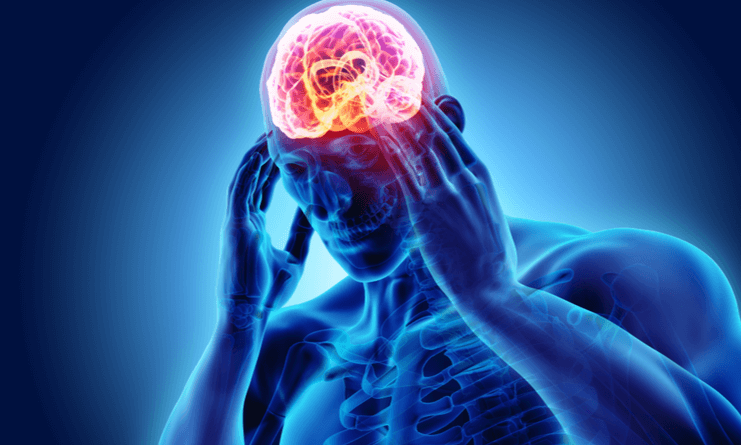
Headaches, dizziness, shortness of breath, chest pain, vision issues, and/or nosebleeds may be warning signs of high blood pressure. These symptoms are only seen when blood pressure is dangerously high and require urgent medical attention.
Because specific symptoms cannot be relied on, it is crucial to monitor blood pressure regularly.
How is High Blood Pressure Identified and Diagnosed?
The diagnosis of hypertension is based on the accumulation of blood pressure readings over time from multiple distinct sessions. It typically requires more than one reading to make a diagnosis, as blood pressure may be elevated due to stress, illness, or exercise.
To help confirm elevated blood pressure, a healthcare professional may suggest that the patient measure their blood pressure at home or obtain a take-home blood pressure monitor. This is to verify that the patient does not have white-coat hypertension, in which blood pressure readings are elevated only when taken in a doctor’s office.
Hypertension Risk Factors and Potential Causes
The development of high blood pressure is not the result of a single cause, but a complex interaction of multiple factors that alter the body’s system for regulating blood volume and the function of blood vessels.
The impact of age is especially significant because blood vessels become less flexible. Family history and genetics also strongly influence risk.
The impact of lifestyle on high blood pressure is one of the strongest. Factors such as a diet high in sodium and low in potassium, low levels of exercise, smoking, and a diet that promotes excessive weight, as well as high levels of stress and low-quality sleep, are all significant factors in the development of hypertension.
Some health conditions, such as sleep apnea, diabetes, and kidney disease, also increase the risk.
Why is Hypertension Dangerous?
If left untreated, high blood pressure can eventually damage the artery walls. The arteries then become stiff and narrow. This reduces blood flow to vital organs and increases the risk of serious health issues.
The heart could also become enlarged or weakened as a result of the increased workload, which could eventually result in heart failure. If blood vessels in the brain are damaged, this could result in blood flow issues, strokes, and cognitive decline. The kidneys can also lose their ability to filter waste effectively, and damage to the blood vessels in the eyes can result in vision problems.
The seriousness of these issues is often underestimated because they develop with little to no outward symptoms. This emphasizes the need to identify and manage the condition early.
Managing High Blood Pressure
Though hypertension is a common condition, it is also one of the most manageable chronic conditions. A combination of lifestyle changes and, if necessary, medication is the most common treatment approach.
Changes in Lifestyle
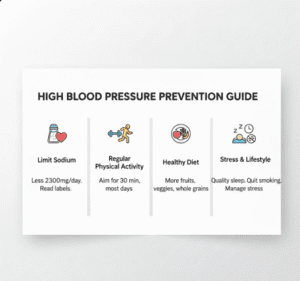
Changes to one`s diet are a crucial aspect of managing blood pressure. An important step is to reduce sodium intake, which helps prevent fluid retention and lowers blood pressure. A diet rich in a variety of fruits, vegetables, and whole grains, along with lean proteins, will promote cardiovascular health.
Exercise enhances cardiac muscle and arterial pliability. Even low-level aerobic activities, such as walking briskly for 30 minutes a day, can make a positive difference in managing high blood pressure.
It is also beneficial to maintain a healthy weight to reduce the impact on the heart, and to limit alcohol consumption or to quit smoking for additional blood vessel-protective measures.
Additional crucial components include managing chronic stress. It promotes hormonal activity that elevates blood pressure. Relaxation methods, sufficient sleep, and mindfulness can alleviate these impacts.
Medications
Prescribing medication becomes an option when making lifestyle changes has proven inadequate. There are various categories of medicines used to treat high blood pressure that work in unique ways to relax blood vessels, reduce the body’s fluid volume, or lower the heart rate.
Some individuals may need to take multiple blood pressure medications to adequately control their blood pressure within the prescribed limits. It is essential to be compliant in medication use and to discuss potential side effects and issues with the prescribing physician.
Preventing High Blood Pressure
Lowering high blood pressure largely depends on positive, health-affirming lifestyle choices, particularly those made in the formative years. Active participation in regular exercise, a nutritious diet, and periodic adherence to preventive health measures helps identify elevated blood pressure that is likely to be chronic. Making an effort to reduce high-processed food consumption, stress, body weight, and eliminating tobacco use will quickly decrease the risk for high blood pressure. Over extended periods, even minor, consistent alterations can create significant differences.
Living with Hypertension
Being diagnosed with high blood pressure does not mean the loss of a good quality of life. Several individuals living with hypertension manage the condition and avoid complications through proper ongoing care and adaptive healthy living.
Home monitoring of blood pressure, regular attendance at medical appointments, active engagement with their condition, and efforts to understand it enable individuals to take control of their health. Sustained long-term management is achievable with the ongoing support of medical professionals and personal support circles.
When to See a Doctor
All individuals with consistently high blood pressure readings should seek the advice of a health care provider. Extremely high blood pressure accompanied by symptoms such as chest pain, a severe headache, or the inability to catch one’s breath should prompt one to seek immediate medical care. To prevent long-term damage, early diagnosis and treatment are essential.
Contact us if you need any medical information, guidance, or support.