
Sleep is essential for nearly every function in the body, yet sleep disorders are increasingly common across all age groups. Insomnia and other sleep-related conditions affect millions of people worldwide, often interfering with daily functioning, mental health, and long-term physical well-being.
Sleep disorders are not simply about feeling tired. Chronic sleep disruption is closely linked to anxiety, depression, thyroid disorders, cardiovascular disease, and metabolic problems. Poor sleep can both contribute to these conditions and worsen their symptoms, creating a cycle that is difficult to break without proper treatment.
This article explains what insomnia and sleep disorders are, why they occur, how they affect the body and mind, their connection to mental health and thyroid function, and the treatment options available.
What Are Sleep Disorders?
Sleep disorders are conditions that disrupt the quality, timing, or duration of sleep, affecting a person’s ability to function during the day. They may involve difficulty falling asleep, staying asleep, waking too early, or experiencing unrefreshing sleep despite adequate time in bed.
While occasional sleep problems are normal, sleep disorders are diagnosed when symptoms occur regularly and interfere with daily life, mood, concentration, or physical health.
Understanding Insomnia
Insomnia is the most common sleep disorder. It is characterized by persistent difficulty falling asleep, staying asleep, or waking up too early and being unable to return to sleep.
Insomnia can be short-term, lasting days or weeks, often triggered by stress or illness. Chronic insomnia lasts for three months or longer and occurs at least several nights per week. Chronic insomnia is more likely to be associated with underlying medical or mental health conditions.
Insomnia is not defined by the number of hours slept alone. Many people with insomnia spend enough time in bed but still feel unrested, fatigued, or mentally foggy during the day.
Other Common Sleep Disorders
While insomnia is the most widely recognized, several other sleep disorders can significantly affect health.
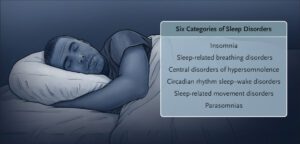
Sleep apnea involves repeated pauses in breathing during sleep, leading to fragmented sleep and low oxygen levels. Restless legs syndrome causes uncomfortable sensations in the legs and an urge to move them, often worsening at night. Circadian rhythm disorders occur when the body’s internal clock is misaligned with the external environment, leading to difficulty sleeping at conventional times.
These conditions may coexist with insomnia or mimic its symptoms, making accurate diagnosis important.
Symptoms of Insomnia and Sleep Disorders
Sleep disorders affect both nighttime sleep and daytime functioning. Symptoms often develop gradually and may be overlooked or attributed to stress or aging.
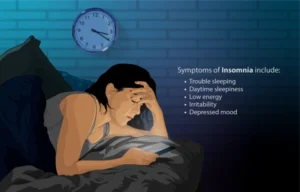
Common nighttime symptoms include difficulty falling asleep, frequent awakenings, waking too early, or sleep that feels light and unrefreshing. During the day, people may experience fatigue, irritability, difficulty concentrating, memory problems, headaches, or reduced motivation.
Mood changes are particularly common, as sleep plays a critical role in emotional regulation.
Why Sleep Is Essential for Health
Sleep is a highly active process during which the brain and body perform essential maintenance tasks. During sleep, the brain consolidates memories, regulates emotions, and clears metabolic waste products. The body repairs tissues, balances hormones, and supports immune function.
When sleep is consistently disrupted, these processes are impaired. Over time, chronic sleep deprivation increases the risk of mental health disorders, cardiovascular disease, metabolic dysfunction, and weakened immune response.
Causes of Insomnia and Sleep Disorders
Sleep disorders rarely have a single cause. They usually develop from a combination of biological, psychological, and environmental factors.
Stress and Hyperarousal
One of the most common contributors to insomnia is chronic stress. Stress activates the body’s fight-or-flight response, increasing levels of cortisol and adrenaline. These hormones promote alertness and make it difficult to relax and fall asleep.
Over time, the brain may associate the bed with wakefulness and anxiety, reinforcing insomnia even after the original stressor has resolved.
Anxiety and Sleep Disorders
Anxiety disorders are strongly linked to insomnia. Excessive worry, racing thoughts, and heightened alertness can prevent the mind from settling at night.
Sleep loss, in turn, worsens anxiety symptoms by increasing emotional reactivity and reducing the brain’s ability to regulate fear responses. This bidirectional relationship often leads to a cycle in which anxiety disrupts sleep and poor sleep intensifies anxiety.
Depression and Sleep Disturbances
Depression commonly affects sleep, but its impact varies. Some individuals experience insomnia, while others sleep excessively but still feel unrefreshed.
Changes in sleep architecture, reduced deep sleep, and altered circadian rhythms are common in depression. Persistent sleep problems may be an early warning sign of depression or a factor that prolongs recovery if left untreated.
Thyroid Disorders and Sleep
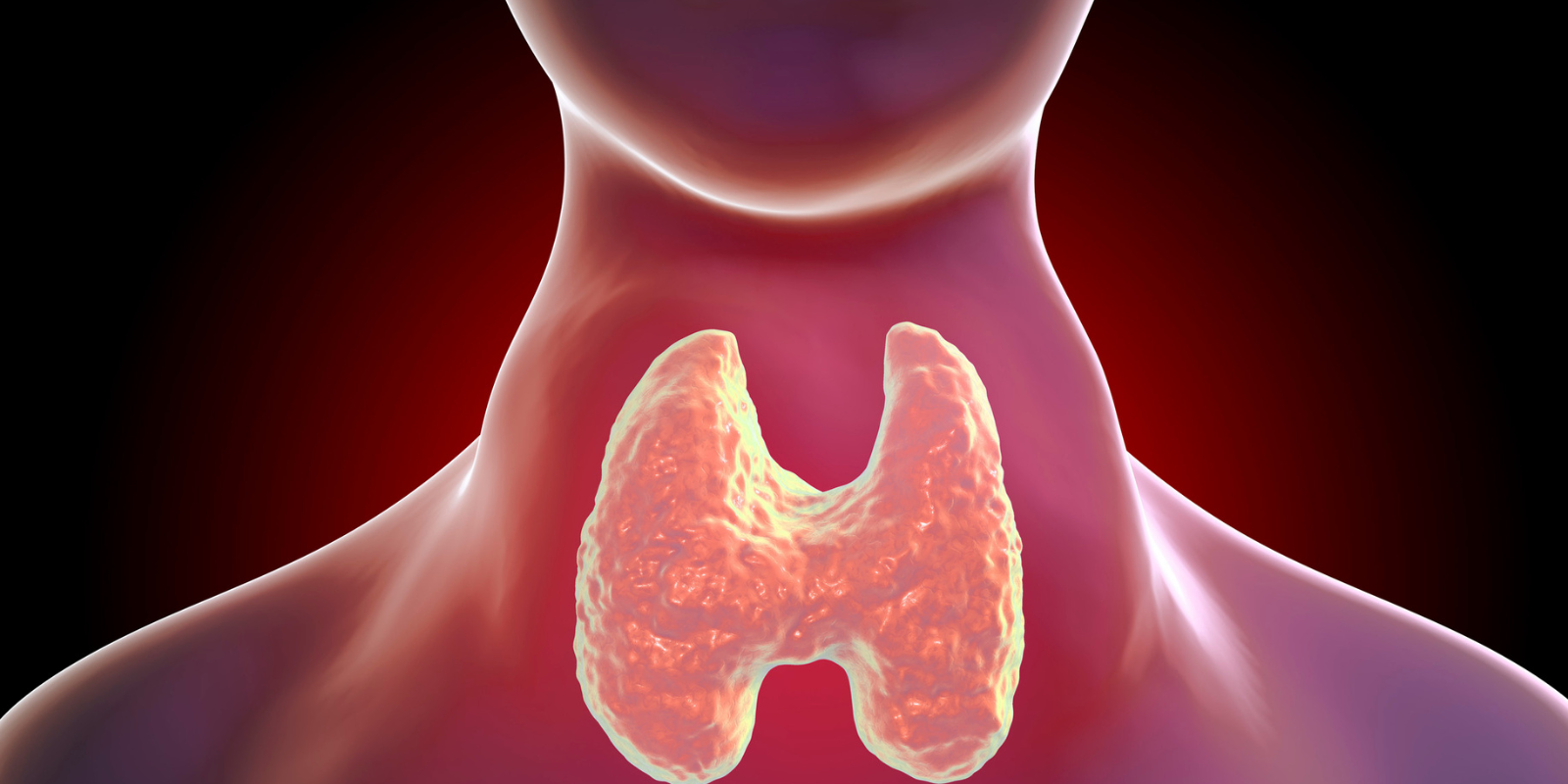
Thyroid hormones play a critical role in regulating metabolism, energy levels, and nervous system activity. Both overactive and underactive thyroid conditions can disrupt sleep.
Hyperthyroidism may cause insomnia, restlessness, night sweats, and increased heart rate, making it difficult to relax at night. Hypothyroidism, while often associated with fatigue, can also interfere with sleep quality due to discomfort, breathing issues, or mood changes.
Addressing thyroid imbalances is often essential for resolving sleep problems.
Medical Conditions That Affect Sleep
Chronic pain, gastrointestinal disorders, respiratory conditions, hormonal changes, and neurological disorders can all interfere with sleep. Medications used to treat these conditions may also affect sleep patterns.
Identifying and managing underlying medical causes is a key step in effective sleep disorder treatment.
How Sleep Disorders Are Diagnosed
Diagnosis begins with a detailed medical and sleep history. Healthcare providers assess sleep patterns, daytime symptoms, lifestyle factors, and mental health.
Sleep diaries, questionnaires, and wearable sleep trackers may provide additional insight. In some cases, overnight sleep studies are used to diagnose conditions such as sleep apnea or movement disorders.
Accurate diagnosis ensures that treatment addresses the root cause rather than just the symptoms.
Treatment Options for Insomnia and Sleep Disorders
Treatment depends on the type and cause of the sleep disorder, as well as the individual’s overall health.
Cognitive Behavioral Therapy for Insomnia (CBT-I)
Cognitive behavioral therapy for insomnia is considered the first-line treatment for chronic insomnia. CBT-I focuses on changing unhelpful thoughts and behaviors related to sleep, reducing nighttime anxiety, and strengthening healthy sleep patterns.
Unlike medications, CBT-I addresses the underlying mechanisms of insomnia and has long-lasting benefits.
Medications for Sleep Disorders
Sleep medications may be used short term or in specific situations. These include prescription sleep aids, medications targeting anxiety or depression, and treatments for underlying conditions such as restless legs syndrome or sleep apnea.
Medication use is typically individualized and closely monitored to minimize side effects and dependency.
Addressing Anxiety and Depression
Treating coexisting anxiety or depression often improves sleep quality. Therapy, medication, or a combination of both may be recommended depending on symptom severity.
Improved mental health supports healthier sleep, while better sleep enhances emotional resilience.
Treating Thyroid and Hormonal Imbalances
When sleep disorders are linked to thyroid disease or other hormonal conditions, correcting the underlying imbalance is essential. Appropriate medical treatment often leads to gradual improvement in sleep quality.
Lifestyle and Sleep Hygiene Support
Lifestyle adjustments support medical and psychological treatments. Consistent sleep schedules, reduced evening stimulation, and creating a calm sleep environment help reinforce healthy sleep patterns.
These strategies are most effective when combined with targeted treatment rather than used alone.
Living With a Sleep Disorder
Chronic sleep disorders can significantly affect quality of life, relationships, and productivity. However, with proper diagnosis and treatment, most people experience meaningful improvement.
Managing sleep disorders often requires patience and a comprehensive approach that addresses both physical and mental health.
When to See a Doctor
Medical evaluation is important if sleep problems persist for more than a few weeks, interfere with daily functioning, or are accompanied by symptoms of anxiety, depression, thyroid disease, or breathing disturbances during sleep.
Early intervention improves outcomes and reduces the risk of long-term complications.
Frequently Asked Questions (FAQs)
- What is the difference between occasional sleep problems and insomnia?
Occasional sleep difficulties are common and often related to temporary stress or lifestyle changes. Insomnia is diagnosed when difficulty falling asleep, staying asleep, or waking too early occurs regularly for weeks or months and interferes with daytime functioning, mood, or concentration. - Can anxiety or depression really cause sleep disorders?
Yes. Anxiety and depression are strongly linked to sleep disorders. Anxiety can keep the brain in a state of alertness that prevents sleep, while depression can disrupt sleep timing and quality. Poor sleep, in turn, worsens symptoms of both conditions, creating a reinforcing cycle. - How do thyroid disorders affect sleep?
Thyroid hormones regulate metabolism and nervous system activity. An overactive thyroid can cause restlessness, rapid heart rate, and insomnia, while an underactive thyroid can disrupt sleep quality through fatigue, mood changes, or breathing issues. Treating thyroid imbalances is often essential for improving sleep. - What is the most effective treatment for chronic insomnia?
Cognitive behavioral therapy for insomnia (CBT-I) is considered the most effective first-line treatment for chronic insomnia. It helps change sleep-related thoughts and behaviors, reduce nighttime anxiety, and improve sleep quality over time without the risks associated with long-term medication use. - When should someone seek medical help for sleep problems?
Medical evaluation is recommended if sleep problems last longer than a few weeks, affect daily performance, or occur alongside symptoms such as anxiety, depression, loud snoring, breathing pauses during sleep, or unexplained weight or energy changes.
Key Takeaways
Insomnia and sleep disorders are common conditions with wide-ranging effects on physical and mental health. They are closely linked to anxiety, depression, and thyroid disorders, often reinforcing one another in complex ways.
Effective treatment focuses on identifying underlying causes, addressing mental and physical health, and supporting healthy sleep patterns. With appropriate care, restful and restorative sleep is achievable for most people.