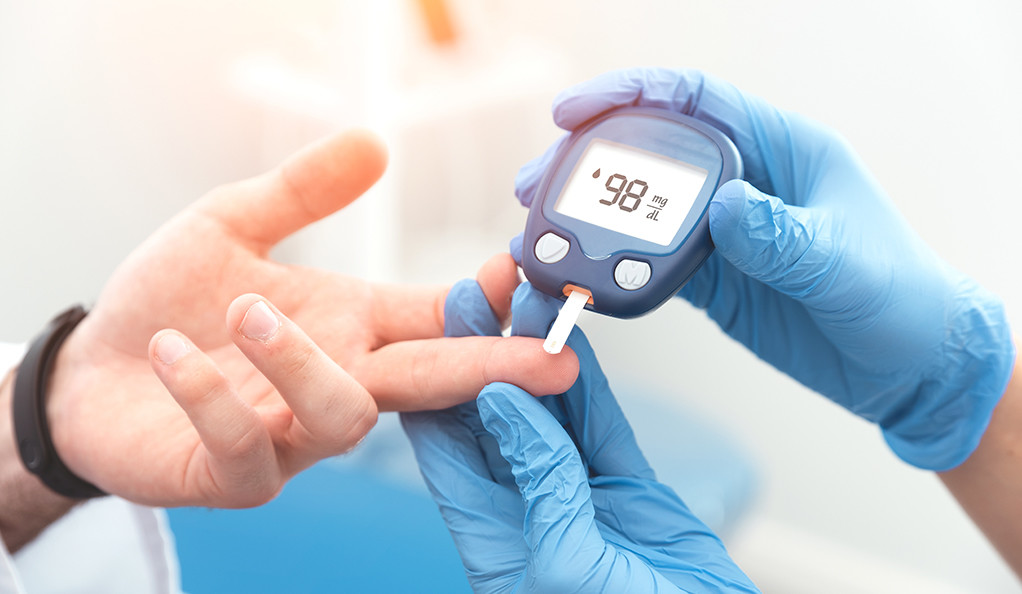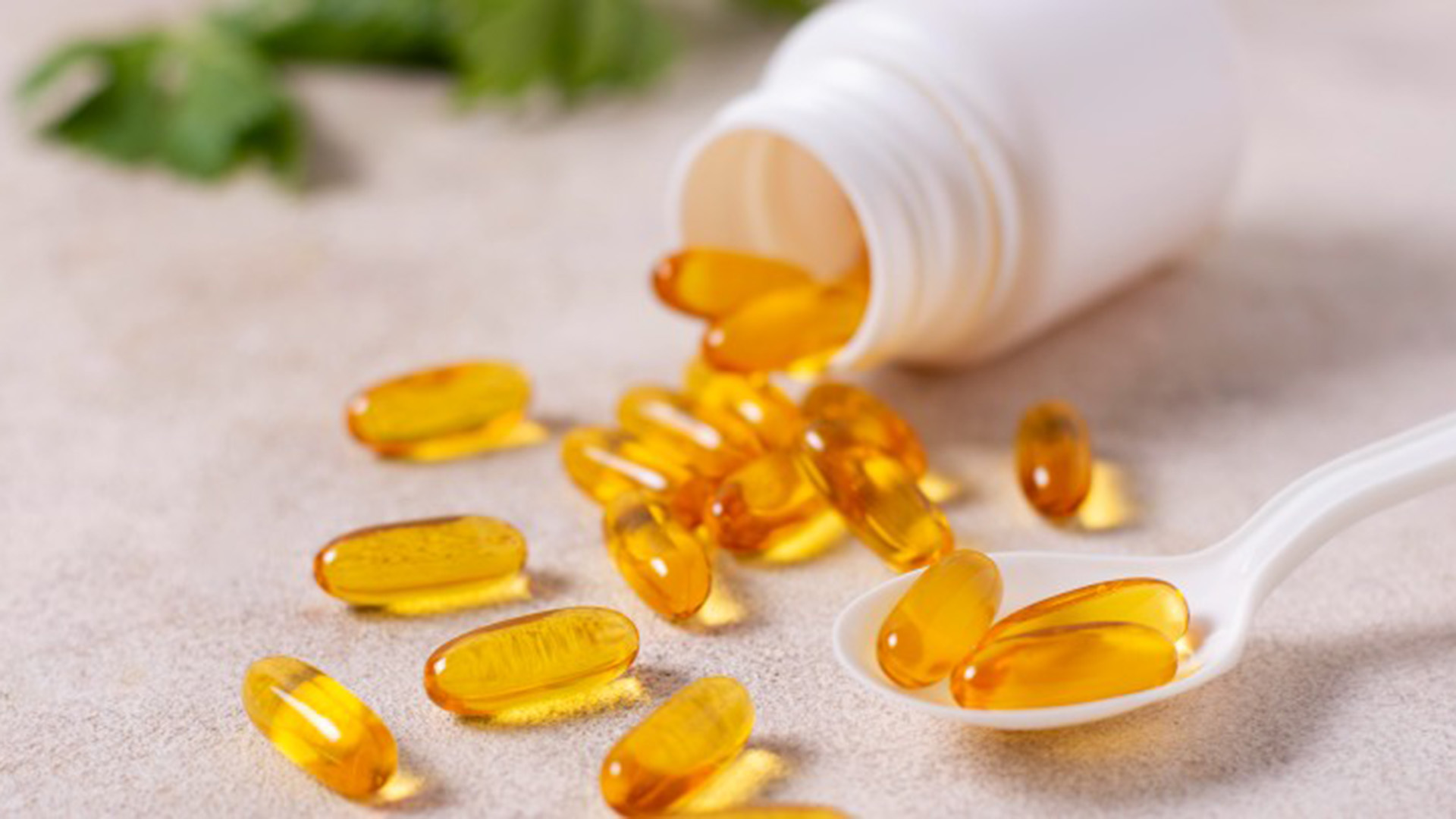

We have all stood in the pharmacy aisle, staring at rows of prescription medications and shelves full of dietary supplements, wondering which path to take for our long-term health. When comparing medicine vs supplements, it often feels like a modern-day tug of war.
On one side, you have big pharma’s tested drugs, backed by years of clinical trials and Food and Drug Administration (FDA) approval. These are not your average over-the-counter fixes; they are the heavy hitters, designed to treat, cure, or manage serious conditions—with side effects that often read like a horror-novel disclaimer.
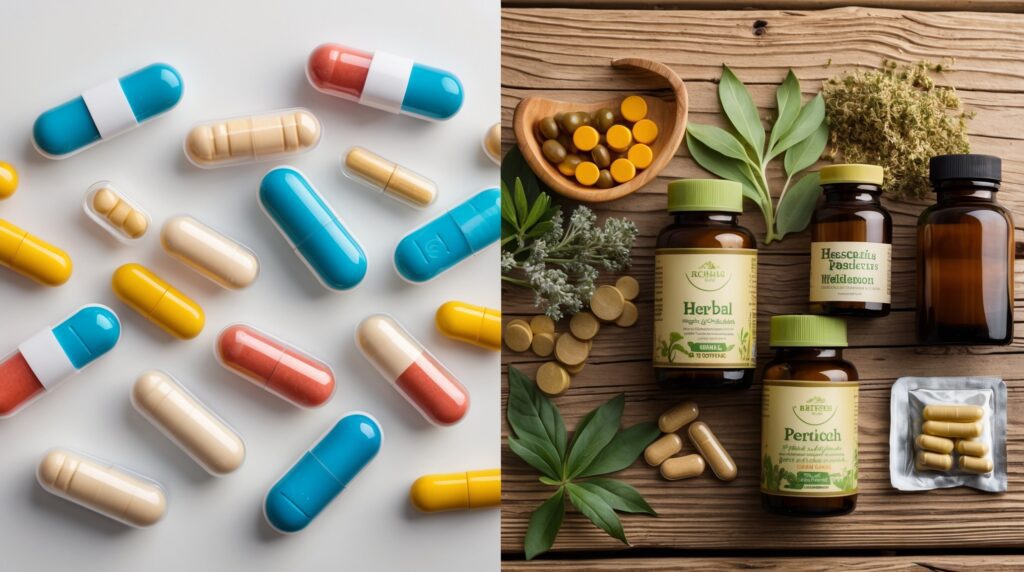 Meanwhile, the supplement world paints a very different picture—one where nature appears to hold all the answers. While all multivitamins are supplements, not all supplements are multivitamins—supplements can include single vitamins, minerals, herbs, or protein powders, each serving different health purposes. Walk down any health-store aisle and you’ll see vitamin jars with cheerful designs, herbal blends showcasing centuries-old remedies, and protein supplements claiming to solve every health condition. This contrast between medicine vs supplements is what confuses most people.
Unlike medication, these products skip the series of approval tests. Some work wonders when used correctly (shout-out to vitamin D for those living in sun-deprived cities). Others? Well, let’s just say “natural” does not always mean “safe”—especially when mixed with prescriptions or taken like candy.
So, who wins in this showdown of medicine vs supplements?
This article is not picking sides; it is about arming you with facts. We’ll dissect the fine print on safety, what actually works, and what is just clever marketing.
Regulatory Oversight: Pharmaceuticals vs. Supplements
The Strict Approval Process for Medicines
Picture this: a potential new drug enters the pharmacy. First, it survives the early screening—months of petri-dish experiments and animal testing. Then comes the real challenge: human trials.
 Phase I tests healthy volunteers to identify immediate red flags.
Phase II recruits actual patients to determine the optimal dose—not too much, not too little.
Phase III expands the study to thousands of participants across dozens of hospitals.
Even after this marathon, the FDA continues monitoring through Phase IV (post-marketing surveillance).
The statin drugs your cardiologist recommends to lower cholesterol only earned their place on pharmacy shelves after years of rigorously proving their safety and effectiveness within the broader medicine vs supplements debate.
Looser Regulations for Dietary Supplements
Meanwhile, the supplement industry operates under completely different rules. Thanks to the 1994 DSHEA law, supplements can reach store shelves without proving they work—they only need to pass basic safety parameters.
Manufacturers cannot knowingly sell dangerous products, but the burden of proof falls backward—regulators must demonstrate harm after the product is already being sold.
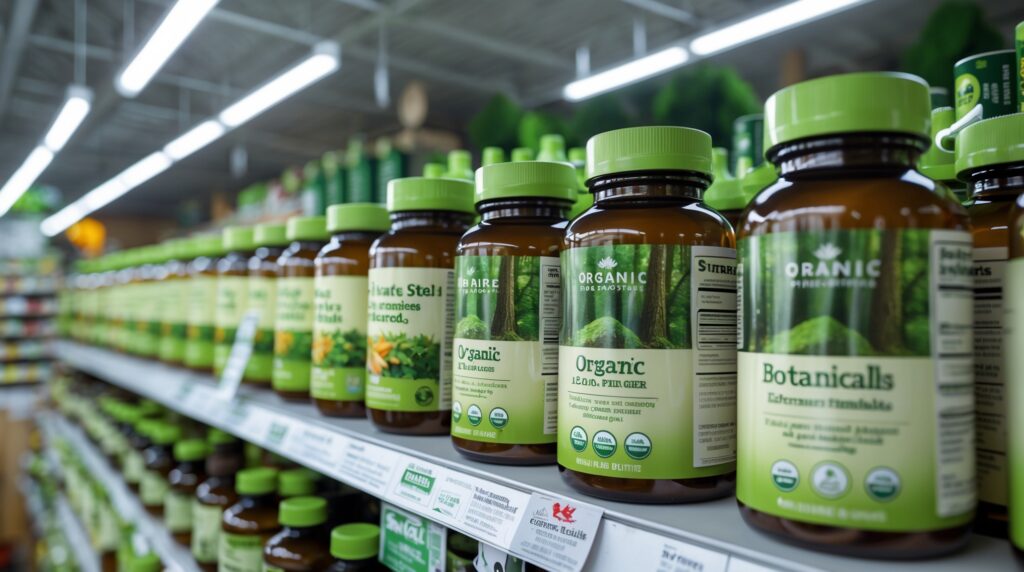 This hands-off approach has caused predictable issues:
-
Some herbal products contain contaminants.
-
Others, like vitamin A, can become dangerous when taken in high or uncontrolled amounts.
-
With no standardized dosing, consumers essentially become unofficial test subjects.
This difference in regulatory rigor is a major factor in understanding medicine vs supplements.
Efficacy: Evidence-Based Medicines vs. Variable Supplement Benefits
Why Prescription Medications Deliver Results
When your doctor prescribes medication, you are getting more than just a pill—you are receiving a treatment fine-tuned through decades of research. These medications act like precision tools, each targeting a specific condition with proven outcomes.
 For example:
-
ACE inhibitors: Real-world studies show they significantly reduce stroke and heart-attack risk.
-
Metformin: Not just another diabetes drug—research confirms its benefits extend beyond blood-sugar control.
What makes these medicines different?
They don’t just work in ideal lab conditions—they consistently prove their worth in real patients’ lives, year after year. This is one reason many doctors lean toward medications over supplements for serious health concerns.
The Supplement Science Gap
The supplement aisle can be overwhelming. While some supplements offer real benefits, many rely more on marketing than solid scientific evidence.
Examples:
-
Vitamin D and calcium can be bone savers for people with deficiencies -that’s well documented.
-
Omega-3 fatty acids benefits are mixed—some studies show heart improvements, others show little effect. While Omega-3 fatty acids may offer cardiovascular benefits, it’s important to refer to proven Omega-3 benefits before choosing a supplement.
-
Many herbal remedies lack strong efficacy evidence.
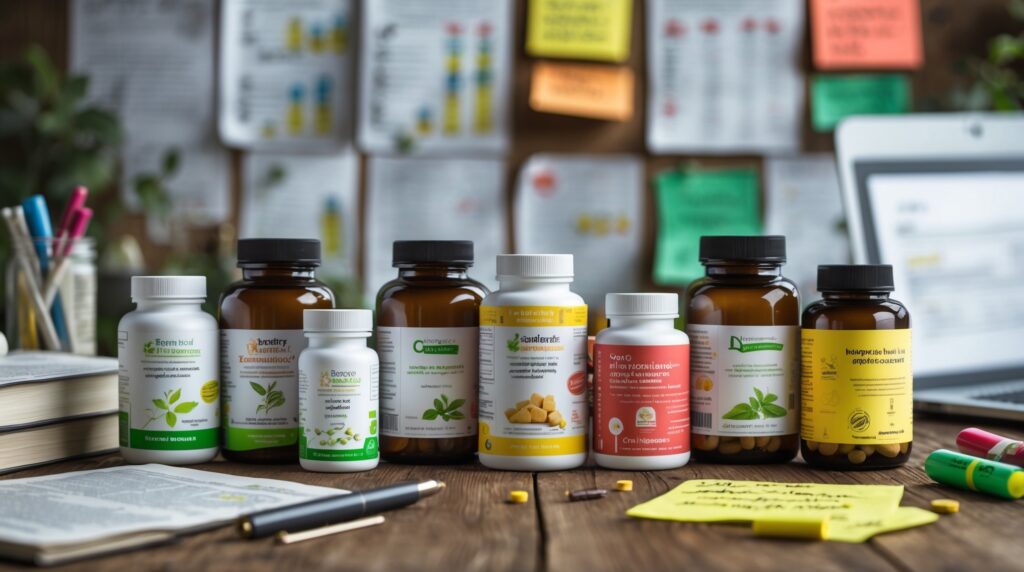 It is not that supplements are all useless—it’s that we often don’t have enough high-quality research to say confidently:
✔ What works
✔ For whom
✔ At what dose
✔ For how long
This uncertainty is a major reason the medicine vs supplements debate continues. While some supplements do deliver real benefits, it’s always best to focus on science-backed supplements that are proven to support health effectively.”
Long-Term Safety Concerns
Known Side Effects of Chronic Medication Use
We’ve all reached for painkillers one time too many, but here’s the truth:
-
NSAIDs (painkillers): Long-term use can erode stomach lining, causing bleeding.
-
Acid reducers (PPIs): Chronic use can lead to magnesium, vitamin B1, and calcium deficiencies.
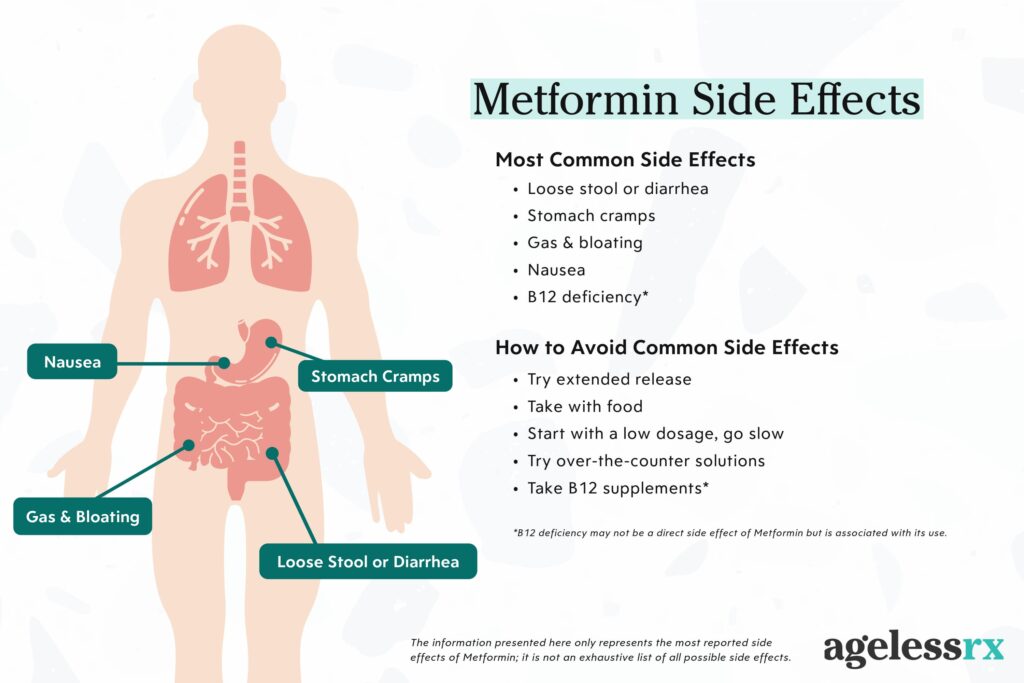 The balance is tricky. The benefits often outweigh the risks—but only when used properly.
Every medication comes with trade-offs. Work with your doctor to determine the lowest effective dose for the shortest necessary time, and always watch for warning signs.
Hidden Risks of Supplements
The comforting belief that “natural equals safe” has caused real harm in the world of supplements vs medicine.
Examples:
-
Kava tea has sent healthy individuals to the hospital with severe liver damage.
-
High doses of antioxidant vitamins have been linked to increased mortality in some studies.
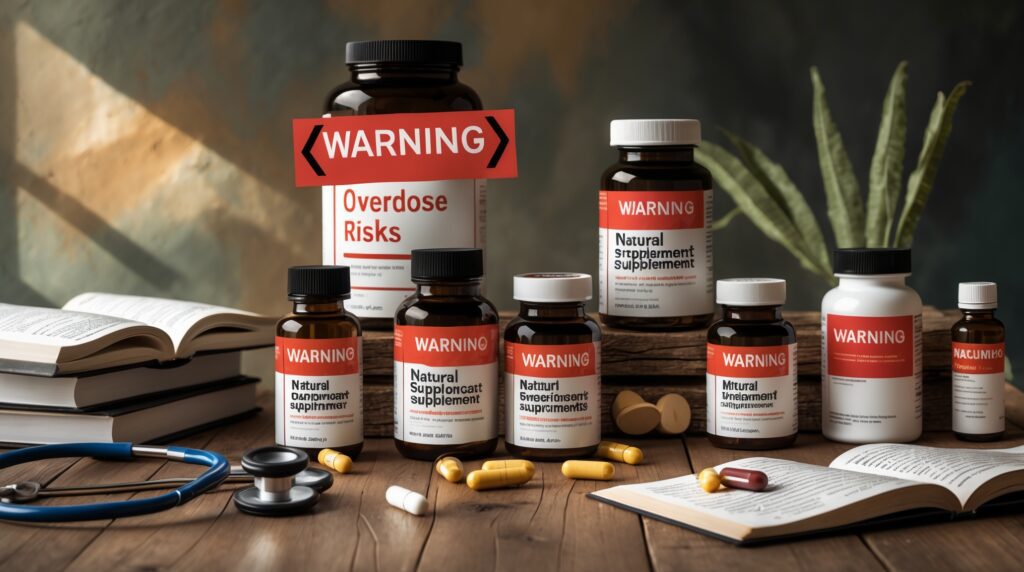 It’s important to distinguish between supplements with proven effects and those without clear evidence; for example, probiotics for gut and immune health have well-documented benefits.
Bottom line:
Natural products are still biologically active substances. Treat them with the same caution as prescription drugs—because your body does. Many herbal blends may promise relief, but it’s crucial to review herbal supplement risks and benefits before using them regularly.
Personalized Medicine vs. Self-Medication with Supplements
Tailored Drug Therapies Based on Medical History
Modern medicine has moved beyond the “one pill fits all” era. Doctors now tailor treatments based on your unique health profile:
-
Age
-
Body size
-
Medical history
-
Other medications
-
Genetic makeup
For example, dosing warfarin using genetic testing helps prevent dangerous bleeding complications while ensuring proper medication function.
Risks of Unsupervised Supplement Use
Taking supplements without guidance is like playing pharmacist without a license—a risky move.
Examples:
-
Iron toxicity occurs when people take supplements without realizing their levels are already normal or high.
-
Some herbal blends can temporarily make you feel better while masking serious conditions.
Some herbal supplements can mask symptoms, delaying proper diagnosis, which is why checking evidence on herbal remedies with your doctor is recommended.
Smart supplement use means checking with your doctor first—especially when comparing medicine vs supplements for safety.
When to Prefer One Over the Other
For serious health issues needing strong, fast-acting treatment—like infections, diabetes, or heart disease—prescription medicines are the clear choice in the medicine vs supplements discussion. They are designed to hit specific target in your body with precision.
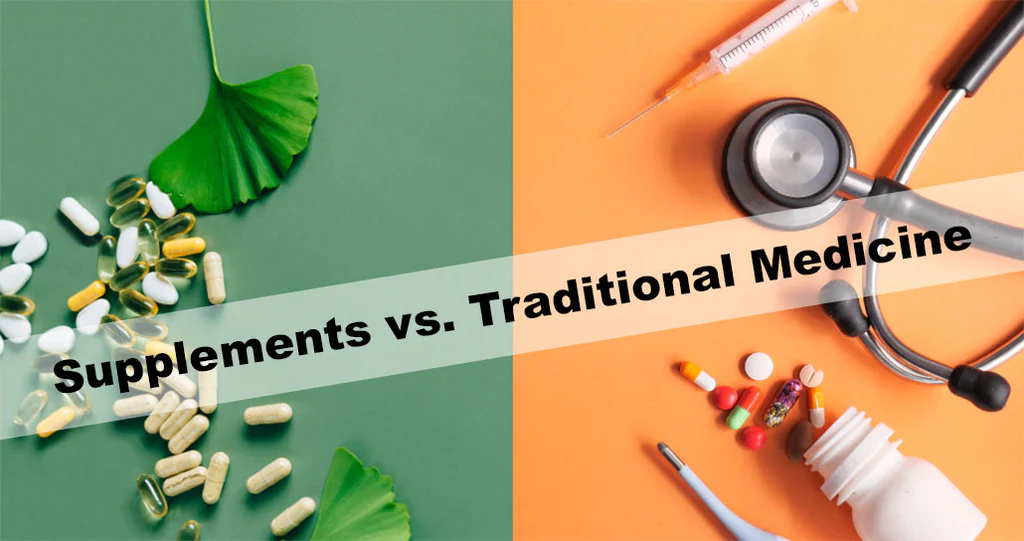 Supplements can be helpful when:
-
You have minor issues (occasional sleeplessness).
-
Blood tests show nutrient deficiencies.
-
You’re managing chronic conditions alongside lifestyle changes (including foods that naturally support bone health can complement your supplement or medication plan).
But sometimes even simple and safe supplements can interact with other medications, so always check with your doctor first.
Future Directions: Integrative Medicine and Policy Changes
Growing Interest in Integrative Approaches
Forward-thinking hospitals are bridging the gap by pairing trusted medications with supplements that have solid evidence. For example, prescribing vitamin D alongside osteoporosis medications.
It’s no longer “alternative medicine” when science backs it.
 Meanwhile, experts are pushing for stronger supplement-industry regulations, including:
-
Mandatory reporting of harmful reactions
-
Standardized dosing
-
Stricter quality control
“Buyer beware” should not be the only safety net—especially in the battle of medicine vs supplements.
The Takeaway
There is no one-size-fits-all answer.
For long-term health, prescription medicines often take the lead. Yes, they come with a list of side effects—but that transparency is reassuring. Doctors know exactly what to watch for.
On the supplement side, many people spend fortunes chasing miracle claims but see minimal results. Some supplements truly help—especially when you’re deficient—but they should always be used under proper medical guidance.
The best strategy usually combines:
✔ Proven medications
✔ Targeted supplements
✔ Professional guidance
Your health deserves treatments that have been studied—not just cleverly marketed.
Working with your healthcare provider to find the right balance gives you the best shot at real, lasting results when weighing medicine vs supplements for long-term health.
FAQs (Medicine vs Supplements)
1. Is it safer to take medicine or supplements long-term?
Medicines are generally safer for long-term use because they undergo strict testing, clinical trials, and FDA approval. Supplements can be helpful, but they are not regulated the same way and may vary in quality, safety, and effectiveness.
2. Can I take supplements and prescription medicine together?
Sometimes yes, but not always. Certain supplements can interact dangerously with medications—changing how they work or causing side effects. Always check with your doctor before combining supplements with prescribed drugs.
3. Are supplements effective without scientific evidence?
Some supplements, such as vitamin D or omega-3s, have strong research support. However, many others rely mostly on marketing claims and lack high-quality clinical studies. Effectiveness depends on the product, dosage, and your specific health needs.
4. When should I choose supplements over medicine?
Supplements may help when you have minor issues, nutrient deficiencies, or want to support general wellness. For serious health conditions—like diabetes, infections, or heart disease—prescription medication is usually the safer and more effective option.
5. How do I know if a supplement is safe?
Choose supplements that are third-party tested, follow recommended dosages, and avoid mixing multiple products without guidance. If you have health conditions or take medication, consult your doctor to prevent harmful interactions.
References
Moore TJ, Furberg CD. Development times, clinical testing, postmarket follow-up, and safety risks for the new drugs approved by the US Food and Drug Administration: the class of 2008. JAMA internal medicine. 2014 Jan 1;174(1):90-5.
Sax JK. Dietary supplements are not all safe and not all food: how the low cost of dietary supplements preys on the consumer. American Journal of Law & Medicine. 2015 May;41(2-3):374-94.
Tamimi NA, Ellis P. Drug development: from concept to marketing!. Nephron Clinical Practice. 2009 Oct 1;113(3):c125-31.
Feingold KR. Cholesterol lowering drugs. Endotext [Internet]. 2024 Feb 12.
Khatcheressian LA. Regulation of dietary supplements: five years of DSHEA. Food and drug law journal. 1999 Jan 1;54(4):623-44.
Costa JG, Vidovic B, Saraiva N, do Céu Costa M, Del Favero G, Marko D, Oliveira NG, Fernandes AS. Contaminants: a dark side of food supplements?. Free radical research. 2019 Aug 12;53(sup1):1113-35.
Verdecchia P, Reboldi G, Angeli F, Gattobigio R, Bentivoglio M, Thijs L, Staessen JA, Porcellati C. Angiotensin-converting enzyme inhibitors and calcium channel blockers for coronary heart disease and stroke prevention. Hypertension. 2005 Aug 1;46(2):386-92.
Sharma N, Lugani Y, Kaur A, Ahuja VK. Effect of metformin on insulin levels, blood sugar, and body mass index in polycystic ovarian syndrome cases. Journal of family medicine and primary care. 2019 Aug 28;8(8):2691-5.
Díaz-López B, Cannata-Andía JB. Supplementation of vitamin D and calcium: advantages and risks. Nephrology Dialysis Transplantation. 2006 Sep 1;21(9):2375-7.
Djuricic I, Calder PC. Pros and cons of long-chain omega-3 polyunsaturated fatty acids in cardiovascular health. Annual review of pharmacology and toxicology. 2023 Jan 20;63(1):383-406.
Makins R, Ballinger A. Gastrointestinal side effects of drugs. Expert opinion on drug safety. 2003 Jul 1;2(4):421-9.
Ito T, Jensen RT. Association of long-term proton pump inhibitor therapy with bone fractures and effects on absorption of calcium, vitamin B12, iron, and magnesium. Current gastroenterology reports. 2010 Dec;12(6):448-57.
Teschke R. Kava hepatotoxicity. A clinical review. Annals of hepatology. 2010 Jul 1;9(3):251-65.
Salo PM, Mendy A, Wilkerson J, Molsberry SA, Feinstein L, London SJ, Fessler MB, Thorne PS, Zeldin DC. Serum antioxidant vitamins and respiratory morbidity and mortality: a pooled analysis. Respiratory research. 2022 Jun 9;23(1):150.
Hodson R. Precision medicine. Nature. 2016 Sep 8;537(7619):S49-.
Lucius K. Osteoporosis: Complementary and Integrative Approaches. Integrative and Complementary Therapies. 2024 Aug 1;30(4):181-92.
Torchilin VP. Drug targeting. European Journal of Pharmaceutical Sciences. 2000 Oct 1;11:S81-91.
Chan V, Lo K. Efficacy of dietary supplements on improving sleep quality: a systematic review and meta-analysis. Postgraduate medical journal. 2022 Apr;98(1158):285-93.
Waymack JR, Tweet M, Austin R. Iron overdose. Journal of Education and Teaching in Emergency Medicine. 2019;4(1).
Ekladious SM, Issac MS, Sharaf SA, Abou-Youssef HS. Validation of a proposed warfarin dosing algorithm based on the genetic make-up of Egyptian patients. Molecular diagnosis & therapy. 2013 Dec;17(6):381-90.