
Mediterranean Foods That Naturally Ease Stress and Support Mental Calm
Mediterranean Foods for Stress Relief
Imagine eating your way to a calmer mind does not lie in supplements, expensive therapies, and complicated routines. People residing around the Mediterranean have enjoyed their vibrant mental well-being, lower stress levels, and calm daily lives for centuries. The secret lies in the Mediterranean foods that naturally ease stress and support mental calm, along with sunshine or scenic coastlines.
Research has confirmed that ancient cultural foods soothe the nervous system, reduce inflammation, balance hormones, and manage stress naturally. It is not just good for your heart, but it is magic for your mind too.
In this blog post, let us dive into simple yet powerful foods that naturally make you mentally calm.
Mediterranean Diet, Natural Stress-Relief Powerhouse
The Mediterranean diet is not just about food; it is a blend of balanced meals, healthy foods, and traditional whole foods. This diet has known effects on stress reduction, mental health, and longevity.
The key nutrients in Mediterranean foods make it so good for easing stress. Those nutrients are:
- Omega-3 fatty acids:They are anti-inflammatory and improve stress response.
- Polyphenols:They are antioxidants that protect the brain cells from damage.
- Vitamin B complex:They regulate the mood and energy.
- Magnesium and Potassium:These minerals calm the nervous system.
- Tryptophan-rich foods:They stimulate the serotonin hormone.
- Low glycaemic foods:They help stabilise the mood and prevent stress-related energy crashes.
The combination of these foods helps regulate cortisol levels, stress-related inflammation, sleep quality, emotional quality, and cognitive function. This diet is one of the most effective nutritional approaches to lowering stress naturally.
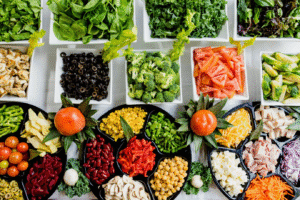
Mediterranean Foods That Bring You Calm Naturally
The following are the Mediterranean foods that naturally ease stress and support mental calm:
- Extra Virgin Olive Oil (EVOO)
Extra virgin olive oil is rich in antioxidants, polyphenols, and healthy fats, which help reduce oxidative stress and inflammation. Both oxidative stress and inflammation are major drivers of emotional imbalance and anxiety.
They keep the brain cells flexible and help fight against systemic inflammation. They reduce cortisol and support stable energy. They also boost cognitive function.
You can consume extra virgin olive oil by drizzling it on salads, roasted vegetables and in soups. Give it the position of the main cooking fat in your meals.
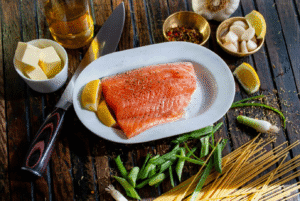
- Fatty Fish (Sardines and Salmon)
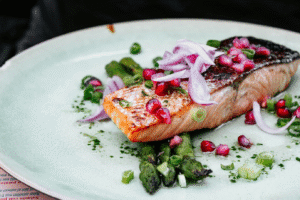
Fatty fish like sardines, salmon, and mackerel are Mediterranean staples which are high in omega-3 fatty acids (EPA and DHA). They are scientifically proven to lower depression and anxiety by improving serotonin production, reducing stress-driven inflammation, and supporting better sleep. They also lift your mood by improving the way your brain communicates.
The goal is to have 2-3 servings of fatty fish per week.
- Leafy Greens
Leafy greens include kale, spinach, arugula, chard, and parsley. They are rich in minerals, including magnesium and folate (a B vitamin). They calm down your body by relaxing your nervous system, improving sleep patterns, boosting energy production, and regulating stress hormones. Folate is necessary for the production of serotonin hormones.
You can add greens to your omelettes, smoothies, soups, and pastas.
- Seeds and Nuts
Walnuts, almonds, pistachios, and sesame seeds are rich source of healthy fats, antioxidants, magnesium, and zinc. Walnuts have omega-3 that protects your brain cells from damage. Seeds and nuts help stabilise blood sugar, boost serotonin, calm your nervous system and support long-lasting energy.
Seeds and nuts are used as midday snacks in Mediterranean cultures.
- Whole Grains and Legumes
The whole grains and legumes in the Mediterranean diet include barley, farro, whole wheat, couscous, lentils, chickpeas, black-eyed peas, and beans, which are packed with fibre, slow-digesting carbs, and B vitamins.
They help keep blood sugar stable, reduce mood swings, and support serotonin and dopamine production. Fibres feed the healthy gut microbiome.
These are added in salads, dips, wraps and can be stewed.

- Fermented Foods and Yoghurt
The Mediterranean diet includes plenty of fermented foods, such as kefir, fermented olives, pickled vegetables, and Greek yoghurt.
These fermented foods help reduce stress by strengthening the gut-brain axis, improving digestion, reducing inflammation, and boosting the production of calming neurotransmitters.
- Citrus Fruits
In Mediterranean countries, oranges, grapefruits, mandarins, and lemons are quite abundant. They help lower stress by reducing the production of cortisol. The high fibre promotes gut health and bright flavours uplift mood.
Citrus in salads is consumed in the Mediterranean diet.
- Tomatoes
Tomatoes are a main ingredient in Mediterranean cuisines. They contain lycopene, which is anti-inflammatory, protects the brain from oxidative stress and supports emotional regulation.
They are used in fresh salads and in slow-cooked sauces.
- Spices and Herbs
Mediterranean herbs include rosemary, basil, oregano, mint, thyme, and chamomile. The chamomile calms the nervous system, basil reduces anxiety, rosemary improves concentration, and mint helps soothe physical stress. These herbs have a therapeutic effect on your body.
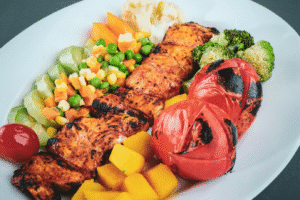
Mediterranean Diet and Long-term Mental Calm
The overall pattern of the Mediterranean diet helps reduce stress in several ways:
- It is low in processed foods, which keeps inflammation low.
- It is high in antioxidants, which protect the brain from damage.
- The balanced meals prevent mood swings and energy dips.
- It is rich in healthy fats, which improve memory, emotional stability, and focus.
- Mediterranean foods help maintain gut harmony as 95% of serotonin is produced in the gut.
- Mediterranean culture encourages mindful eating, which is a stress-relieving tradition. Meals are enjoyed slowly, with family.
Lifestyle Habits and the Mediterranean Stress Relief Effect
To amplify the benefits of the Mediterranean diet, pair it with lifestyle practices.
- Focus on the slow and mindful meals.
- Pair your diet with light physical movement (walking, stretching).
- Focus on the quality of sleep.
- Limit the consumption of processed foods.
- Keep yourself hydrated with lemon water and herbal teas.
- Social connections also help to reduce stress levels, share meals and cook together.

Key Takeaways
- The Mediterranean diet approach is not only about delicious foods but also about enjoying your life (moving, resting, connecting).
- Mediterranean foods are well known for their ability to reduce stress and support mental calm.
- Foods in the Mediterranean diet, like leafy greens, fish, nuts, seeds, yoghurt, and citrus, are powerful for your emotional well-being.
- The key nutrients of the Mediterranean diet are omega-3, polyphenols, vitamin C, and magnesium, which play a key role in calming the nervous system.
- The fibre-rich foods in the Mediterranean diet support the gut-brain axis, help in lowering anxiety and improving mood.
- Simple daily meals can naturally help improve mood, boost energy, and reduce stress.
Conclusion
Stress may have become a part of modern life, but it does not have to control your emotions, mood, and energy. Changing one’s eating habits and adopting a Mediterranean diet naturally helps ease stress and support mental calm. It is the most ancient, balanced, and delicious way to nourish your body and mind.
You do not need to overhaul your life overnight. Simply adding more of the key foods in your daily meals can give your brain the best possible tools to handle the stress of modern life. Focus more on the colourful vegetables, a little more salmon, and a little more olive oil and experience some positive signals from your mind.
Let your meals become your medicine, guiding you towards a calmer and healthier life.
If you are ready to explore more about the Mediterranean diet, wellness-focused, and evidence-based guides, visit our website healthabulous and read these articles:
- What the Mediterranean Diet Does to Your Brain — Backed by Science.
- Mediterranean Diet 101: The Ultimate Getting-Started Guide.
- Six Proven Ways the Mediterranean Diet Can Extend Your Lifespan.
- Simple Ways to Follow the Mediterranean Diet for Lasting Health.
- Budget-Friendly Mediterranean Foods That Boost Longevity.
- The Single #1 Most Powerful Eating Habit for Maximising Mediterranean Diet Results
FAQs
Q1: Does the Mediterranean diet really play a role in reducing stress and uplifting the mood?
Absolutely YES! The nutrients in the Mediterranean diet reduce inflammation and support brain chemicals, regulate cortisol hormone, leading to stress management and mood uplifting.
Q2: Which Mediterranean food is best for controlling anxiety?
Fatty fish, nuts, leafy greens, olive oil, and fermented foods have the strongest evidence for reducing anxiety.
Q3: What if I do not like eating fish? Where else can omega-3 be sourced?
If you do not like eating fish. You can get plant-based omega-3 from walnuts, flaxseeds, and chia seeds. However, you need to consider taking Omega-3 supplements (EPA and DHA) to get the powerful anti-anxiety benefits.
Q4: Do I need to avoid any foods to remain stress-free?
Limiting processed foods, sugary snacks, and refined carbs helps maximise the stress-relief benefits.
References
- Ligia J. Dominguez, Nicola Veronese, Giovanna Di Bella, Claudia Cusumano, Angela Parisi, Federica Tagliaferri, Stefano Ciriminna, Mario Barbagallo, Mediterranean diet in the management and prevention of obesity, Experimental Gerontology, Volume 174, 2023, 112121, ISSN 0531-5565, https://doi.org/10.1016/j.exger.2023.112121.
- Rishor-Olney CR, Hinson MR. Mediterranean Diet. [Updated 2023 Mar 27]. In: StatPearls [Internet]. Treasure Island (FL): StatPearls Publishing; 2025 Jan-. Available from: https://www.ncbi.nlm.nih.gov/books/NBK557733/
- Martinez-Gonzalez MA, Martin-Calvo N. Mediterranean diet and life expectancy; beyond olive oil, fruits, and vegetables. Curr Opin Clin Nutr Metab Care. 2016 Nov;19(6):401-407. doi: 10.1097/MCO.0000000000000316. PMID: 27552476; PMCID: PMC5902736.
- Finicelli M, Di Salle A, Galderisi U, Peluso G. The Mediterranean Diet: An Update of the Clinical Trials. Nutrients. 2022 Jul 19;14(14):2956. doi: 10.3390/nu14142956. PMID: 35889911; PMCID: PMC9317652.
- Altomare R, Cacciabaudo F, Damiano G, Palumbo VD, Gioviale MC, Bellavia M, Tomasello G, Lo Monte AI. The mediterranean diet: a history of health. Iran J Public Health. 2013 May 1;42(5):449-57. PMID: 23802101; PMCID: PMC3684452.
- Rani Mansuri,undefined Monika,Arpit Raj,Sabina Yasmin,Md Yousuf Ansari,Role of Mediterranean Diet in Alzheimer’s Disease: Pre-clinical and Clinical Evidence, Diet and Alzheimer’s Disease: Let Food be Our Medicine, (93-118), (2025). https://doi.org/10.1007/978-981-95-2736-6_4