
Migraine Management Guide
Migraine Management affects more than just the head; they represent a complex neurological disorder impacting countless people around the world. While typical, head pain and other symptoms that episodically crop up and interfere with a person’s day and activities, and in some cases can last for days.
It impacts a person’s work, social life, and overall quality of life. Migraine Management include the cause and symptoms, common triggers, management, and alleviation of the pain. When appropriate procedures are applied, the frequency of episodes diminishes, and the pain itself is alleviated.
What is Migraine?
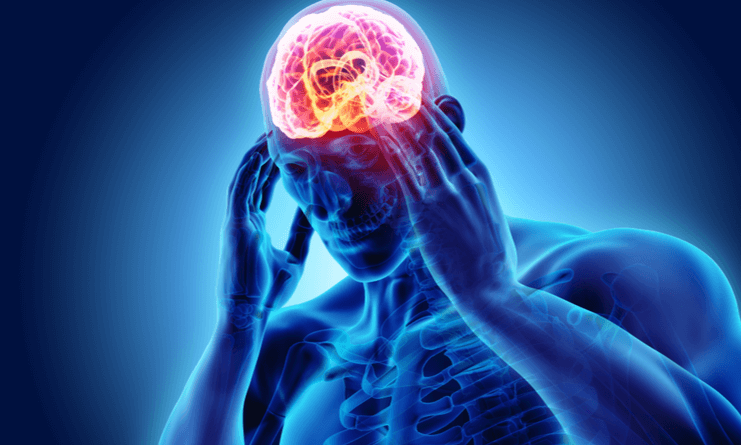
Migraine is one of the primary forms of headache and is one of the most common neurological disorders. This condition is characterized by an aberration in brain function, including neurochemical activity, nerve function, and blood vessel function. Irrespective of what else an individual may be suffering from, migraine must be diagnosed and treated on its own.
The pain from migraine may be of a fast and furious nature, and may be on one side of the head. Unfortunately, the rest of the body suffers along with the head, including the eyes, and there may be light and sound aversion, nausea, and other systemic symptoms.
Common Symptoms of Migraines
Migraines are more than just pain. They often include a constellation of neurological and physical symptoms that can significantly affect daily functioning. Typical Migraine symptoms include:
- Throbbing or pulsating headache, often on one side of the head
- Sensitivity to light, sound, or smell
- Nausea and vomiting
- Blurred vision or visual disturbances, sometimes referred to as an aura
- Dizziness, fatigue, or difficulty concentrating
- Neck stiffness or scalp tenderness
Symptoms can vary from person to person and even from one attack to another. Some people experience “migraine aura,” which may involve visual changes such as flashing lights, zigzag patterns, blind spots, or tingling sensations in the face or limbs.
Stages of a Migraine
Migraines often develop in stages, although not everyone experiences all of them.
Prodrome: Occurring hours or days before the headache, prodrome symptoms include mood changes, food cravings, fatigue, neck stiffness, or frequent yawning.
Aura: Experienced by some individuals, aura involves neurological symptoms such as visual disturbances, speech difficulties, or sensory changes.
Headache: This stage features moderate to severe head pain, often accompanied by nausea, vomiting, and sensitivity to light and sound. Physical activity can worsen the pain.
Postdrome: After the headache resolves, individuals may feel drained, fatigued, or mentally foggy for hours or even a day.
What Causes Migraines?
The causes and mechanisms of migraines are not entirely understood, but some factors that may contribute to their occurrence include genetics, brain activity, and environmental factors. One of the brain’s pain-regulating chemicals, called serotonin, may contribute to migraines.
The migraines may be due to an unusual activation of the brainstem’s nerves and subsequent inflammation caused by changes in the blood vessels. There is no doubt that genetics plays a role, as migraines are hereditary.
Common Migraine Triggers
The number of factors that may lead to a migraine is extensive and varies from one person to another. Determining the individual triggers is an essential component for managing migraines. Some common triggers are changes in hormones, especially in women (e.g., menstruation, pregnancy, menopause).
Stress
Specific foods and drinks, including processed meats, aged cheeses, alcohol, and caffeinated beverages, altered sleep patterns, including too little sleep, too much sleep, and even napping, certain environmental conditions such as very bright lights, loud sounds, and powerful odors, shifts in the weather, including changes in barometric pressure, may contribute to stress.
Keeping a migraine diary can assist individuals in recognizing personal migraine triggers. This leads to effective preventive strategies.
Classification of Migraines
Migraines can be divided into different groups based on their characteristics:
Aura migraines: This is characterized by having visual problems or feeling numb before or while having the headache.
Non-aura migraines: This is the most common one and does not have the warning symptoms of aura migraines. However, the usual headache problems and other symptoms are present.
Chronic migraines: In this case, the patient has headaches for 15 or more days every month for three or more months. At least 8 of those days have to be sore/meet the criteria of a migraine.
Hemiplegic migraines: This is a sporadic form of migraines and has, along with other migraine symptoms, weakness or paralysis on one side of the body.
Vestibular migraines: This mainly affects the sense of balance and can result in dizziness or the feeling of vertigo without a lot of varying tension in the head.
How Are Migraines Diagnosed
In most cases of migraine, healthcare providers do not rely on a single test but instead on a collection of information, such as medical history, symptom patterns, and physical and neurological exams. They do, however, sometimes do migraine tests to be able to rule out other causes of headaches.
Health professionals often ask about headache frequency. Other characteristics of the headaches, such as their intensity and duration, are also queried along with symptoms. Identifying particular headache and migraine triggers, along with family history of headaches, and responses to specific treatments, are also helpful in confirming the diagnosis.
Assessing a Migraine Management
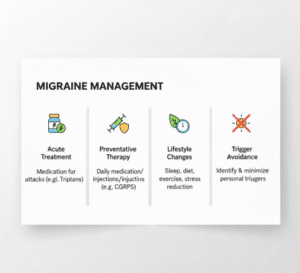
There are two primary components to implementing effective migraine management: working with your doctor to develop and implement a personalized multimodal treatment plan for Migraine Management attacks and for preventive measures.
Management of the Attack
- Migraine Management attacks includes attempts to relieve the elements of the attacks after they have occurred. These include:
- The use of over-the-counter medications such as acetaminophen (Tylenol), ibuprofen (Advil), or naproxen (Aleve)
- Tripatans, which is a prescription medication that works through the constriction of the blood vessels and the lowering of the inflammatory state.
- Prescription anti-nausea drugs (sea bands with acupressure do help.
- Stay in a very restful state in a dark, quiet area to help the sensory system not be overworked and drained.
- The most effective treatment is accomplished when treatment is imparted within the very beginning stages of the onset of the migraine.
Preventive Measures
The use of treatment to help lessen the frequency and severity of migraine attacks is considered to be preventive in nature. These include:
- Prescriptions for blocker drugs, anticonvulsants, and some medications that are depressed
- Regular sleep and avoidance of excess stress to manage the situation
- Dietary changes that are recommended to eliminate certain foods that are considered to be trigger foods
- Regular exercise that is completed to maintain vascular and neuro health
- In the last several years, some newly available and effective medications have been developed to prevent migraines and help some individuals, such as the CGRP inhibitors.
- Lifestyle Changes that Assist in Reducing the Frequency of Migraines
- Many lifestyle practices may reduce the frequency of migraines in addition to medications. These include:
- Sticking to a regular sleeping schedule
- Drinking enough water throughout the day
- Using stress management techniques such as meditation, yoga, or deep-breathing exercises.
- Avoiding caffeine and alcohol, especially in the evening before sleeping
- Staying mindful of one’s migraines by keeping a diary, especially to note details of one’s symptoms, possible triggers, and patterns.
By organizing their routines using the strategies above, people can take greater control over their health and condition.
Migraines and the Day-to-Day
The adverse effects that frequent Migraine Management have on people’s lives can be severe. Employees, students, and anyone who has even a slight Migraine Management background can tell you that it can get in the way of completing tasks, functioning in relationships, and attending to responsibilities. Depression and anxiety are also a considerable risk, as with migraines, the condition is highly unpredictable. This adds to the stress in people’s lives, which may already be complicated in numerous ways. This is a situation of concern that migraines are an insidious threat to people’s well-being and overall quality of life, as well as their mental health. Coercive care is needed in these situations.
The support of medical staff, family members, and support communities can validate and enhance coping techniques and strategies for such a troubling condition.
Circumstances causing the necessity of Medical Assistance
If the headaches are severe or frequent, or if the pattern of headaches typically experienced changes suddenly. Additionally, If Headaches are accompanied by changes in neurological condition, such as Loss of Vision, Weakness, or confusion, there is a risk of a more serious situation requiring emergency medical assistance.
The development of personalized treatment plans and prompt diagnosis can alleviate migraine-related stress and improve long-term outcomes.
Contact us if you need any medical information, guidance, or support.