
If you are a woman, you may have observed that usually, a few days before your period starts, you start feeling down, not only physically but also mentally. Well, why this happens is because of some hormonal imbalances going on in your body, which are really hitting you hard.
This premenstrual syndrome can affect the emotions, behaviour, and physical health of more than 90-100% of women who menstruate. And it commonly affects those from the age group of late 20s to early 40s.
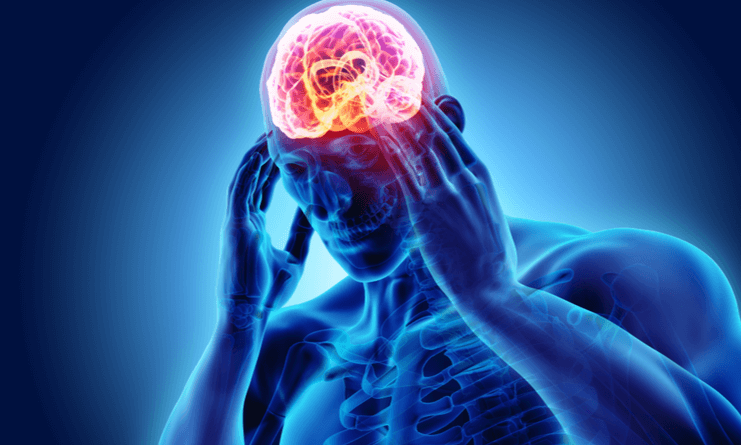
If you are suffering from premenstrual syndrome, you can have bloating, headaches, cramps in the lower belly, mood swings, fatigue, tender breasts, pimples, irritability, clumsiness, constipation or diarrhea, changes in appetite, and even low sex drive.
This can affect your daily life, making it difficult to carry on the tasks of work, education, or relationships, as the emotional stress and physical pain can be so overwhelming.
And remember, if you don’t take care of your diet and eat too much salt, sugar, and red meat, your symptoms can worsen. Also, if you are not concerned about adopting a healthy lifestyle, you are far from achieving your goal of relieving PMS symptoms naturally.
In this article, for your help, we have mentioned some tips related to food and lifestyle for managing your premenstrual syndrome and getting natural PMS relief.
Which Key Nutrients You Should Have In Your Diet For PMS Relief?
Some key nutrients you must include in your diet for reducing your premenstrual symptoms are:
- Magnesium: Helps to fight fatigue, mood swings, and low libido. Some magnesium-rich foods are Hempseeds, tofu, sorghum, flaxseeds, almonds, quinoa, spinach, pumpkin seeds, and dark chocolate.

- Omega-3 fatty acids: A systematic review published in 2022 found that omega-3 fatty acids are good for reducing the severity of PMS symptoms. You can have Salmon, skipjack, halibut, cod, mackerel, and tuna.
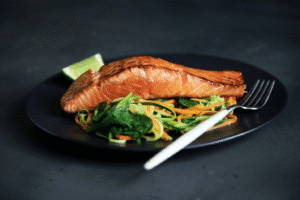
- B6-rich foods: Balances progesterone levels, which reduces the chance of pre-period mood issues. Some good sources are beef liver, carrots, yams, oats, wild salmon, Turkey, tuna, potatoes, chickpeas, poultry, bananas, watermelon and pecans. A combination of magnesium and B6 is more effective than taking only one nutrient.
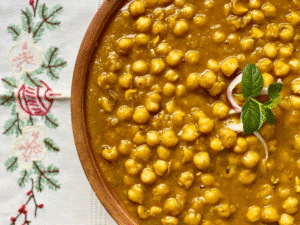
Apart from these, folic acid, calcium, and vitamin D should also be part of your diet.
What Are The Qualities Of The Foods You Should Take For The Premenstrual Syndrome?
Well, what are the characteristics of the foods you should take while going through the premenstrual phase? Some foods which you should focus on for premenstrual syndrome must have these qualities:

- That enhances your
- They are nutritious enough to provide the energy store for the upcoming events in your body.
- Have moderate amounts of low glycemic carbohydrates to stave off sweet cravings.
So, all the foods with these qualities are good to take for natural PMS relief.
Which Supportive Foods Work Well During The Premenstrual Phase?
Here to give you more ideas, I’ve mentioned a few supportive foods that work well during this phase:
- Healthy fats such as avocado, wild salmon, coconut, flax, nuts, sesame, and sunflower seeds support skin wellbeing, forestall acne breakouts, and deal with sugar cravings too.
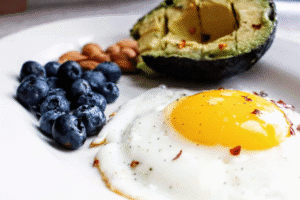
- Have whole grains with husks that are a source of energy-giving complex carbs and stress-supporting B vitamins.
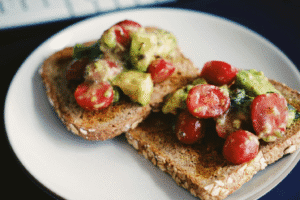
- Serotonin-producing foods such as leafy greens, quinoa, and buckwheat must be considered for managing any stress issues.
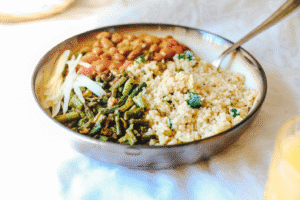
Overall a list of food options to choose from and increase reliance on healthy sources is given here:
- Seafood (cod, flounder, halibut, tofu, salmon, mackerel, tuna)
- Healthy grains such as oats, buckwheat, sorghum, brown rice, millet, and quinoa
- Fruits (apple, date, peach, pear, raisin, berries, watermelon, banana, oranges, avocado)
- Vegetables (cabbage, cauliflower, celery, collard, cucumber, spinach, garlic, leek, mustard green, onion, parsnip, pumpkin, radish, squash, sweet potato, carrot, watercress, kale, broccoli),
- Legumes (chickpeas, navy beans, lentils)
- Nuts and seeds (hickory, pinenut, walnut, sesame, pumpkin, flax, almond, sunflower)
- Meat (beef, turkey, chicken, lean meats)
- Mint, peppermint, spirulina, ashwagandha
- Dark chocolate, mushrooms, and egg yolks
- Turmeric and ginger
Simply a well-balanced diet with fruits, vegetables, whole grains, nuts, seeds, and legumes can work good.
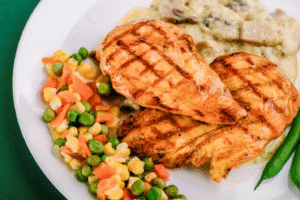
Which Foods You Should Reduce?
Limit unhealthy fats, alcohol, caffeine, added salts, carbonated drinks, and artificial sweeteners to avoid triggering any discomfort.
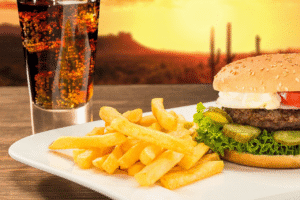
C
- Issues like swollen breasts and bloating can be reduced by limiting the salt
- Caffeine and alcohol can increase anxiety, and mood swings along with interfering with the absorption of nutrients so must limit them.
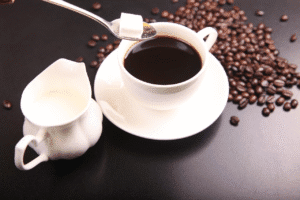
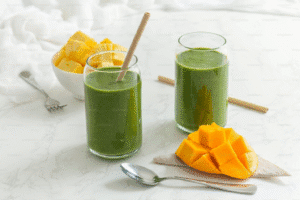
Rather drink plenty of water and other healthy drinks to avoid abdominal bloating.
As already mentioned, this article is not just about knowing what you need to eat and what not for PMS relief but also about adopting those healthy lifestyle habits which are needed for getting natural PMS relief.
Your PMS can worsen if you don’t exercise, take too much tension, don’t sleep well, or are an alcoholic. So let’s start learning here about what healthy habits you should incorporate in your life for natural PMS relief, as this is something crucial.
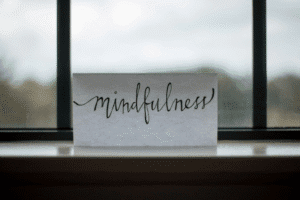
Practice Mindful Eating Habits
Mindfully eating a healthy, well-balanced diet can help to improve your overall energy levels and health. Having the right foods in balanced amounts and mindfully can help you tackle, soothe, or avoid these premenstrual conditions. Have smaller, more frequent meals, and this will give you a full feeling and reduce bloating.
Stay Physically Active
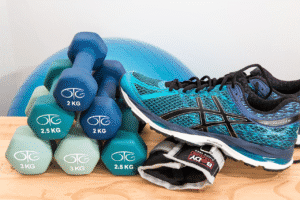
Do regular exercise for at least 30 minutes daily to improve your physical, emotional, and mental health. It can be brisk walking, swimming, cycling, or any other aerobic activity. Fatigue and depressed mood is greatly improved with exercise.
Improve Your Sleep Quality
A cross-sectional study published in Scientific Reports in 2025 found a notable positive impact on reducing PMS symptoms with improved sleep quality. Have a good night’s sleep for 7-8 hours, and this will help you in providing you the required comfort and rest. You will feel less fatigued, and your mood will also stay fresh.

No More Stress
Yes, this is an important point, but most of us feel no control over our stress. We feel like we can’t do anything to overcome our stress. But remember, you can do a lot. Your mind has great power. You just need to train your mind in the right direction. You can listen to positive talks to inculcate positivity in yourself.
Also engage in yoga, meditation, reading, playing with kids or pets, or some other relaxing activity which you like.

Have close friends and family members and try to have emotional support during the premenstrual period.

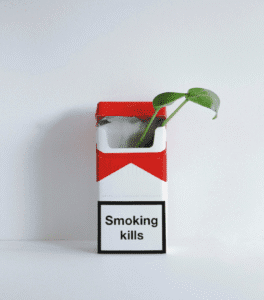
Avoid Smoking
According to a study published in the American Journal of Epidemiology, current smokers were more likely to develop PMS symptoms in the coming 2-4 years compared to non-smokers.
Another meta-analysis study published in the Journal of Psychiatry found that smoking can exacerbate your premenstrual syndrome symptoms as nicotine in cigarettes disturbs your neurocircuitry which which also makes you susceptible to other environmental stressors.
When Do You Need To See A Doctor?
If your premenstrual syndrome symptoms, such as pain or mood swings, are not manageable with dietary and lifestyle modifications, and these symptoms are affecting your daily activities, work, relationships, and health, you must see a doctor.
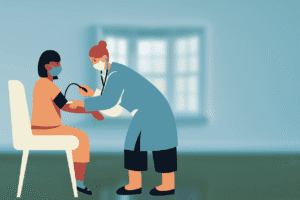
Your doctor will make a diagnosis based on your symptoms recorded in the last few menstrual cycles and suggest the treatments needed accordingly.
Note your symptoms for at least 2-3 menstrual cycles to help in doctor consultation and treatment, and it will help you know your body and mood well.

You will know the triggers and timing of your symptoms through this complete record. Intervention strategies are better implemented then.
Some treatments that can be suggested are hormonal medications such as the combined contraceptive pill, cognitive behavioural therapy, pain killers, antidepressants, acupuncture, reflexology, and dietary supplements.
But as for any treatment, some of these can have side effects too, so better to work on your diet and lifestyle regularly from now on to avoid any severe condition and get PMS relief naturally.

The Takeaway
With so much junk around, work-from-home options, increased screen time, and increased workload, eating well, sleeping well, and living well have really become a tough target. Most of the women are not into physical activity and do not give enough time to themselves. But this is crucial to avoid any physical and emotional damage to women’s health.
You must not allow premenstrual syndrome to control your life; rather, make healthy modifications in your diet and lifestyle to not only reduce the signs and symptoms of premenstrual syndrome but also have an overall healthy life.
Although the symptoms typically go away after the start of menstruation, you must aim to have a healthy and active life throughout the menstrual cycle.
A combination of exercise, a healthy diet, sleeping well, reducing stress, and quitting smoking and alcohol can give you the maximum improvement for premenstrual syndrome symptoms.
These adjustments will help you stay fit and active and keep the hormone levels balanced through this premenstrual phase.
References
Choi SH, Hamidovic A. Association Between Smoking and Premenstrual Syndrome: A Meta-Analysis. Front Psychiatry. 2020 Nov 26;11:575526. doi: 10.3389/fpsyt.2020.575526. PMID: 33324253; PMCID: PMC7725748.
Bertone-Johnson ER, Hankinson SE, Johnson SR, Manson JE. Cigarette smoking and the development of premenstrual syndrome. Am J Epidemiol. 2008 Oct 15;168(8):938-45. doi: 10.1093/aje/kwn194. Epub 2008 Aug 13. PMID: 18701443; PMCID: PMC2727205.
Trivedi D, Patel K, Jain KG. Impact of Stress on Premenstrual Syndrome Among Young Women: A Cross-Sectional Study. Cureus. 2024 Nov 27;16(11):e74622. doi: 10.7759/cureus.74622. PMID: 39735041; PMCID: PMC11681971.S
Abu Alwafa, R., Badrasawi, M. & Haj Hamad, R. Prevalence of premenstrual syndrome and its association with psychosocial and lifestyle variables: a cross-sectional study from Palestine. BMC Women’s Health 21, 233 (2021). https://doi.org/10.1186/s12905-021-01374-6
Fathizadeh N, Ebrahimi E, Valiani M, Tavakoli N, Yar MH. Evaluating the effect of magnesium and magnesium plus vitamin B6 supplement on the severity of premenstrual syndrome. Iran J Nurs Midwifery Res. 2010 Dec;15(Suppl 1):401-5. PMID: 22069417; PMCID: PMC3208934.
Mohammadi MM, Dehghan Nayeri N, Mashhadi M, Varaei S. Effect of omega-3 fatty acids on premenstrual syndrome: A systematic review and meta-analysis. J Obstet Gynaecol Res. 2022 Jun;48(6):1293-1305. doi: 10.1111/jog.15217. Epub 2022 Mar 9. PMID: 35266254.
Oboza P, Ogarek N, Wójtowicz M, Rhaiem TB, Olszanecka-Glinianowicz M, Kocełak P. Relationships between Premenstrual Syndrome (PMS) and Diet Composition, Dietary Patterns and Eating Behaviors. Nutrients. 2024; 16(12):1911. https://doi.org/10.3390/nu16121911
Siminiuc R, Ţurcanu D. Impact of nutritional diet therapy on premenstrual syndrome. Front Nutr. 2023 Feb 1;10:1079417. doi: 10.3389/fnut.2023.1079417. PMID: 36819682; PMCID: PMC9928757.
Lustyk MK, Gerrish WG, Douglas H, Bowen S, Marlatt GA. Relationships Among Premenstrual Symptom Reports, Menstrual Attitudes, and Mindfulness. Mindfulness (N Y). 2011 Mar;2(1):37-48. doi: 10.1007/s12671-011-0041-x. Epub 2011 Feb 1. PMID: 27162560; PMCID: PMC4859870.
Pearce E, Jolly K, Jones LL, Matthewman G, Zanganeh M, Daley A. Exercise for premenstrual syndrome: a systematic review and meta-analysis of randomised controlled trials. BJGP Open. 2020 Aug 25;4(3):bjgpopen20X101032. doi: 10.3399/bjgpopen20X101032. PMID: 32522750; PMCID: PMC7465566.
Mighani, S., Taghizadeh Shivyari, F., Razzaghi, A. et al. Association between sleep quality and premenstrual syndrome in young women in a cross-sectional study. Sci Rep 15, 6260 (2025). https://doi.org/10.1038/s41598-025-90581-4