
PCOS Nutrition Guide: What to Eat and What to Avoid for Hormonal Balance
You may already know that Polycystic Ovary Syndrome (PCOS) is a hormonal disorder in women which is characterized by the growth of cysts on the ovaries. With this syndrome, a woman has irregular periods, and hormonal imbalance including high levels of male hormones androgens.
This condition and the associated hormonal imbalance needs to be managed on time as otherwise it can lead to infertility, insulin resistance, heart disease, endometrial cancer, mood issues, and type 2 diabetes.
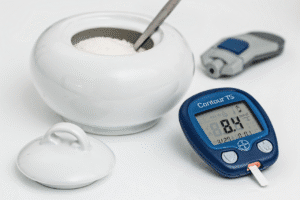
To manage PCOS, it is important to maintain a healthy weight through a balanced diet low in refined carbohydrates and high in fiber, as well as regular physical activity.
This article guides you about some basics of PCOS nutrition that what you need to eat and what to avoid for hormonal balance.
Hormonal Imbalance in PCOS and Its Link with Nutrition
Actually insulin levels in PCOS patients are frequently reported to be higher than usual because of insulin resistance. With insulin resistance, you need to produce more insulin to maintain your blood sugar levels in normal range. And when your insulin levels are high, your ovaries may produce more androgens such as testosterone.
A diet high in refined carbohydrates, such as sugary and starchy foods can make it difficult to control this insulin resistance.
What To Eat In a PCOS Diet For Hormonal Balance?
When you have made a firm intention to look into your diet for managing the hormonal imbalance behind PCOS, you need to make some dietary modifications. You have to follow a low glycemic index diet and include some key nutrients in it too.
A low glycemic index approach can help regulate insulin levels and control symptoms associated with PCOS. Some nutrient components and foods you can eat in this diet include
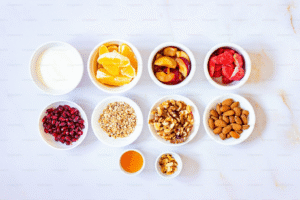
- Fiber: It helps with combating insulin resistance by slowing down the process of digestion and reducing the effect of sugar on your blood. Some good options for high-fiber foods include leafy greens, bell peppers, cruciferous vegetables, beans and lentils, berries, almonds, pumpkin, quinoa, sweet potatoes, and winter squash.
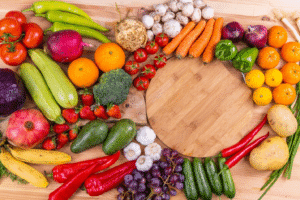
- Healthy fats: They provide energy, reduce inflammation, and aid in hormone regulation. Include fatty fish, olive oil, and pumpkin and sunflower seeds in your diet. Grab some avocados, too.
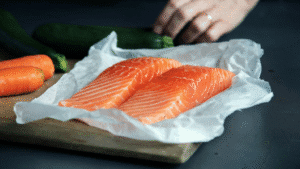
- Protein: It is a very nutritious and filling dietary option for those with PCOS and supports overall health. You will have better management of blood sugar levels and weight with protein intake. You can have chicken, fish, and tofu.
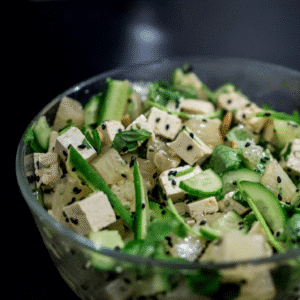
- Anti-inflammatory foods: They may also be beneficial. You can include kale, spinach, tomatoes, turmeric, ginger, walnuts, almonds, fruits, olive oil, and omega-3-rich fatty fish, such as salmon in your diet.
What Foods You Need To Avoid In a PCOS Diet?
Some foods you should not take while on a PCOS diet include:
- Foods high in sugar and refined carbohydrates, such as cakes, candy, white bread, pastries, sugary desserts, white flour products, fries, margarine, and sugary drinks. They can worsen your insulin resistance and inflammation linked with PCOS.

- Processed foods, such as packaged snacks and processed meats, should also be limited as they contain added sugars, preservatives, and trans fats, and can exacerbate inflammation.

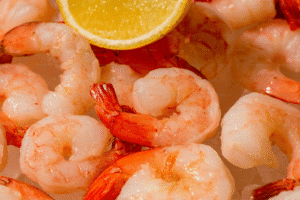
- Inflammatory foods such as red meat, shellfish, and shrimp.
Some Tips for Grocery Shopping and Meal Planning For PCOS Diet
Here for your help as a reminder, I am sharing some grocery shopping tips based on what you should eat and what to avoid for managing PCOS.

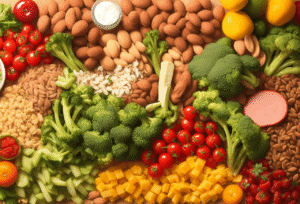
- Focus on nutrient-dense, whole foods like fresh fruits, vegetables, whole grains, lean protein, and healthy fats. Plan a low-carb
- Limit sugary and processed foods, which can worsen insulin resistance.
- Stock up on fiber-rich foods such as beans, lentils, and whole grains to promote fullness and control blood sugar levels.
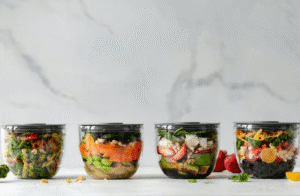
- Plan and make a grocery list based on your meals for the coming week so that your chances of indulging in something unhealthy decrease.
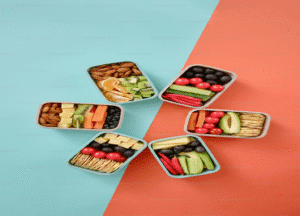
If you know about DASH diet, which is the Dietary Approaches to Stop Hypertension diet, you are in a good place, as it is the best approach for managing PCOS too, because it includes and excludes most of the dos and don’ts of the PCOS diet. It is based on whole grains, vegetables, fruits, poultry, low-fat dairy, and fish while excluding high sugar foods and saturated fats.
Some Ideas for Quick and Healthy Meals and Snacks on A PCOS Diet
When we are changing our diet and shifting to healthy foods, sometimes it becomes hard for us to decide what recipes or combinations we can go with these food options, as we are used to our old foods and ways. So here are some ideas to give your food a new look.
- Grilled fish or chicken with roasted vegetables such as broccoli
- Salad with mixed greens, tomatoes, nuts, seeds, and a vinaigrette dressing
- Whole-grain toast with some veggies
- Greek yogurt with fresh fruit and a little honey

- Whole-grain crackers with hummus or vegetables
- Smoothie bowl with frozen berries, banana, almond milk, and protein powder
- Roasted or baked sweet potato with tomatoes, onions, avocado, and black beans.
Some Recommendations for Portion Control and Reducing Processed Foods on PCOS Diet
You just don’t need to eat some particular foods and avoid some for managing the hormonal imbalance linked with PCOS; rather, you also need to make some more dietary changes for better results. Don’t worry, there is nothing hard. With little effort, all goes well.
Here are mentioned these dietary recommendations linked with the PCOS diet.
- Use smaller plates to control portions and avoid overeating.
- Read food labels and choose products with fewer ingredients, minimal added sugars, and limited preservatives. Check food labels for different names of sugar, such as high fructose corn syrup, sucrose, and dextrose to avoid them.
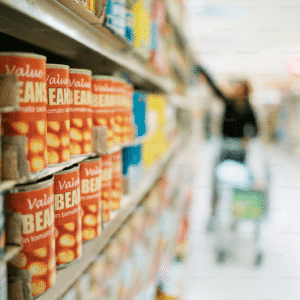
- Cook meals at home using fresh ingredients to avoid processed foods.
- Practice mindful eating and savor each bite, paying attention to hunger and fullness cues.
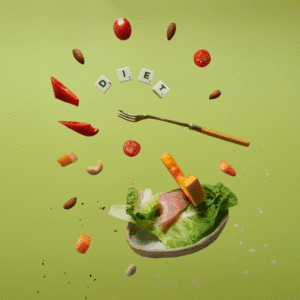
Some Alternative Options for Common Trigger Foods
While switching from unhealthy to healthy, you can mistakenly still indulge in some trigger foods, so you must have the alternative options in mind.
- Instead of sugary drinks, go for unsweetened tea or simply water.
- Instead of white bread, choose whole-grain options.
- Instead of processed snacks, try fresh fruit, unsalted nuts, or air-popped popcorn.
- Instead of processed meats, choose lean protein sources like chicken, fish, or tofu.
By making these simple swaps, you can help manage your symptoms and improve your overall health.
Are There Any Recommended Supplements Too For Women With PCOS?
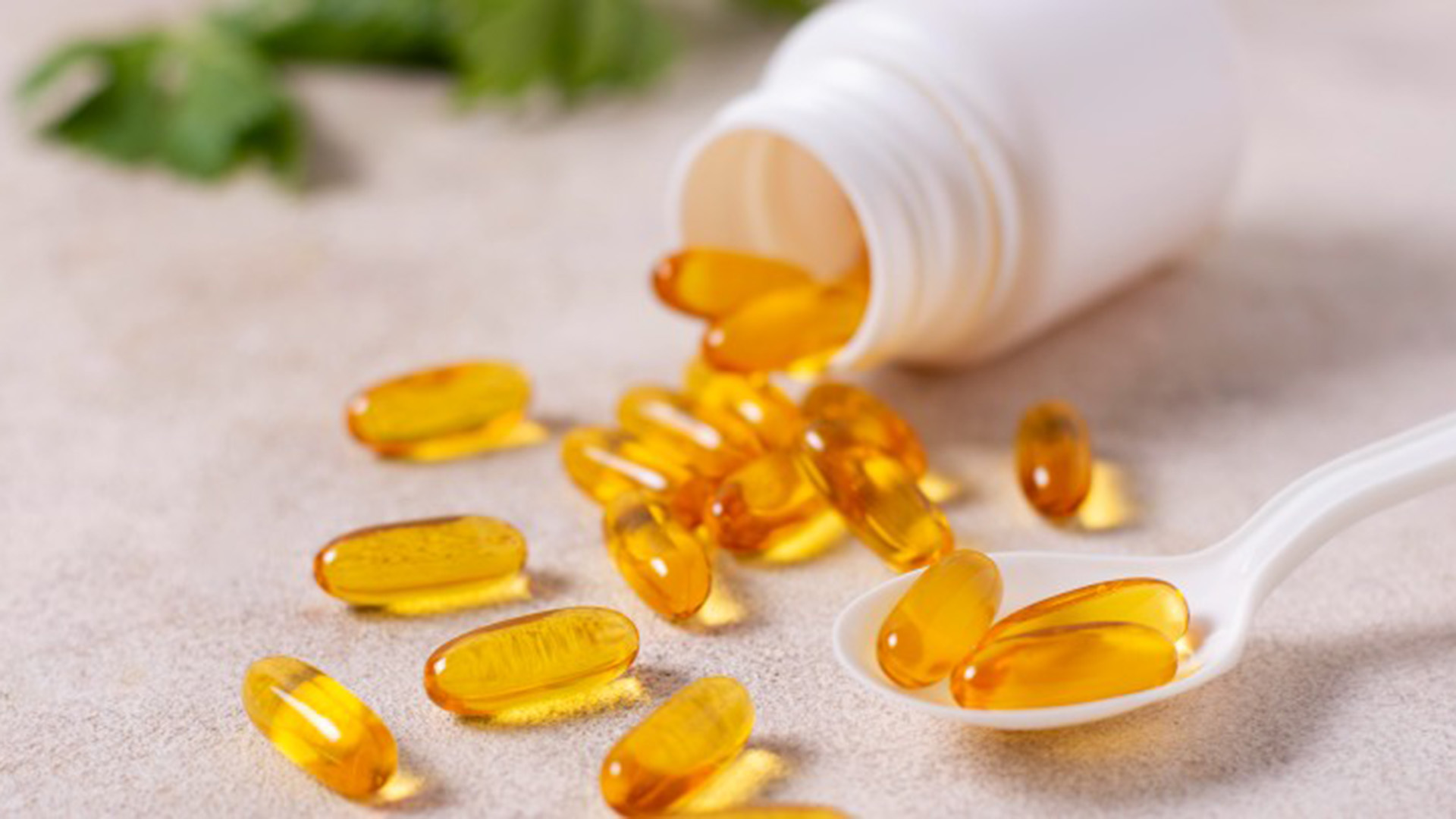
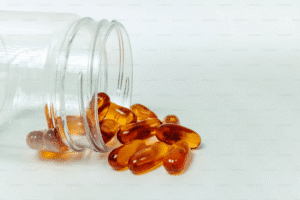
Yes, sometimes diet alone is not enough to heal and help you achieve your goals. In that case, your nutritionist may recommend some supplements. Just to give you an idea, here are some supplements mentioned which can help with the hormonal imbalance linked with PCOS.
Omega-3 fatty acids: To help you improve insulin sensitivity and reduce inflammation, a daily dose of 1-2 grams is recommended.
Inositol: Never heard before, it is a type of sugar which can regulate menstrual cycle and improve insulin issues too, with its 2-4 grams daily recommended dosage.
Vitamin D: It is observed that women have low vitamin D levels, and this makes the insulin resistance worse. So a 1000-2000 IU daily dose is recommended.
What Can Be Some Challenges And Strategies for Sticking To The PCOS Diet?
You can face hurdles in this journey too, but all is good that ends well. Here to prepare you, I have mentioned some challenges you may have to face while adopting a PCOS diet and what strategies you can use to stick to that diet. Some challenges can be:
- The availability and accessibility of healthy food options, or not having a taste for them
- The need for meal planning and preparation, and
- The difficulty in changing dietary habits.
To overcome these challenges, it is important to have a clear understanding of the dietary goals and the benefits of following the PCOS diet as mentioned in this article.
Staying motivated can be achieved by setting achievable goals, finding a support system, and tracking progress.
Do You Need To Consult With A Nutritionist While On A PCOS Diet?
PCOS diet focuses on reducing inflammatory foods so you may want to reduce your intake of certain foods such as red meat and can benefit from it, however, it’s best to consult a doctor or nutritionist before eliminating several foods from your diet, as they can provide customized advice based on your needs, and the necessary support and accountability to make sustainable long-term dietary changes.
They can also help identify any nutrient deficiencies and provide practical tips for sticking to the PCOS diet. Also, you can take the supplements only after getting advice from a nutritionist based on your weight, age, and health status.

The Takeaway
Maintaining a healthy weight and eating a balanced diet low in refined carbohydrates and high in fiber and whole foods can help regulate insulin levels, reduce inflammation, and improve symptoms of PCOS.
A PCOS diet should focus on fiber-rich foods, healthy fats, anti-inflammatory foods, and lean protein, and should limit sugary and processed foods.
Some strategies to stick to the PCOS diet include making small swaps, having a clear understanding of dietary goals, finding a support system, and tracking progress.
Consultation with a nutritionist may be helpful for a personalized and effective approach to the PCOS diet.
References
Wang K, Li Y, Chen Y. Androgen excess: a hallmark of polycystic ovary syndrome. Front Endocrinol (Lausanne). 2023 Dec 13;14:1273542. doi: 10.3389/fendo.2023.1273542. PMID: 38152131; PMCID: PMC10751361.
Palomba S, Santagni S, Falbo A, La Sala GB. Complications and challenges associated with polycystic ovary syndrome: current perspectives. Int J Womens Health. 2015 Jul 31;7:745-63. doi: 10.2147/IJWH.S70314. PMID: 26261426; PMCID: PMC4527566.
Purwar A, Nagpure S. Insulin Resistance in Polycystic Ovarian Syndrome. Cureus. 2022 Oct 16;14(10):e30351. doi: 10.7759/cureus.30351. PMID: 36407241; PMCID: PMC9665922.
Manta A, Paschou SA, Isari G, Mavroeidi I, Kalantaridou S, Peppa M. Glycemic Index and Glycemic Load Estimates in the Dietary Approach of Polycystic Ovary Syndrome. Nutrients. 2023 Aug 7;15(15):3483. doi: 10.3390/nu15153483. PMID: 37571420; PMCID: PMC10421037.
Cutler DA, Pride SM, Cheung AP. Low intakes of dietary fiber and magnesium are associated with insulin resistance and hyperandrogenism in polycystic ovary syndrome: A cohort study. Food Sci Nutr. 2019 Feb 27;7(4):1426-1437. doi: 10.1002/fsn3.977. PMID: 31024716; PMCID: PMC6475723.
Alomran S, Estrella ED. Effect of Dietary Regimen on the Development of Polycystic Ovary Syndrome: A Narrative Review. Cureus. 2023 Oct 24;15(10):e47569. doi: 10.7759/cureus.47569. PMID: 37881324; PMCID: PMC10595043.
Sørensen LB, Søe M, Halkier KH, Stigsby B, Astrup A. Effects of increased dietary protein-to-carbohydrate ratios in women with polycystic ovary syndrome. Am J Clin Nutr. 2012 Jan;95(1):39-48. doi: 10.3945/ajcn.111.020693. Epub 2011 Dec 7. PMID: 22158730.
Salama AA, Amine EK, Salem HA, Abd El Fattah NK. Anti-Inflammatory Dietary Combo in Overweight and Obese Women with Polycystic Ovary Syndrome. N Am J Med Sci. 2015 Jul;7(7):310-6. doi: 10.4103/1947-2714.161246. PMID: 26258078; PMCID: PMC4525389.
Niño OMS, da Costa CS, Torres KM, Zanol JF, Freitas-Lima LC, Miranda-Alves L, Graceli JB. High-refined carbohydrate diet leads to polycystic ovary syndrome-like features and reduced ovarian reserve in female rats. Toxicol Lett. 2020 Oct 10;332:42-55. doi: 10.1016/j.toxlet.2020.07.002. Epub 2020 Jul 3. PMID: 32629074.
Mavropoulos JC, Yancy WS, Hepburn J, Westman EC. The effects of a low-carbohydrate, ketogenic diet on the polycystic ovary syndrome: a pilot study. Nutr Metab (Lond). 2005 Dec 16;2:35. doi: 10.1186/1743-7075-2-35. PMID: 16359551; PMCID: PMC1334192.
Yang K, Zeng L, Bao T, Ge J. Effectiveness of Omega-3 fatty acid for polycystic ovary syndrome: a systematic review and meta-analysis. Reprod Biol Endocrinol. 2018 Mar 27;16(1):27. doi: 10.1186/s12958-018-0346-x. PMID: 29580250; PMCID: PMC5870911.
Greff D, Juhász AE, Váncsa S, Váradi A, Sipos Z, Szinte J, Park S, Hegyi P, Nyirády P, Ács N, Várbíró S, Horváth EM. Inositol is an effective and safe treatment in polycystic ovary syndrome: a systematic review and meta-analysis of randomized controlled trials. Reprod Biol Endocrinol. 2023 Jan 26;21(1):10. doi: 10.1186/s12958-023-01055-z. PMID: 36703143; PMCID: PMC9878965.
Gokosmanoglu F, Onmez A, Ergenç H. The relationship between Vitamin D deficiency and polycystic ovary syndrome. Afr Health Sci. 2020 Dec;20(4):1880-1886. doi: 10.4314/ahs.v20i4.45. PMID: 34394253; PMCID: PMC8351864.