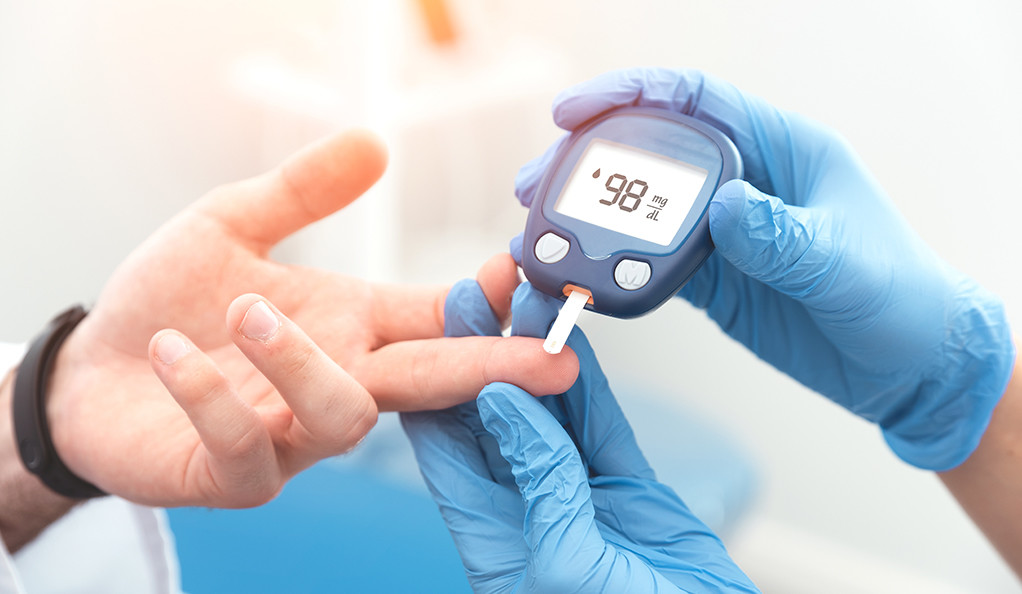

Thyroid Disorder Management
The thyroid is an endocrine gland shaped like a butterfly, located in the lower neck. It is highly significant in ensuring the general well-being of the body. It aids in regulating the body’s energy consumption, body temperature, heart rate, and the function of almost all its organs. If the thyroid gland is not functioning optimally, it can lead to an imbalance in many body processes, which may manifest in some body functions in ways that are not easily identifiable at first.
One of the most common endocrine disorders mainly affecting women is hypothyroidism, and most of them go for years without a diagnosis. Identifying symptoms early is key to effective control and management, which is why it is essential to understand how these disorders present, since their symptoms often appear vague or resemble those of other diseases, or might even be attributed to aging or stress.
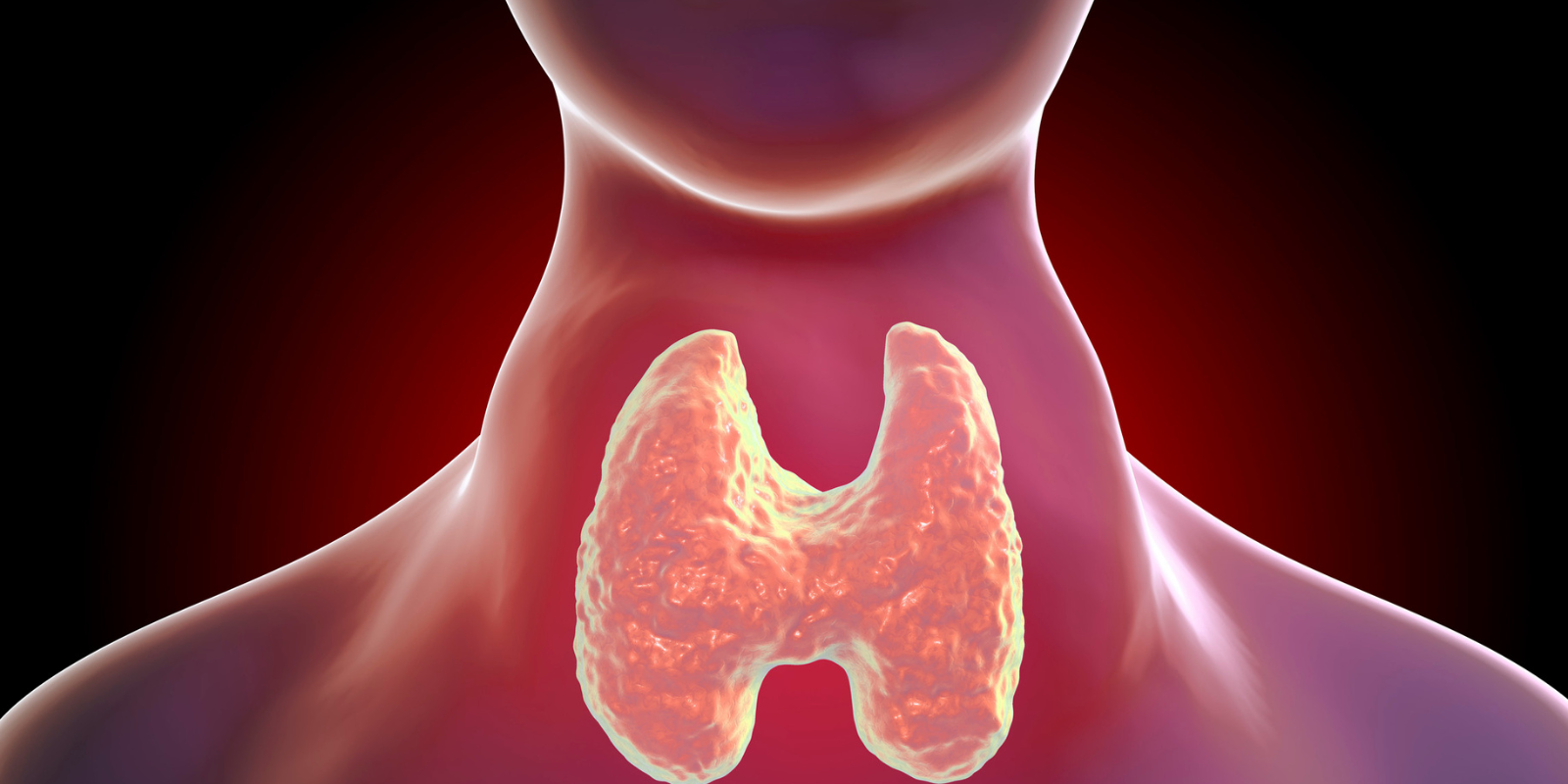
What role does the thyroid gland play?
The thyroid gland secretes hormones that regulate the body’s metabolism. The two major hormones of the thyroid gland are Thyroxine, which is T4, and Triiodothyronine, which is T3. Metabolism is the body’s process of converting food into energy. The rate at which the heart beats, the burning of calories, and the functioning of the digestive and nervous systems are all controlled by the hormones of the thyroid gland.
The pituitary gland secretes thyroid-stimulating hormone (TSH), which regulates thyroid hormone production. The pituitary gland releases more TSH to stimulate the thyroid gland when thyroid hormone levels decline. The secretion of TSH is suppressed when thyroid hormone levels rise. This feedback control system typically maintains a balance in the levels of hormones produced.
What Are Thyroid Disorders?
Thyroid disorders result from the gland producing too much or too little hormone, abnormal growth, or changes in the gland’s structure. The disorders, which can start slowly or quickly, can occur in people of all ages.
The most prevalent thyroid disorders are hypothyroidism, hyperthyroidism, autoimmune thyroid conditions, thyroid nodules, and goiter.
Hypothyroidism: Underactive Thyroid
Hypothyroidism happens when the thyroid gland is underactive, and thyroid hormone production is insufficient. As a result, metabolic processes slow throughout the body, which can affect physical and mental health.
In many areas of the world, the most prevalent cause of hypothyroidism is an autoimmune condition known as Hashimoto’s disease, in which the body’s immune system attacks its own thyroid gland. Other causes are a lack of iodine, thyroidectomy, radiation treatment to the neck, certain drugs, and congenital disabilities.
Signs of hypothyroidism
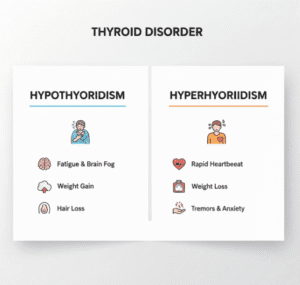
Signs of hypothyroidism typically appear gradually and include chronic tiredness, feeling cold, unusual weight gain without dietary changes, dry skin, depression, thinning hair, and problems such as constipation, trouble remembering things, unusual patterns in one’s menstrual cycle, and even mood changes. These symptoms typically overlap with many other conditions and are often misattributed or missed entirely.
Hypothyroidism can lead to serious complications, such as heart disease and troubles with reproduction. There can even be extreme complications, such as myxedema, a condition that can be fatal.
Overactive Thyroid: Hyperthyroidism
Hyperthyroidism is a condition in which the body produces excessive thyroid hormones, which regulate metabolism. This, in turn, raises the metabolism far beyond the normal levels.
The most common cause of hyperthyroidism is Graves’ disease, which is also autoimmune. There are also other causes, such as certain thyroid nodules that can produce hormones on their own, thyroid inflammation (thyroiditis), and even excessive iodine intake or iodine-containing medications.
Hyperthyroidism may appear with symptoms of sudden weight loss, worrying, increased heart rate, irregular heartbeat, extreme anxiety, higher levels of irritability, shaking, heat intolerance, sweating more than usual, increased frequency of bowel movements, and trouble sleeping, as well as muscle weakness and problems with one’s vision.
The conditions mentioned above cause an increased risk of serious problems such as heart rhythm problems (which can also be serious), bone loss, and extreme hyperthyroidism, also known as thyroid storm, which can be fatal.
Autoimmune Thyroid Diseases
Thyroid dysfunction is often the result of an autoimmune disorder. In these autoimmune disorders, the body’s immune system malfunctions by attacking the thyroid gland.
With Hashimoto’s, the thyroid gland is gradually damaged until the person becomes hypothyroid. In Graves’ disease, the thyroid gland is overstimulated, leading to hyperthyroidism. These disorders are more common in women, and both have a familial tendency.
Autoimmune thyroid disease occurs in conjunction with other autoimmune disorders, such as type 1 diabetes, celiac disease, and rheumatoid arthritis.
Thyroid Nodules and Goiter
Thyroid nodules are lumps, either solid or fluid-filled, that can develop within the thyroid gland. Many of these nodules are asymptomatic and are only discovered by chance during other medical evaluations or imaging. The majority of thyroid nodules are benign, though a small proportion may be malignant.
An enlarged thyroid gland is called a goiter. The enlargement can result from insufficient iodine intake, an autoimmune disorder, or hormonal changes. If the thyroid gland grows to an appreciable size, it can result in swallowing or breathing difficulties.
How Thyroid Disorders Are Diagnosed
Diagnosis of thyroid disorders often begins with a TSH test and tests to determine T4 and T3 levels. If the TSH is elevated and the thyroid hormones are low, hypothyroidism is indicated. Conversely, if TSH is low and thyroid hormone levels are elevated, it indicates hyperthyroidism.
Further assessments may include antibody testing to determine autoimmune etiology, ultrasounds to assess for nodules and swelling, and iodine-uptake scans to evaluate thyroid function.
Diagnosis is usually clear-cut, though very subtle cases may need to be reevaluated over time. The specific thyroid disorder, its degree of severity, and other personal health circumstances determine the course of treatment.
Addressing Hypothyroidism
Hypothyroidism is predominantly managed with levothyroxine, a synthetic thyroid hormone that fills the metabolic gap left by the hormone and restores thyroid gland function.
This process typically runs for the remainder of the patient’s life, involving blood tests to determine the optimal dosage. If the patient takes the medication as prescribed, almost all patients report symptom relief.
Addressing Hyperthyroidism
Among the most common treatment options for hyperthyroidism awaiting treatment are hormone-suppressing medication, surgical removal of diseased thyroid tissue, and radioactive iodine therapy.
The treatment pathway is patient-specific and varies based on age, symptom severity, underlying cause, and personal choice, as there are differing risks and benefits for every treatment pathway.
Follow Up on Thyroid Nodules.
Usually, there is no need for treatment for benign nodules; however, there should be continuing surveillance of the nodule for contraction, changes in size, or differences in appearance for nodules that are benign. Suspicious nodules may be removed, and biopsies may be required.
Lifestyle and Thyroid Health
The role of lifestyle changes is supportive only and cannot result in the healing of thyroid disorders. Thyroid disorders are supported by balanced nutrition, stress management, adequate sleep,, and sufficient iodine intake.
Some other foods and supplements can temporarily reduce the absorption of thyroid medications, so consistency and timing become even more important. People with thyroid disorders should work with a healthcare provider to adjust supplements and diet.
Thyroid Disorders and Mental Health
Thyroid disorders can also have a significant impact on one’s mental state as well as affect cognitive focus and emotional stability. Depression, along with sluggish mental energy and slow mental processing, is an issue resulting from hypothyroidism, and, on the other end, hyperthyroidism is characterized by feelings of restlessness and irritability, along with anxiety.
Mental health diagnosis within therapy and counseling is often neglected, and focus is mainly placed on one’s thyroid condition as it is one of the primary causes for mental health issues.
Thyroid Disorders in Women
Thyroid disorders are more common in women, and the shift in hormones, which can take place in menopause, postpartum periods, and even during pregnancy, can affect thyroid function.
Pregnancy-related thyroid disorders that go untreated can result in adverse consequences, so it is crucial to perform screening and monitoring.
When to See a Doctor
Thyroid testing should be considered for anyone with unexplained changes, persistent fatigue, or changes in mood or heart rate. People with a family history of autoimmune diseases or thyroid disorders may benefit from regular screening. The risk of complications is significantly reduced when they are identified early and treated correctly.
Contact us if you need any medical information, guidance, or support.