
Top Foods To Naturally Balance Hormones: A Women’s Wellness Guide
Are you concerned about your wellness and also working on it but neglecting an important factor? Well, have you ever thought that your hormones are strongly linked to your wellness? Having a good hormonal balance is essential for keeping you healthy and maintaining your overall well-being.
When your hormones are not in balance, a wide range of physiological processes within your body can get disturbed, making you susceptible to various diseases and bad health.

You can have weight gain, mood swings, stress, low energy, reproductive problems, disturbed metabolism, and even sleep issues. The condition can get more severe and result in bigger consequences if it is not managed on time. So, keep in mind that by working on your hormones, you can help your body with resolving multiple health issues and improve your health.
Have You Ever Thought of focusing on Your Diet for Hormone Balancing?
You may know that hormones are the chemical messengers in your body which are responsible for carrying out a wide range of works in your body, but do you also know that the formation of these chemicals is basically based on the foods you eat.
So for balancing your hormones, you must have to work on the food you take and make wiser choices in this regard.
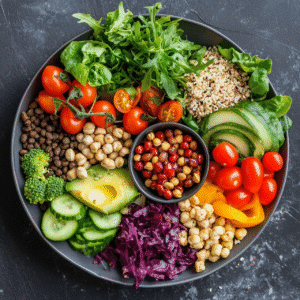
Here we have given a brief guideline about how you need to work on your diet for hormone balancing and also mentioned some top foods that will help you in balancing your hormones naturally. You don’t have to be hard on yourself for including them in your diet, rather, work slowly and consistently towards achieving your goal.
What are Some General Principles about Working on Your Diet for Hormone Balancing?
If you want to improve your hormonal health, focus on your diet and make sure to take well-balanced healthy diet. The food we eat makes and regulates the hormones in us. Some general guidelines about working on the diet for hormone balance are:
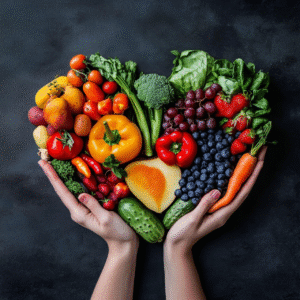
- You must include fruitsparticularly the low-sugar ones, citrus, berries, apples and pears daily in your diet.
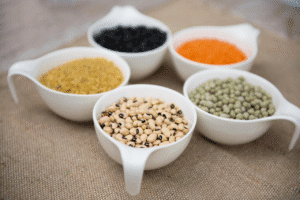
- Apart from this, lean proteins, whole grains such as brown rice, quinoa, oats, buckwheat, chickpeas, lentils, and beans should also be part of your diet.
- Some colorful vegetablesparticularly the cruciferous ones such as broccoli, radish, cabbage, cauliflower, kale, and bok choy, make an integral part of your hormone-healthy diet.
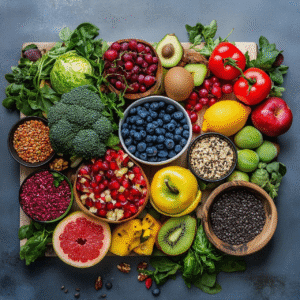
- An important point here for optimizingyour hormonal health is including a healthy fat source in your diet and avoiding trans fat. You can have fatty fish, avocado, chia seeds, egg yolks, and nuts.
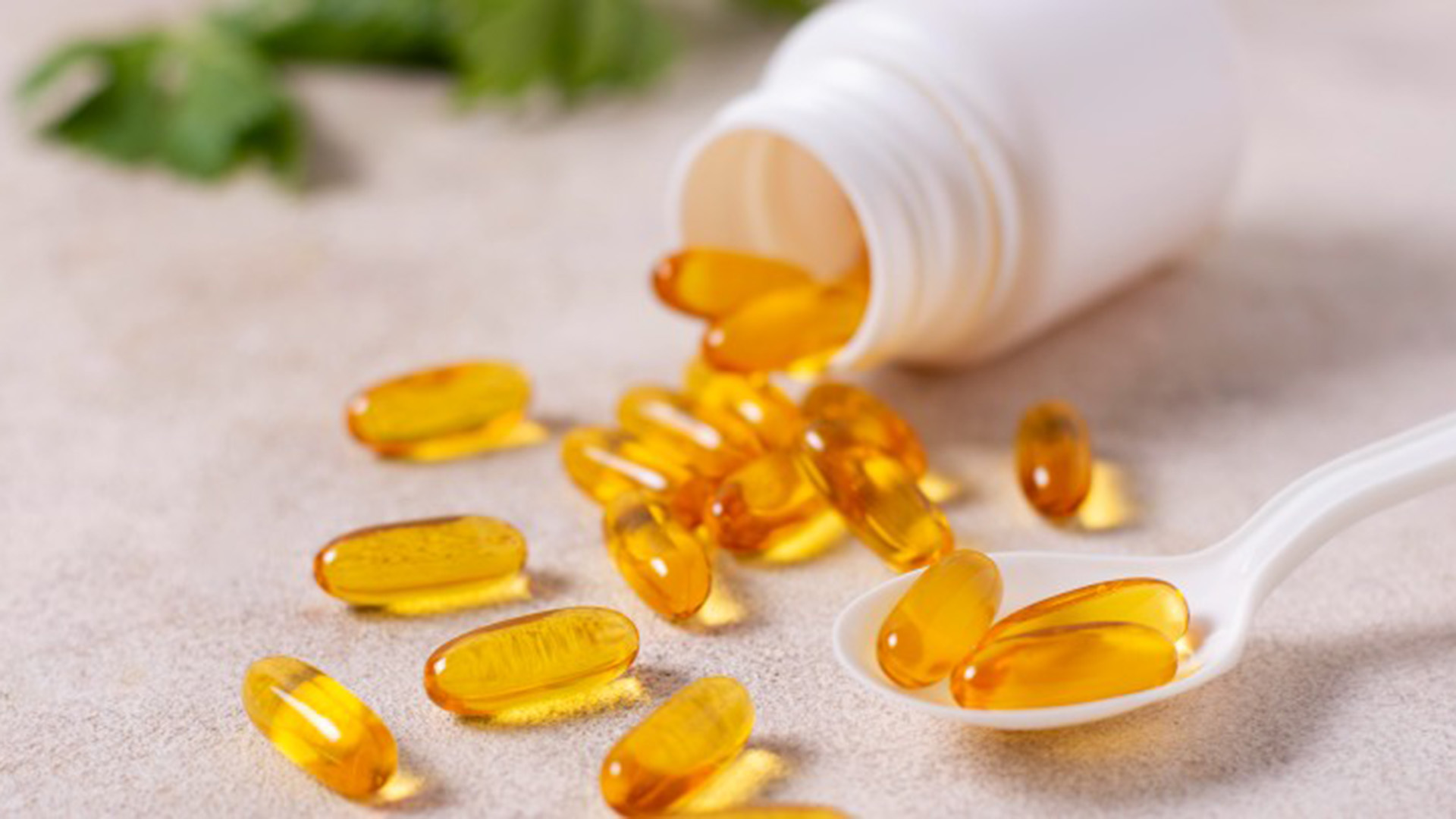
Omega-3 fatty acids work great for balancing your hormones. A good amount of healthy fats that is at least 20-30 grams daily in diet, helps in optimal hormone levels and their functioning.
A 12-week study on aged females found that intake of omega-3 supplements helped them in regulating the generation of their hormones.
Women can also try seed cycling. For seed cycling, you have to consume one tablespoon each of pumpkin seeds and flaxseeds on the first 15 days of the cycle and one teaspoon each of sesame seeds and sunflower seeds on the next 15 days of the cycle.
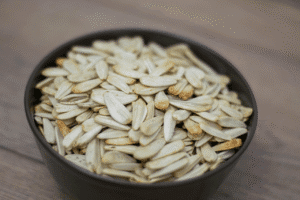
- Green tea and herbalsalso help in cleansing your liver of any toxins and promoting hormonal metabolism and balance. Ginger, garlic, turmeric, sumac, and paprika must be part of your curries.

- Also, remember to have a balanced amount of caloriesat regular intervals, as consuming too few or too many both can lead to hormonal imbalances.
- Always choose organic productslike organic fruits and vegetables, because they are free from harmful chemicals which can disrupt your hormonal balance.
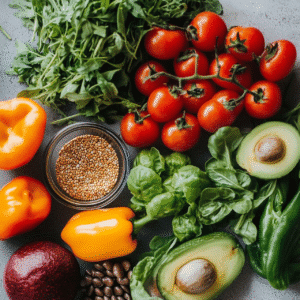
Top Foods for Balancing Your Hormones Naturally
For different health conditions, the balance of different hormones get disrupted so you may need to have specific foods to work for each scenario. Here we have generally mentioned some top foods which must be part of your diet to help you balance your hormones naturally:
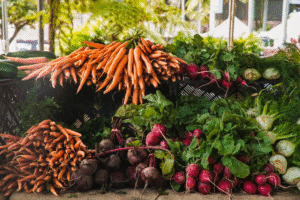
Root vegetables
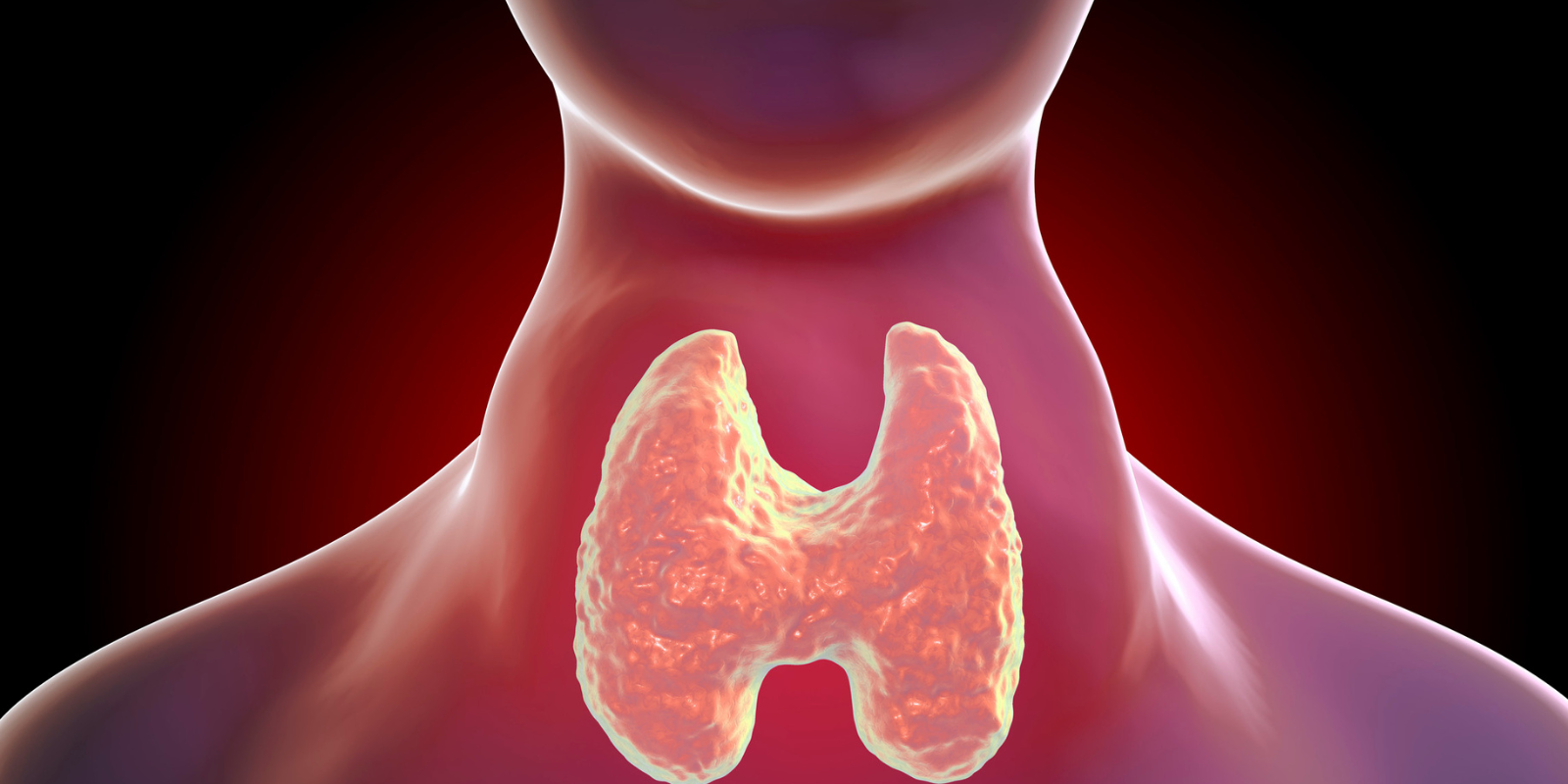
They give you good amounts of beta carotene, which helps to make vitamin A in your body. Vitamin A is needed for balancing your sex hormones and improving your thyroid hormone function too, hence improving your health.
Women must learn to incorporate root vegetables such as carrots, sweet potatoes, and vining vegetables such as pumpkin and butternut squash in their diet.
Whole-grain carbohydrates
Whole-grains such as brown rice, faro, and quinoa are good sources of complex carbohydrates and fiber. They release sugar into the bloodstream slowly and steadily because of their low glycemic index.
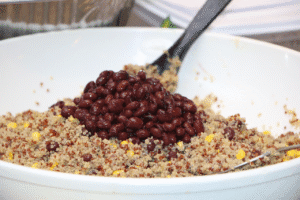
This approach helps in regulating your glucose levels which in turn keeps your blood insulin levels in check. As you know if insulin levels get disturbed, it leads to several women health issues.
This fiber is also good for improving your gut microbiome which is linked with hormonal balance too.
Cruciferous vegetables
With fast food culture and so many unhealthy options around, not much people are interested in eating veggies. But you need to because they are a fantastic option for improving your hormones and health.
You must learn some interesting recipes to include crunchy vegetables such as cauliflower, broccoli, turnip greens, bok choy, kale, and brussel sprouts in your diet.
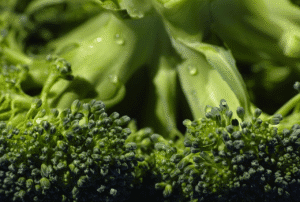
These vegetables have antoxidant and anti-inflammatory compounds which supports the production and balance of hormones and also improves your overall health.
Green tea
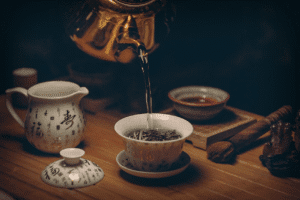
Green tea is famous as a healthy beverage in folks and indeed it is. Talking about hormonal balance, green tea is good for improving your body’s response to insulin.
A research study investigated the effect of green tea on hormonal balance in overweight and obese women with PCOS and found that green tea is quite effective for reducing testosterone levels, weight, and fasting insulin levels, all of which are key factors in PCOS.
Leafy greens
For maintaining women’s health, they need a good iron source throughout their lives. Leafy greens such as kale, spinach, and swiss chard are not only excellent sources of iron but also packed with other essential nutrients, all of which are needed for hormone production.
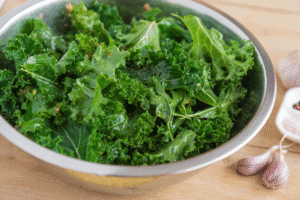
Take them with a vitamin C source such as lemon juice to increase bioavailability of iron and its better absorption in the body.
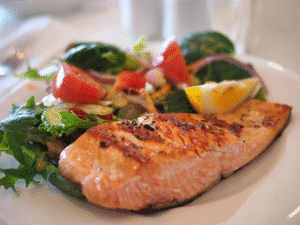
Fatty fish (Trout, Salmon, Sardines)
This is something must because it has omage-3 fatty acids such as DHA and EPA which are needed for building your hormones and ultimately resulting in hormonal balance and better function.
Another interesting factor is their ability to reduce inflammation which also helps to positively impact the production of hormones.
Prebiotics and probiotics
As already mentioned, your gut health has a strong link with your hormonal health. If you want to have optimal hormonal health, you must have to work on maintaining a healthy gut microflora.
Some foods good for this purpose are asparagus, oats, bananas, almonds, garlic, and onion as they are good sources of prebiotics.
For probiotics, you can have fermented foods such as kimchi, kefir, kombucha, yogurt, and sauerkraut.
You must consult a nutritionist to help you choose the right balance of prebiotics and probiotics according to your health.
Berries
These are small fruits but large bundles of health. Strawberries, blackberries, raspberries, and blueberries have good content of antioxidant phytochemicals, vitamin A, and vitamin C.
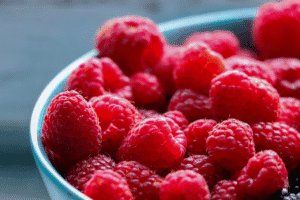
Adrenal gland which makes several hormones such as cortisol, estrogen, and androgens can get badly affected with oxidative stress. So the antioxidants from these berries give protection against oxidative stress and reduce hormonal disruption.
Nuts and seeds
You may already know that nuts and seeds are excellent sources of healthy fats along with vitamins D, E, and minerals such as magnesium, selenium, iodine, and zinc which are needed for hormonal balance.
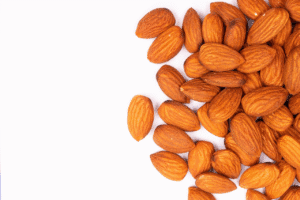
You must have chia seeds and flaxseeds because they have healthy fats, and fiber which improves your gut health too.
What Foods You Should Avoid For Hormonal Balance?
Some foods can disrupt your hormones so you should not include them in your diet for hormonal balance. Here is given a list of them:
Alcohol
Excessive alcohol intake can disturb your hormone levels from thyroid to reproductive so you must exclude it from your diet.

Processed meats
Natural things are more nearer our health. When we go for processed foods such as processed meats in form of deli meats, bacon, and sausages, we are introducing preservatives like nitrates in our body which are major hormone disruptors, so choose organic fresh meat.

Caffeine
It is commonly known that with teas and coffees, your sleep disturbs. This is because caffeine in them can decrease your melatonin hormone levels and increase stress hormone cortisol. This can affect your circadian rhythm too. Have them but in moderation.
High glycemic index carbohydrates
This includes white sugar, white bread and other such products like pastries, doughnuts and cookies which cause rapid blood sugar spikes and disturb your hormonal balance.

Artificial sweeteners
Another linked with this one is artificial sweeteners as found in diet sodas. They target your hormone signaling which increases the problem of hormonal imbalance and worsen issues like insulin resistance.

Saturated fats
Mostly fast foods, full-fat dairy products, and processed snacks have them. Limit these foods as they also cause inflammation in body and are major hormone disruptors.
The Takeaway
If you want to stay healthy, your hormonal balance is a major factor. Those not having their hormones in balance are vulnerable to a range of diseases. Women’s wellness is strongly linked to the hormones working in them. A little up and down can impact everything from their mood, and metabolism, to sleep and fertility.
Slowly and with taking simple steps start working on your diet to improve your hormonal health. With a well-balanced diet, you will see improvements in your hormonal balance and ultimately energy levels, mood and overall well-being.
However always make sure to consult a registered dietician before making any drastic changes in your diet or for personalized advice.
References
Segarra I, Menárguez M, Roqué MV. Women’s health, hormonal balance, and personal autonomy. Front Med (Lausanne). 2023 Jun 30;10:1167504. doi: 10.3389/fmed.2023.1167504. PMID: 37457571; PMCID: PMC10347535.
Tehrani HG, Allahdadian M, Zarre F, Ranjbar H, Allahdadian F. Effect of green tea on metabolic and hormonal aspect of polycystic ovarian syndrome in overweight and obese women suffering from polycystic ovarian syndrome: A clinical trial. J Educ Health Promot. 2017 May 5;6:36. doi: 10.4103/jehp.jehp_67_15. PMID: 28584836; PMCID: PMC5441188.
Fuhrman BJ, Pfeiffer RM, Wu AH, Xu X, Keefer LK, Veenstra TD, Ziegler RG. Green tea intake is associated with urinary estrogen profiles in Japanese-American women. Nutr J. 2013 Feb 15;12:25. doi: 10.1186/1475-2891-12-25. PMID: 23413779; PMCID: PMC3584908.
Dhamija P, More A, Choudhary N, Wadhe T, Barai J, Shah D. Seed Cycling and Hormonal Balance: A Case Study of Successful Fertility Intervention in Polycystic Ovarian Syndrome. J Pharm Bioallied Sci. 2025 May;17(Suppl 1):S1030-S1033. doi: 10.4103/jpbs.jpbs_164_25. Epub 2025 Apr 12. PMID: 40511049; PMCID: PMC12156535.
Ouladsahebmadarek E, Khaki A, Khanahmadi S, Ahmadi Ashtiani H, Paknejad P, Ayubi MR. Hormonal and metabolic effects of polyunsaturated fatty acid (omega-3) on polycystic ovary syndrome induced rats under diet. Iran J Basic Med Sci. 2014 Feb;17(2):123-7. PMID: 24711896; PMCID: PMC3976750.
Mazza E, Troiano E, Ferro Y, Lisso F, Tosi M, Turco E, Pujia R, Montalcini T. Obesity, Dietary Patterns, and Hormonal Balance Modulation: Gender-Specific Impacts. Nutrients. 2024 May 26;16(11):1629. doi: 10.3390/nu16111629. PMID: 38892561; PMCID: PMC11174431.
Develaraja S, Reddy A, Yadav M, Jain S, Yadav H. Whole Grains in Amelioration of Metabolic Derangements. J Nutrit Health Food Sci. 2016;4(4):1-11. doi: 10.15226/jnhfs.2016.00173. Epub 2016 Oct 24. PMID: 28944285; PMCID: PMC5609487.
Marks V. How our food affects our hormones. Clin Biochem. 1985 Jun;18(3):149-53. doi: 10.1016/s0009-9120(85)80099-0. PMID: 3888442.
Chandana, Siri & Maurya, Neelesh. (2024). Nutritional influences on hormonal homeostasis: Exploring mechanisms and implications. International Journal of Food Science and Nutrition. 9. 1-5.
Campbell M, Jialal I. Physiology, Endocrine Hormones. [Updated 2022 Sep 26]. In: StatPearls [Internet]. Treasure Island (FL): StatPearls Publishing; 2025 Jan-. Available from: https://www.ncbi.nlm.nih.gov/books/NBK538498/
Pataky MW, Young WF, Nair KS. Hormonal and Metabolic Changes of Aging and the Influence of Lifestyle Modifications. Mayo Clin Proc. 2021 Mar;96(3):788-814. doi: 10.1016/j.mayocp.2020.07.033. PMID: 33673927; PMCID: PMC8020896.
Wang Haiqiang , Shi Fan , Zheng Lihong , Zhou Wenhui , Mi Bowen , Wu Siyu , Feng Xiaoling. Gut microbiota has the potential to improve health of menopausal women by regulating estrogen. Frontiers in Endocrinology. Volume 16 – 2025. https://www.frontiersin.org/journals/endocrinology/articles/10.3389/fendo.2025.1562332. DOI=10.3389/fendo.2025.1562332
Fu J, Zheng Y, Gao Y, Xu W. Dietary Fiber Intake and Gut Microbiota in Human Health. Microorganisms. 2022 Dec 18;10(12):2507. doi: 10.3390/microorganisms10122507. PMID: 36557760; PMCID: PMC9787832.
Malin SK, Kullman EL, Scelsi AR, Haus JM, Filion J, Pagadala MR, Godin JP, Kochhar S, Ross AB, Kirwan JP. A whole-grain diet reduces peripheral insulin resistance and improves glucose kinetics in obese adults: A randomized-controlled trial. Metabolism. 2018 May;82:111-117. doi: 10.1016/j.metabol.2017.12.011. Epub 2018 Jan 3. PMID: 29305946; PMCID: PMC5930046.
Farhangi MA, Keshavarz SA, Eshraghian M, Ostadrahimi A, Saboor-Yaraghi AA. The effect of vitamin A supplementation on thyroid function in premenopausal women. J Am Coll Nutr. 2012 Aug;31(4):268-74. doi: 10.1080/07315724.2012.10720431. PMID: 23378454.
Kim K, Wactawski-Wende J, Michels KA, Schliep KC, Plowden TC, Chaljub EN, Mumford SL. Dietary minerals, reproductive hormone levels and sporadic anovulation: associations in healthy women with regular menstrual cycles. Br J Nutr. 2018 Jul;120(1):81-89. doi: 10.1017/S0007114518000818. Epub 2018 Apr 20. PMID: 29673411; PMCID: PMC6019139.s
Patani A, Balram D, Yadav VK, Lian KY, Patel A, Sahoo DK. Harnessing the power of nutritional antioxidants against adrenal hormone imbalance-associated oxidative stress. Front Endocrinol (Lausanne). 2023 Nov 30;14:1271521. doi: 10.3389/fendo.2023.1271521. PMID: 38098868; PMCID: PMC10720671.
Mamatha Kumari, Sheetal Gupta, A.Jyothi Lakshmi, Jamuna Prakash, Iron bioavailability in green leafy vegetables cooked in different utensils, Food Chemistry, Volume 86, Issue 2, 2004, Pages 217-222, ISSN 0308-8146, https://doi.org/10.1016/j.foodchem.2003.08.017.
Rachdaoui N, Sarkar DK. Effects of alcohol on the endocrine system. Endocrinol Metab Clin North Am. 2013 Sep;42(3):593-615. doi: 10.1016/j.ecl.2013.05.008. PMID: 24011889; PMCID: PMC3767933.
Poulsen R, Cedergreen N, Hayes T, Hansen M. Nitrate: An Environmental Endocrine Disruptor? A Review of Evidence and Research Needs. Environ Sci Technol. 2018 Apr 3;52(7):3869-3887. doi: 10.1021/acs.est.7b06419. Epub 2018 Mar 13. PMID: 29494771.
Jeongbin Park, Ji Won Han, Ju Ri Lee, Seonjeong Byun, Seung Wan Suh, Tae Kim, In Young Yoon, Ki Woong Kim, Lifetime coffee consumption, pineal gland volume, and sleep quality in late life, Sleep, Volume 41, Issue 10, October 2018, zsy127, https://doi.org/10.1093/sleep/zsy127
Goveas, L.C. Artificial Sweeteners and the One Health crisis: Toxicity effects and Ecological consequences. Discov Appl Sci 7, 535 (2025). https://doi.org/10.1007/s42452-025-07107-w
Logan SL, Spriet LL. Omega-3 Fatty Acid Supplementation for 12 Weeks Increases Resting and Exercise Metabolic Rate in Healthy Community-Dwelling Older Females. PLoS One. 2015 Dec 17;10(12):e0144828. doi: 10.1371/journal.pone.0144828. PMID: 26679702; PMCID: PMC4682991.