
Arthritis: Types, Symptoms, Causes, Treatment & Prevention
Arthritis Types, Symptoms, Causes, and Treatment are important topics for anyone experiencing joint pain, stiffness, or inflammation.
Arthritis is a broad term used to describe inflammation of the joints, leading to pain, stiffness, swelling, and reduced mobility. It is not a single disease but rather a group of conditions that affect the joints and surrounding tissues. Arthritis can impact people of all ages, although it becomes more common with advancing age.
In many cases, arthritis develops gradually and worsens over time, significantly affecting quality of life. It is also closely associated with chronic conditions such as obesity, long-term inflammation, and metabolic disorders. Persistent joint pain and inflammation can also contribute to chronic discomfort and reduced physical activity, which further worsens overall health.
What Is Arthritis? (Understanding Joint Inflammation)
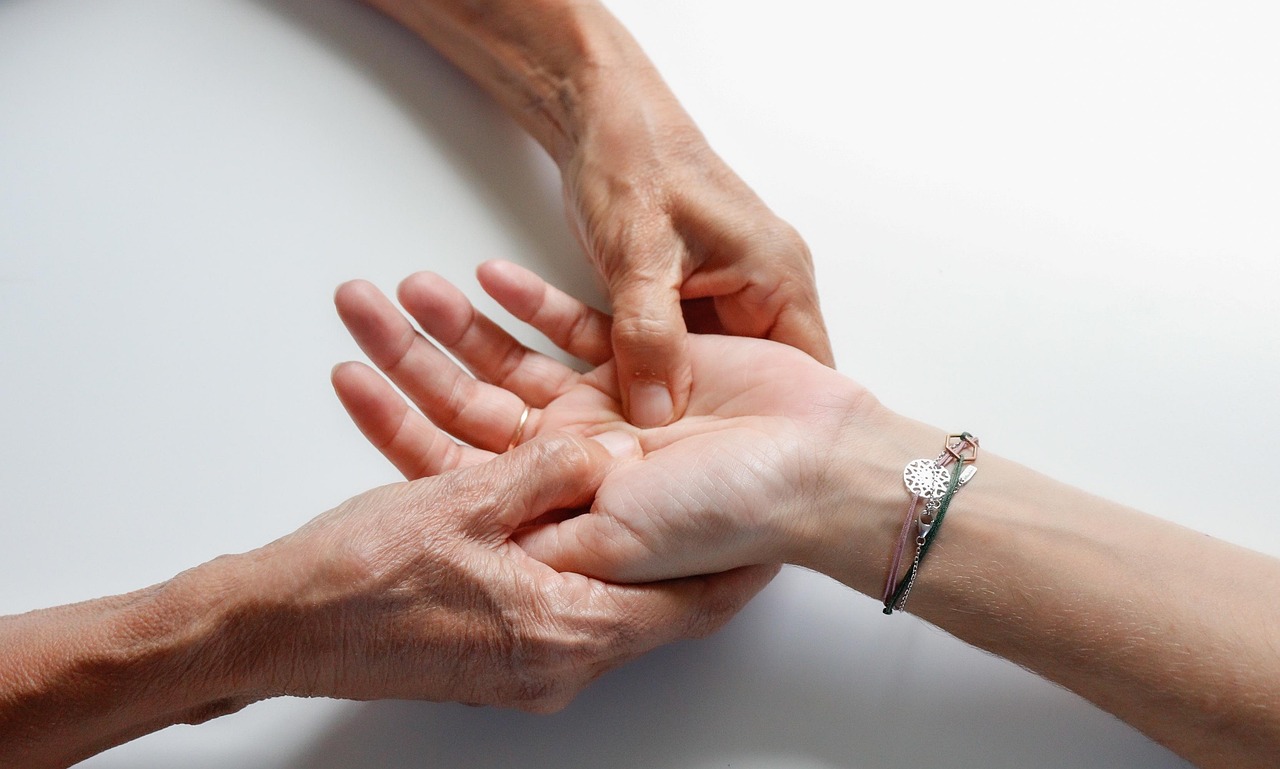
Arthritis refers to inflammation in one or more joints, causing pain and stiffness that can limit movement. A joint is the area where two bones meet, and it is supported by cartilage, ligaments, and synovial fluid that allow smooth movement.
When arthritis develops, this smooth system becomes disrupted. Cartilage may wear down, synovial fluid may decrease, and inflammation may damage surrounding tissues. Over time, this leads to pain and restricted mobility.
Arthritis Types
Osteoarthritis (Degenerative Joint Disease)
Osteoarthritis is the most common form of arthritis and occurs when the protective cartilage that cushions the ends of bones gradually wears down. It is often called “wear and tear” arthritis and commonly affects weight-bearing joints such as the knees, hips, and spine.
Rheumatoid Arthritis (Autoimmune Arthritis)
Rheumatoid arthritis is an autoimmune condition in which the immune system mistakenly attacks the lining of the joints. This leads to chronic inflammation, pain, and joint deformity over time.
Gout (Uric Acid Crystal Arthritis)
Gout is a type of arthritis caused by the buildup of uric acid crystals in the joints. It often affects the big toe and can cause sudden, severe pain episodes.
Other Types of Arthritis (Psoriatic & Lupus-Related)
There are other types of arthritis, including psoriatic arthritis and lupus-related arthritis, which are associated with autoimmune conditions.
Causes of Arthritis
The causes of arthritis vary depending on the type, but most forms involve inflammation and joint damage over time.
In osteoarthritis, the main cause is the gradual breakdown of cartilage due to aging, repetitive stress, or joint injury. Excess body weight is a major contributing factor, as seen in individuals with obesity, since additional weight increases pressure on joints.
Rheumatoid arthritis is caused by an abnormal immune response where the body attacks its own tissues. Genetic factors and environmental triggers may also play a role.
Gout develops when uric acid levels in the blood become too high, leading to crystal formation in joints. Diet, alcohol consumption, and metabolic issues can contribute to this condition.
Risk Factors for Arthritis
Several factors increase the likelihood of developing arthritis. Age is a major risk factor, particularly for osteoarthritis, as joint wear increases over time. Obesity significantly increases joint stress, especially in the knees and hips.
A family history of arthritis may increase susceptibility, particularly for autoimmune types like rheumatoid arthritis. Previous joint injuries can also raise the risk of developing arthritis later in life.
Chronic conditions such as obesity further increase the risk due to increased inflammation and mechanical stress on joints.
Symptoms of Arthritis
The symptoms of arthritis depend on the type and severity of the condition but commonly include joint pain, stiffness, and swelling. Pain may worsen with movement or after periods of inactivity.
Many individuals also experience reduced range of motion, making it difficult to perform daily tasks such as walking, climbing stairs, or gripping objects. Inflammatory types of arthritis may also cause redness and warmth around the affected joints.
In advanced cases, joint deformity and chronic disability may occur, especially in untreated rheumatoid arthritis.
Complications of Untreated Arthritis
If left untreated, arthritis can lead to long-term complications. Chronic pain may limit mobility and reduce physical activity, which can contribute to weight gain and worsening of conditions like obesity.
Severe arthritis can cause permanent joint damage and deformity, particularly in autoimmune forms. Reduced mobility can also impact mental health, leading to depression and reduced quality of life.
In some cases, inflammation from arthritis may also affect other organs, especially in autoimmune conditions.
Diagnosis of Arthritis
Physical Examination
Diagnosis often begins with a physical examination where a doctor assesses joint swelling, tenderness, and range of motion.
Imaging Tests (X-ray, MRI, Ultrasound)
X-rays, MRI scans, or ultrasound may be used to evaluate joint damage and inflammation. These tests help determine the severity of the condition.
Blood Tests
Blood tests are particularly useful in diagnosing autoimmune forms like rheumatoid arthritis. They can detect inflammation markers and antibodies.
Joint Fluid Analysis
In some cases, fluid from the joint may be analyzed to identify infection or uric acid crystals, especially in gout.
Treatment of Arthritis
Treatment for arthritis is aimed at reducing pain, improving joint movement, and slowing or preventing further joint damage. The exact treatment plan depends on the type of arthritis, its severity, and how much it affects daily activities. A combination of medical treatment and lifestyle changes is usually most effective.
Medications
Medications are often the first line of treatment for managing symptoms. Pain relievers such as acetaminophen and anti-inflammatory drugs (NSAIDs) help reduce pain and swelling in the joints. In cases of autoimmune arthritis, such as rheumatoid arthritis, disease-modifying antirheumatic drugs (DMARDs) may be used to slow down the progression of the disease and prevent long-term joint damage. These medications target the immune system to reduce inflammation at its source rather than only treating symptoms.
Physical Therapy
Physical therapy is an important part of arthritis management because it helps maintain joint flexibility, strength, and overall mobility. Guided exercises can reduce stiffness, improve range of motion, and support surrounding muscles, which helps reduce pressure on affected joints. Regular physical therapy can also improve balance and prevent further joint deterioration.
Lifestyle Modifications
Lifestyle changes play a key role in managing arthritis symptoms. Maintaining a healthy body weight is especially important because excess weight increases pressure on weight-bearing joints such as the knees, hips, and spine. Low-impact exercises like walking, swimming, and cycling are often recommended because they help keep joints active without causing excessive strain. Rest is also important during flare-ups to prevent worsening inflammation.
Surgical Treatment
In severe cases where joint damage is advanced and other treatments are not effective, surgical intervention may be necessary. Procedures such as joint replacement surgery can help restore movement, reduce pain, and improve quality of life. Surgery is usually considered only when arthritis significantly affects daily functioning.
Prevention of Arthritis
Not all types of arthritis can be fully prevented, especially those caused by autoimmune conditions or genetic factors. However, several strategies can reduce the risk of developing arthritis or slow its progression.
Maintaining a healthy weight is one of the most important preventive measures, as it reduces stress on joints and lowers inflammation in the body. Regular physical activity helps keep joints flexible and strengthens supporting muscles, reducing the likelihood of injury. Avoiding joint injuries through proper posture, safe exercise techniques, and protective equipment is also important.
A balanced diet rich in anti-inflammatory foods such as fruits, vegetables, whole grains, and healthy fats may help support joint health. Additionally, managing underlying conditions like obesity and metabolic disorders can further reduce the risk of joint damage over time.
Frequently Asked Questions (FAQs)
1. Can arthritis be cured completely?
Arthritis cannot usually be cured completely, especially chronic forms like osteoarthritis and rheumatoid arthritis. However, symptoms can be effectively managed with medications, therapy, and lifestyle changes, allowing many people to lead active lives.
2. What is the difference between arthritis and joint pain?
Joint pain is a symptom, while arthritis is a condition that causes joint pain along with inflammation and stiffness. Not all joint pain is due to arthritis, but persistent pain may indicate an underlying joint disorder.
3. Does exercise worsen arthritis?
No, appropriate exercise does not worsen arthritis. In fact, low-impact activities can improve joint flexibility, reduce stiffness, and strengthen surrounding muscles. However, high-impact activities should be avoided if they cause pain.
4. Is arthritis linked to obesity?
Yes, obesity is a major risk factor for arthritis. Excess body weight increases pressure on joints and contributes to inflammation, especially in weight-bearing areas like the knees.
5. At what age does arthritis usually start?
Arthritis can occur at any age, but osteoarthritis is more common in older adults. Rheumatoid arthritis, however, can begin in younger adults and even children in some cases.
References
- World Health Organization (WHO). Musculoskeletal Conditions
- Centers for Disease Control and Prevention (CDC). Arthritis Basics
- Mayo Clinic. Arthritis Overview
- Arthritis Foundation. Types of Arthritis
- National Institute of Arthritis and Musculoskeletal and Skin Diseases (NIAMS). Arthritis Information