
Pneumonia Symptoms, Causes, Risk Factors, and Treatment: Complete Medical Guide
Pneumonia Symptoms, Causes, Risk Factors, and Treatment are important topics to understand because pneumonia is a serious respiratory infection that can quickly become life-threatening without proper care. This condition affects the lungs by causing inflammation in the air sacs (alveoli), which may fill with fluid or pus and interfere with oxygen exchange.
Pneumonia can range from mild to severe depending on the underlying cause, age of the patient, and overall immune health. Early recognition of pneumonia symptoms and timely treatment significantly reduce complications and improve recovery outcomes.
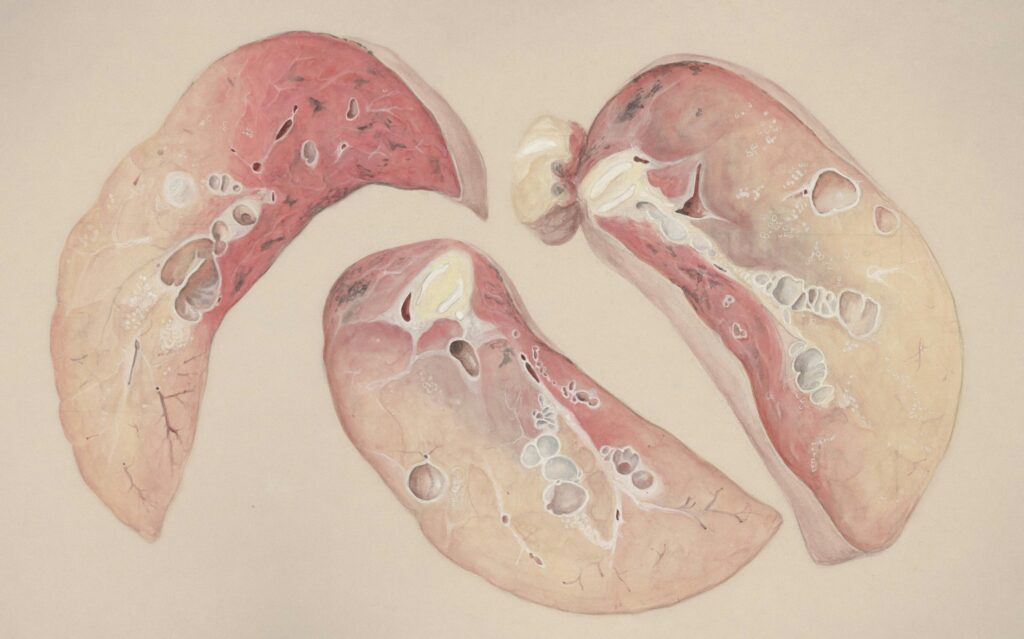
What Is Pneumonia?
Pneumonia is a lung infection that inflames one or both lungs. The air sacs may fill with fluid, leading to coughing, fever, chest pain, and breathing difficulty. The infection may be caused by bacteria, viruses, or fungi.
Bacterial pneumonia is often more severe, while viral pneumonia may begin gradually but worsen in high-risk individuals.
Pneumonia Symptoms, Causes, Risk Factors, and Treatment Overview
Understanding Pneumonia Symptoms, Causes, Risk Factors, and Treatment helps identify early warning signs and prevent severe complications.
Types of Pneumonia
Bacterial Pneumonia
Often caused by Streptococcus pneumoniae, this type may begin suddenly with high fever, chills, chest pain, and productive cough. It usually requires antibiotic therapy.
Viral Pneumonia
Viruses such as influenza can infect the lungs and cause inflammation. Symptoms may start mildly but can worsen, especially in older adults or those with chronic illnesses.
Fungal Pneumonia
More common in individuals with weakened immune systems. It develops after inhaling fungal spores from the environment.
Aspiration Pneumonia
Occurs when food, liquid, or vomit enters the lungs instead of the stomach, causing infection.
Causes of Pneumonia
Pneumonia develops when infectious agents enter the lungs and overcome the body’s immune defenses.
Bacterial Causes
The most common bacterial cause is Streptococcus pneumoniae. According to the World Health Organization (WHO), pneumonia remains a leading infectious cause of death worldwide.
https://www.who.int/news-room/fact-sheets/detail/pneumonia
Viral Causes
Influenza and other respiratory viruses can spread into the lungs and cause viral pneumonia.
Fungal Causes
Environmental fungi may infect immunocompromised individuals.

Risk Factors for Pneumonia
Several pneumonia risk factors increase the likelihood of infection:
- Advanced age
- Young children
- Diabetes
- Anemia
- Smoking
- Chronic lung disease
- Alcohol abuse
- Hospitalization or ventilator use
People with diabetes or weakened immunity have a higher risk of severe pneumonia complications.
Symptoms of Pneumonia
Common pneumonia symptoms include:
- Persistent cough (with mucus or phlegm)
- Fever and chills
- Shortness of breath
- Chest pain while breathing
- Fatigue
- Rapid breathing
- Confusion (in older adults)
Recognizing pneumonia symptoms early improves treatment outcomes.
Complications of Pneumonia
If untreated, pneumonia can cause:
- Respiratory failure
- Sepsis (blood infection)
- Pleural effusion (fluid around lungs)
- Worsening chronic disease
The Centers for Disease Control and Prevention (CDC) emphasizes early diagnosis to prevent severe complications.
https://www.cdc.gov/pneumonia/index.html
Diagnosis of Pneumonia
Physical Examination
Doctors listen for abnormal lung sounds.
Chest X-Ray
Confirms lung infection and fluid buildup.
Blood Tests
Determine infection severity and type.
Sputum Test
Identifies the exact organism causing infection.
Treatment of Pneumonia
Treatment depends on severity and cause.
Antibiotic Therapy
Used for bacterial pneumonia. Completing the full course is essential.
Antiviral or Antifungal Medication
Prescribed depending on infection type.
Supportive Care
Includes rest, hydration, fever control, and oxygen therapy.
Hospitalization
Severe cases require IV antibiotics and close monitoring.
Understanding Pneumonia Symptoms, Causes, Risk Factors, and Treatment ensures appropriate medical management and reduces mortality risk.
Prevention of Pneumonia
Prevention strategies include:
- Influenza vaccination
- Pneumococcal vaccination
- Good hygiene practices
- Smoking cessation
- Managing chronic diseases like diabetes
Vaccination is one of the most effective methods of preventing severe pneumonia.
Frequently Asked Questions About Pneumonia
Is pneumonia contagious?
Yes, bacterial and viral pneumonia can spread through respiratory droplets.
How long does recovery take?
Mild cases recover in 1–2 weeks; severe cases may take several weeks.
Who is most at risk?
Older adults, young children, smokers, and people with chronic illnesses.
Can pneumonia return?
Yes, especially if immune health remains weak.
References
- World Health Organization (WHO). Pneumonia Fact Sheet
- Centers for Disease Control and Prevention (CDC). Pneumonia Overview
- Mayo Clinic. Pneumonia Diagnosis and Treatment
- National Heart, Lung, and Blood Institute (NHLBI). Lung Infections
- American Lung Association. Understanding Pneumonia