 Written byDr Zain Maq, M.D. ✓Physician · Endocrinology & Metabolic Health
A single blood sugar reading rarely tells the whole story. A result of 5.8, 7.2 or 9.5 mmol/L can mean very different things depending on whether it was taken before breakfast, after a meal, during pregnancy or as part of a laboratory test – and on whether you already have diabetes. Glucose also rises after meals and changes with physical activity, stress, illness, medicines and hormones.
This guide explains normal blood sugar levels by time of day and by age, the laboratory thresholds used to diagnose diabetes, common treatment targets, and when to seek medical advice. Values are given in mmol/L (used in the UK) with mg/dL equivalents where helpful.
Key takeaways
- Fasting, after-meal and random readings are not interchangeable – always note when a reading was taken.
- A home finger-prick meter is for monitoring; it cannot diagnose diabetes. Diagnosis needs laboratory tests.
- A fasting lab glucose of 7.0 mmol/L (126 mg/dL) or above, or an HbA1c of 48 mmol/mol (6.5%) or above, may indicate diabetes and usually needs confirming.
- Targets for people with diabetes are personal treatment goals, not “normal ranges”, and they differ for children, older adults and pregnancy.
- A reading below 4.0 mmol/L (72 mg/dL) is generally treated as low blood sugar (hypoglycaemia) in people with diabetes.
Understanding Normal Blood Sugar Levels
Glucose is the main sugar in the blood and an important source of energy for the brain, muscles and other organs. After food is digested, glucose enters the bloodstream. The pancreas responds by releasing insulin, a hormone that helps cells take up glucose, while the liver and muscles store some of it for later. Between meals, the liver releases glucose to keep blood levels steady.
If the body does not make enough insulin, or insulin does not work as well as it should, glucose can stay high. Over time, persistently high glucose (hyperglycaemia) can damage blood vessels and nerves, leading to complications affecting the eyes, kidneys, heart and feet. Glucose that falls too low can quickly affect concentration, coordination and consciousness. Managing blood sugar is therefore about avoiding both harmful highs and harmful lows.
There is no single “normal” number for everyone at every time of day. In the UK, glucose is measured in millimoles per litre (mmol/L). Diagnostic thresholds used for laboratory tests should not be confused with the personal targets set for people who already have diabetes.
Laboratory thresholds used to diagnose diabetes
Diagnostic categories should be interpreted within the healthcare system where the test was done. The cut-off for diabetes is broadly similar worldwide, but definitions of “increased risk” vary between organisations. For example, NICE prevention guidance (PH38) identifies high risk as a fasting plasma glucose of 5.5–6.9 mmol/L or an HbA1c of 42–47 mmol/mol. That does not mean everyone with a single reading in this range is unwell.
Symptoms and the reliability of the chosen test are also considered. Someone with marked thirst, passing a lot of urine and unintended weight loss needs urgent assessment, whereas a person without symptoms and a mildly raised result may simply be asked to repeat the test. Fasting glucose, HbA1c and the oral glucose tolerance test (OGTT) are all valid, depending on the clinical question, pregnancy and factors that may affect accuracy.
| Test | Result that may indicate diabetes |
|---|---|
| Fasting venous plasma glucose | 7.0 mmol/L (126 mg/dL) or above |
| Random venous plasma glucose | 11.1 mmol/L (200 mg/dL) or above, with symptoms |
| 2-hour plasma glucose in a 75 g OGTT | 11.1 mmol/L (200 mg/dL) or above |
| HbA1c (when appropriate) | 48 mmol/mol (6.5%) or above |
A result at or above a threshold usually needs confirming, especially if the person has no typical symptoms. A finger-prick home meter is useful for monitoring, not for diagnosing diabetes; a clinician chooses the right laboratory test based on the clinical picture.
Blood Sugar Levels Throughout the Day
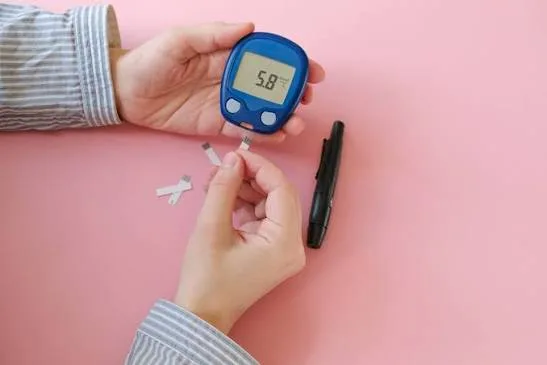
It helps to think of the day as a series of changing metabolic demands. Overnight, with no food in the gut, the liver keeps glucose available. Breakfast causes a temporary rise that falls again as glucose moves into the tissues. Walking or other activity can change this pattern, and each meal adds another rise. Sleep, hormones and insulin sensitivity all affect the size of these changes.
This is why the context of a reading matters as much as the number itself. A record that includes when the meal started, when the test was taken and which medicines were used is far more useful than a value alone. A pattern over several days can help a clinician decide whether more testing or a treatment change is needed. Fasting, after-meal and random readings are not directly interchangeable: glucose predictably rises after eating and then slowly returns to baseline, but the size of that rise varies a lot between people.
Fasting blood sugar
A fasting glucose test is usually taken after at least 8 hours without food or calorie-containing drinks. Plain water is normally allowed unless your healthcare professional tells you otherwise, but sweetened tea, juice and other drinks containing calories can affect the result. If you take medicines that can cause hypoglycaemia, do not skip or change doses just for a test without advice from your healthcare team. If you have been unwell or changed medication recently, mention this when the result is discussed.
A fasting plasma glucose of 7.0 mmol/L or higher suggests diabetes but needs confirming. Within the NICE type 2 diabetes prevention pathway, a fasting plasma glucose of 5.5–6.9 mmol/L can help identify people at higher risk. So a fasting result of 5.8 mmol/L does not diagnose diabetes, but repeated results at this level may justify further testing. If you are in the higher-risk range, see our guide on how to reverse prediabetes.
Before-meal blood sugar
Before-meal (pre-prandial) readings are most important for people who use insulin or other medicines that can cause low glucose. They help show whether insulin dose, food or activity is affecting glucose before the next meal. Not everyone with type 2 diabetes needs regular home testing – it depends on their medicines and clinical needs.
For many adults with type 1 diabetes, NICE (NG17) suggests a target of 5–7 mmol/L on waking and 4–7 mmol/L before meals at other times of day. These are treatment targets, not diagnostic reference ranges for people without diabetes. Targets are not a pass-or-fail standard: the ideal range can vary, especially for people who have frequent lows or reduced awareness of hypoglycaemia.
One hour after eating
Glucose normally rises after meals as carbohydrates are broken down and absorbed. The size of the rise depends on the type and amount of carbohydrate, fibre, the overall make-up of the meal, activity and insulin sensitivity. Foods with the same carbohydrate content can have different effects because fibre, fat and protein slow digestion, and activity and stress vary from day to day.
One-hour readings are especially relevant in pregnancy, where specific treatment targets apply. A raised 1-hour value should not be compared with a fasting diagnostic threshold. Unless your healthcare professional advises otherwise, after-meal timing is usually counted from the start of the meal. A single home reading cannot diagnose diabetes in non-pregnant adults.
Two hours after eating
A reading taken 2 hours after an ordinary meal can help reveal your glucose pattern, but it is not the same as the 2-hour value in an oral glucose tolerance test (OGTT). An OGTT uses a controlled 75 g glucose drink under laboratory conditions; a mixed meal is very different. In a non-pregnant adult, a 2-hour OGTT laboratory result of 11.1 mmol/L or above is in the diabetes range.
This means the OGTT threshold cannot be used to interpret a home reading of, for example, 9.5 mmol/L after a normal lunch. If your after-meal blood sugar readings are repeatedly high, speak to a healthcare professional.
Random blood sugar
A random blood glucose test is taken at any time, without fasting. When classic symptoms are present, a random plasma glucose of 11.1 mmol/L or above may support a diagnosis of diabetes. An abnormal random result in someone without symptoms is usually followed by further tests. Random readings can be affected by recent meals, exercise, illness, stress and medicines.
Blood Sugar Levels by Age
Age matters in diabetes care, but a simple age-based chart can be misleading. Laboratory diagnostic criteria do not have different “normal” ranges for each decade of life. The more important distinction is between diagnosing diabetes and setting safe, individual treatment targets.
Children and adolescents
Children with type 1 diabetes need targets that take account of growth, activity, school routine and the risk of hypoglycaemia. NICE (NG18) gives general targets of 4–7 mmol/L on waking, 4–7 mmol/L before meals and 5–9 mmol/L after meals. These apply to children with type 1 diabetes and are not a general diagnostic chart for all children; a specialist team may adjust them for each child.
Younger children may not be able to describe symptoms of low glucose, so a clear plan shared with caregivers and school staff is important. Insulin needs often change during puberty. New type 1 diabetes can develop quickly, so a child with excessive thirst, frequent urination, unexplained weight loss or unusual tiredness should be assessed by a doctor the same day. Vomiting, abdominal pain, rapid breathing or drowsiness may signal diabetic ketoacidosis (DKA), which is life-threatening and needs emergency treatment.
Adults
For adults, what a reading means depends mainly on diabetes status, the type of test and any treatment. In adults without known diabetes, factors such as family history, weight, blood pressure and previous gestational diabetes help identify who may benefit from testing, prevention or early treatment – the aim is not indiscriminate home testing. If symptoms or repeated abnormal results suggest a problem, a fasting plasma glucose or HbA1c test may be needed.
People with type 1 diabetes need insulin and regular monitoring, while monitoring in type 2 diabetes is tailored to treatment and risk. Diabetes reviews usually also cover blood pressure, kidney function, cholesterol and cardiovascular risk alongside glucose patterns.
Older adults
Hypoglycaemia can have particularly serious effects in later life. An unnecessarily tight glucose target can lead to dizziness, falls, confusion and hospital admission. Older people may also have frailty, kidney disease, other health conditions or memory problems that raise the risk of hypoglycaemia.
For this reason, clinicians may agree on less strict glucose or HbA1c targets when tight control would increase the risk of falls, confusion or other harm. Practical factors matter too – such as being able to use a meter reliably, remember medicines, prepare meals and recognise symptoms. Targets should be a shared decision based on the person’s overall health, priorities and support, not on age alone.
Blood Sugar During Pregnancy
Pregnancy needs a specific approach, because the mother’s glucose control affects both mother and baby. Insulin sensitivity falls as pregnancy progresses, which can raise glucose even in women whose levels were previously normal. Gestational diabetes is high blood glucose first recognised during pregnancy, and screening follows local maternity guidance based on individual risk.
Where this can be achieved without problematic hypoglycaemia, NICE (NG3) recommends the following targets for pregnant women with diabetes:
| Timing | Pregnancy target |
|---|---|
| Fasting | Below 5.3 mmol/L |
| 1 hour after meals | Below 7.8 mmol/L |
| 2 hours after meals | Below 6.4 mmol/L |
| When using insulin | Keep glucose above 4.0 mmol/L |
These are pregnancy treatment targets, not normal ranges for non-pregnant adults. HbA1c should not replace the appropriate glucose tests for gestational diabetes. If diet and activity changes do not achieve the targets, the maternity team may recommend medicine; monitoring frequency and birth planning are tailored to each woman. Women who had gestational diabetes benefit from follow-up after birth, as they have a higher risk of type 2 diabetes later in life. Anyone worried about glucose during pregnancy should speak with their midwife or maternity diabetes team.
HbA1c and Long-Term Glucose Control
Unlike a meter reading, HbA1c reflects average glucose levels over roughly the past 2–3 months, because it measures glucose attached to red blood cells over their lifespan. Changes in diet or treatment can therefore take a while to show. In the NICE prevention pathway, 42–47 mmol/mol (6.0–6.4%) indicates higher risk, and 48 mmol/mol (6.5%) or above is the diabetes threshold when HbA1c is an appropriate test.
| HbA1c | Approximate % | General interpretation |
|---|---|---|
| Below 42 mmol/mol | Below 6.0% | Below the NICE high-risk range |
| 42–47 mmol/mol | 6.0–6.4% | Higher risk of type 2 diabetes |
| 48 mmol/mol or above | 6.5% or above | Diabetes threshold, when HbA1c is appropriate |
HbA1c does not replace day-to-day glucose monitoring. Two people with the same HbA1c may have very different patterns – one steady, the other with frequent highs and lows – so a good average does not rule out hypoglycaemia. HbA1c can also be unreliable with some types of anaemia, haemoglobin variants, recent blood loss or transfusion and some kidney conditions. If the result does not fit the clinical picture, a clinician may use a different test.
Blood Sugar Targets for People Already Diagnosed With Diabetes
Diagnostic thresholds and treatment targets answer different questions. Thresholds decide whether diabetes is present; targets aim for safe glucose control that lowers the risk of complications while avoiding hypoglycaemia.
NICE (NG28) suggests an HbA1c target of 48 mmol/mol (6.5%) for many adults with type 2 diabetes managed by lifestyle or medicines that do not cause hypoglycaemia, and 53 mmol/mol (7.0%) for those taking medicines that can cause hypoglycaemia. These goals can be adjusted to personal circumstances. Adults with type 1 diabetes rely on insulin and careful monitoring.
A good diabetes care plan includes not just target readings but what to do when glucose is outside the agreed range – covering food, activity, medicines, sick-day rules and ketone testing where relevant. Targets should be reviewed when circumstances change, such as pregnancy, new medicines, kidney disease, frequent lows or changes in activity. Never start, stop or change diabetes medicines, including insulin, based on a general online chart – always follow your own care plan.
Interpreting Common Blood Sugar Readings
What does a fasting reading of 5.8 mmol/L mean?
A fasting home reading of 5.8 mmol/L (about 104 mg/dL) does not diagnose diabetes. Under NICE prevention guidance, a laboratory fasting result in this range may indicate higher risk when considered with other risk factors. If your readings are repeatedly in this range, discuss them with your GP, who may arrange a formal test.
Is 7.2 mmol/L high?
It depends on timing. A fasting laboratory plasma glucose of 7.2 mmol/L (about 130 mg/dL) is above the diabetes threshold and usually needs confirming. The same number measured at home after a meal does not, on its own, meet any diabetes threshold. Always check how and when the test was done first.
What does 9.5 mmol/L two hours after eating mean?
A reading of 9.5 mmol/L (about 171 mg/dL) two hours after a normal meal shows your glucose at that moment; it does not diagnose diabetes, and it cannot be compared with OGTT criteria. The meal, timing, any diagnosis and your overall pattern all matter. If after-meal readings are persistently high, see a clinician for proper assessment.
Why might blood sugar be higher in the morning?
Overnight hormonal changes can raise glucose in the early morning – often called the dawn phenomenon. Late meals, illness, stress, poor sleep, medicine effects or not enough insulin can also contribute. If morning highs persist, review the trend with your diabetes care team.
Why Blood Sugar Readings Vary
Glucose is dynamic, so two readings taken in apparently similar conditions may differ. Carbohydrate-containing food usually raises glucose, while physical activity may lower it depending on its type, duration and your treatment. Some medicines (such as corticosteroids), stress hormones, infection, poor sleep, dehydration and normal biological variation can all raise readings.
Measurement technique also matters. Food or sugar residue on fingers, cold hands, poor blood flow, too small a sample, expired or badly stored strips and incorrect meter use can all give misleading results. Wash and dry your hands, use compatible in-date strips and follow the device instructions. If a result is unexpected, repeat the test and follow your personal care plan.
Continuous glucose monitors (CGMs) measure glucose in the fluid between cells rather than in capillary blood, so sensor and finger-prick readings can differ – especially when glucose is changing quickly. Follow your device instructions and clinical advice on when to confirm with a finger-prick test. Recording the time, meals, exercise, medicines and any illness gives much more useful context than the number alone.
Low Blood Sugar: Symptoms and What to Do
Hypoglycaemia mainly affects people taking insulin or certain glucose-lowering medicines. For most people with diabetes, a blood glucose below 4.0 mmol/L (72 mg/dL) is treated as hypoglycaemia. Common symptoms include:
- Sweating, trembling or shakiness
- Hunger
- Fast or pounding heartbeat
- Dizziness, blurred vision or weakness
- Irritability and difficulty concentrating
Some people have few or no warning signs. Severe episodes can cause seizures or loss of consciousness.
A conscious person who can swallow safely should follow their personal hypo treatment plan – usually taking fast-acting carbohydrate and rechecking glucose after about 10–15 minutes, repeating treatment if glucose is still low. If someone is drowsy, unconscious or unable to swallow safely, do not give anything by mouth – call emergency services. Repeated lows are not a “normal” part of diabetes care and should prompt a review of medicines, food and activity.
When to Seek Medical Advice
Arrange a medical review if:
- your blood sugar readings are often high, particularly before breakfast
- you have symptoms of diabetes such as excessive thirst, passing a lot of urine, unexplained weight loss, frequent infections or blurred vision
- you have a laboratory result in the diabetes or prediabetes range
- you have diabetes and your glucose keeps running above or below your agreed range
- illness makes it hard to eat or drink while you are taking diabetes medicines
Depending on the clinician’s assessment, a repeat glucose test, HbA1c or other tests may be appropriate. Early diagnosis is especially important when a child has unexplained weight loss and diabetes is suspected. Sick-day advice is particularly important for people on insulin or medicines that need special precautions when dehydrated.
When high blood sugar may be an emergency
In people with diabetes, diabetic ketoacidosis (DKA) and hyperosmolar hyperglycaemic state (HHS) are serious complications that need urgent assessment. With high glucose, seek emergency help if there is:
- vomiting or severe abdominal pain
- rapid or deep breathing
- breath that smells fruity (like pear drops)
- severe dehydration
- confusion or unusual drowsiness
Blood ketones above 3.0 mmol/L or urine ketones of 2+ or more need urgent medical advice. Do not delay emergency care for someone who is very unwell.
Supporting Healthy Blood Sugar Levels
A helpful eating pattern is balanced, realistic and sustainable. Most people do not need to avoid carbohydrates completely; instead, focus on the quality and amount of carbohydrate – choosing more wholegrain and fibre-rich foods – and on eating in a way that fits your treatment. A diet rich in vegetables, whole grains, pulses, good-quality protein and unsaturated fats is more useful than products marketed as diabetes “cures” – see our list of diabetes-friendly foods. A registered dietitian can tailor advice to your cultural food preferences, work schedule and medical needs.
Regular activity – walking, cycling, active housework and resistance exercise – helps improve insulin sensitivity. The right type and amount depends on your fitness, mobility and health. Good sleep, stopping smoking, managing stress, controlling blood pressure and maintaining a healthy weight also support glucose control and heart health. For more practical tips, read how to lower blood sugar naturally.
Lifestyle measures are important but do not replace insulin or prescribed medicines when they are needed. If you take glucose-lowering medicines, talk to your healthcare team before making major changes to diet or activity, as this may affect your risk of hypoglycaemia.
Blood Sugar Unit Conversion (mmol/L to mg/dL)
Many resources in the USA use mg/dL, while the UK uses mmol/L. To convert, multiply mmol/L by about 18 (1 mmol/L ≈ 18 mg/dL). These are the same values in different units, not separate diagnostic criteria.
| mmol/L | mg/dL (approx.) |
|---|---|
| 4.0 | 72 |
| 5.5 | 99 |
| 7.0 | 126 |
| 10.0 | 180 |
| 11.1 | 200 |
Frequently Asked Questions
Can a home meter diagnose diabetes?
No. A home meter is helpful for monitoring, but diagnosis requires appropriate laboratory tests and a clinical assessment.
Does blood sugar rise after eating even without diabetes?
Yes. A short rise in blood sugar after eating is normal. How much and how long it rises depends on the meal, activity and the person’s glucose control.
Can stress raise blood sugar?
Yes. Psychological stress and physical illness can raise glucose through hormonal responses, although the effect varies between people.
Is HbA1c the same as a blood glucose reading?
No. A blood glucose reading shows a single point in time, while HbA1c reflects average glucose over the last 2–3 months. Some blood and health conditions can affect HbA1c accuracy.
What is a normal fasting blood sugar level?
For adults without diabetes, a fasting plasma glucose below 5.5 mmol/L (99 mg/dL) is below the NICE higher-risk range. A fasting laboratory result of 7.0 mmol/L (126 mg/dL) or above may indicate diabetes and needs confirming.
Conclusion
The most useful question is not “Is this one number normal?” but what test was used, when it was taken, whether there are symptoms and how it compares with other results. This approach avoids false alarms from a single reading while making sure persistent abnormalities get proper care.
Fasting, after-meal and random glucose levels are not the same; home meters do not diagnose diabetes; and treatment targets are not the same as diagnostic thresholds. The right targets can change with age, pregnancy and other health conditions. If unusual results persist or symptoms continue, get assessed by a healthcare professional. If you have diabetes, follow your personal diabetes management plan.
References
- National Institute for Health and Care Excellence (NICE). Type 2 diabetes in adults: management (NG28). https://www.nice.org.uk/guidance/ng28
- NICE. Type 2 diabetes: prevention in people at high risk (PH38). https://www.nice.org.uk/guidance/ph38
- NICE. Type 1 diabetes in adults: diagnosis and management (NG17). https://www.nice.org.uk/guidance/ng17
- NICE. Diabetes in pregnancy: management from preconception to the postnatal period (NG3). https://www.nice.org.uk/guidance/ng3
- NICE. Diabetes (type 1 and type 2) in children and young people: diagnosis and management (NG18). https://www.nice.org.uk/guidance/ng18
- NHS. High blood sugar (hyperglycaemia). https://www.nhs.uk/conditions/high-blood-sugar-hyperglycaemia/
- NHS. Low blood sugar (hypoglycaemia). https://www.nhs.uk/conditions/low-blood-sugar-hypoglycaemia/
- NHS. Diabetic ketoacidosis. https://www.nhs.uk/conditions/diabetic-ketoacidosis/
- National Institute of Diabetes and Digestive and Kidney Diseases (NIDDK). Diabetes tests and diagnosis. https://www.niddk.nih.gov/health-information/diabetes/overview/tests-diagnosis
- Diabetes UK. Blood sugar targets and monitoring. https://www.diabetes.org.uk/
Medical disclaimer: This article is for general educational purposes only and does not replace individual medical advice, diagnosis or treatment. Always speak to a qualified healthcare professional about your own blood sugar results and diabetes care.