

Mediterranean diet vegetables are the single most powerful factor in getting real results from this lifestyle. The Mediterranean diet has become one of those rare eating patterns that people turn to again and again, not because it promises overnight results, but because it simply makes sense. It feels approachable, flavorful, and flexible enough to fit into real life.
The truth is the heart of the Mediterranean diet is not found in one ingredient or a handful of trendy foods. It is found in the overall balance of the plate, especially in how often whole plant foods show up. When vegetables become the main part of most meals, everything else naturally falls into place: you feel fuller on few calories, your digestion improves, and your body gets the nutrients and protective compounds it needs to grow.
This article explores why centering your meals around vegetables is the single most powerful habit for getting real results from the Mediterranean diet. We’ll dig into the science, the practical steps, and how even small changes can make a meaningful difference when done consistently.
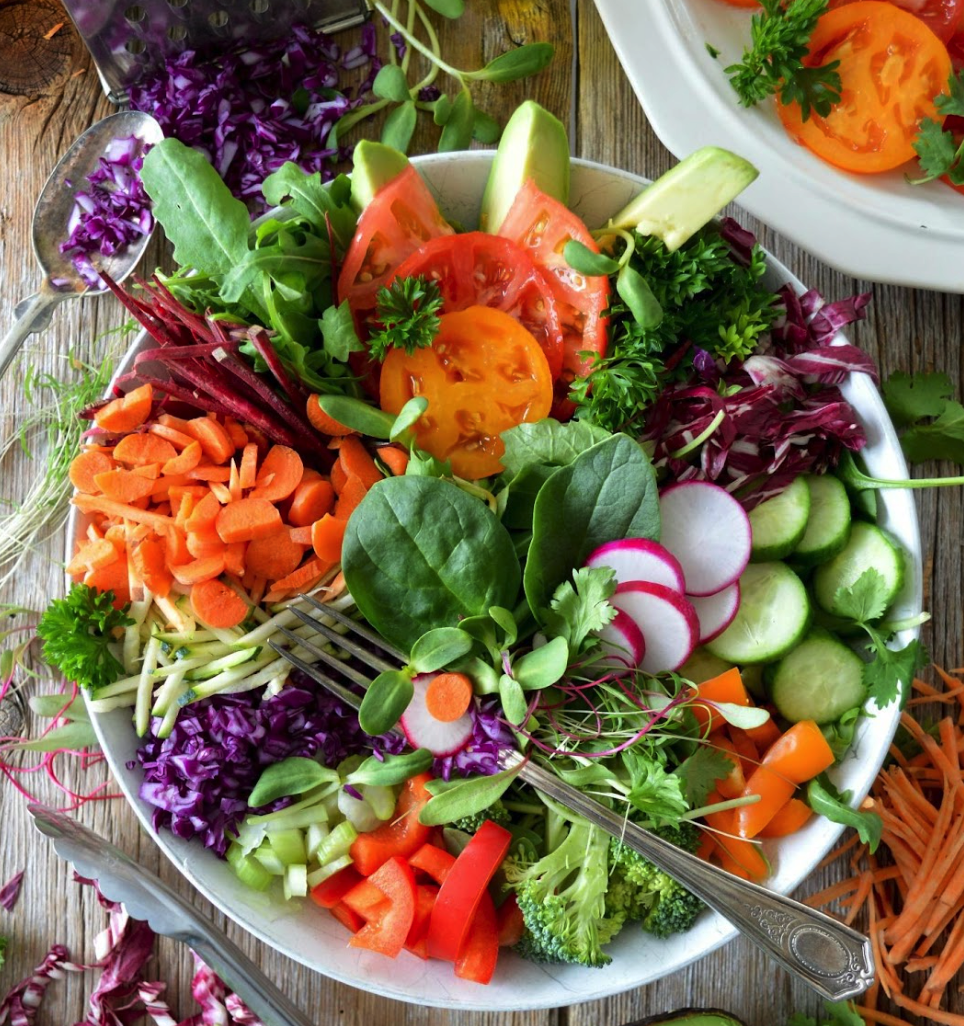
How Mediterranean Diet Vegetables Improve Your Health
Fiber Intake – Fewer Empty Calories
Vegetables are packed with fiber and water, which means they help you feel full without adding many calories. When you eat more veggies, you naturally end up eating fewer refined carbohydrates and processed snacks because you are not as hungry. This simple shift supports healthier weight management, which plays a big role in lowering the risk of heart disease and metabolic problems.
Polyphenols and Micronutrients – Lower Inflammation and Oxidative Stress
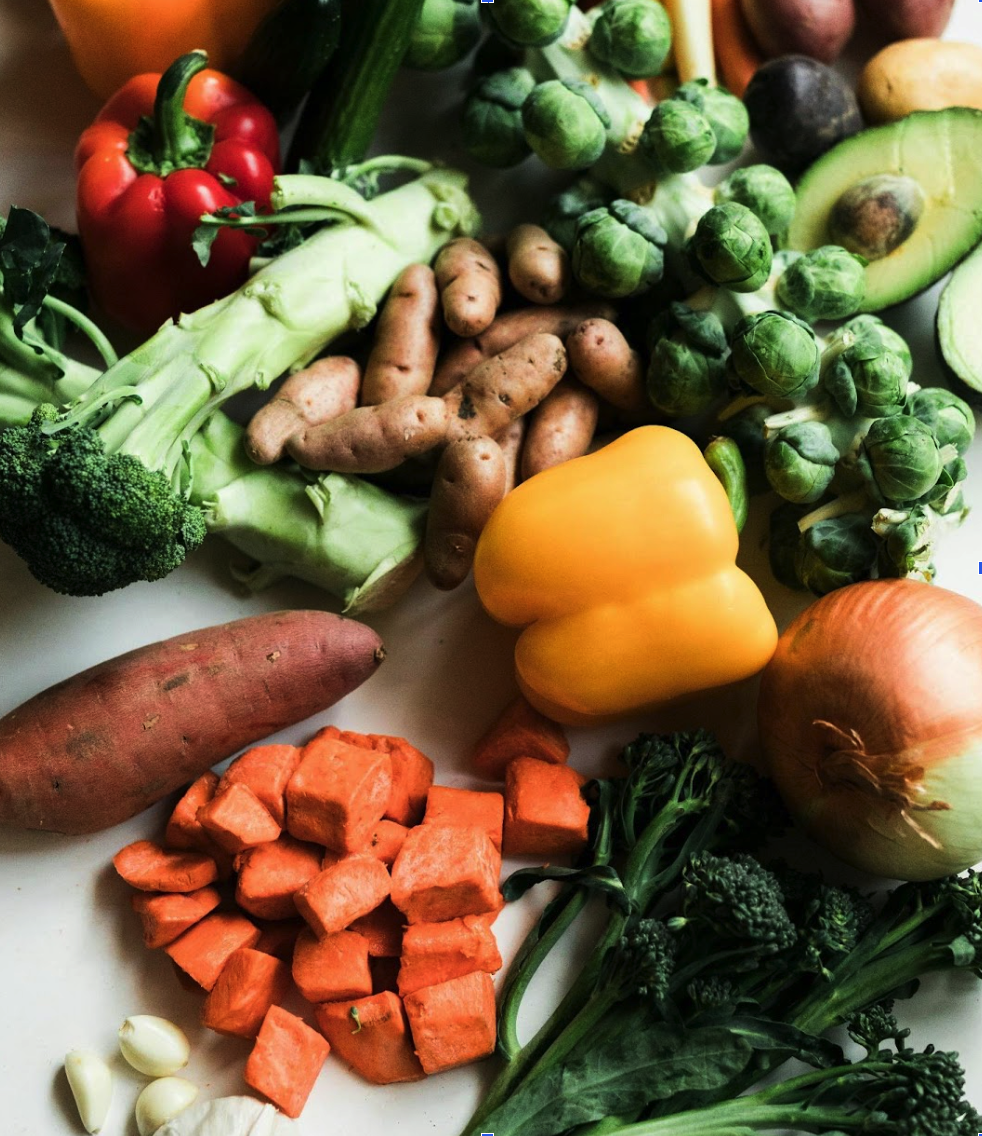
Plant foods are loaded with helpful compounds like polyphenols, carotenoids, and a wide range of vitamins and minerals, these nutrients support the body by reducing oxidative stress and easing inflammation, two major factors that damage blood vessels and affect metabolic health.
They also play role in keeping insulin sensitivity and cellular function on track. Mediterranean style eating patterns highlight those foods rich in polyphenols, including extra-virgin olive oil, contribute significantly to better heart and metabolic health.
Gut microbiome – Source of Beneficial Metabolites
When you eat plenty of fiber and polyphenol-rich foods, you are not just feeding yourself, you are feeding the good bacteria in your gut. These bacteria produce short-chain fatty acids, like butyrate, which help ease inflammation and support overall metabolic health.
People who follow a Mediterranean-style diet often have a healthier gut microbiome and higher levels of these beneficial compounds. This shift in gut health is believed to be one of the key reasons this way of eating offers long-term protection.
Glycemic Control – Steadier Blood Sugar
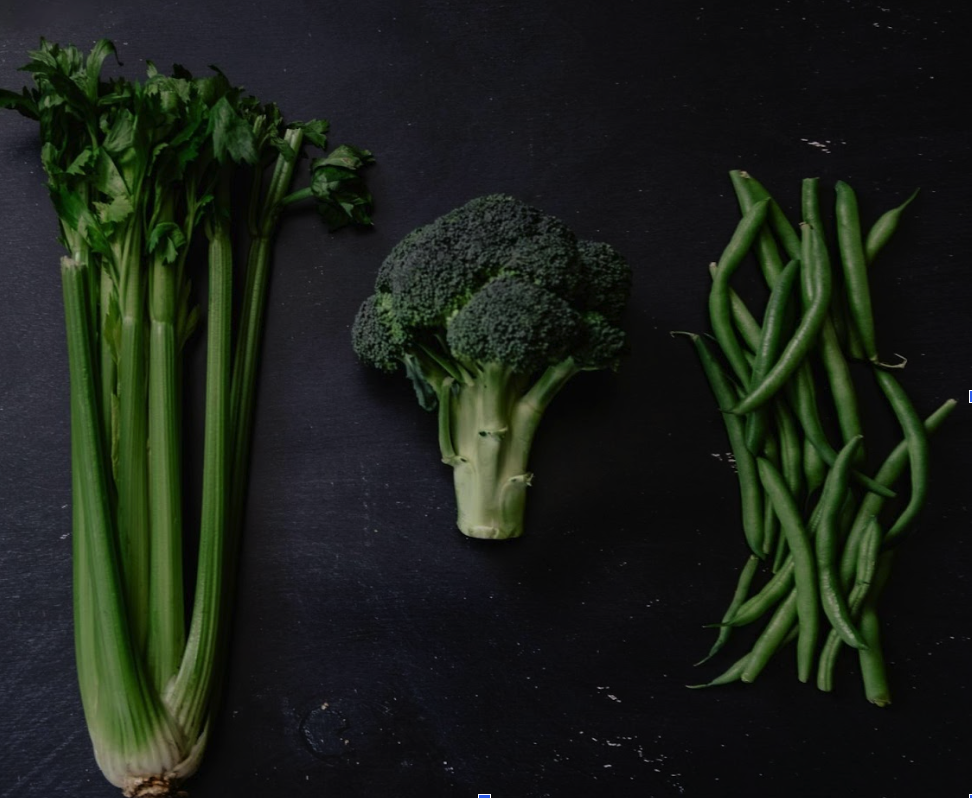
Vegetables and legumes naturally slow down how quickly sugar enters your bloodstream after a meal. This helps prevent sudden glucose spikes and improves the way your body responds to insulin.
Over many years, having steadier blood sugar levels lowers the risk of developing type-2 diabetes and supports better heart health. It is a small everyday change that pays off steadily and consistently.
Synergy with Other Mediterranean Elements
A vegetable-based plate pairs beautifully with the foods that define the Mediterranean diet, olive oil, nuts, herbs, seeds and fish. When these foods come together, they enhance each other’s benefits by adding healthy fats, antioxidants, and more polyphenols.
People who ate a Mediterranean style diet with added olive oil or nuts experienced fewer major heart problems. At the core of these results is a simple pattern: meals built many around plants.
How to Build Meals Around Mediterranean Diet Vegetables
To implement or introduce this lifestyle as your habit, there are some rules you can follow to achieve the maximum results from the Mediterranean diet.
Start Your Plate with Vegetables
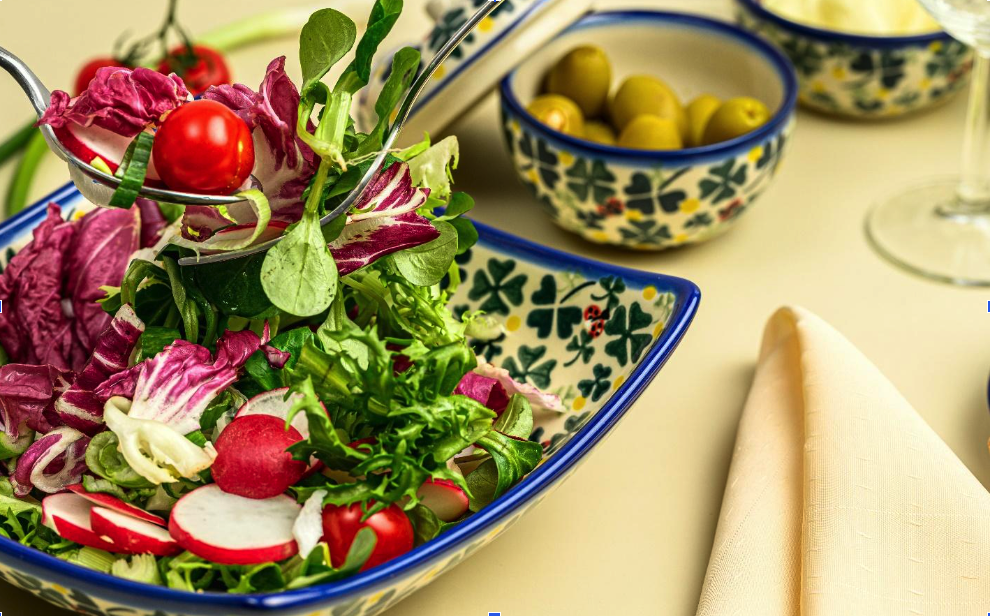
Before you add anything else, whether it is rice, fish or chicken, fill your plate with a big serving of vegetables. This could be a fresh salad, roasted vegetables, or a simple mix of whatever you enjoy. The goal is to let veggies take up at least half of your plate, so they naturally become the main part of your meal.
Let Vegetables Be the Base, Not the Side
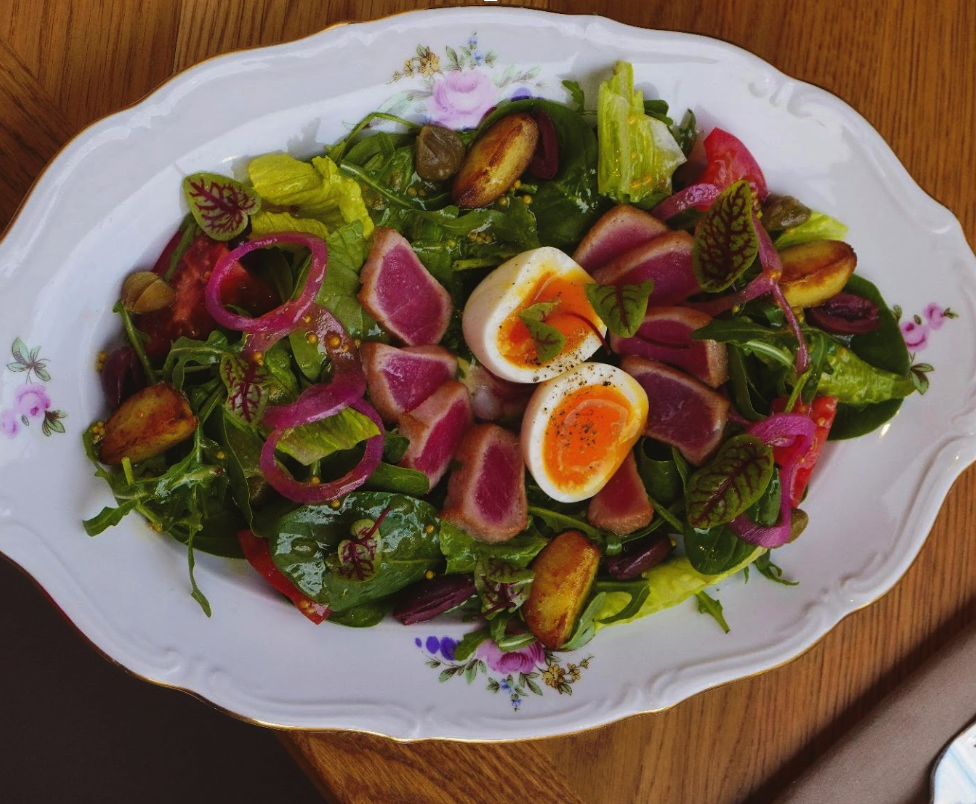
Instead of thinking of meals as ‘meat with a side of vegetables,’ flip the idea. Build your plate around vegetables first, then add a small portion of protein or whole grains. Think of meals like roasted vegetables with a small piece of fish or a hearty lentil stew with a little whole grain on the side. This shift makes your meals lighter, more filling and more aligned with Mediterranean eating.
Choose Real, Minimally Processed Plant Foods
Make whole foods your everyday staples, vegetables, fruits, beans, whole grains, nuts, and seeds. These foods give you fiber, nutrients, and long-lasting energy. Try to cut down on overly processed plant-forward snacks like vegetable chips or packaged meals, as they often lose most of the natural goodness found in whole foods.
Flavor Your Meals with Extra-Virgin Olive Oil and Herbs
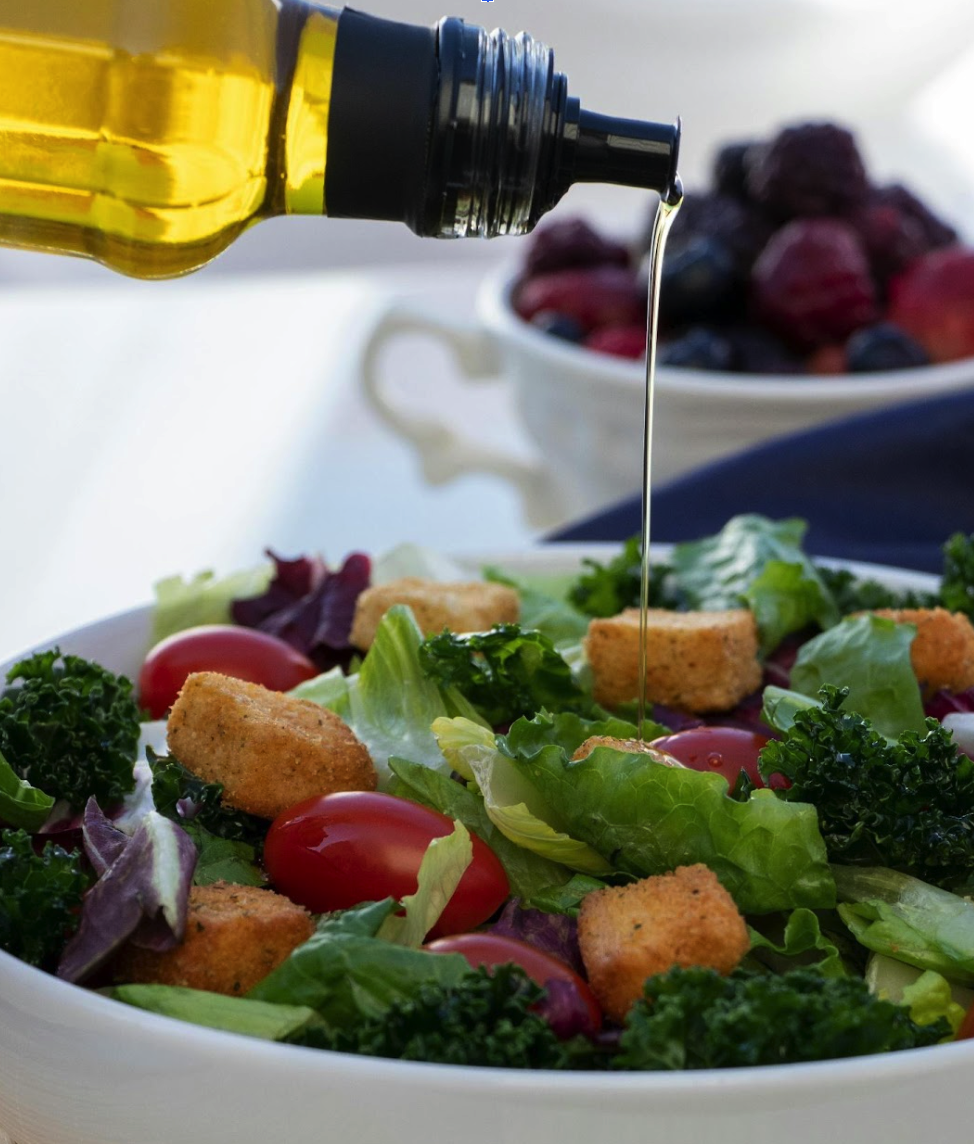
A simple way to make vegetables taste amazing is by using extra-virgin olive oil along with herbs, garlic, lemon, or spices you enjoy. A drizzle of olive oil not only improves flavor but also adds healthy fats and antioxidants. This combination was a big part of the research studies showing why Mediterranean diet support heart health.
Set A Practical Goal for Daily Servings
Try aiming for at least five servings of fruits and vegetables each day. Many health experts say going up to eight or even ten servings can offer even more benefits, but you do not need to jump there overnight. Even adding one extra serving a day can make a meaningful difference over time.
What Happens When You Prioritize Mediterranean Diet Vegetables
When you start building your meals around vegetables, the benefits often show up quicker than you expect. Within just a few days or weeks, most people notice they feel fuller for longer and are not reaching for as many high-calorie snacks.
Over the next few months, this habit can lead to gentle, steady weight loss and more stable blood sugar after meals. And with consistency, longer-term changes begin to appear, things like healthier blood pressure, improved cholesterol levels, and reduced inflammation.
What is even more encouraging is that people who stick with a plant-forward Mediterranean style of eating tend to see meaningful health protection over the years. Studies following large groups of people have repeatedly shown that this way of eating is linked with fewer heart problems and a lower risk of early death. It is a small daily commitment that can pay off in a big way over time.
Obstacles and Fixes
If you think vegetables are boring or take too long to cook. A simple fix is to roast them with olive oil and your favorite herbs, or try quick sautés and one-pan meals. You can also batch-cook a variety of vegetables ahead of time so healthy meals are ready in minutes.
And if you do not like certain vegetables, experiment with different cooking methods, raw, roasted, grilled, or even pickled. Flavors can change dramatically depending on how you prepare them.
You can also add a little crunch with nuts, a sprinkle of cheese, or a squeeze of lemon to make them more enjoyable. And if you are worried about cost. Simply stick to seasonal produce, which is usually fresher and cheaper.
Frozen vegetables are another great option and they are nutrient-rich and often more affordable. Beans and legumes are inexpensive, filling, and packed with nutrition, making them a smart addition to any meal.

Key Takeaway
- If you decide to focus on just one eating habit to truly get the most out of the Mediterranean diet, let it be this: let vegetables and other whole plant foods take up the biggest space on your plate.
- When plants become the foundation of your meals, your body naturally benefits in so many ways, better digestion, improved fullness, more protective nutrients, and fewer unhealthy foods chewing your diet.
- It is one of the simplest and most reliable ways to transform the Mediterranean lifestyle into real, long-term health improvements.
- Start with something easy: aim for half your plate to be colorful vegetables, put a little extra-virgin olive oil, add herbs for flavor, and let the small daily choices build up over time.
Conclusion
Of all the brilliant tips tucked inside the Mediterranean diet, if you had to choose just one to live by, let it be this simple, powerful idea: Make vegetables the joyful centerpiece of your plate. Imagine your dinner plate not as a stage for a single main act, but as a vibrant, sun-drenched platter. Let colorful vegetables, hearty legumes, and wholesome grains claim the most space. This single, visual shift is your secret weapon. It effortlessly guides you toward better digestion, a deeper feeling of satisfaction, and a flood of protective nutrients, all while gently nudging is healthy options to the sidelines.
It is the most straightforward way to turn the philosophy of the Mediterranean lifestyle into tangible, everyday well-being. Begin with an easy win: simply aim to fill half your plate with a rainbow of vegetables. Then, pour them with golden extra-virgin olive oil sprinkle on some fragrant herbs, and watch how these small, consistent choices blossom into lasting health.
References
Trichopoulou A, Naska A, Vasilopoulou E. Guidelines for the intake of vegetables and fruit: the Mediterranean approach. International journal for vitamin and nutrition research. 2001 May 1;71(3):149-53.
Jan MM. Benefits of healthy eating and calories burn. InMed Forum 2024 Sep (Vol. 35, pp. 1-2).
Andre CM, Larondelle Y, Evers D. Dietary antioxidants and oxidative stress from a human and plant perspective: a review. Current Nutrition & Food Science. 2010 Feb 1;6(1):2-12.
Oliver A, Chase AB, Weihe C, Orchanian SB, Riedel SF, Hendrickson CL, Lay M, Sewall JM, Martiny JB, Whiteson K. High-fiber, whole-food dietary intervention alters the human gut microbiome but not fecal short-chain fatty acids. Msystems. 2021 Apr 27;6(2):10-128.
Asif M. The role of fruits, vegetables, and spices in diabetes. International journal of nutrition, pharmacology, neurological diseases. 2011 Jan 1;1(1):27-35.
Estruch R, Ros E, Salas-Salvadó J, Covas MI, Corella D, Arós F, Gómez-Gracia E, Ruiz-Gutiérrez V, Fiol M, Lapetra J, Lamuela-Raventos RM. Primary prevention of cardiovascular disease with a Mediterranean diet supplemented with extra-virgin olive oil or nuts. New England journal of medicine. 2018 Jun 21;378(25):e34.
Estruch R, Ros E, Salas-Salvadó J, Covas MI, Corella D, Arós F, Gómez-Gracia E, Ruiz-Gutiérrez V, Fiol M, Lapetra J, Lamuela-Raventos RM. Primary prevention of cardiovascular disease with a Mediterranean diet. New England journal of medicine. 2013 Apr 4;368(14):1279-90.
Wang DD, Li Y, Bhupathiraju SN, Rosner BA, Sun Q, Giovannucci EL, Rimm EB, Manson JE, Willett WC, Stampfer MJ, Hu FB. Fruit and vegetable intake and mortality: results from 2 prospective cohort studies of US men and women and a meta-analysis of 26 cohort studies. Circulation. 2021 Apr 27;143(17):1642-54.
Estruch R, Ros E, Salas-Salvadó J, Covas MI, Corella D, Arós F, Gómez-Gracia E, Ruiz-Gutiérrez V, Fiol M, Lapetra J, Lamuela-Raventos RM. Primary prevention of cardiovascular disease with a Mediterranean diet supplemented with extra-virgin olive oil or nuts. New England journal of medicine. 2018 Jun 21;378(25):e34.