
Depression Symptoms and Treatment: Causes, Diagnosis & Recovery
Depression is a serious and common mental health condition that affects how a person thinks, feels, and behaves. It goes far beyond occasional sadness or temporary emotional lows. In clinical terms, depression is a persistent mood disorder that can significantly interfere with daily life, relationships, work performance, and physical health.
Globally, depression is one of the leading causes of disability and is closely linked with chronic fatigue, sleep disturbances, and long-term medical conditions. It often coexists with physical illnesses and can worsen outcomes in conditions such as diabetes, cardiovascular disease, and other chronic disorders.
Because depression affects both mind and body, it is now widely understood as a whole-body condition rather than just an emotional issue. Early recognition and treatment are essential for recovery and preventing complications.
What Is Depression?
Depression, also known as major depressive disorder, is characterized by a persistent feeling of sadness, emptiness, or loss of interest in activities that were once enjoyable. These symptoms last for at least two weeks and may continue for months or even years if untreated.
Unlike normal sadness, depression affects brain chemistry and emotional regulation. It changes how individuals perceive themselves and the world around them. In severe cases, it can impair basic functioning, making it difficult to carry out daily responsibilities.
Depression is also closely associated with physical health conditions such as anemia and chronic fatigue syndromes, which can further intensify symptoms like exhaustion and lack of motivation.
Types of Depression
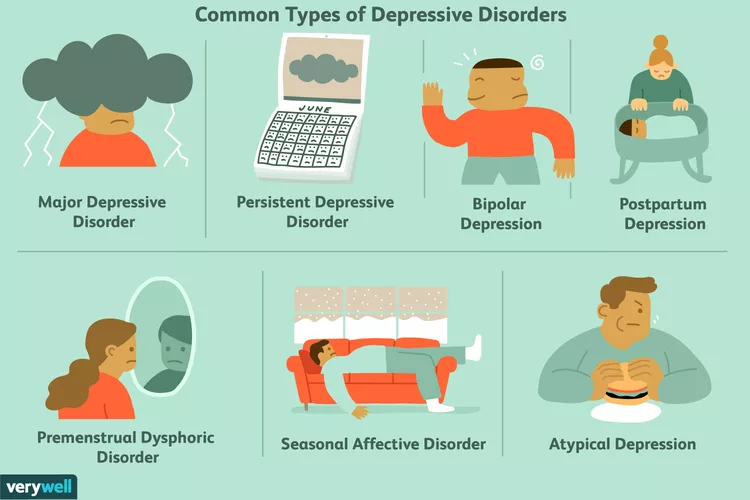
Major Depressive Disorder
This is the most common and severe form of depression. It involves persistent low mood, loss of interest, and significant impairment in daily functioning.
Persistent Depressive Disorder (Dysthymia)
This is a long-term form of depression where symptoms are less severe but last for two years or more. Individuals may feel consistently low or “down” for extended periods.
Postpartum Depression
This type occurs after childbirth and is linked to hormonal changes, emotional stress, and physical exhaustion. It can affect bonding between mother and child if untreated.
Seasonal Affective Disorder (SAD)
This form of depression occurs during specific seasons, usually winter, when sunlight exposure is reduced. It is linked to changes in circadian rhythm and serotonin levels.
Symptoms of Depression
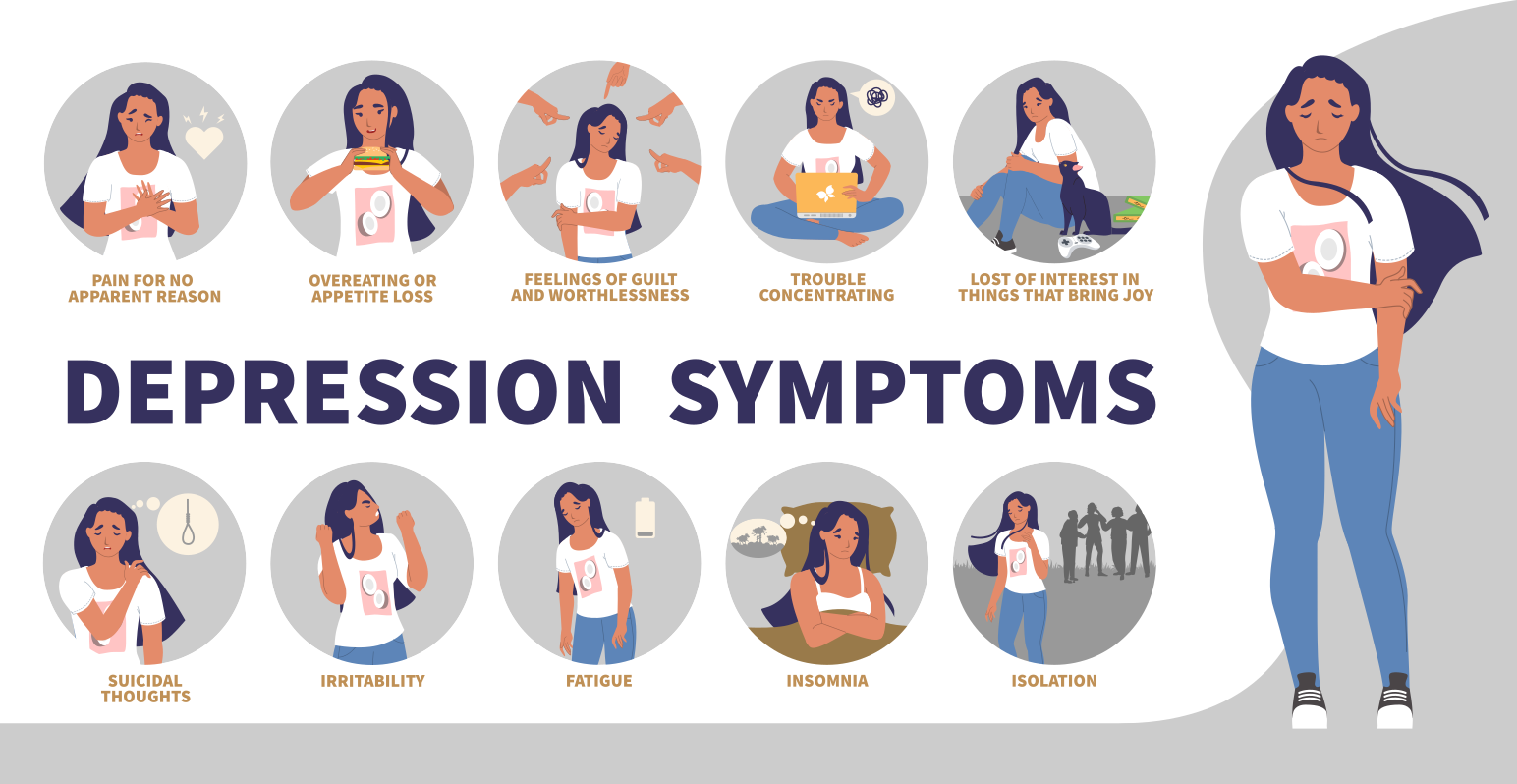
Depression affects both emotional and physical health. Emotional symptoms often include persistent sadness, hopelessness, irritability, and a loss of interest in activities once considered enjoyable. Many individuals also experience feelings of guilt, worthlessness, or emotional numbness.
Physical symptoms are equally significant. These may include chronic fatigue, changes in appetite, sleep disturbances (either insomnia or oversleeping), and difficulty concentrating. In many cases, depression overlaps with sleep disorders and conditions like insomnia, which further worsen emotional stability.
Depression can also manifest physically through unexplained aches, headaches, and digestive problems. Individuals with anemia may experience intensified fatigue, making symptoms more severe.
Causes of Depression
Depression does not have a single cause. Instead, it develops due to a combination of biological, psychological, and environmental factors.
Biological Factors
Changes in brain chemicals such as serotonin, dopamine, and norepinephrine play a major role in mood regulation. Genetic predisposition also increases risk, meaning individuals with a family history of depression are more likely to develop it.
Psychological Factors
Low self-esteem, negative thinking patterns, trauma, and chronic stress can all contribute to depression. Individuals who experience long-term emotional distress are particularly vulnerable.
Environmental Factors
Major life events such as financial problems, relationship breakdowns, job loss, or chronic illness can trigger depressive episodes. Ongoing stress in daily life can also contribute to the development of depression.
Risk Factors
Certain individuals are more likely to develop depression. A family history of mental health disorders increases susceptibility significantly. Chronic illnesses such as anemia or other long-term health conditions can also increase risk due to physical fatigue and emotional burden.
Substance abuse, social isolation, and lack of support systems are additional risk factors. Sleep disorders, particularly chronic insomnia, are strongly associated with depression and often worsen its severity.
Complications of Untreated Depression
If left untreated, depression can lead to serious emotional, physical, and social complications. It may cause long-term impairment in daily functioning, affecting work performance and personal relationships.
Depression is also linked with increased risk of developing chronic physical conditions. It can worsen fatigue and weaken the immune system, making individuals more vulnerable to illness. In people with existing health conditions such as anemia, symptoms may become significantly more severe.
In severe cases, untreated depression can lead to self-harm or suicidal thoughts, making early intervention extremely important.
Diagnosis of Depression
Clinical Evaluation
Diagnosis begins with a detailed clinical interview. A healthcare professional assesses emotional, behavioral, and physical symptoms, as well as their duration and severity.
Psychological Assessments
Standardized questionnaires may be used to evaluate the severity of depression. These tools help clinicians understand how much the condition is affecting daily life.
Physical Examination
A physical exam is often conducted to rule out medical causes of depressive symptoms, such as thyroid disorders, vitamin deficiencies, or anemia.
Medical History Review
Doctors also evaluate personal and family medical history, including any previous episodes of depression or other mental health conditions.
Treatment of Depression
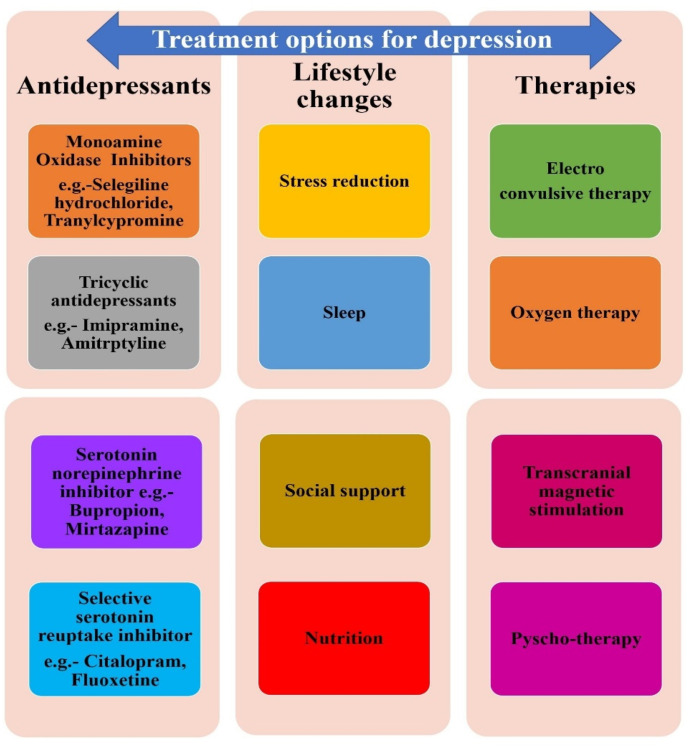
Depression is highly treatable, and most individuals experience significant improvement with proper care. Treatment typically involves a combination of psychotherapy, medication, and lifestyle changes.
Psychotherapy (Talk Therapy)
Cognitive Behavioral Therapy (CBT) is one of the most effective treatments for depression. It helps individuals identify negative thought patterns and replace them with healthier, more realistic thinking. Therapy also helps develop coping strategies for stress and emotional challenges.
Medications
Antidepressant medications are commonly prescribed for individuals experiencing moderate to severe depression. These medicines work by helping to restore balance in brain chemicals such as serotonin, norepinephrine, and dopamine, which play an important role in regulating mood, emotions, and energy levels. By improving this chemical balance, antidepressants can help reduce symptoms such as persistent sadness, loss of interest, fatigue, and difficulty concentrating.
It is important to understand that antidepressants do not provide immediate relief. In most cases, it may take two to six weeks before noticeable improvement begins, and full benefits may take even longer. During this period, patients are usually monitored closely so that the dosage can be adjusted if needed and side effects can be managed.
Medication is often most effective when used as part of a combined treatment plan. When antidepressants are paired with psychotherapy—such as cognitive behavioral therapy (CBT)—patients tend to experience better and more long-lasting improvement. Therapy helps address negative thought patterns and emotional triggers, while medication supports biological balance, making the overall treatment more effective than using either approach alone.
Lifestyle Modifications
Lifestyle changes play an important role in recovery. Regular physical activity helps boost mood-enhancing chemicals in the brain. A balanced diet supports overall mental and physical health.
Improving sleep hygiene is also essential, especially since depression is closely linked with sleep disorders such as insomnia. Establishing a consistent sleep routine can significantly improve symptoms over time.
Social Support and Stress Management
Strong social support from family and friends can greatly improve recovery outcomes. Stress management techniques such as mindfulness, meditation, and relaxation exercises can also help reduce symptom severity.
Complications of Untreated Depression
Untreated depression can significantly affect quality of life. It may lead to chronic fatigue, reduced productivity, and difficulty maintaining relationships. Physical health may also decline, especially in individuals with underlying conditions like anemia.
Depression is also strongly associated with sleep disturbances and may increase the risk of substance abuse as individuals attempt to cope with emotional pain. In severe cases, it can lead to suicidal ideation, making early treatment critical.
Frequently Asked Questions (FAQs)
1. Is depression just sadness?
No, depression is much more than sadness. While sadness is a temporary emotional response, depression is a persistent medical condition that affects mood, thinking, behavior, and physical health for an extended period. It often requires professional treatment to improve.
2. Can depression be cured completely?
Depression is highly treatable, and many people recover fully or achieve long-term remission. However, some individuals may experience recurring episodes. With proper therapy, medication, and lifestyle changes, symptoms can be effectively managed.
3. Can physical illness cause depression?
Yes, chronic physical illnesses such as anemia can contribute to depression. Ongoing fatigue, pain, and stress from illness can affect emotional well-being and increase the risk of depressive symptoms.
4. How is depression linked to sleep problems?
Depression and sleep disorders are closely connected. Many individuals experience insomnia or oversleeping. Poor sleep can worsen mood, while depression can further disrupt normal sleep patterns, creating a cycle that is difficult to break.
5. What is the most effective treatment for depression?
The most effective treatment usually involves a combination of cognitive behavioral therapy, antidepressant medication (if needed), lifestyle changes, and strong social support. The treatment plan depends on the severity and individual needs.
References
- World Health Organization (WHO). Depression Fact Sheet
- National Institute of Mental Health (NIMH). Depression Basics
- Mayo Clinic. Depression (Major Depressive Disorder)
- American Psychiatric Association (APA). Depressive Disorders
- National Health Service (NHS). Clinical Depression Overview