
Fatty Liver Disease Symptoms and Treatment: Causes, Stages & Prevention
Fatty liver disease is a growing global health concern, closely linked to modern lifestyle habits and metabolic disorders. It occurs when excess fat accumulates in the liver, interfering with its normal function. While small amounts of fat in the liver are considered normal, excessive buildup can lead to inflammation, liver damage, and, in severe cases, liver failure.
This condition is strongly associated with metabolic health issues such as obesity, cholesterol disorders, and diabetes. Understanding its progression, causes, and management strategies is essential for preventing long-term complications.
What Is Fatty Liver Disease?
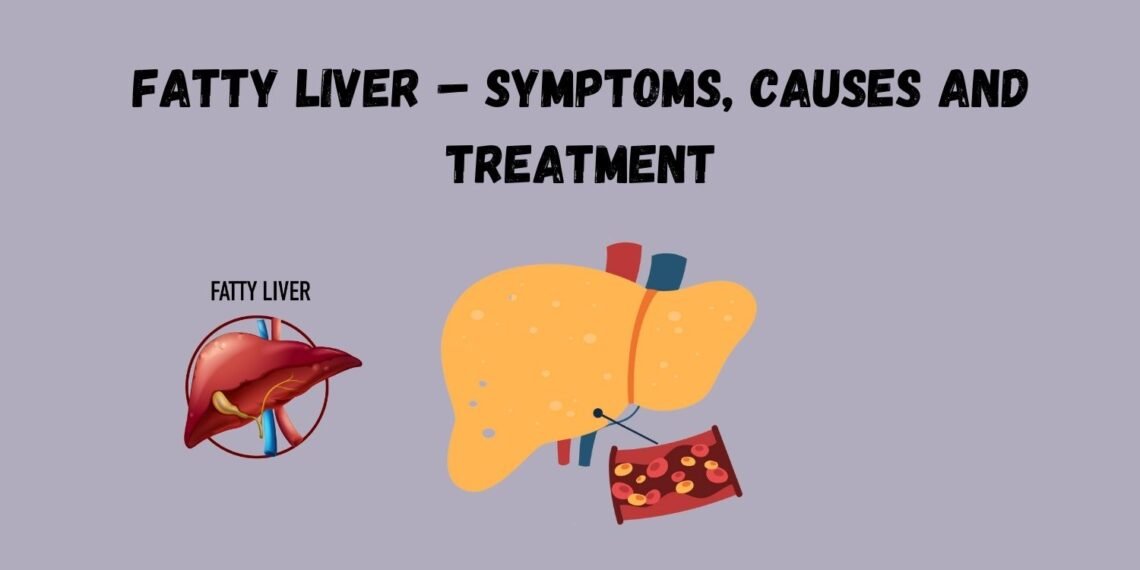
Fatty liver disease refers to the accumulation of fat within liver cells. When fat makes up more than 5–10% of the liver’s weight, it is considered abnormal. The liver plays a critical role in metabolism, detoxification, and nutrient storage, so any disruption to its function can have widespread effects on overall health.
There are two main types of fatty liver disease, classified based on their underlying causes.
Types of Fatty Liver Disease
Non-Alcoholic Fatty Liver Disease (NAFLD)
This is the most common form and is not related to alcohol consumption. It is strongly associated with metabolic conditions such as obesity and diabetes. NAFLD can range from simple fat accumulation to more severe inflammation.
Alcoholic Fatty Liver Disease (AFLD)
This type is caused by excessive alcohol intake. Alcohol disrupts liver metabolism, leading to fat accumulation and inflammation. Continued alcohol use can accelerate liver damage.
Stages of Fatty Liver Disease
Fatty liver disease progresses through several stages, each with increasing severity.
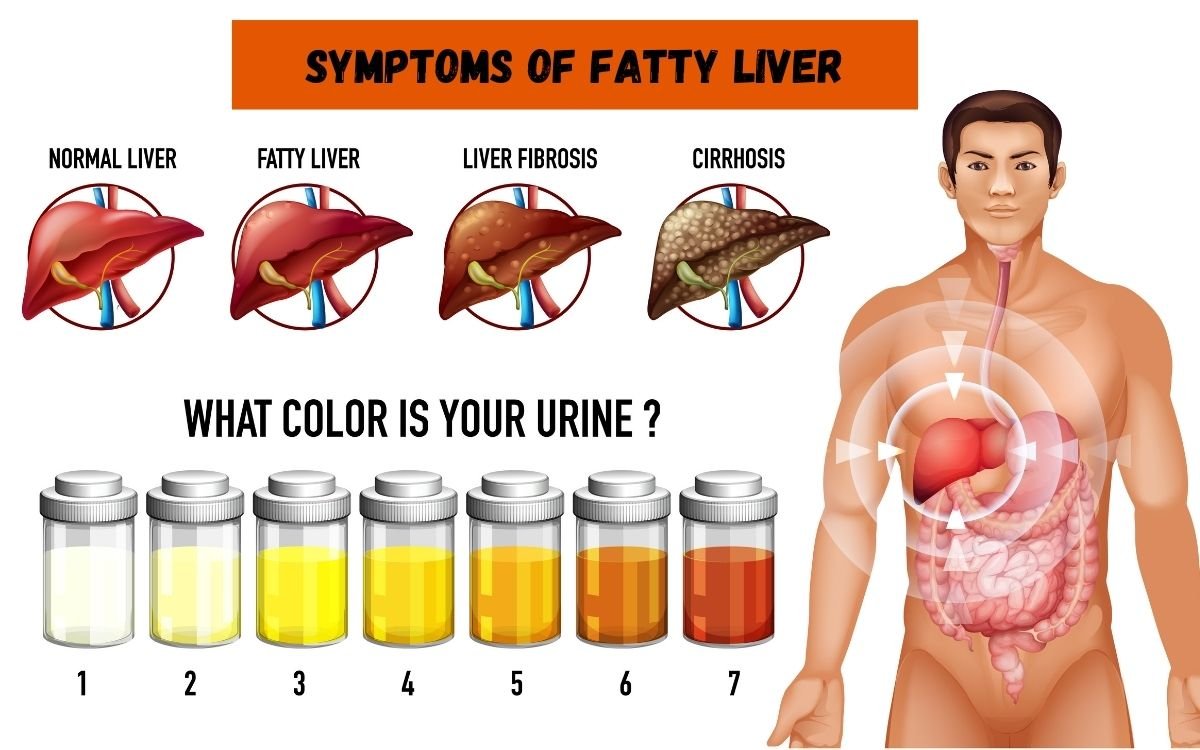
Simple Fatty Liver (Steatosis)
At this stage, fat accumulates in the liver without significant inflammation or damage. Many individuals remain asymptomatic, and the condition is often discovered incidentally.
Non-Alcoholic Steatohepatitis (NASH)
This stage involves inflammation and liver cell damage in addition to fat accumulation. NASH significantly increases the risk of progression to more severe liver disease.
Fibrosis
Persistent inflammation leads to the formation of scar tissue in the liver. Although the liver can still function at this stage, the damage is becoming more serious.
Cirrhosis
This is the most advanced stage, characterized by extensive scarring and impaired liver function. Cirrhosis can lead to liver failure and may require transplantation in severe cases.
Causes of Fatty Liver Disease
Fatty liver disease develops due to an imbalance between fat production and fat removal in the liver. Several factors contribute to this imbalance.
Metabolic Factors
Conditions like obesity play a central role by increasing fat storage in the body, including the liver. Similarly, diabetes disrupts insulin function, leading to increased fat accumulation.
Lipid Imbalance
Elevated levels of triglycerides and abnormal cholesterol levels—commonly referred to as cholesterol disorders—contribute significantly to fatty liver development.
Dietary Habits
Diets high in processed foods, refined carbohydrates, and saturated fats promote fat accumulation in the liver. Excess calorie intake, regardless of the source, can also lead to fat buildup.
Alcohol Consumption
In alcoholic fatty liver disease, excessive alcohol intake impairs the liver’s ability to process fats, leading to their accumulation.
Genetic and Hormonal Factors
Some individuals may be genetically predisposed to developing fatty liver disease. Hormonal imbalances and certain medications can also contribute to its development.
Risk Factors
Fatty liver disease is more likely to develop in individuals with certain risk factors. Being overweight or having obesity significantly increases the risk. Sedentary lifestyles, poor dietary habits, and insulin resistance are also key contributors.
People with diabetes or abnormal lipid profiles are at particularly high risk. Age, genetics, and certain medical conditions can further increase susceptibility.
Symptoms of Fatty Liver Disease
Fatty liver disease is often referred to as a silent condition because many people do not experience noticeable symptoms in its early stages. It is frequently detected during routine blood tests or imaging studies.
As the condition progresses, some individuals may begin to experience fatigue, weakness, or discomfort in the upper right abdomen. In more advanced stages, symptoms such as swelling in the abdomen, yellowing of the skin (jaundice), and confusion may occur, indicating significant liver damage.
Complications of Fatty Liver Disease
If left untreated, fatty liver disease can progress to serious complications. Chronic inflammation can lead to fibrosis and eventually cirrhosis, significantly impairing liver function.
Advanced liver disease can result in liver failure, portal hypertension, and an increased risk of liver cancer. Additionally, fatty liver disease is closely linked with systemic conditions such as diabetes and cardiovascular disease, further increasing health risks.
Diagnosis of Fatty Liver Disease
Medical History and Physical Examination
Diagnosis often begins with a detailed medical history and physical examination. Doctors assess risk factors such as diet, alcohol consumption, and underlying health conditions.
Blood Tests
Blood tests are used to evaluate liver function and detect elevated liver enzymes. These tests can indicate inflammation or liver damage but do not confirm fatty liver on their own.
Imaging Studies
Ultrasound is commonly used to detect fat accumulation in the liver. More advanced imaging techniques, such as CT scans or MRI, may provide additional detail.
Liver Biopsy
In some cases, a liver biopsy may be recommended to assess the extent of inflammation and scarring. This is considered the most accurate method for diagnosing advanced stages like NASH.
Treatment of Fatty Liver Disease
Management of fatty liver disease focuses on addressing the underlying causes and preventing disease progression.
Lifestyle Modification
Lifestyle changes are the cornerstone of treatment. A balanced diet rich in whole foods, including fruits, vegetables, lean proteins, and healthy fats, can help reduce liver fat. Limiting processed foods and added sugars is particularly important.
Weight Loss
Gradual and sustained weight loss is one of the most effective ways to reverse fatty liver disease, especially in individuals with obesity. Even a 5–10% reduction in body weight can significantly improve liver health.
Physical Activity
Regular exercise helps improve insulin sensitivity and reduce fat accumulation in the liver. Both aerobic exercises and strength training can be beneficial.
Management of Underlying Conditions
Controlling conditions like diabetes and cholesterol disorders is essential. Proper management of blood sugar and lipid levels can slow or even reverse disease progression.
Avoiding Alcohol
For individuals with alcoholic fatty liver disease, complete abstinence from alcohol is necessary. Even in non-alcoholic cases, limiting alcohol intake is recommended.
Medications and Medical Therapy
Currently, there is no specific medication approved solely for fatty liver disease. However, doctors may prescribe medications to manage associated conditions such as diabetes or high cholesterol.
Prevention of Fatty Liver Disease
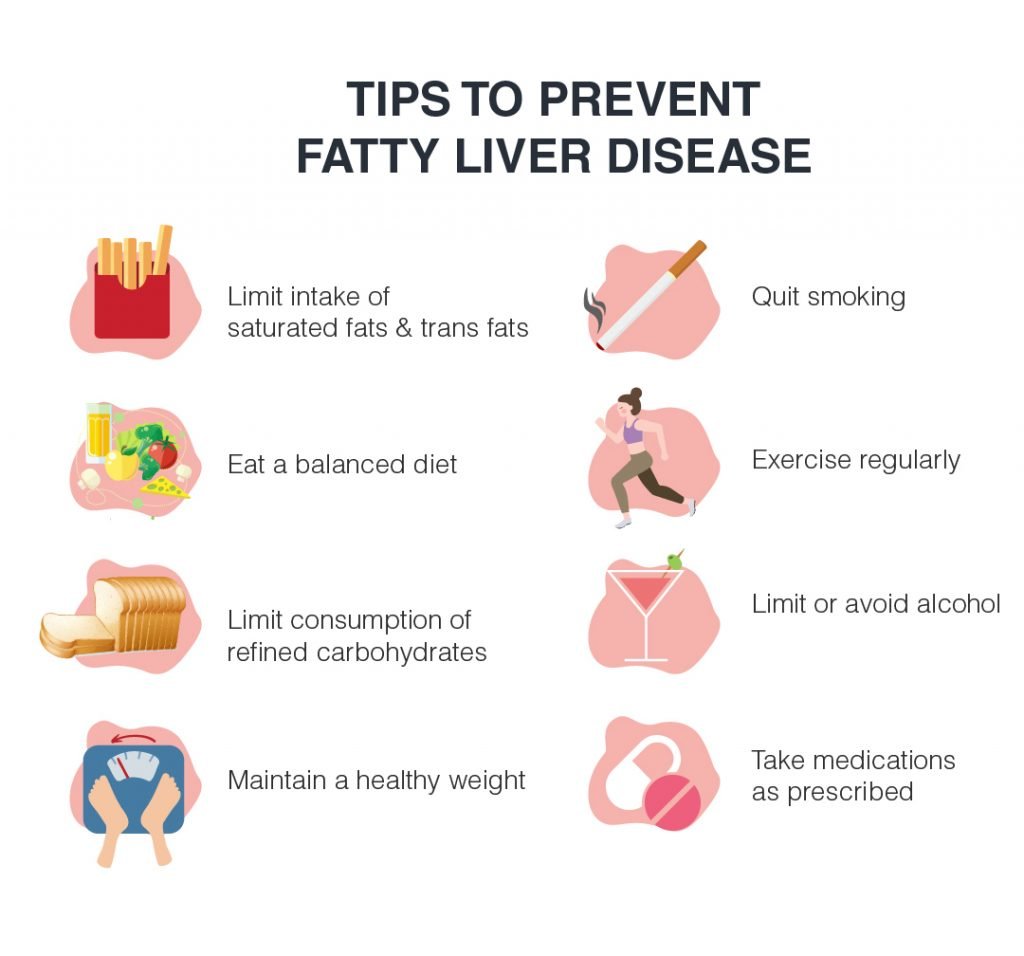
Preventing fatty liver disease involves adopting long-term healthy habits. Maintaining a healthy weight, eating a balanced diet, and staying physically active are key strategies. Regular health check-ups can help detect early signs and allow for timely intervention.
Avoiding excessive alcohol consumption and managing metabolic conditions are equally important in reducing the risk.
Frequently Asked Questions (FAQs)
- Can fatty liver disease be reversed?
Yes, fatty liver disease can often be reversed in its early stages. In conditions like Non-Alcoholic Fatty Liver Disease, improvement is possible when lifestyle changes are made. Weight loss, a healthier diet, and regular exercise can reduce liver fat and restore normal function. However, in advanced stages such as Cirrhosis, the damage is usually permanent, though further progression can still be slowed. - Is fatty liver disease serious?
It can become serious if it is not managed. Early fatty liver disease is often silent and harmless, but it may progress to Non-Alcoholic Steatohepatitis, where inflammation and liver damage begin. If it continues to worsen, it can lead to cirrhosis, liver failure, or even liver cancer, making early detection and management very important. - What foods should be avoided with fatty liver?
Foods that should be limited include sugary drinks, refined carbohydrates like white bread and pastries, processed foods, and foods high in saturated or trans fats. These foods increase fat buildup in the liver and worsen insulin resistance, making the condition harder to control. - Is fatty liver linked to diabetes?
Yes, fatty liver disease is strongly linked to Type 2 Diabetes. Both conditions are related to insulin resistance, which leads to excess fat storage in the liver and high blood sugar levels. People with diabetes have a higher risk of developing fatty liver, and having fatty liver can also make blood sugar control more difficult. - How long does it take to improve fatty liver?
Improvement can begin within a few weeks of making lifestyle changes, especially in liver enzyme levels. Noticeable reduction in liver fat usually takes a few months, while significant reversal may take six months or longer depending on severity. Consistency in diet, exercise, and overall healthy habits is essential for long-term improvement.
References
- World Health Organization (WHO). Noncommunicable Diseases and Liver Health
- American Liver Foundation. Nonalcoholic Fatty Liver Disease (NAFLD)
- National Institute of Diabetes and Digestive and Kidney Diseases (NIDDK). Fatty Liver Disease
- Mayo Clinic. Nonalcoholic Fatty Liver Disease
- Centers for Disease Control and Prevention (CDC). Liver Disease Overview