
GERD Symptoms and Treatment: Causes, Diagnosis & Prevention
Gastroesophageal Reflux Disease (GERD), commonly known as acid reflux, is a chronic digestive condition in which stomach acid frequently flows back into the esophagus. This backflow irritates the lining of the esophagus and causes discomfort, often described as a burning sensation in the chest or throat.
GERD is more than just occasional heartburn. While many people experience acid reflux occasionally after a heavy meal, GERD is a persistent condition that can significantly affect quality of life. If left untreated, it may lead to complications such as esophageal inflammation, ulcers, and long-term damage to the esophagus.
GERD is also closely linked with other digestive and metabolic conditions, including irritable bowel syndrome, lifestyle-related dietary habits, and the use of certain medications that can relax the lower esophageal sphincter.
What is GERD?
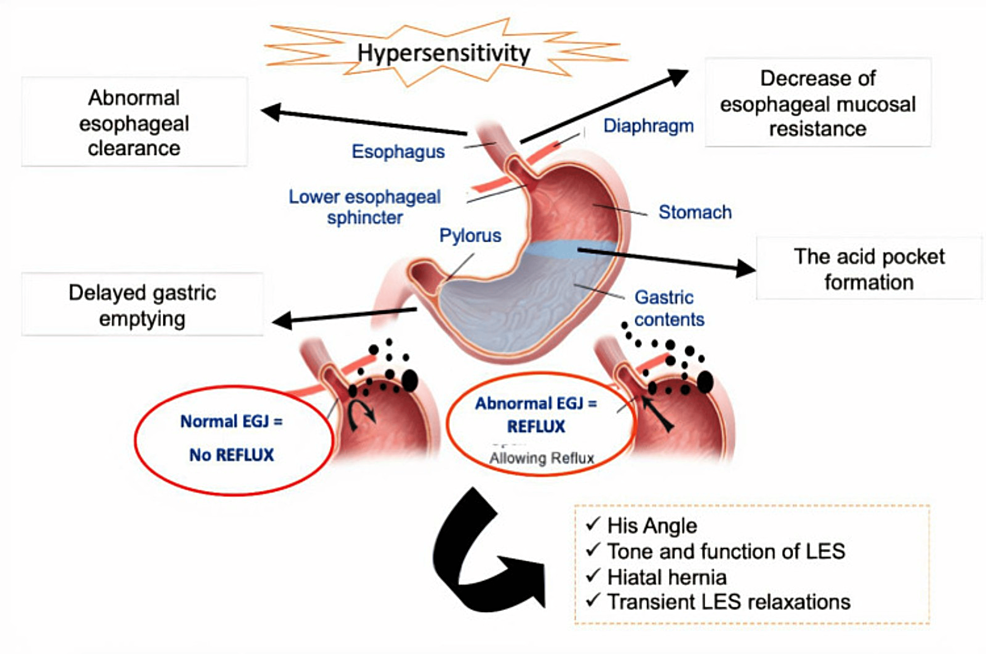
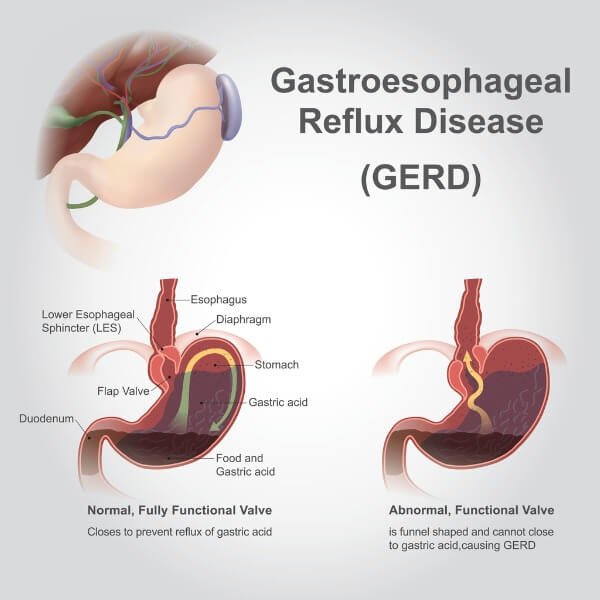
GERD occurs when the lower esophageal sphincter (LES), a ring of muscle at the bottom of the esophagus, becomes weak or relaxes inappropriately. Normally, the LES acts as a one-way valve, allowing food to enter the stomach while preventing stomach contents from flowing back up.
When this mechanism fails, stomach acid can travel upward into the esophagus. Since the esophagus is not designed to handle acid exposure, this leads to irritation and inflammation. Over time, repeated exposure can damage the esophageal lining.
Symptoms of GERD
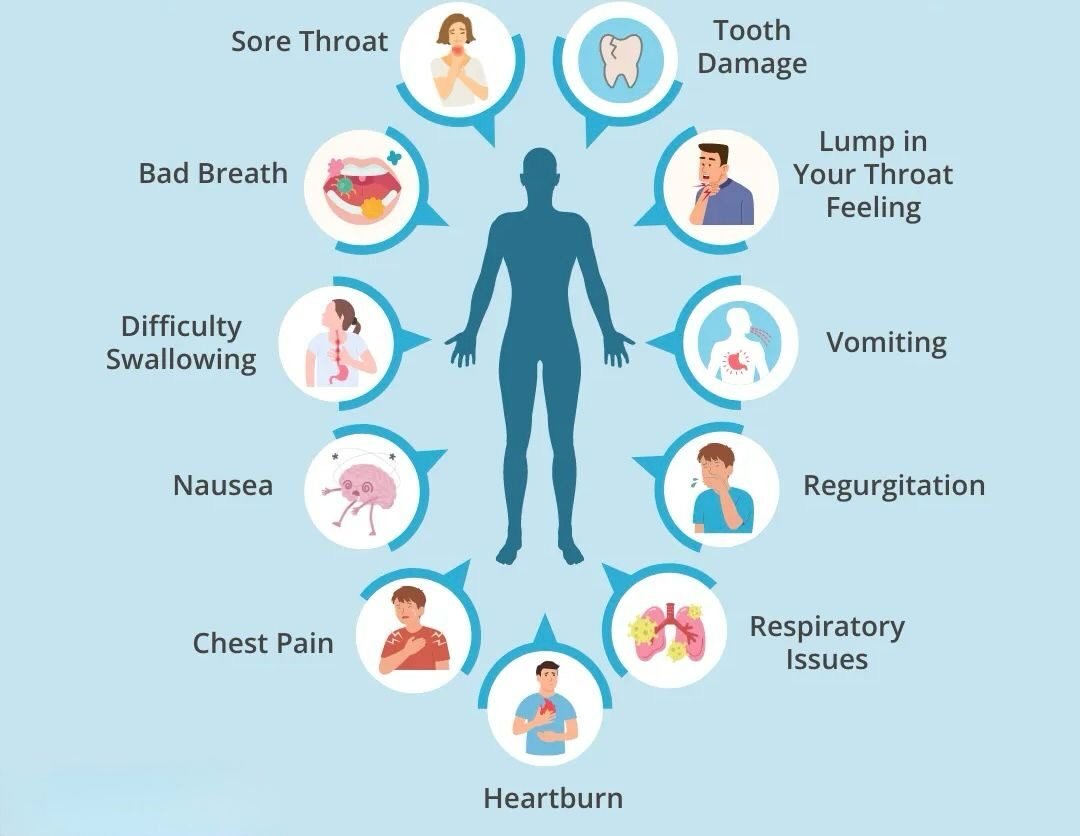
GERD symptoms can vary in severity and frequency. The most common symptom is heartburn, which is a burning sensation in the chest, usually after eating or at night.
Many individuals also experience regurgitation, where stomach acid or food rises into the throat or mouth, causing a sour or bitter taste. Other symptoms may include difficulty swallowing, chest discomfort, chronic cough, hoarseness, or a sensation of a lump in the throat.
In some cases, GERD symptoms may mimic heart-related conditions, which is why proper diagnosis is important.
Causes of GERD
Dysfunction of the Lower Esophageal Sphincter (LES)
GERD primarily develops when the lower esophageal sphincter becomes weak or relaxes inappropriately. This muscle normally acts as a valve between the esophagus and stomach, preventing acid from flowing backward. When it does not function properly, stomach acid frequently refluxes into the esophagus, leading to irritation and symptoms such as heartburn.
Dietary and Eating Habits
Diet and meal patterns strongly influence GERD symptoms. Eating large meals increases stomach pressure, while eating late at night or lying down soon after meals makes it easier for acid to move upward. Certain foods are common triggers because they relax the LES or increase acid production. These include fatty or fried foods, spicy dishes, chocolate, caffeine, carbonated beverages, and acidic foods. Individual sensitivity may vary, but these are frequent contributors.
Obesity and Abdominal Pressure
Excess body weight, especially around the abdomen, increases pressure on the stomach. This pressure can force stomach contents upward into the esophagus, making reflux more frequent and severe. Obesity is therefore considered one of the major risk factors for GERD and is closely linked with symptom severity.
Smoking and Alcohol Consumption
Smoking weakens the lower esophageal sphincter and reduces saliva production, which normally helps neutralize stomach acid. Alcohol also contributes by irritating the digestive tract and relaxing the LES. Both habits significantly increase the likelihood and intensity of acid reflux episodes.
Associated Gastrointestinal Conditions
Some digestive disorders, such as irritable bowel syndrome, may coexist with GERD. These conditions suggest a broader dysfunction in gut motility and sensitivity. While they do not directly cause GERD, they can worsen symptoms and reflect an overall imbalance in digestive system regulation.
Medications
Certain medications can contribute to GERD by relaxing the lower esophageal sphincter or irritating the stomach lining. These may include some pain relievers, blood pressure medications, sedatives, and respiratory drugs. In such cases, symptoms may improve if medications are adjusted under medical supervision.
Risk Factors
Several factors increase the likelihood of developing GERD. Being overweight or obese significantly raises abdominal pressure, increasing the chance of acid reflux. Pregnancy can also contribute due to hormonal changes and physical pressure on the stomach.
Smoking, alcohol use, and a sedentary lifestyle further increase risk. Individuals who frequently consume trigger foods or eat irregularly are also more prone to symptoms.
People with existing digestive conditions, particularly irritable bowel syndrome, may experience overlapping symptoms, making diagnosis more complex.
Complications of GERD
If GERD is left untreated, chronic acid exposure can lead to complications. One of the most common is esophagitis, which is inflammation of the esophagus. This can cause pain, difficulty swallowing, and bleeding in severe cases.
Long-term GERD may also lead to esophageal strictures, where the esophagus becomes narrowed due to scar tissue formation. This can make swallowing difficult and uncomfortable.
In rare but serious cases, chronic GERD can result in Barrett’s esophagus, a condition where the lining of the esophagus changes and increases the risk of esophageal cancer.
Diagnosis of GERD
Symptom Evaluation
Diagnosis often begins with a detailed assessment of symptoms. Doctors evaluate the frequency, severity, and triggers of acid reflux to determine whether GERD is likely.
Endoscopy
An upper endoscopy may be performed to examine the esophagus and stomach. This helps identify inflammation, ulcers, or structural changes caused by long-term acid exposure.
pH Monitoring
Esophageal pH monitoring measures acid levels in the esophagus over a 24-hour period. This test helps confirm abnormal acid reflux episodes.
Manometry
Esophageal manometry assesses the function of the lower esophageal sphincter and esophageal muscles, helping identify motility disorders.
Treatment of GERD
Treatment for GERD focuses on reducing acid reflux, relieving symptoms, and preventing complications. It typically involves lifestyle changes, medications, and in some cases, surgical intervention.
Lifestyle and Dietary Modifications
Lifestyle changes are the foundation of GERD management. Patients are often advised to avoid foods that trigger symptoms, such as fatty meals, spicy foods, caffeine, chocolate, and acidic beverages.
Eating smaller meals instead of large portions can reduce pressure on the stomach. It is also recommended to avoid lying down immediately after eating and to wait at least two to three hours before going to bed.
Weight management plays an important role, as excess body weight increases abdominal pressure and worsens reflux symptoms.
Medication Therapy
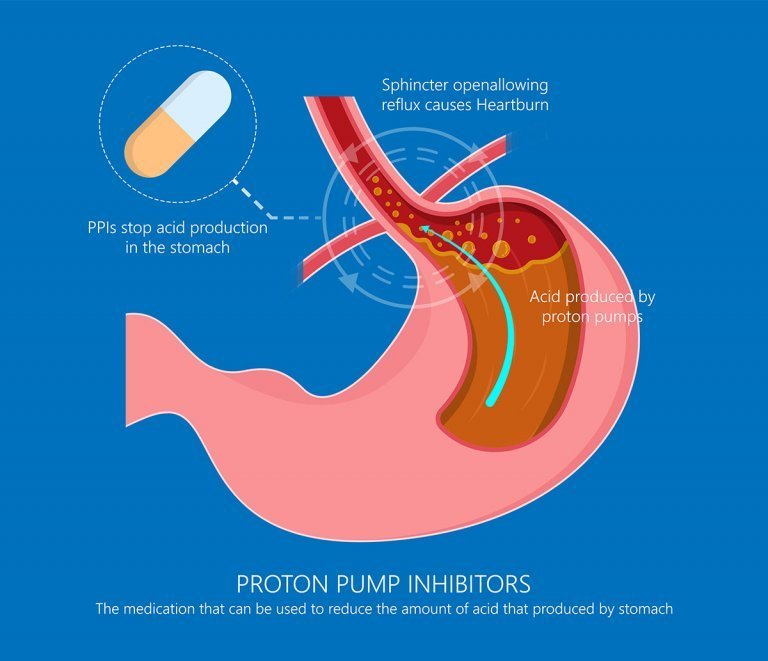
Medications are commonly used when lifestyle changes alone are not enough. Antacids provide quick relief by neutralizing stomach acid. H2 receptor blockers reduce acid production, while proton pump inhibitors (PPIs) are often used for more severe or chronic cases.
These medications help reduce inflammation and allow the esophagus to heal over time. However, long-term use should be monitored by a healthcare provider.
Management of Underlying Conditions
Conditions such as irritable bowel syndrome may overlap with GERD and require integrated management. Treating underlying digestive disorders can help reduce overall gastrointestinal sensitivity and improve symptoms.
Surgical Options
In severe cases where medication is not effective, surgical procedures may be considered. Fundoplication is a common procedure that strengthens the lower esophageal sphincter, preventing acid reflux.
Prevention of GERD
Preventing GERD involves maintaining healthy digestive habits. Eating smaller meals, avoiding late-night eating, and identifying personal food triggers can significantly reduce symptoms.
Maintaining a healthy weight, avoiding smoking, and limiting alcohol intake also play an important role. Regular physical activity supports digestive health and reduces abdominal pressure.
Frequently Asked Questions (FAQs)
1. Is GERD the same as acid reflux?
Acid reflux refers to occasional backward flow of stomach acid into the esophagus, while GERD is a chronic and more severe form of acid reflux. GERD occurs when reflux happens frequently and causes ongoing symptoms or complications.
2. Can GERD be cured permanently?
GERD is usually a long-term condition, but it can be effectively managed. Many people achieve long-term symptom control through lifestyle changes, medications, and avoiding trigger foods. In some severe cases, surgery may provide lasting relief.
3. What foods should be avoided in GERD?
Foods that commonly trigger GERD symptoms include fried and fatty foods, spicy meals, chocolate, caffeine, alcohol, and acidic foods like citrus and tomatoes. However, triggers may vary from person to person.
4. Is GERD linked with IBS?
Yes, GERD and irritable bowel syndrome often coexist. Both conditions involve digestive system sensitivity and motility issues, and individuals with IBS may be more prone to acid reflux symptoms.
5. Can stress worsen GERD symptoms?
Stress does not directly cause GERD, but it can worsen symptoms by increasing acid sensitivity and affecting eating habits. Stress management techniques may help reduce symptom severity.
References
- National Institute of Diabetes and Digestive and Kidney Diseases (NIDDK). GERD Information
- Mayo Clinic. Gastroesophageal Reflux Disease (GERD)
- American College of Gastroenterology. GERD Guidelines
- World Gastroenterology Organisation (WGO). GERD Global Guidelines
- Cleveland Clinic. Acid Reflux and GERD Overview