
Anxiety Disorders Symptoms and Treatment: Causes, Diagnosis & Prevention
Anxiety disorders are among the most common mental health conditions worldwide, affecting people across all age groups, backgrounds, and lifestyles. While feeling anxious occasionally is a normal part of life, anxiety disorders involve persistent, excessive, and often uncontrollable worry that interferes with daily functioning.
Unlike temporary stress, anxiety disorders can become chronic and affect both mental and physical health. They are often linked with conditions such as insomnia, digestive disturbances like irritable bowel syndrome, and cardiovascular symptoms such as heart palpitations. If left untreated, anxiety can significantly reduce quality of life and may also contribute to long-term physical health problems.
What Are Anxiety Disorders?
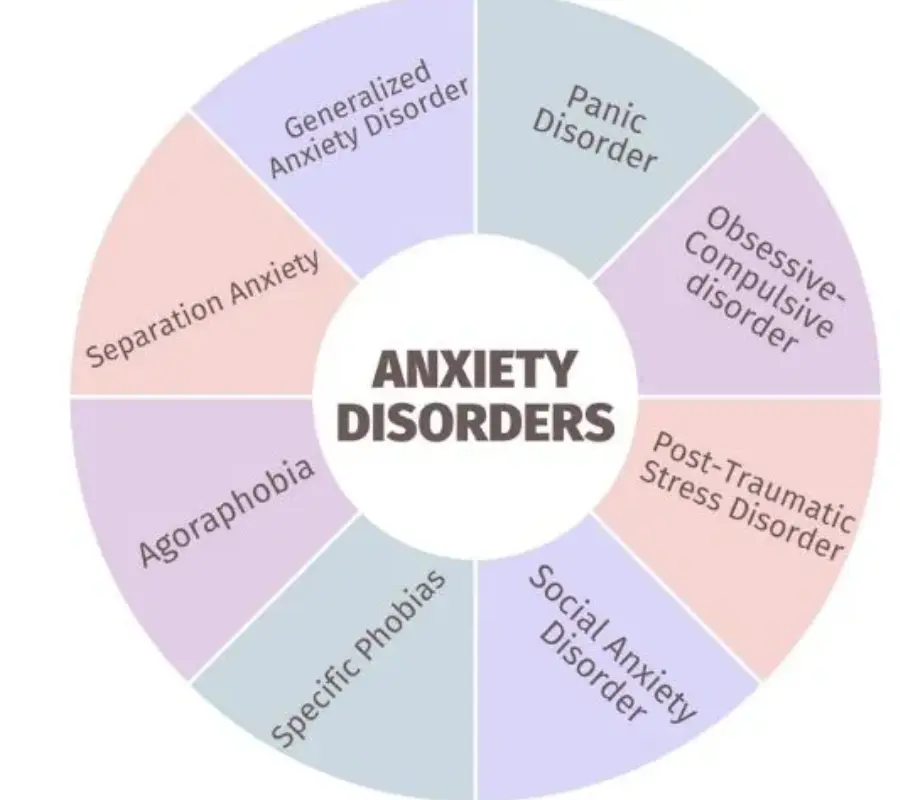
Anxiety disorders refer to a group of mental health conditions characterized by excessive fear or worry that is disproportionate to the actual situation. This heightened state of alertness affects how a person thinks, feels, and behaves.
In normal situations, anxiety is a protective response that prepares the body to react to danger. However, in anxiety disorders, this response becomes overactive, triggering symptoms even when there is no real threat. Over time, this can interfere with work, relationships, sleep, and physical health.
Types of Anxiety Disorders
Generalized Anxiety Disorder (GAD)
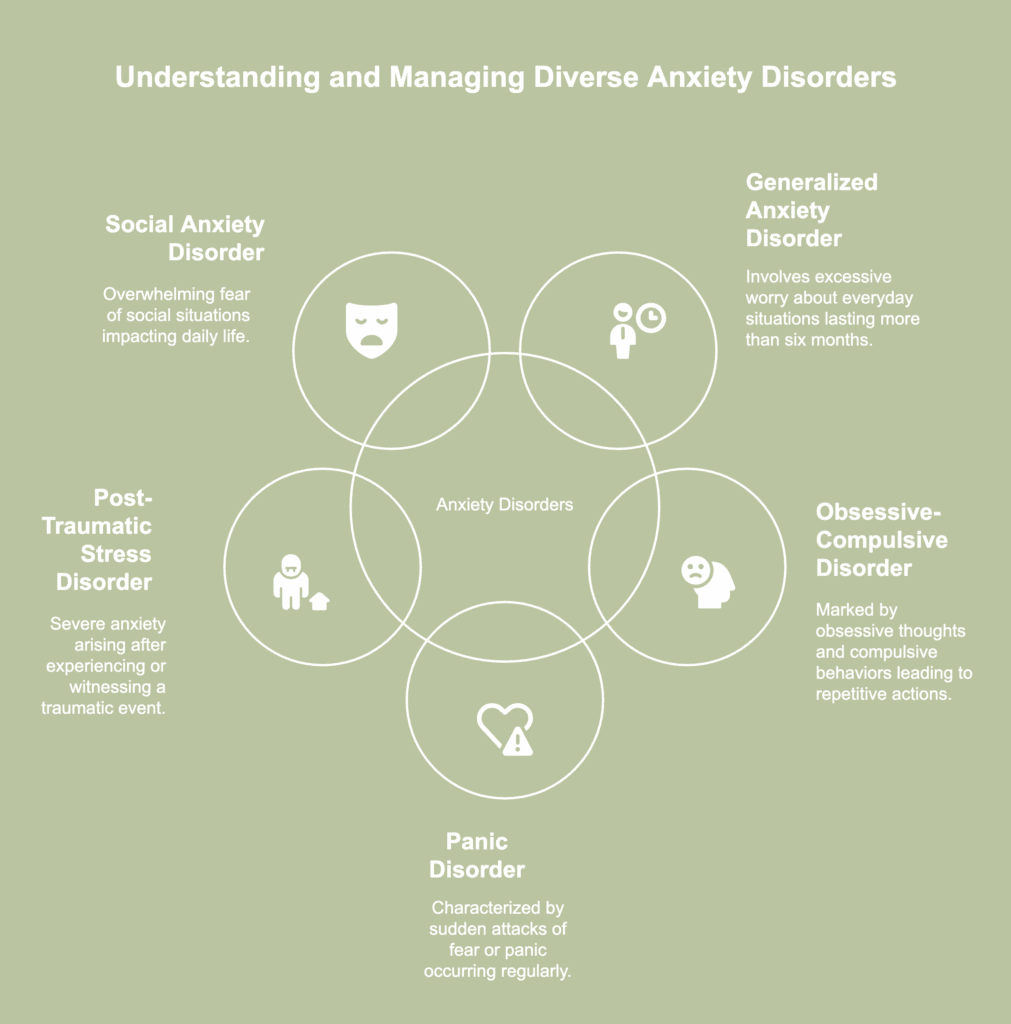
Generalized anxiety disorder involves persistent and excessive worry about everyday situations such as health, finances, work, or family. This worry is often difficult to control and is present most days for at least six months.
Panic Disorder
Panic disorder is characterized by sudden and intense episodes of fear known as panic attacks. These episodes can include chest pain, shortness of breath, dizziness, and a feeling of losing control, often mimicking heart-related conditions.
Social Anxiety Disorder
This condition involves intense fear of social situations or being judged by others. Individuals may avoid social interactions, public speaking, or even simple daily conversations.
Specific Phobias
Specific phobias involve intense fear of particular objects or situations, such as heights, flying, or animals. The fear response is often disproportionate to the actual danger.
Symptoms of Anxiety Disorders
Anxiety disorders affect both the mind and body. Psychological symptoms often include excessive worry, restlessness, irritability, difficulty concentrating, and a constant feeling of unease.
Physical symptoms are equally common and may include rapid heartbeat, sweating, trembling, shortness of breath, dizziness, and muscle tension. Many individuals also experience sleep disturbances, which can worsen fatigue and emotional instability.
Anxiety is also closely linked with digestive issues, and many people with anxiety report symptoms similar to irritable bowel syndrome, including stomach discomfort, bloating, and irregular bowel habits.
Causes of Anxiety Disorders
Anxiety disorders are caused by a combination of biological, psychological, and environmental factors rather than a single trigger.
Biological Factors
Imbalances in brain chemicals such as serotonin and dopamine play a major role in regulating mood and anxiety levels. Genetic predisposition also increases the likelihood of developing anxiety disorders.
Psychological Factors
Individuals who have experienced trauma, chronic stress, or negative life events are more vulnerable to anxiety disorders. Personality traits such as perfectionism or low stress tolerance can also contribute.
Environmental Factors
High-pressure environments, financial stress, work-related stress, and unstable relationships can all trigger or worsen anxiety symptoms.
Risk Factors
Certain individuals are more likely to develop anxiety disorders. A family history of mental health conditions increases risk significantly. Chronic stress, substance use, and long-term medical conditions can also contribute.
Anxiety is commonly seen alongside physical health issues, especially conditions that cause chronic discomfort or fatigue, such as irritable bowel syndrome. Sleep problems, particularly insomnia, further increase vulnerability.
Complications of Untreated Anxiety
If left untreated, anxiety disorders can affect nearly every aspect of life. Persistent anxiety can lead to chronic stress, which may weaken the immune system and increase susceptibility to illness.
Long-term anxiety is also associated with sleep disorders, fatigue, and difficulty concentrating. In some cases, it can contribute to depression or substance misuse as individuals attempt to cope with symptoms.
Physical symptoms such as heart palpitations and chest discomfort may also increase the risk of misdiagnosis with cardiovascular conditions, leading to further stress and medical investigations.
Diagnosis of Anxiety Disorders
Clinical Evaluation
Diagnosis is primarily based on a detailed psychological evaluation. A healthcare provider assesses symptoms, their duration, severity, and impact on daily life.
Psychological Questionnaires
Standardized questionnaires may be used to measure anxiety levels and help distinguish between different types of anxiety disorders.
Physical Examination
A physical exam is often conducted to rule out medical conditions that may mimic anxiety symptoms, such as thyroid disorders or heart problems.
Assessment of Related Conditions
Because anxiety often coexists with other conditions like irritable bowel syndrome, a comprehensive evaluation is important for accurate diagnosis.
Treatment of Anxiety Disorders
Treatment for anxiety disorders is highly effective and usually involves a combination of therapy, lifestyle changes, and sometimes medication.
Psychotherapy (Talk Therapy)
Cognitive Behavioral Therapy (CBT) is one of the most effective treatments for anxiety disorders. It helps individuals identify negative thought patterns and replace them with healthier, more balanced thinking. Over time, this reduces the intensity and frequency of anxiety symptoms.
Medications
In moderate to severe cases of anxiety or stress-related disorders, medications may be prescribed to help manage symptoms more effectively. These medications do not cure the underlying cause on their own but can significantly reduce symptom severity and improve daily functioning when symptoms become overwhelming or persistent.
Antidepressants are commonly used, especially selective serotonin reuptake inhibitors (SSRIs), which help regulate brain chemicals involved in mood and anxiety. They are often prescribed for long-term management and may take several weeks to show full effects.
Anti-anxiety medications may be used for quicker relief of intense anxiety symptoms. These work by calming overactive brain activity and reducing feelings of fear or tension. However, they are usually prescribed for short-term use due to the risk of dependence in some cases.
Beta-blockers are sometimes used to control physical symptoms of anxiety such as rapid heartbeat, trembling, or sweating. They do not directly affect emotional stress but help manage the body’s physical response during stressful situations.
Medication is generally most effective when combined with psychological therapies such as cognitive behavioral therapy (CBT), along with lifestyle changes and stress management techniques. This combined approach addresses both the physical symptoms and the underlying thought patterns contributing to the condition.
Lifestyle Modifications
Lifestyle changes play a crucial role in managing anxiety. Regular physical activity helps reduce stress hormones and improves mood. Maintaining a consistent sleep schedule is also essential, as poor sleep can worsen anxiety symptoms.
Reducing caffeine and alcohol intake can also help stabilize mood and reduce physical symptoms like heart palpitations.
Stress Management Techniques
Stress management plays an important role in overall mental and physical health, especially in conditions where anxiety and emotional tension are common. Relaxation techniques such as deep breathing, meditation, and mindfulness are simple yet highly effective methods that help calm the nervous system and reduce stress responses in the body.
Deep breathing exercises work by slowing the heart rate and increasing oxygen supply to the brain, which promotes a sense of calm and relaxation. When practiced regularly, they can help reduce feelings of panic, tension, and physical symptoms of stress such as muscle tightness.
Meditation is another powerful technique that trains the mind to focus and eliminate constant mental clutter. It helps improve emotional stability, enhances concentration, and reduces negative thinking patterns that often contribute to anxiety. Over time, regular meditation can lead to better self-awareness and improved mental resilience.
Mindfulness involves staying fully present in the moment without judgment. This practice helps individuals become more aware of their thoughts and emotions without being overwhelmed by them. By focusing on the present rather than worrying about the past or future, mindfulness can significantly reduce anxiety levels and improve overall emotional regulation.
When practiced consistently, these stress management techniques not only reduce anxiety but also improve sleep quality, enhance mood, and support long-term mental well-being.
Complications of Untreated Anxiety
Untreated anxiety can lead to long-term emotional and physical consequences. Chronic stress may increase the risk of depression, sleep disorders, and digestive issues such as irritable bowel syndrome.
It can also affect cardiovascular health by contributing to persistent heart palpitations and elevated stress responses. In severe cases, individuals may withdraw from social and professional activities, leading to isolation and reduced quality of life.
Frequently Asked Questions (FAQs)
1. Can anxiety disorders go away on their own?
Mild anxiety may improve over time, but clinical anxiety disorders rarely resolve without treatment. Therapy and lifestyle changes are often needed to manage symptoms effectively and prevent long-term complications.
2. Is anxiety a mental illness or just stress?
Anxiety becomes a mental health disorder when it is persistent, excessive, and interferes with daily life. Unlike normal stress, anxiety disorders continue even in the absence of an immediate threat and often require professional treatment.
3. Can anxiety cause physical symptoms like chest pain?
Yes, anxiety can cause strong physical symptoms including chest tightness, rapid heartbeat, and shortness of breath. These symptoms are related to the body’s stress response and are often mistaken for heart problems.
4. Is anxiety linked to IBS?
Yes, irritable bowel syndrome and anxiety are closely connected. Stress and anxiety can worsen digestive symptoms, while chronic digestive discomfort can also increase anxiety levels.
5. What is the best long-term treatment for anxiety?
The most effective long-term treatment is often a combination of cognitive behavioral therapy, lifestyle changes, and, when necessary, medication. Consistency in treatment is key to long-term improvement.
References
- World Health Organization (WHO). Anxiety Disorders Fact Sheet
- National Institute of Mental Health (NIMH). Anxiety Disorders
- Mayo Clinic. Anxiety Disorders Overview
- American Psychological Association (APA). Understanding Anxiety
National Health Service (NHS). Anxiety Disorder Information