

UTI Symptoms and Treatment: Causes, Diagnosis & Prevention
Urinary Tract Infection (UTI) is one of the most common bacterial infections affecting people worldwide, particularly women. It occurs when harmful microorganisms—most commonly bacteria—enter the urinary system and multiply, leading to inflammation and discomfort. Although UTIs are often considered minor infections, they can become serious if left untreated, especially when the infection spreads to the kidneys.
UTIs are also more common in individuals with underlying health conditions such as kidney disease and diabetes, and may sometimes be associated with low immunity or chronic conditions like anemia. Early recognition and treatment are essential to prevent complications.
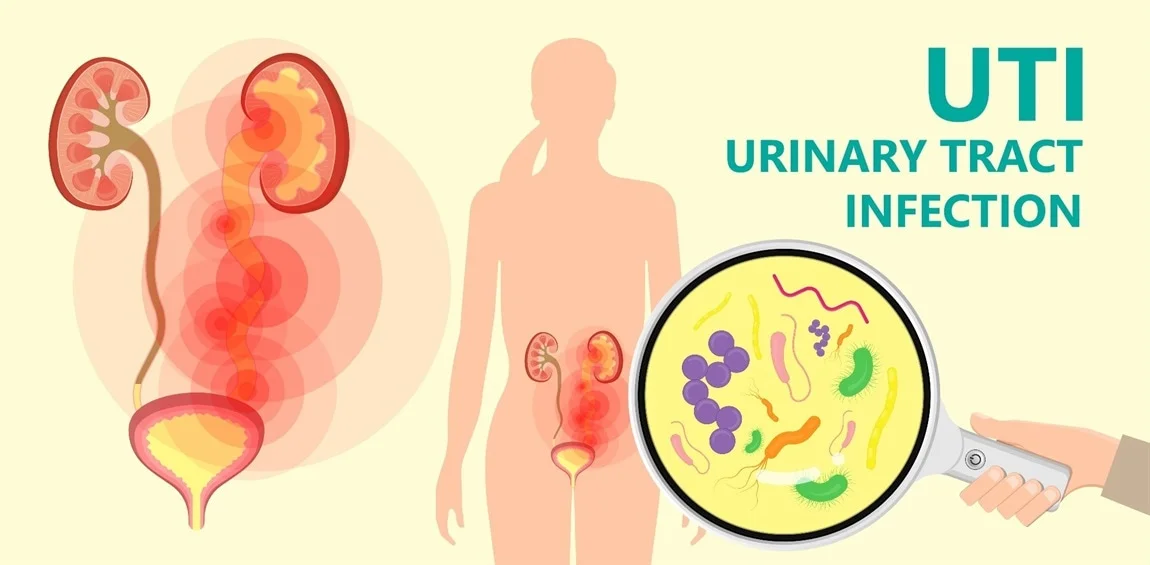
What Is a Urinary Tract Infection?
A urinary tract infection is an infection that can affect any part of the urinary system, including the kidneys, ureters, bladder, or urethra. Most infections involve the lower urinary tract, particularly the bladder and urethra.
The urinary system is responsible for filtering waste and removing it from the body through urine. When bacteria enter this system—usually through the urethra—they can multiply and cause infection. The most common causative organism is Escherichia coli (E. coli), a bacteria normally found in the intestines.
Types of UTI
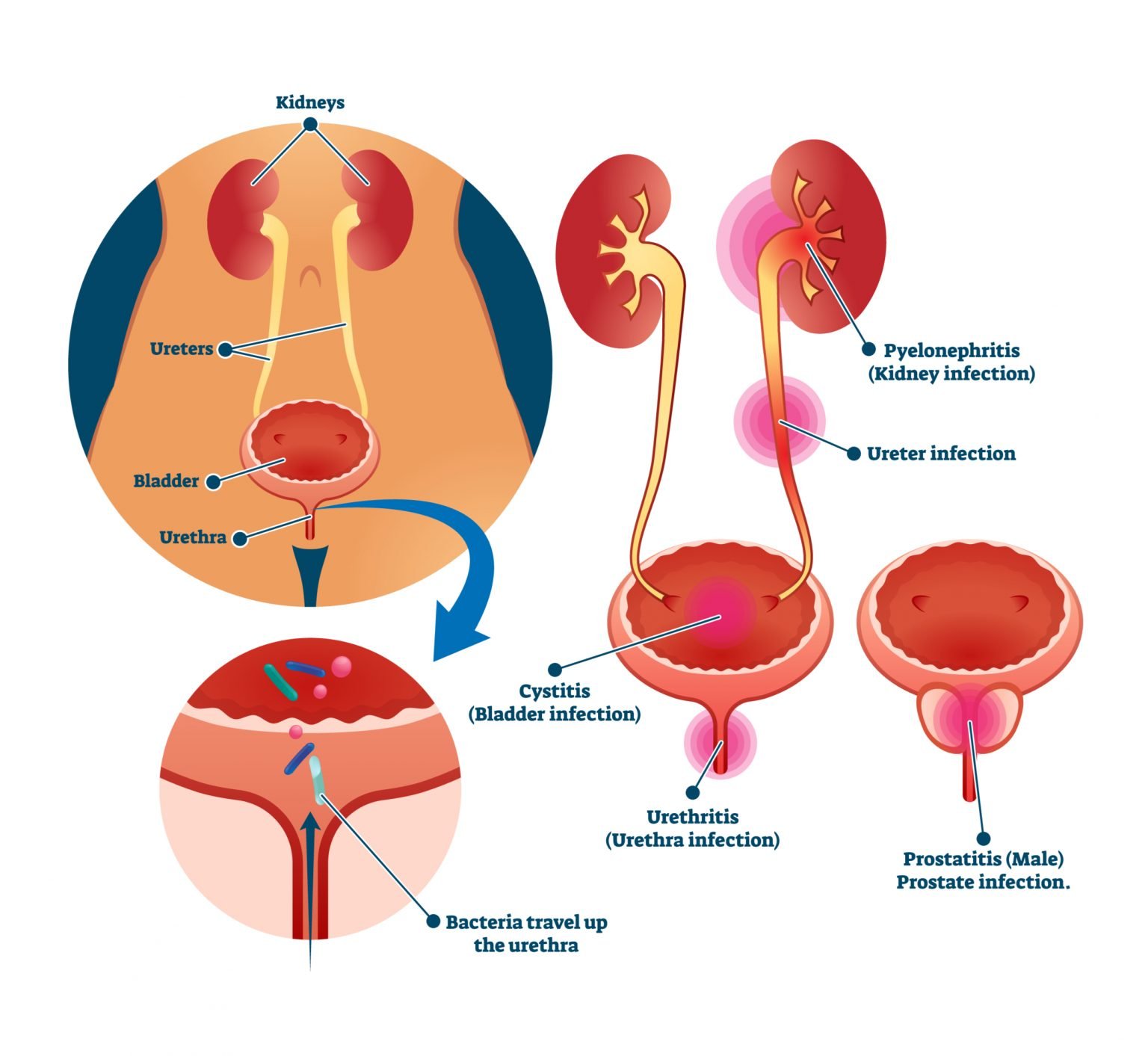
Urinary tract infections (UTIs) are classified according to the specific part of the urinary system that is affected. The urinary tract includes the kidneys, ureters, bladder, and urethra, and infection can occur in any of these areas. The severity of symptoms and treatment approach depend on the location of the infection.
Cystitis (Bladder Infection)
Cystitis is the most common type of urinary tract infection and occurs when bacteria infect the bladder. It usually develops when bacteria, most commonly E. coli, enter the urinary tract and multiply in the bladder. This type of infection is more frequent in women due to a shorter urethra, which allows bacteria easier access to the bladder.
Symptoms typically include a burning sensation during urination, frequent urge to urinate even when the bladder is not full, lower abdominal discomfort, and cloudy or strong-smelling urine. In some cases, there may also be blood in the urine. Although cystitis is usually not dangerous when treated early, untreated cases can progress to more serious infections.
Urethritis
Urethritis refers to the infection and inflammation of the urethra, the tube responsible for carrying urine from the bladder out of the body. It can be caused by bacteria from the urinary tract or by sexually transmitted infections such as chlamydia or gonorrhea.
Common symptoms include pain or burning during urination, irritation at the opening of the urethra, and sometimes abnormal discharge. In men, urethritis may also cause discomfort in the penis. Since urethritis is often linked with sexually transmitted infections, proper diagnosis and partner treatment may be necessary to prevent reinfection.
Pyelonephritis (Kidney Infection)
Pyelonephritis is a more severe and potentially dangerous form of urinary tract infection that occurs when bacteria travel from the bladder up to one or both kidneys. This condition is considered a medical emergency in many cases because it can lead to permanent kidney damage or spread of infection into the bloodstream.
Symptoms are usually more intense and may include high fever, chills, pain in the lower back or side (flank pain), nausea, vomiting, and general weakness in addition to urinary symptoms. Individuals with weakened immune systems, diabetes, or pre-existing kidney disease are at higher risk of complications. Pyelonephritis often requires prompt medical treatment with antibiotics and sometimes hospitalization.
Causes of Urinary Tract Infection
UTIs occur when bacteria enter the urinary tract and begin to multiply. This can happen for several reasons, many of which are related to hygiene, anatomy, or underlying health conditions.
In most cases, bacteria from the digestive tract, particularly E. coli, travel from the anal region to the urethra and move upward into the bladder. Poor personal hygiene, improper wiping techniques, and infrequent urination can increase this risk.
Sexual activity is another contributing factor, as it can introduce bacteria into the urinary tract. Women are more susceptible due to their shorter urethra, which allows bacteria easier access to the bladder.
Certain medical conditions also increase susceptibility. Individuals with diabetes often have weakened immune defenses and higher glucose levels in urine, creating an environment where bacteria can thrive. Similarly, people with anemia may have reduced immune function, making it harder for the body to fight infections.
Risk Factors
Several factors can increase the likelihood of developing a UTI. Women are generally at higher risk due to anatomical differences. Pregnancy can also increase susceptibility due to hormonal changes and pressure on the urinary tract.
Individuals with a history of kidney problems or kidney disease are more prone to recurrent infections. Poor hydration, urinary retention, and use of catheters further increase risk.
In addition, weakened immune systems, chronic illnesses such as diabetes, and nutritional deficiencies linked to anemia can make infections more likely and more severe.
Symptoms of UTI
The symptoms of a urinary tract infection can vary depending on the severity and location of the infection. In most cases, lower urinary tract infections present with discomfort during urination.
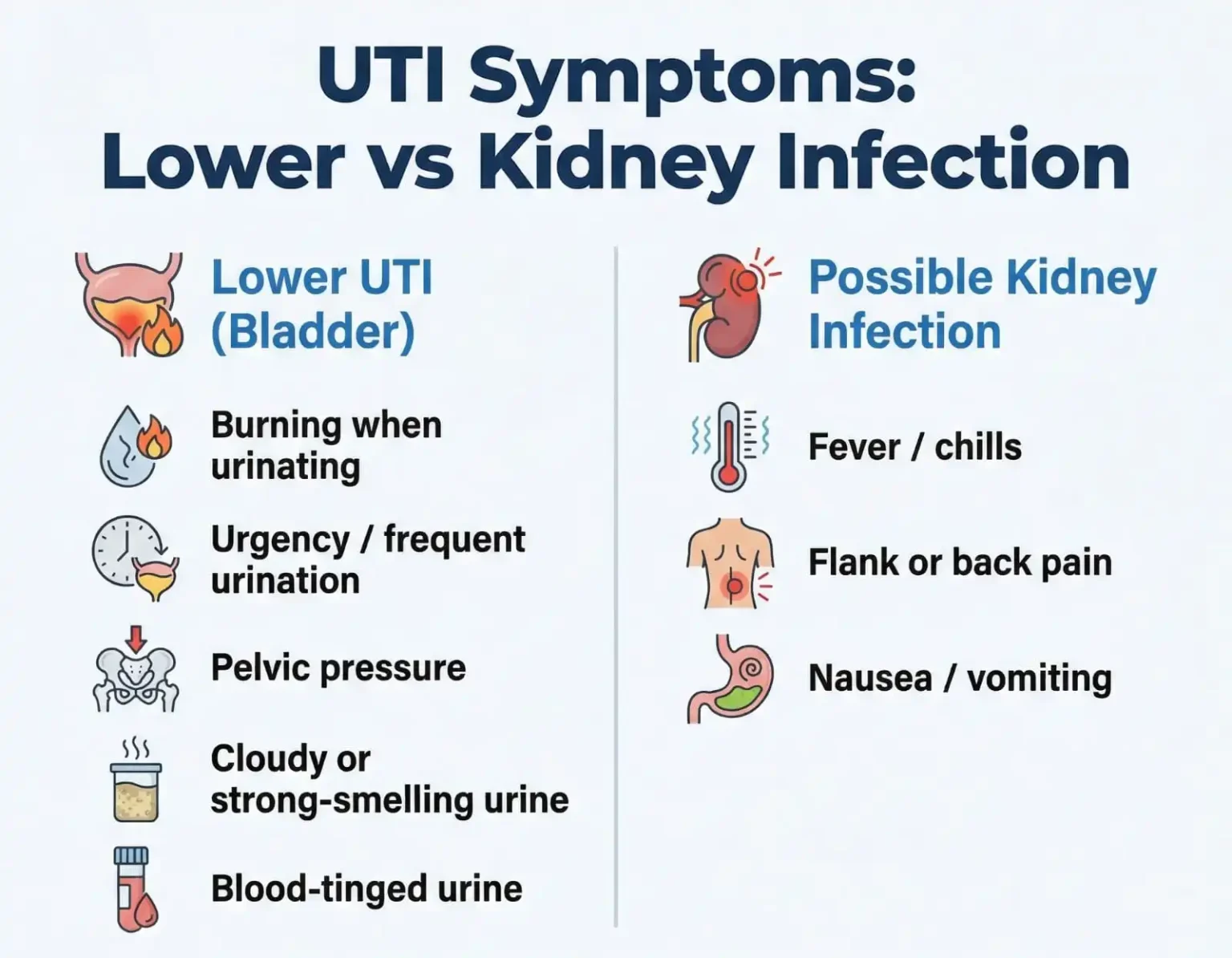
Common symptoms include a burning sensation while urinating, frequent urge to urinate even when little urine is passed, cloudy or strong-smelling urine, and pelvic discomfort. Some individuals may also notice blood in the urine.
When the infection spreads to the kidneys, symptoms become more severe. These may include high fever, chills, back or flank pain, nausea, and vomiting. Kidney involvement requires immediate medical attention due to the risk of complications, especially in individuals with underlying kidney disease.
Complications of Untreated UTI
If a urinary tract infection is not treated properly, it can lead to serious complications. One of the most significant risks is the spread of infection to the kidneys, resulting in pyelonephritis. This condition can cause permanent kidney damage if not treated promptly.
Recurrent infections can also occur, especially in individuals with underlying conditions such as diabetes. In severe cases, untreated infections may enter the bloodstream, leading to a life-threatening condition known as sepsis.
Pregnant women with untreated UTIs are at higher risk of complications such as preterm labor and low birth weight.
Diagnosis of UTI
Urine Analysis
The first step in diagnosing a UTI is usually a urine test. A urine sample is analyzed to detect the presence of bacteria, white blood cells, and red blood cells, all of which indicate infection.
Urine Culture
A urine culture may be performed to identify the specific bacteria causing the infection. This helps doctors choose the most effective antibiotic treatment.
Imaging Tests
In cases of recurrent or severe infections, imaging tests such as ultrasound or CT scans may be used to check for structural abnormalities in the urinary tract or signs of kidney involvement.
Blood Tests
Blood tests may be recommended if the infection is suspected to have spread to the kidneys or bloodstream, especially in patients with conditions like anemia or weakened immunity.
Treatment of UTI
Treatment for urinary tract infections typically involves antibiotics and supportive care. The goal is to eliminate the infection, relieve symptoms, and prevent recurrence.
Antibiotic Therapy
Antibiotics are the primary treatment for UTIs. The choice of medication depends on the type of bacteria identified and the severity of the infection. It is important to complete the full course of antibiotics even if symptoms improve early.
Pain Relief and Symptom Management
Pain relievers may be prescribed to reduce discomfort during urination. Drinking plenty of fluids also helps flush bacteria from the urinary tract.
Hydration and Fluid Intake
Increased water intake is essential during recovery. It helps dilute urine and promotes frequent urination, which assists in clearing bacteria from the system.
Treatment of Underlying Conditions
Managing underlying health issues such as diabetes is crucial, as uncontrolled blood sugar levels can increase the risk of recurrent infections.
Prevention of UTI
Preventing urinary tract infections involves maintaining good hygiene and healthy urinary habits. Drinking sufficient water, urinating regularly, and practicing proper personal hygiene can significantly reduce risk.
Wiping from front to back after using the toilet helps prevent bacterial spread. Avoiding unnecessary use of irritating products in the genital area and urinating after sexual activity may also help reduce infection risk.
Individuals with recurrent infections or underlying conditions such as kidney disease or diabetes should follow medical advice closely to prevent recurrence.
Frequently Asked Questions (FAQs)
1. Can a UTI go away without antibiotics?
In some very mild cases, the body may clear a UTI on its own, but this is not reliable. Most UTIs require antibiotics to fully eliminate the bacteria. Without treatment, the infection can worsen or spread to the kidneys, especially in people with conditions like kidney disease.
2. Why are women more prone to UTIs than men?
Women have a shorter urethra, which allows bacteria to reach the bladder more easily. Hormonal changes and pregnancy can further increase the risk. This anatomical difference is the main reason UTIs are more common in women than in men.
3. Can drinking water help treat a UTI?
Drinking water does not cure a UTI on its own, but it helps support recovery. Increased fluid intake helps flush bacteria from the urinary system and reduces irritation. However, antibiotics are usually still required for complete treatment.
4. Is UTI linked to diabetes?
Yes, diabetes significantly increases the risk of UTIs. High blood sugar levels create a favorable environment for bacterial growth, and immune function may also be weakened, making infections more frequent and harder to control.
5. Can UTIs keep coming back repeatedly?
Yes, recurrent UTIs are common, especially in people with risk factors such as poor hydration, urinary tract abnormalities, or underlying conditions like anemia and kidney disease. Preventive strategies and proper medical management are important in such cases.
References
- World Health Organization (WHO). Urinary Tract Infections Overview
- Centers for Disease Control and Prevention (CDC). UTI Information
- National Institute of Diabetes and Digestive and Kidney Diseases (NIDDK). Urinary Tract Infections
- Mayo Clinic. Urinary Tract Infection (UTI)
- American Urological Association (AUA). UTI Clinical Guidelines