
Thyroid Disorders Symptoms and Treatment: Hypothyroidism vs Hyperthyroidism
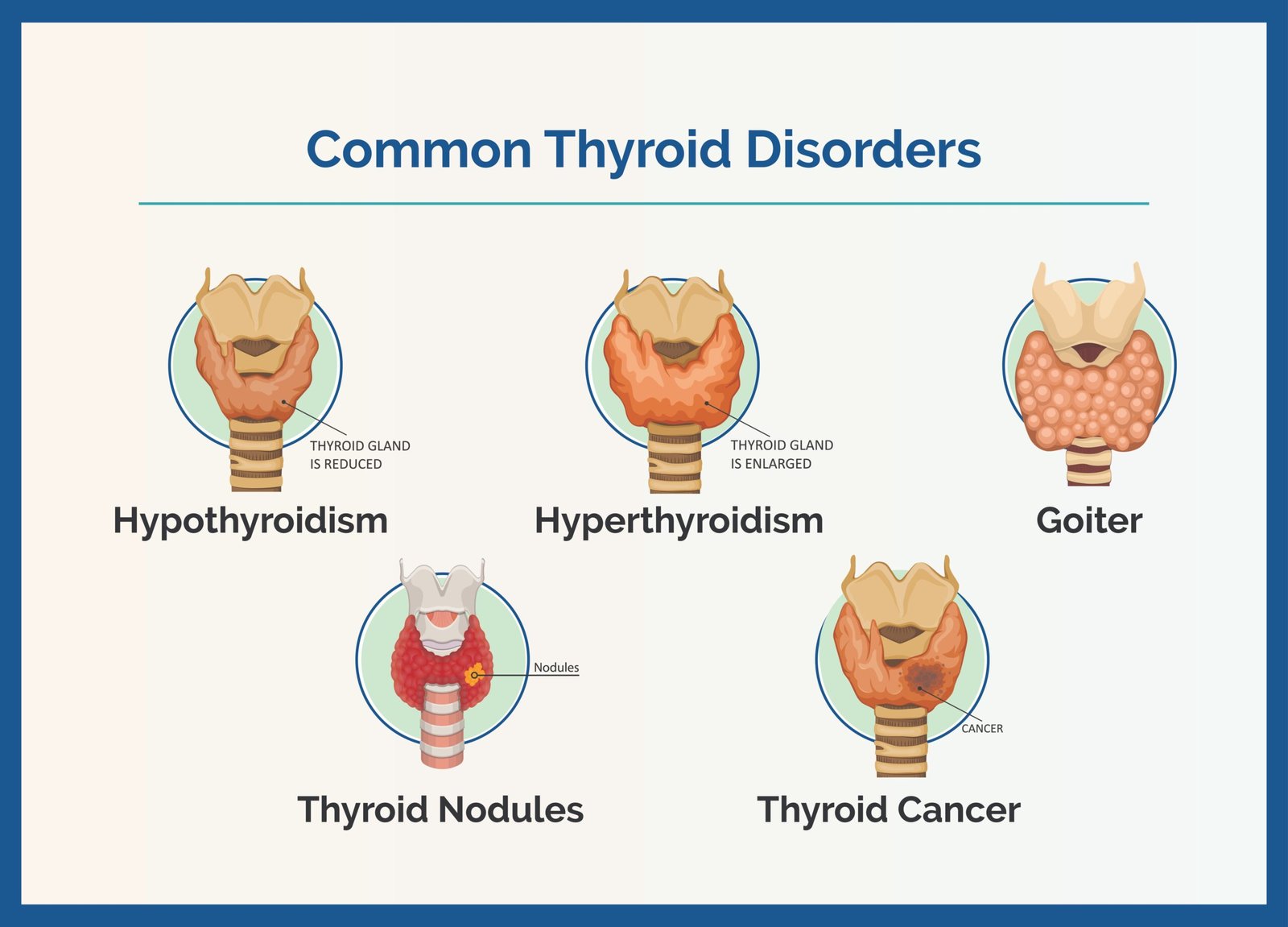
Thyroid disorders are among the most common hormonal conditions affecting millions of people worldwide, yet they often remain undiagnosed for long periods due to their slow and subtle onset. The thyroid gland is a small, butterfly-shaped gland located in the front of the neck, but despite its size, it plays a major role in regulating metabolism, energy production, body temperature, heart rate, and overall hormonal balance.
When the thyroid gland becomes underactive or overactive, it disrupts multiple systems in the body. These conditions are broadly classified into hypothyroidism and hyperthyroidism. Both can significantly affect daily life and are often associated with symptoms such as anemia, sleep disturbances, unexplained weight changes, fatigue, and mood fluctuations.
Thyroid disorders are also closely linked with conditions like insomnia, chronic fatigue, and metabolic imbalance, making early detection and proper treatment essential for long-term health.
What Is the Thyroid Gland and What Does It Do?
The thyroid gland produces hormones—mainly thyroxine (T4) and triiodothyronine (T3)—that regulate how the body uses energy. These hormones influence nearly every organ system, including the heart, brain, digestive system, and muscles. Even small imbalances in thyroid hormone levels can lead to noticeable changes in metabolism and overall well-being.
The production of thyroid hormones is controlled by the pituitary gland through thyroid-stimulating hormone (TSH). When this balance is disrupted, either too much or too little hormone is produced, leading to thyroid disorders.
Hypothyroidism: When the Thyroid Is Underactive
Hypothyroidism occurs when the thyroid gland does not produce enough hormones. As a result, the body’s metabolism slows down, affecting energy levels and organ function.
Causes of Hypothyroidism
The most common cause of hypothyroidism is an autoimmune condition known as Hashimoto’s thyroiditis, where the immune system mistakenly attacks the thyroid gland. Other causes include iodine deficiency, certain medications, thyroid surgery, or radiation treatment.
In some cases, hypothyroidism may also develop gradually with age, especially in individuals with a family history of thyroid disorders.
Symptoms of Hypothyroidism
Hypothyroidism symptoms often develop slowly and may be mistaken for general fatigue or aging. Common symptoms include persistent tiredness, unexplained weight gain, sensitivity to cold, dry skin, and constipation.
Many individuals also experience mood changes such as depression or low motivation. Hair thinning, brittle nails, and puffiness in the face are also frequently observed. In some cases, hypothyroidism is associated with anemia, which can further worsen fatigue and weakness.
Effects of Hypothyroidism on the Body
When left untreated, hypothyroidism can slow down almost every bodily function. It can lead to elevated cholesterol levels, reduced heart rate, and impaired cognitive function. Over time, it may also contribute to weight gain and difficulty in losing weight, even with diet and exercise.
Severe untreated cases may lead to a condition called myxedema, which is rare but life-threatening.
Hyperthyroidism: When the Thyroid Is Overactive
Hyperthyroidism occurs when the thyroid gland produces excessive amounts of hormones. This accelerates the body’s metabolism, leading to rapid physical and physiological changes.
Causes of Hyperthyroidism
The most common cause of hyperthyroidism is Graves’ disease, an autoimmune disorder that stimulates excessive hormone production. Other causes include thyroid nodules, inflammation of the thyroid (thyroiditis), or excessive iodine intake.
Symptoms of Hyperthyroidism
Unlike hypothyroidism, hyperthyroidism speeds up body functions. Individuals may experience unintentional weight loss despite increased appetite, rapid heartbeat, anxiety, irritability, and excessive sweating.
Sleep disturbances are also common, as the overactive metabolism makes it difficult for the body to rest. Some people may notice tremors in the hands or muscle weakness. In severe cases, eye changes such as bulging eyes may occur.
Hyperthyroidism can also worsen conditions like insomnia and heart palpitations, increasing overall cardiovascular strain.
Effects of Hyperthyroidism on the Body
If untreated, hyperthyroidism can lead to serious complications such as irregular heart rhythms, weakened bones (osteoporosis), and cardiovascular stress. The constant overstimulation of the body can eventually lead to fatigue, despite the initial energy surge.
In extreme cases, a life-threatening condition called thyroid storm can occur, requiring emergency medical care.
Diagnosis of Thyroid Disorders
Blood Tests for Hormone Levels
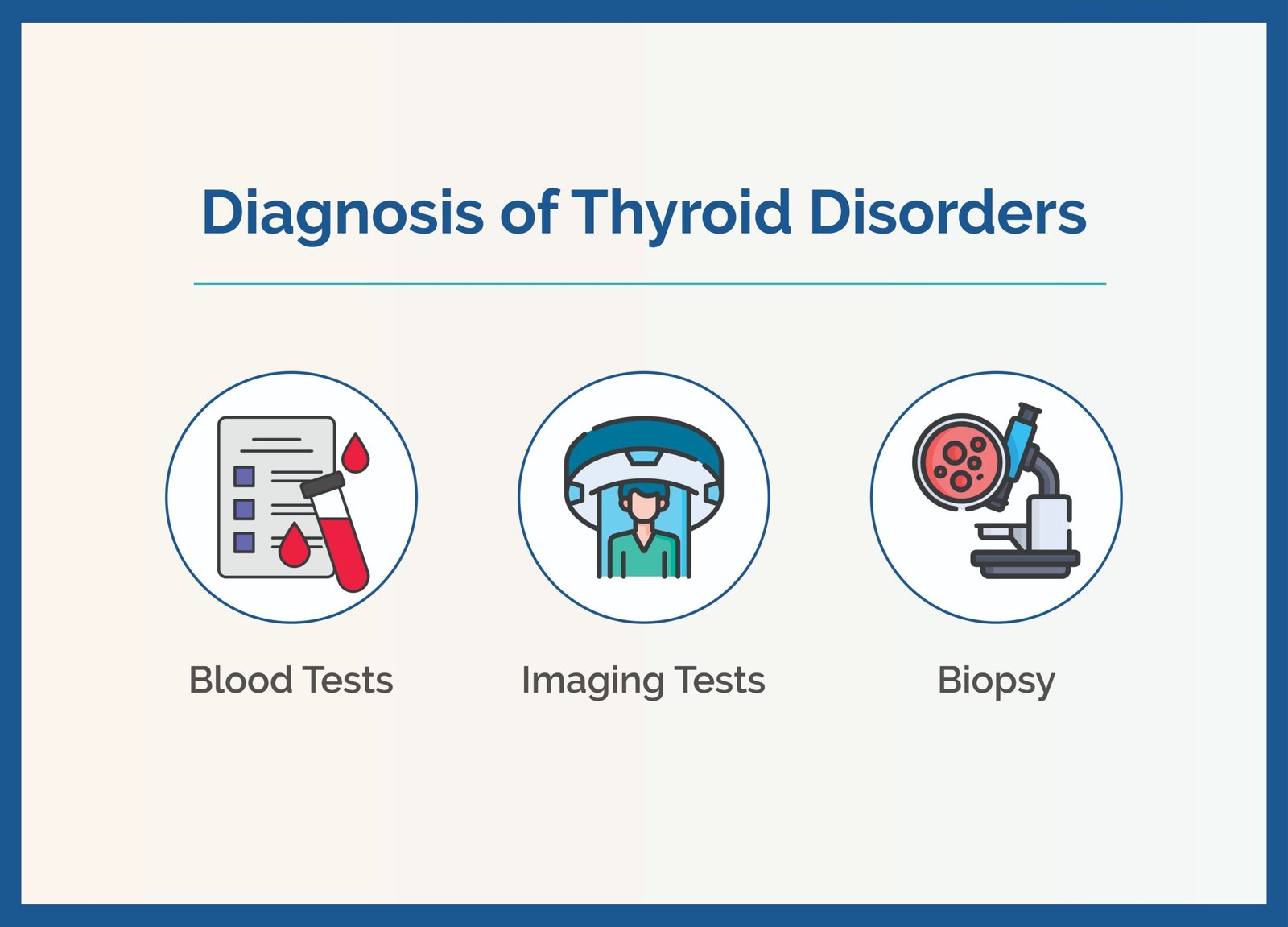
The most common method of diagnosing thyroid disorders is through blood tests that measure TSH, T3, and T4 levels. Elevated TSH levels usually indicate hypothyroidism, while low TSH levels often suggest hyperthyroidism.
These tests provide a clear picture of thyroid function and help determine the severity of the condition.
Antibody Testing
In cases where an autoimmune condition is suspected, antibody tests may be performed. These help detect conditions like Hashimoto’s thyroiditis or Graves’ disease, which are major causes of thyroid imbalance.
Imaging Tests
Ultrasound or radioactive iodine scans may be used to examine the structure and activity of the thyroid gland. These tests help identify nodules, inflammation, or abnormal growth.
Treatment of Thyroid Disorders
Treatment depends on whether the thyroid is underactive or overactive, and is usually long-term.
Treatment of Hypothyroidism
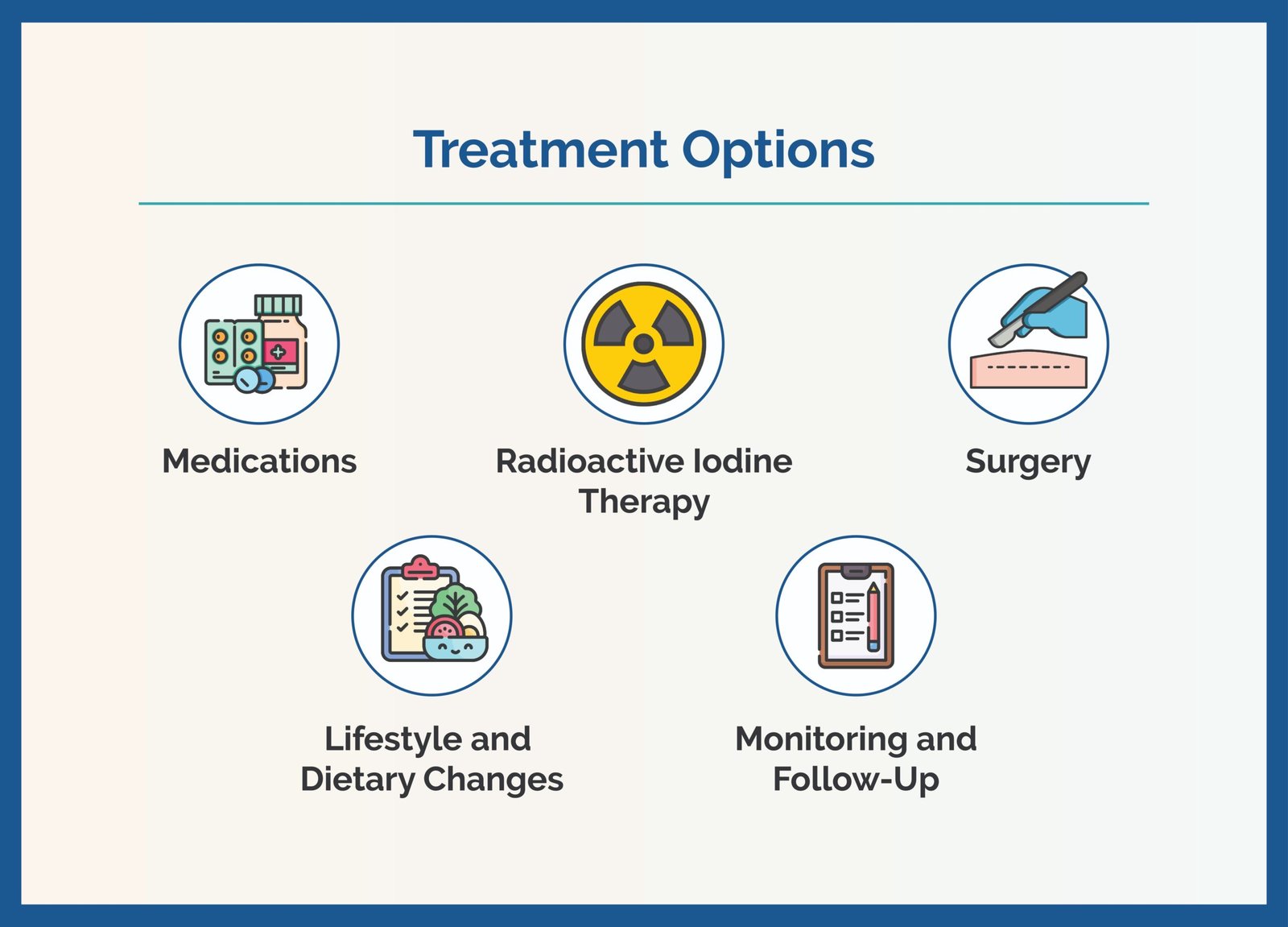
Hypothyroidism is primarily treated with synthetic thyroid hormone replacement therapy. This medication restores normal hormone levels and helps regulate metabolism.
Treatment is usually lifelong, and regular blood tests are required to adjust dosage. When properly managed, most individuals can lead normal, healthy lives.
Treatment of Hyperthyroidism
Antithyroid Medications
The first line of treatment for hyperthyroidism often includes antithyroid medications that work by reducing the production of thyroid hormones. These drugs help bring hormone levels back to normal gradually and are commonly used in conditions such as Graves’ disease. Treatment usually requires regular monitoring to adjust dosage and ensure hormone levels remain stable over time.
Radioactive Iodine Therapy
Radioactive iodine therapy is a common long-term treatment option. It involves taking a controlled dose of radioactive iodine, which is absorbed by the overactive thyroid cells. This gradually destroys excess thyroid tissue, reducing hormone production. Over time, many patients may develop hypothyroidism after this treatment and may need lifelong hormone replacement therapy.
Surgery (Thyroidectomy)
In some cases, partial or complete removal of the thyroid gland may be necessary. This option is usually recommended when there is a large goiter, suspicion of thyroid cancer, or when other treatments are not suitable or effective. After surgery, patients often require lifelong thyroid hormone replacement because the body can no longer produce sufficient hormones naturally.
Beta-Blockers for Symptom Control
Beta-blockers are not used to treat the underlying thyroid problem but are very effective in controlling symptoms. They help reduce rapid heart rate, palpitations, tremors, and anxiety caused by excess thyroid hormones. These medications provide quick relief while other treatments work to control hormone production.
Lifestyle and Nutritional Support
A balanced diet supports thyroid health, especially one that includes adequate iodine intake. However, excessive iodine should be avoided in hyperthyroidism.
Managing stress is also important, as stress can worsen hormonal imbalance. Regular sleep and physical activity help stabilize energy levels and improve overall well-being.
Complications of Untreated Thyroid Disorders
If left untreated, both hypothyroidism and hyperthyroidism can lead to serious health complications. Hypothyroidism can result in infertility, cardiovascular disease, and severe fatigue. Hyperthyroidism can cause heart rhythm disorders, bone loss, and increased risk of stroke.
Both conditions can also worsen metabolic disorders such as anemia and contribute to long-term fatigue and weakness.
Frequently Asked Questions (FAQs)
1. Can thyroid disorders be cured permanently?
Thyroid disorders are generally long-term conditions, but they can be effectively controlled in most cases. In hypothyroidism, patients often require lifelong thyroid hormone replacement to maintain normal body function. In hyperthyroidism, treatment may sometimes lead to remission, especially in conditions like Graves’ disease, but ongoing monitoring is still important because relapse can occur depending on the underlying cause.
2. Is weight gain always caused by hypothyroidism?
Weight gain is not always caused by thyroid problems, as it can also result from lifestyle factors such as poor diet, lack of physical activity, or other hormonal imbalances. However, hypothyroidism can slow down metabolism, which makes the body burn fewer calories at rest. As a result, weight gain becomes easier and losing weight can be more challenging even with normal eating habits.
3. Can thyroid problems affect mental health?
Yes, thyroid imbalances can have a significant impact on mental and emotional well-being. In hypothyroidism, low hormone levels may lead to symptoms such as depression, low energy, brain fog, and lack of motivation. In contrast, hyperthyroidism can cause anxiety, restlessness, irritability, and difficulty concentrating. Both conditions may also disturb sleep patterns, which can further worsen mood and mental clarity.
4. Are thyroid disorders linked to anemia?
Yes, thyroid disorders can be associated with anemia. In hypothyroidism, reduced thyroid hormone levels can slow down the production of red blood cells, leading to lower hemoglobin levels. This can result in symptoms such as fatigue, weakness, dizziness, and pale skin. In some cases, thyroid dysfunction may also affect nutrient absorption, which can further contribute to anemia.
5. How often should thyroid levels be checked?
The frequency of thyroid testing depends on the individual’s condition and treatment status. People who are stable on thyroid medication are usually advised to check their thyroid levels every 6 to 12 months. However, testing may be required more frequently if symptoms change, medication doses are adjusted, or if the condition is newly diagnosed and still being stabilized.
References
- American Thyroid Association (ATA). Thyroid Disease Overview
- Mayo Clinic. Hypothyroidism and Hyperthyroidism
- National Institute of Diabetes and Digestive and Kidney Diseases (NIDDK). Thyroid Disease
- World Health Organization (WHO). Endocrine Disorders
- Cleveland Clinic. Thyroid Conditions Guide