

Blood Sugar Level , also known as blood glucose, is one of the most important measurements used to assess metabolic health. Glucose is needed for the body to use for energy, but if the blood glucose is too high or too low, it may be a sign of an underlying health issue.
Knowing the normal range of blood glucose can aid in interpreting common blood glucose readings and determine if additional testing is warranted. But there is no one blood sugar number that is ideal for everyone. This may be affected by recent food intake, age, medications, and any other health condition or diabetes. Therefore, blood glucose levels must be taken in relation to the other levels and not as a single reading.
What Is Blood Sugar?
Blood sugar is the level of glucose (sugar) in your blood. The carbohydrates you eat are the main source of glucose, which your body uses for energy. Insulin is a crucial factor in regulating blood sugar. It assists glucose to pass from the blood into cells.
If the body does not make enough insulin or insulin is not effective, blood sugar may increase. High blood sugar can be a sign of prediabetes or diabetes and can lead to complications such as heart disease, kidney disease, eye disease, nerve damage, and blood vessel damage.
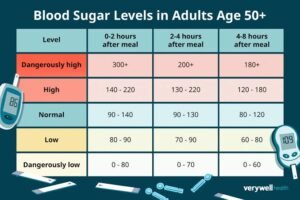
Normal Blood Sugar Levels Can Depend on Timing
There are a number of reasons why people get confused about blood sugar, one of which is that glucose fluctuates naturally during the day. Blood sugar levels tend to increase after meals and then decrease over time as the body uses up the food. The reading at the beginning of the morning may thus be quite different from that taken shortly after lunch. Common tests include fasting blood glucose, blood glucose after meals, random blood glucose and A1C.
Fasting Blood Sugar
Fasting blood glucose is the level of blood glucose when the person has not eaten for a certain amount of time, typically overnight. In adults who don’t have diabetes, blood glucose levels are typically normal in the fasting state. Fasting levels that are higher than normal can signal prediabetes or diabetes and may need further testing. Elevated fasting reading does not necessarily mean a diagnosis. Your health care provider may repeat the test or use a different type of test.
Blood Sugar after Eating
Carbohydrates are digested into glucose, which causes a rise in blood glucose. The amount of increase may vary based on the amount and type of carbohydrates eaten, what foods are eaten, activity level, medications, and metabolism. The diabetes health care team may set a target for blood sugar levels after meals for people with diabetes. The range recommended for you will not necessarily match another person’s targets as these may vary from person to person.
Random Blood Sugar
Random blood glucose testing can be done anytime, without regard to the time of the last meal. This type of test might be beneficial if an individual has symptoms that may be signs of diabetes or if a healthcare provider is assessing blood sugar in a more general way. If the random glucose level is very high, along with symptoms like intense thirst or urination, more tests may be needed.
Understanding A1C
A1C is not a blood glucose test, but rather an estimate of average blood sugar over the last 2-3 months. It is often used for the diagnosis and monitoring of diabetes and prediabetes. A1C can offer information that a blood sugar reading can’t because it measures how glucose has affected the blood for a longer period of time. Some medical conditions may interfere with A1C test results, though, so your health care professional should consider the test in the context of your medical condition.
Blood Sugar Ranges for Prediabetes and Diabetes
Blood glucose testing can help identify whether a person’s results fall within a normal range or suggest prediabetes or diabetes.
Generally, blood glucose results are interpreted in three broad categories:
- Normal: Blood sugar is within the expected range.
- Prediabetes: Blood sugar is above the normal range but below the diagnostic threshold for diabetes.
- Diabetes: Blood sugar reaches a level consistent with diabetes and typically requires confirmation unless the clinical circumstances clearly establish the diagnosis.
The thresholds will vary depending on the test being carried out. Depending on the situation, the healthcare provider might use fasting glucose, A1C, an oral glucose tolerance test, or random glucose testing.
Does Age Change Normal Blood Sugar Levels?
While age may affect health and metabolism, and increase the risk of diabetes, there is no one-size-fits-all answer to the question of whether an older person should have a higher “normal” blood sugar. However, personalized glucose goals might be appropriate for people with diabetes.
Treatment goals may be different for older adults with multiple medical conditions, medications or increased risk of hypoglycemia compared to younger adults who are otherwise healthy. Your health care provider can set goals for you based on your health, not your age.
What Causes Blood Sugar to Rise?
There are numerous causes of rising blood sugar. A carbohydrate-rich meal will produce a temporary rise, which is a normal physiological response. But, if the elevation stays elevated, it could be linked to insulin resistance, diabetes, some medications, sickness, stress, not exercising enough or other medical issues.
Some also may experience poor glucose control due to poor sleep and dehydration. Keeping a food, activity, medication, and glucose log will help your healthcare professional determine if there are patterns in your readings if they are consistently above what you expect.
What Can Cause Low Blood Sugar?
Blood sugar may drop too low, especially for those who are on some diabetes medications. Symptoms of hypoglycemia may include shakiness, sweating, hunger, dizziness, weakness, confusion and trouble concentrating.
Low blood sugar can be life-threatening, causing seizures or loss of consciousness, and should be treated right away. Talk to your health care provider if you have a history of low blood sugar. Medication, meal times and/or activity schedule may need to be adjusted.
How Can You Support Healthy Blood Sugar?
Good blood sugar control is mostly a matter of routine. A healthy diet with plenty of vegetables, high fiber foods, lean protein, healthy fats and less processed foods can help control blood glucose levels. Exercise on a regular basis can help increase insulin sensitivity, and maintaining a healthy weight if applicable can help as well.
Adequate sleep and stress management are also important. For diabetics, lifestyle changes should be implemented along with the blood sugar monitoring and medication regimen recommended by your health care provider.
When Should You Be Concerned About Your Blood Sugar?
There isn’t necessarily something wrong with one unusual reading. But if the results are abnormal, they should be taken seriously if they happen more than once. If you have symptoms like a lot of thirst or urination often, or risk factors for diabetes, talk to a health care provider if you always have high blood sugar.
Other symptoms like unexplained weight loss, tiredness, blurred vision or frequent infections may also be an indication for testing. If you experience any of the following symptoms that become more severe quickly, seek immediate medical care: severe weakness, confusion, trouble breathing, vomiting that doesn’t stop, loss of consciousness, or other symptoms that get worse.
Frequently Asked Questions
Q1: What is considered a normal blood sugar level?
The range varies based on the kind and time of the test. There are differences in the interpretation of fasting, post-meal, random glucose and A1C results.
Q2: Is blood sugar higher after eating normal?
Yes. Blood sugar levels usually increase following a meal. The increase may be more or less and last longer depending on the meal and the person’s metabolism.
Q3: What blood sugar level indicates diabetes?
Fasting glucose, A1C, oral glucose tolerance test and random glucose have established diagnostic thresholds. Diagnosis usually involves the right testing and in most cases, confirmation by a healthcare professional.
Q4: Can you have high blood sugar without symptoms?
Yes. Prediabetes and type 2 Diabetes may not have any symptoms, so screening is important for those at risk.
Q5: Does a normal blood sugar reading mean I do not have diabetes?
Not necessarily. One normal reading does not exclude diabetes or prediabetes. The information obtained from the various tests is different, and your health care provider can decide which testing is needed.
Final Takeaway
One blood sugar reading isn’t enough to understand what a normal blood sugar level is. This should be taken into account with the timing of the test, your health history, medications, symptoms, and if you have diabetes or prediabetes. Each of the following blood sugar tests offers unique information about blood sugar control: fasting glucose, post-meal glucose, random glucose, and A1C.
When results continue to fall outside the recommended range for you, ask for professional advice, do not try to interpret the results on their own. Screening, a healthy diet, exercise and proper medical treatment all can be important in keeping blood glucose levels within a healthy range and helping to prevent diabetes complications.