
After 60, treating type 2 diabetes is a complex task that involves more than just blood sugar levels. As we get older, our bodies’ reactions to food, activity, and diabetes drugs may change due to changes in muscle mass, activity, appetite, kidney function, and other health issues.
The great news is that type 2 diabetes can be controlled at any age. By following a healthy diet, exercising regularly, taking the right medication, and monitoring blood sugar levels regularly, it is possible to keep blood sugar levels healthier and lower the risk of complications. However, diabetes care should be tailored for older adults. Blood sugar goals and treatment are based on lifestyle, mobility, medications, and overall health.
Why Diabetes Management Changes After 60
Diabetes in older adults can have some special challenges. Older adults are more likely to have other medical conditions, to be taking several medications or to have changes in appetite and physical activity. As well, the body can have less muscle mass as a person ages, impacting their glucose utilization.
Medication management is important because some diabetes medications can cause low blood sugar. The objective should be to control blood sugar levels in a safe and sustainable manner rather than aiming for a specific target at any price. Your healthcare professional will be able to help set targets that are suitable for your health.
Build a Diabetes-Friendly Diet
One of the pillars of diabetes management is a healthy diet. It’s not always necessary to cut out carbohydrates, but it’s important to select the right kinds and amounts to help control blood sugar. Focus on vegetables, lean protein, high-fiber carbohydrates and healthy fats. Non-starchy vegetables like leafy greens, broccoli, peppers, cucumbers, and tomatoes contain valuable nutrients and fiber in relatively low carbohydrate amounts.
Eat foods that are high in fiber carbohydrates more often than those that are refined carbohydrates, sweets, and sugary foods. Fish, eggs, poultry, beans, and plain yogurt are also good sources of protein that can help make a balanced and satisfying meal. Reduce sugary drinks, highly processed foods and foods with added sugar. For individuals with kidney disease or other medical conditions that require a specific diet, consult a health care provider or registered dietitian before significantly altering your diet.
Stay Physically Active
Exercising regularly can enhance insulin sensitivity, promote cardiovascular health, build muscles and maintain independence. Walking is a great way for many older adults to begin. Other exercises like swimming, cycling, stretching, and low-impact exercise can be helpful. Strength training is especially beneficial after age 60 as maintaining muscle mass can help with mobility, strength and glucose metabolism.
Resistance bands, light weights or body-weight exercises can be used, depending on your skill level. If you experience balance issues, mobility issues, heart disease or any other medical condition, consult your healthcare provider about the types of exercise you can do. Check your blood sugar levels regularly. Keep track of your blood sugar.
Monitor Your Blood Sugar
Monitoring your blood sugar will help you find out how your diet, activity, medication, illness, and other factors impact your blood sugar. Monitoring will vary based upon your treatment plan. Some people may need to test their blood sugar multiple times daily, others not so often.
Do not get too caught up in any single reading, but rather seek out patterns. Checking your blood sugar level with your meals, activity and medications will help your health care provider determine if you need changes.
Know the Signs of Low Blood Sugar
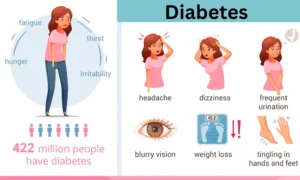
Low blood sugar, also known as hypoglycemia, may be a significant problem for older persons taking some diabetes medications. Symptoms can include shakiness, sweating, hunger, dizziness, weakness, confusion, irritability, or difficulty concentrating. If the hypoglycemia is severe, it can cause seizures or loss of consciousness. If you have a history of low blood sugar, talk to your health care provider. Medication and/or feeding regimen may need to be reassessed.
Never alter or discontinue prescribed diabetes drugs without medical advice.
Review Your Medications Regularly
After 60, it’s even more critical to manage medications properly for type 2 diabetes. Many older adults use medications for diabetes, blood pressure, cholesterol, heart disease or other medications. Your healthcare professional should periodically review all of your medications, including over-the-counter medicines and supplements.
Certain medicines may have an impact on blood sugar or interact with other medicines. Follow your diabetes medication routine. Don’t stop taking the medicine without talking to your healthcare professional if you are having side effects, if you have frequent low blood sugar, or if you are having trouble taking the medicine as directed.
Protect Yourself from Diabetes Complications
Good diabetes management is more than just managing blood sugar. Frequent medical checkups may be able to track blood pressure, cholesterol, kidney function, and other diabetes-related issues. Regular eye checks are also crucial as diabetes can cause damage to the tiny blood vessels in the eyes. Don’t forget about your feet either. Monitor for cuts, blisters, redness, swelling, or sores.
Diabetes may cause numbness and poor blood flow, making it difficult to see or feel injuries and making them harder to heal. Regular dental care and following recommended preventive health screenings are also crucial components of diabetes care.
Prioritize Sleep and Hydration
Eating healthy and exercising isn’t the only way to live a healthy lifestyle. Drink enough water to maintain normal body functions, but sugary beverages provide extra calories and carbohydrates. Water is a good option for hydration. Sleep is also a critical component of the general metabolic and cardiovascular health. Talk to your health care provider if you have trouble sleeping, get up often during the night, or feel tired during the day.
When to Contact Your Healthcare Professional
If your blood sugar is regularly outside of your target range, you are having frequent hypoglycemic episodes, or you are seeing unexplained weight loss, decreased appetite, decreased energy, or changes in health, reach out to your health care provider. If confusion is severe, loss of consciousness, difficulty breathing, persistent vomiting, severe weakness or other serious symptoms occur, urgent medical attention may be required.
Frequently Asked Questions
Q1: Can you manage type 2 diabetes successfully after 60?
Yes. It’s not too late to manage diabetes well. Many older adults can manage type 2 diabetes with a combination of nutrition, physical activity, medication (if required) and blood sugar monitoring.
Q2: What is the best diet for someone over 60 with diabetes?
No single diet is right for everyone. Eating a balanced diet with a focus on vegetables, high fiber foods, lean protein, healthy fats and minimal processed foods can help manage blood sugar levels.
Q3: Is walking good for older adults with diabetes?
Yes. Walking can enhance physical fitness, cardiovascular health and glucose utilization. Start at a comfortable level and build up activity as needed.
Q4: Should people over 60 avoid carbohydrates?
No, carbohydrates are not a bad food for a healthy diabetes diet. The emphasis should be on the right kinds of carbohydrates and the right amounts of them, not on the removal of carbohydrates.
Q5: How often should blood sugar be checked?
The right frequency will vary depending on the medications, blood sugar control and health. Follow the monitoring schedule recommended by your health care professional.
Verdict
Living with type 2 diabetes is a lifestyle change after 60 that involve developing a plan to keep your blood sugar in check and keep you healthy. All of these – a balanced diet, regular exercise, the correct use of medication, and consistent monitoring – can be important to a balanced diet.
Also, watch for any complications and review your treatment plan regularly. Your nutritional needs, medication needs and blood sugar goals can evolve over time and regular communication with your healthcare professional is important.
Take the Next Step in Diabetes Management
Having type 2 Diabetes doesn’t have to mean a life of inactivity and a life of little enjoyment after 60. Simple, regular adjustments can have a significant impact on your overall health.
Talk to your healthcare professional if you are not getting your blood sugar under control, if your medicines are causing side effects, or if you do not know if your diet and exercise plan are right for you. An individualized diabetes management plan can help you take steps toward better and safer long-term control.