
Benzoyl peroxide can reduce acne, but applying more does not clear spots faster. The most useful
starting approach is to choose an appropriate strength, introduce it gradually and keep the rest of your
skincare gentle. Dryness is common; severe burning or swelling is a reason to stop and seek advice,
not evidence that treatment is working.
This guide explains the differences between gels and washes, how to limit irritation, and when
pharmacy treatment needs a GP review.
What Does Benzoyl Peroxide Do?
Benzoyl peroxide is an antiseptic acne medicine. It reduces bacteria associated with acne and helps
with blocked pores and inflammation. It is neither a topical steroid nor a retinoid.
Its antibacterial action is useful because acne involves more than surface oil. Blocked follicles and
inflammation also matter. Scrubbing harder cannot reproduce what an acne medicine does inside
affected follicles.
Benzoyl peroxide also has a role alongside antibiotics. The American Academy of Dermatology
recommends using it with topical or oral antibiotics for acne to help reduce antibiotic resistance. That
is a clinician-led treatment strategy, not a reason to combine leftover medicines yourself.
A product can therefore contain benzoyl peroxide alone or as part of a prescription combination.
Always check the complete ingredient list before adding anything else.
Who Might Benefit From It?
Benzoyl peroxide is commonly used for mild acne, including blackheads, whiteheads and inflamed
spots. A pharmacist can help determine whether self-treatment is appropriate or whether the pattern
warrants assessment.
Painful deep lumps, scars or extensive acne may need more than a shop-bought gel. Acne that affects
confidence, relationships or daily activities also deserves attention, even when somebody else
describes it as “only a few spots.”
Most adults and children aged twelve or older can use benzoyl peroxide, but individual product
restrictions still apply. Check before treating younger children, and avoid applying it to infected or
broken skin. A previous allergy to benzoyl peroxide rules out simply trying another brand containing it.
If you are uncertain whether the bumps are acne, ask first. A treatment chosen for the wrong condition
can add irritation without addressing the cause.
Choosing a Strength and Formulation
Is a Higher Percentage Better?
Benzoyl peroxide comes in several strengths. The UK Acnecide range currently lists 2.5%, 5% and 10%
face gels, alongside 5% washes. Availability can vary; confirm the product and leaflet when buying.
The percentage is not a challenge to work through as quickly as possible. The NHS advises beginning
with the lowest strength to assess tolerance. An appropriate product that you can use consistently is
more useful than one you repeatedly abandon because it hurts.
Also compare the intended treatment area, other ingredients and whether the medicine stays on or is
rinsed away. Two products labelled “gel” may require very different routines.
Leave-on Gel or Wash?
| Product type | How it is used | Important distinction |
|---|---|---|
| Leave-on gel | Applied thinly to affected skin after cleansing and drying. | Remains on the skin according to its instructions. |
| Wash-off gel | Used on wet skin, then rinsed thoroughly. | Contact time matters; it is not an overnight treatment. |
| Prescription combination | Used according to the complete prescription. | Another active ingredient adds its own precautions. |
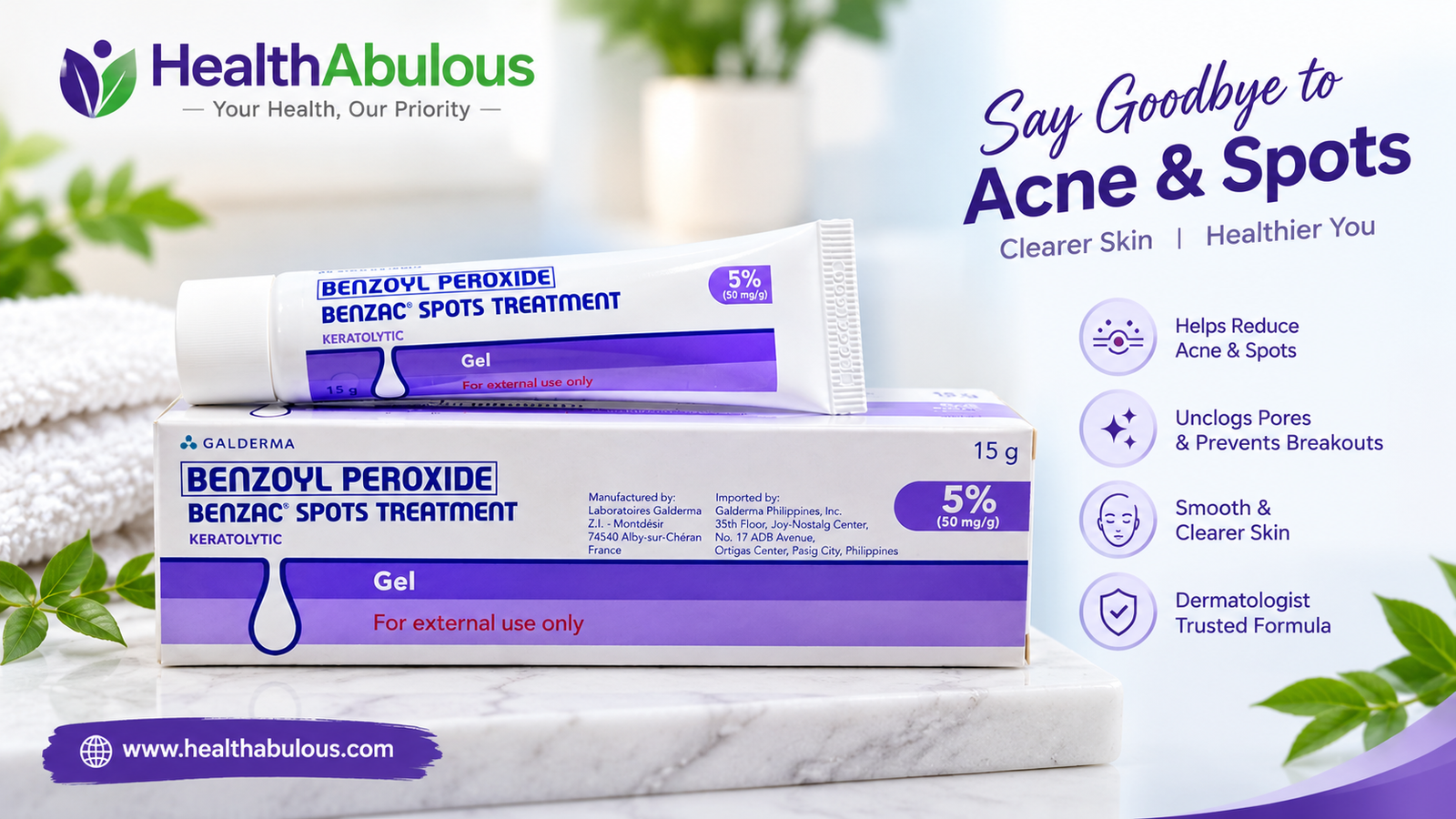
Acnecide’s pharmacy gel and face wash illustrate these differences. The face wash specifies one to two
minutes of contact before rinsing. Follow your own pack rather than transferring that timing to every
product.
A wash may fit conveniently into an existing cleansing routine, while a leave-on product adds a
separate treatment step. Neither format guarantees freedom from irritation.
How to Start Without Overloading Your Skin
First, Check Your Existing Routine
Write down everything already used on the affected area: cleanser, toner, serum, prescription cream,
spot treatment and exfoliant. Look for benzoyl peroxide in combination products so you do not
accidentally apply it twice.
Acnecide advises against combining its treatments with other benzoyl peroxide preparations or other
acne treatments unless advised by a doctor. Products containing exfoliating acids or retinol can also
complicate tolerance.
You do not need to buy an entire branded routine. The aim is to identify an effective medicine and
comfortable supporting skincare, with clear instructions for each.
Introduce Treatment Gradually
NICE recommends considering alternate-day or short-contact application when starting irritating
topical treatments such as benzoyl peroxide. Short-contact treatment means washing a leave-on
preparation off after an agreed period initially, then increasing exposure if tolerated. Ask your
pharmacist how this fits your particular product.
This is different from a medicated wash, which already has a defined rinse-off schedule. Do not leave a
wash on longer in an attempt to copy a leave-on gel.
Keep benzoyl peroxide away from your eyes, mouth and other sensitive surfaces. If it enters your eyes,
rinse thoroughly with plenty of water. Check the leaflet for accidental exposure instructions. Tell your
pharmacist if the affected area is difficult to reach, so that the application method suits your daily
circumstances and needs.
A practical checklist is:
1. Confirm whether your medicine is leave-on or wash-off.
2. Check the strength and the area it is intended to treat.
3. Follow the starting frequency in the leaflet or professional advice.
4. Keep track of comfort as well as changes in spots.
5. Ask what to do if irritation interrupts regular use.
There is no need to increase applications simply because someone online uses the same ingredient
twice daily. Your product and your skin response should guide the discussion.
A Simple Routine Around Treatment
Cleansing and Moisturising
Use a gentle cleanser and avoid scrubbing brushes or abrasive particles. Repeated washing can irritate
acne-prone skin, and deliberately drying it out can make your routine harder to tolerate. Choose
non-comedogenic skincare and remove make-up before sleeping.
When using a medicated wash, remember that it already occupies a cleansing step. Adding several
stronger cleansers around it is unlikely to make the routine more comfortable.
A moisturiser can help manage dryness. Acnecide’s instructions place moisturising after its treatment
step. Ask about timing if you use a different preparation or a prescription combination.
Introduce other new products separately where practical. If everything changes on Monday and your
skin stings on Tuesday, identifying the cause becomes unnecessarily difficult.
Sun Protection
Benzoyl peroxide can increase skin sensitivity to sunlight. Reduce excessive exposure and avoid
sunbeds.
NHS sun-safety advice recommends sunscreen with at least SPF 30 and good UVA protection,
alongside shade and clothing. Reapply as directed, especially after swimming or sweating. A small
amount spread too thinly is unlikely to provide the protection stated on the bottle.
Choose sunscreen you are comfortable wearing regularly. An elaborate routine that feels unpleasant is
harder to maintain than a simple one that fits your day.
Dryness, Irritation or an Allergic Reaction?
Mild dryness and peeling can occur when treatment begins. DermNet advises reducing frequency and
using moisturiser if irritation develops; allergic contact dermatitis is a different problem and requires
stopping the product.
Do not keep increasing treatment over skin that is becoming progressively more painful. If discomfort
is troublesome, pause and ask a pharmacist how to restart, change formulation or consider another
treatment.
With Acnecide face wash, instructions advise stopping for more severe irritation and seeking medical
advice if it remains severe after stopping. Do not restart merely because a fixed number of days has
passed if your skin has not recovered.
Stop and get urgent help for marked swelling, blistering or a serious reaction. Call 999 for breathing
difficulty or swelling of the tongue or throat. These can indicate rare anaphylaxis.
On darker skin, redness may be less obvious. Pay attention to burning, tenderness, swelling and
altered texture rather than relying on colour alone.
Preventing Bleached Towels, Clothes and Hair
Benzoyl peroxide can bleach coloured fabrics and hair. Acnecide’s advice includes avoiding contact
with these materials and washing hands thoroughly after application.
Practical precautions include using white towels and pillowcases, keeping the product away from
hairlines and taking care with shirt collars. Letting a leave-on product dry can reduce transfer, but
should not be treated as a guarantee against bleaching.
For a wash, rinse thoroughly before drying your skin. Keep the tube away from children and follow its
storage instructions. If you spill product, clean the surface promptly rather than wiping it with your
favourite coloured towel.
Combining Benzoyl Peroxide With Other Treatments
Retinoids and Antibiotics
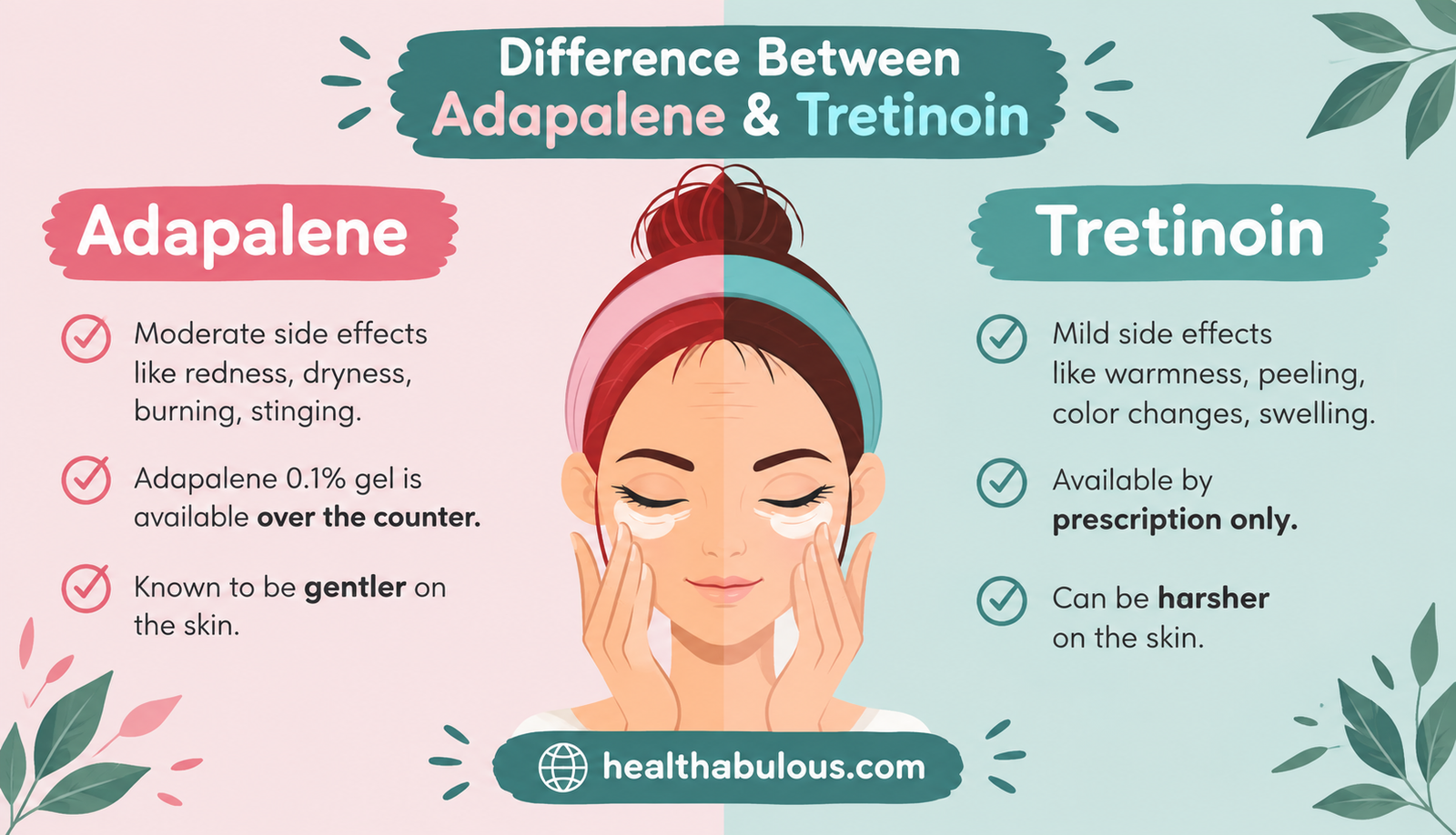
Prescription combinations may pair benzoyl peroxide with adapalene or an antibiotic. NICE includes
these among acne treatment options, chosen according to severity and individual circumstances.
A combination designed and prescribed for a particular purpose is different from layering several
separate treatments without advice. Ask which products replace existing steps and which are
genuinely additional.
With tretinoin, compatibility and timing depend on the formulation. Have your pharmacist check the
exact preparation. Do not assume that instructions for an adapalene combination apply to a tretinoin
product.
Exfoliating Acids and Other Spot Products
Salicylic acid, exfoliating toners and retinol may add irritation. Before introducing them, ask what
problem remains unresolved and whether another active ingredient is necessary.
If an antibiotic is included, confirm the review date. Benzoyl peroxide does not remove the need to
assess how long antibiotic treatment should continue.
When Should You Expect Improvement?
Acnecide advises allowing roughly four weeks to notice effects and seeking advice if acne has not
improved within twelve weeks. Increasing the quantity does not accelerate this process.
Track fewer new spots, reduced tenderness and easier tolerance, rather than expecting every old mark
to disappear immediately. Taking photographs in similar lighting can help you judge gradual changes
more fairly.
Arrange an earlier review if acne worsens, painful nodules develop or scarring appears. The British
Association of Dermatologists also highlights the emotional effects of acne; distress is a valid reason to
seek help.
At review, explain how often you actually used treatment and why doses were missed. This helps
distinguish an unsuitable medicine from a routine that needs adjusting.
Frequently Asked Questions
Can I Use Benzoyl Peroxide During Pregnancy?
The NHS says it can usually be used during pregnancy, but recommends checking with a healthcare
professional. Assess the whole product: a combination containing a retinoid has different restrictions
from benzoyl peroxide alone.
What About Breastfeeding?
Check with your pharmacist or doctor first. If use is agreed, avoid the breasts and prevent your baby
contacting treated skin. Discuss the application area rather than assuming every acne product has
identical advice.
Will It Remove Acne Scars?
Benzoyl peroxide treats active acne; it should not be expected to erase established indented scars.
Controlling breakouts helps limit further damage. Persistent scars or pigmentation deserve a separate
assessment and realistic treatment expectations.
Should I Put It Only on Individual Spots?
Follow the leaflet’s advice about affected areas rather than automatically dabbing only the largest
spot. Ask your pharmacist which areas to cover, especially when treating your chest or back or
changing between formulations.