 Written byDr Zain Maq, M.D. ✓Physician · Endocrinology & Metabolic Health
Tretinoin can help persistent acne, but getting useful results involves more than choosing a strong
cream. Here is how it works, what to expect, and how to discuss it with a UK prescriber.
Quick Answer: Is Tretinoin Good for Acne?
Tretinoin is a prescription retinoid applied to the skin to treat acne. It helps keep follicles clear and
reduces inflammation, making it useful for blackheads, whiteheads and some inflamed spots.
Improvement usually takes weeks, and dryness or irritation can limit treatment.
Not sure what to eat? Get a nutrition chart made just for you by a UK doctor.
Get My Custom Chart →UK options include preparations combined with an antibiotic, so the full ingredient list matters. It should not be used during pregnancy or when planning pregnancy. A clinician should select the formulation and explain
how to introduce it, protect your skin and review progress

What Is Tretinoin, and How Does It Work?
Tretinoin belongs to the retinoid family of vitamin A derivatives. Acne starts partly when oil and skin
cells collect inside hair follicles. Tretinoin changes how cells grow and shed, helping reduce the plugs
that form blackheads and whiteheads. It also has anti-inflammatory effects.
This is why treatment is generally used across acne-affected areas, as directed, instead of only on the
spot visible today. The aim includes preventing new blockages, not simply drying out existing pimples.
Tretinoin is not the same medicine as oral isotretinoin, which is used under specialist supervision for
severe acne. A topical prescription and an isotretinoin capsule have different treatment roles and
safety requirements.
Tretinoin, Retinol and Adapalene: The Basic Differences
A percentage on one product cannot be directly compared with a percentage on a different retinoid.
Ask which medicine fits your acne and skin sensitivity rather than choosing the largest number
Who Might Benefit, and What Are the Limits?
Tretinoin may suit people with recurrent blocked pores and inflammatory acne when a clinician
considers a topical retinoid appropriate. Treatment choice depends on lesion type, severity, other
medicines and previous response. Deep, painful nodules or developing scars need assessment rather
than increasingly strong self-selected creams.
Retinoids may also improve post-inflammatory hyperpigmentation: flat darker marks left after spots
settle. Those marks are different from indented or raised scars. Improving acne and pigmentation does
not mean a cream will erase established scars or produce perfectly even skin.
If your main problem is persistent flushing, an itchy rash or burning around the mouth, ask whether the
diagnosis is acne before starting. Some skin conditions need a different treatment, and retinoids can
aggravate already irritated skin.
Can You Get Tretinoin in the UK?
Prescription Products and Combination Medicines
Tretinoin acne treatment requires a prescription. One licensed UK option is Treclin, containing tretinoin
0.025% with clindamycin 1%, an antibiotic. Its product information covers acne with comedones,
papules and pustules in patients aged 12 and over. It is not recommended for mild acne.
That antibiotic changes the treatment plan. Treclin should not continue beyond 12 weeks without
careful evaluation. Do not treat an antibiotic-containing gel as an indefinite cosmetic routine.
Some private UK services also offer tretinoin creams. For example, Boots Online Doctor lists tretinoin
among its acne options and assesses whether treatment is appropriate before prescribing. A service
listing does not guarantee suitability, availability or access through your NHS practice.
Ask whether the offered preparation is licensed, unlicensed or specially prepared, and whether it
contains additional active ingredients. Those are useful questions about the actual medicine, not just
the brand name.
What to Ask Before Accepting Treatment?
Take photographs or a list of everything currently used on your skin. Ask the prescriber:
• What is the diagnosis, and why does this formulation suit it?
• Does the product contain an antibiotic or another acne medicine?
• What should I stop, continue or separate from this treatment?
• When should I request help or arrange a review?
A useful consultation should leave you understanding the plan. If the directions are unclear, ask for
clarification before the first application.
How Should Tretinoin Be Introduced?
There is no universal starting schedule suitable for every formulation. NICE advises that irritating
topical acne treatments may initially be introduced with alternate-day or short-contact application,
then increased if tolerated. Your prescriber should explain whether this approach suits your product.
Do not convert that principle into a fixed online challenge, such as increasing use every week
regardless of symptoms. If irritation prevents you following the plan, discuss an adjustment rather than
repeatedly stopping and restarting without guidance.
A Practical Application Framework
1. Check the label. Confirm the product, ingredients and prescribed frequency.
2. Cleanse gently and dry your skin. Follow any waiting instructions supplied.
3. Use the directed amount. More medicine does not produce faster improvement.
4. Avoid sensitive areas. Keep it away from the eyes, mouth and damaged skin.
5. Wash your hands afterwards. Do not spread residue to sensitive areas.
Keep your instructions beside the product for the first few applications. If you miss a dose, follow the
leaflet rather than adding extra medicine at the next application.
Build a Routine Your Skin Can Tolerate
Morning: Moisture and Sun Protection
Use a gentle cleanser and a non-comedogenic moisturiser if needed. Non-comedogenic products are
formulated to be less likely to block pores. Drying your skin excessively can make acne care harder to
tolerate.
Use sunscreen alongside shade and protective clothing. NHS advice recommends at least SPF 30 with
good UVA protection. Reapply as directed, especially after sweating or swimming. Sunscreen is not
permission to stay in strong sunshine longer, and cloudy weather does not remove all UV exposure.
Evening: Keep the Treatment Plan Simple
Remove make-up gently, cleanse and use the medicine as prescribed. Ask when to apply moisturiser
around your particular formulation; combination products can have specific instructions about other
preparations.
You do not need to add a scrub or peeling toner to “help” tretinoin work. A simpler routine makes it
easier to identify which product is responsible if burning or a rash develops.
Tretinoin Side Effects: Irritation or “Purging”?
Dryness, peeling, redness, warmth and stinging can occur, particularly early in treatment. Some
people also notice an initial increase in spots. Neither peeling nor an early flare is required for
treatment to work, and worsening skin should not automatically be labelled “purging.”
Use these distinctions when deciding what to report:
These descriptions help a conversation; they cannot diagnose a skin reaction remotely. Note when
symptoms started and whether you introduced other products at the same time.
Which Products Need Extra Caution?
Tell your prescriber about benzoyl peroxide, salicylic acid, other retinoids, exfoliating products and
medicated cleansers. Combining irritating products can increase dryness and discomfort. Certain
preparations require separation, and instructions can differ between formulations.
Do not assume that advice for adapalene combinations applies unchanged to tretinoin. Likewise, a
moisturiser recommendation does not mean every acid-containing serum can be layered underneath
your prescription.
If the treatment also contains clindamycin, mention oral antibiotics and any previous antibiotic-related
bowel problems. Significant or prolonged diarrhoea or abdominal cramps during Treclin treatment
require stopping it and obtaining medical advice.
Before waxing, a chemical peel or another facial procedure, tell the practitioner which prescription
products you use. Ask the prescriber about any pause needed for your skin and procedure instead of
following a universal internet interval.
Pregnancy, Pregnancy Planning and Breastfeeding
Do not use topical tretinoin during pregnancy or when trying to conceive. The MHRA advises avoiding
topical retinoids in these situations and using effective contraception to minimise accidental exposure.
If you become pregnant while using tretinoin, stop and contact your prescriber or maternity team.
Accidental topical exposure does not automatically mean harm has occurred. BUMPS explains that
most reported pregnancies exposed to topical retinoids were unaffected, but evidence cannot exclude
risk. Ask for advice about your actual product and exposure.
Breastfeeding needs a separate assessment. Treclin’s product information says it should not be used
while breastfeeding. Its instructions also require effective contraception during treatment and for one
month after stopping. Confirm the requirements for your prescribed preparation.
How Long Does Tretinoin Take to Work?
NICE explains that acne treatment benefits may take six to eight weeks to become noticeable and
recommends an initial review at 12 weeks. That review considers both effectiveness and side effects. It
is not a promise that everyone will have clear skin by that date.
Track new breakouts, discomfort and consistency of use. Photographs taken occasionally in similar
lighting can help you describe progress without repeatedly checking your skin throughout the day.
If improvement is limited, discuss whether the problem is irritation, missed applications, the
formulation or a need for different treatment. After improvement, a clinician may consider
maintenance treatment if acne frequently returns; antibiotic-containing products need particular
review.
Frequently Asked Questions
Is Tretinoin Better Than Adapalene?
There is no best choice for everyone. Both treat acne, while tolerance, formulation and other treatment
needs influence selection. Ask why one is recommended for your skin rather than assuming tretinoin
must be the stronger or better option.
Can Tretinoin Treat Hormonal Acne?
It can address blocked follicles and inflammatory spots, but it does not directly correct an underlying
hormonal disorder. Recurring acne with menstrual changes or increased facial hair warrants
assessment of the broader picture.
Can I Wear Make-up?
Yes, if tolerated. Choose non-comedogenic products, remove them before bed and avoid applying
cosmetics over severely irritated skin. Check the timing of cosmetics around your prescribed medicine.
Should I Stop Once My Skin Clears?
Ask about the next stage instead of making an automatic decision. Some people benefit from
maintenance treatment, while others do not need it. Whether your product contains an antibiotic is
especially relevant to that conversation.
Will Tretinoin Remove Pitted Acne Scars?
Do not expect a topical cream to reliably remove established pits. Scars involve structural changes in
the skin, and procedures such as resurfacing or surgery may be considered after specialist
assessment. Controlling ongoing acne is important because repeated inflammation can create further
scars. Scar procedures are not routinely available on the NHS, and their suitability varies.
Before paying for a package promising scar removal, ask whether the concern is active acne, flat
pigmentation or a true scar. Ask what improvement is realistic, which risks apply to your skin, and
whether current acne needs treatment first. Photographs should show comparable lighting and
conditions, without filters or retouching.
Related Articles
- Adapalene vs Tretinoin: Which Retinoid Is Better for Acne?
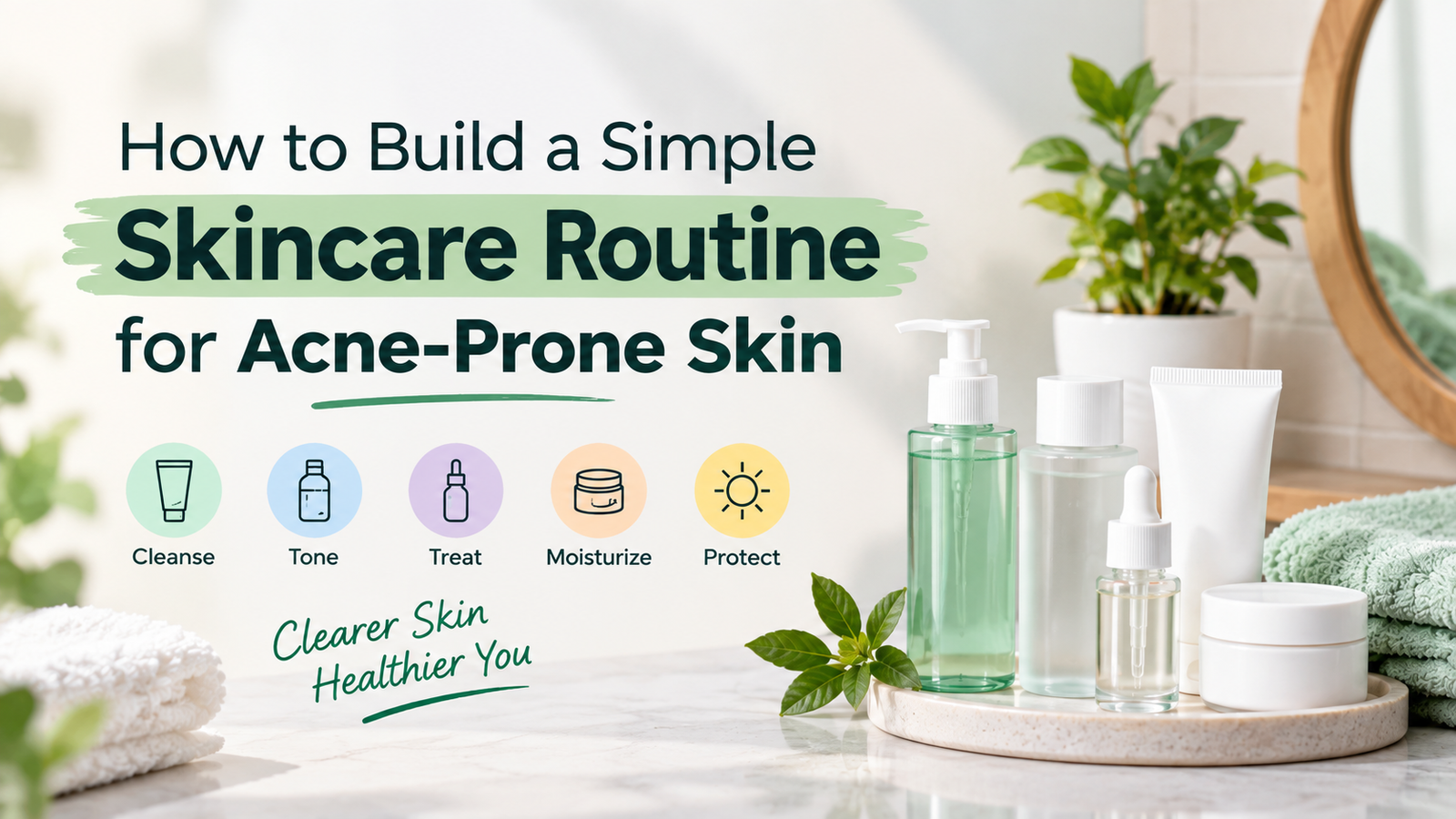
- How to Build a Simple, Effective Skincare Routine for Acne-Prone Skin
- Benzoyl Peroxide for Acne: How to Use It Without Irritating Your Skin

More on Acne & Skin Care
Start here: How to Build a Simple, Effective Skincare Routine for Acne-Prone Skin
- Adult Acne in Women: Powerful Causes, Symptoms, Treatment & Prevention
- Eczema and Psoriasis Treatment Guide: 7 Proven Ways to Relieve Symptoms Before They Worsen
- Acne Scars vs Dark Marks: Essential Differences
- Acne During Pregnancy: Which Treatments Are Considered Safe?
- Benzoyl Peroxide for Acne: How to Use It Without Irritating Your Skin
- Adapalene vs Tretinoin: Which Retinoid Is Better for Acne?
Not sure what to eat? Get a nutrition chart made just for you by a UK doctor.
Get My Custom Chart →