 Written byDr Zain Maq, M.D. ✓Physician · Endocrinology & Metabolic Health
Recurring spots can be frustrating when you already care for your skin. Understanding the type of
breakout helps you choose useful daily habits and know when treatment needs medical support.
Eat for this stage of life. Get a personal nutrition chart made by a UK doctor, 100% online.
Get My Chart →Quick Answer: What Helps Adult Female Acne?
Adult acne develops when oil and dead skin cells block hair follicles and inflammation follows.
Hormones can contribute, even when hormone levels are normal. Mild acne may improve with
pharmacy treatment; persistent, painful or scarring acne needs a GP assessment.
UK options include benzoyl peroxide, prescription creams, antibiotics and selected hormonal medicines. Treatment takes weeks, not days. Start with a manageable routine, avoid picking, and judge progress by fewer new
spots rather than expecting every old mark to disappear immediately
What Makes Adult Acne Different?
Adult acne may persist from teenage years or begin after previously clear skin. Dermatologists
commonly use “adult acne” for acne continuing or developing after age 25. It can affect the jawline,
chin, cheeks, forehead, chest or back. A chin breakout alone does not establish a hormonal diagnosis.
The process involves excess sebum, the skin’s natural oil; blocked follicles; and inflammation involving
bacteria normally present on skin. Acne is not evidence of dirty skin, and blackheads are not trapped
dirt that needs scrubbing away.
Recognising the lesions helps explain what treatment needs to address:
• Blackheads and whiteheads: blocked follicles, also called comedones.
• Papules and pustules: inflamed bumps, sometimes with a visible pus-filled centre.
• Nodules: deeper, painful lumps associated with a greater risk of scarring.
Not every facial bump is acne. Persistent flushing, central facial redness and stinging can suggest
rosacea, which needs a different assessment. Avoid repeatedly increasing acne treatments when the
diagnosis is uncertain.
Why Do Women Develop Recurring Breakouts?
Hormones, Periods and Contraception
Androgens influence oil production. Oil glands can be particularly sensitive to these hormones even
without unusually high levels. Some women experience flares before their period; pregnancy can also
change acne.
This makes the pattern useful information, but not proof of an underlying disorder. [1,3]
Contraception matters too. The combined pill can improve acne in suitable patients, while some
progestogen-only methods may worsen it. Do not stop or change contraception without advice about
maintaining pregnancy protection.
When PCOS Deserves Assessment
Acne alongside irregular periods, increased facial hair or thinning scalp hair warrants discussion of
polycystic ovary syndrome, traditionally called PCOS. The NHS now uses polyendocrine metabolic
ovarian syndrome, or PMOS. Acne alone cannot diagnose this condition
Your GP may consider hormone testing and other investigations based on the complete symptom
pattern. A commercial “hormone balance” test cannot replace that assessment. Record menstrual
changes and when other symptoms began before your appointment.
Medicines and Everyday Triggers
Steroids, lithium and some epilepsy medicines can worsen acne. Mention any recent prescriptions or
supplements, but do not discontinue essential treatment yourself. Family history can also influence
susceptibility
Oily hair products and greasy cosmetics can contribute to blocked pores. Check products touching
your forehead and cheeks, especially if spots appeared after changing them. Picking can increase
inflammation and scarring. Stress may aggravate acne, although stress management alone is not an
acne treatment.
Can Diet and Lifestyle Help?
Small studies suggest that a lower-glycaemic eating pattern may improve acne for some people. This
means choosing foods that produce a slower blood sugar rise, such as beans, oats and vegetables,
more often than sugary drinks and refined snacks. Results are inconsistent, so diet is not a guaranteed
treatment.
Some studies link cow’s milk consumption with acne, but an association does not prove that milk
causes an individual’s breakouts. Avoid removing whole food groups based on a single flare. If you
notice a repeated pattern, discuss a nutritionally balanced trial change with a clinician or dietitian.
NICE does not recommend a specific acne diet because evidence is insufficient. Healthy meals, sleep
and manageable routines support wellbeing; they should complement appropriate treatment rather
than delay it.
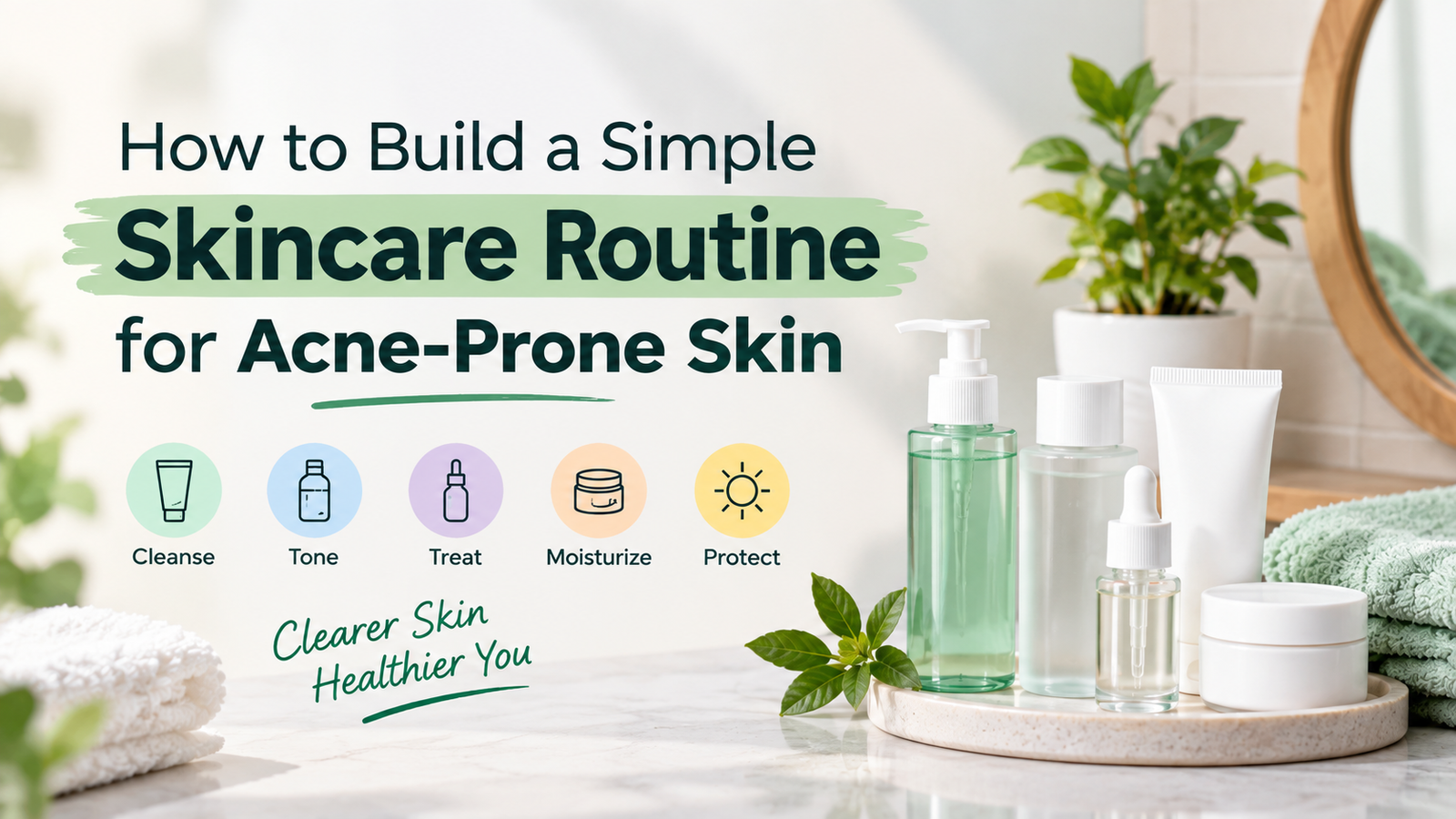
A Simple Morning and Evening Skincare Routine
The aim is to keep skin comfortable enough to use treatment consistently. Non-comedogenic means a
product is formulated to be less likely to block pores; it does not guarantee that every person will
tolerate it
Morning
1. Cleanse gently using a mild, non-alkaline cleanser.
2. Apply a non-comedogenic moisturiser if needed.
3. Use a non-comedogenic sunscreen; follow additional sun precautions for your medicine.
Evening
1. Remove make-up and cleanse gently.
2. Apply your acne medicine according to its instructions.
3. Use moisturiser to help manage dryness.
Prescription treatments are often applied across affected areas rather than dabbed only on visible
spots. Ask your pharmacist how your particular product fits the routine. Avoid adding scrubs,
exfoliating acids and several new active ingredients simultaneously
Mild dryness can happen when starting treatment, but persistent burning is not evidence that it is
working better. A prescriber may suggest alternate-day or short-contact use initially. Marked swelling,
blistering or severe irritation needs advice rather than continued application.
Adult Female Acne Treatment in the UK
Compare the Main Options
These are options for discussion, not a checklist of products to use together
Benzoyl Peroxide and Prescription Creams
For mild acne, a pharmacist can advise on benzoyl peroxide. Leave-on gels and wash-off formulations
have different instructions. Start with the lowest available strength recommended for you, keep it
away from eyes and damaged skin, and remember it can bleach towels or pillowcases.
A GP may prescribe a retinoid such as adapalene, sometimes combined with benzoyl peroxide.
Combining ingredients can address blocked follicles and inflammation together. Azelaic acid offers
another option, particularly if other topical treatments are poorly tolerated.
Azelaic acid can also help post-acne dark marks. However, improving pigmentation is different from
repairing an indented scar, so choose treatment according to what remains after the spot heals.
Antibiotics and Hormonal Medicines
For moderate or severe inflammatory acne, an oral antibiotic such as doxycycline may accompany an
appropriate topical medicine. Antibiotics should not be used alone, and oral and topical antibiotics
should not be combined. Treatment needs review because unnecessary prolonged use contributes to
resistance.
The combined contraceptive pill may help when acne treatment and contraception are both priorities.
Suitability depends on factors such as migraine with aura, blood pressure, smoking and blood clot
history. It is not appropriate for everyone.
Spironolactone reduces androgen effects and is prescribed off-label for acne in women in the UK. This
means its licence covers other conditions, while clinicians may prescribe it for acne when justified. Side
effects include dizziness, menstrual changes and breast tenderness; kidney function, potassium and
medicine interactions affect monitoring decisions. Avoid it during pregnancy.
In the UK SAFA trial, 410 women were randomised. At 24 weeks, 82% taking spironolactone reported
improvement, compared with 63% taking placebo. Participants could continue topical treatment.
These figures describe improvement, not complete clearance, and benefits were clearer at 24 than 12
weeks.
When Isotretinoin Is Considered
Severe acne resistant to adequate standard treatment may require specialist assessment for
isotretinoin. It can be highly effective, but requires counselling and monitoring, including mental health
and sexual function concerns.
Isotretinoin can seriously harm an unborn baby. Anyone who could become pregnant must follow the
relevant pregnancy prevention requirements. Do not obtain it without appropriate prescribing and
monitoring
Common Mistakes That Can Slow Progress
Switching products every few days makes it difficult to judge effectiveness. Scrubbing, drying the skin
with harsh products, and applying more medicine than directed can increase irritation without
speeding recovery. Sharing a friend’s prescription is also inappropriate: their treatment may not suit
your skin, other medicines or pregnancy plans.
Moisturiser is not automatically the enemy of oily skin. Acne medicines can leave skin dry, and a
suitable moisturiser can make the routine easier to tolerate. Choose products labelled
non-comedogenic and introduce changes gradually.
If your routine is confusing, take the products to a pharmacist. Ask which ingredient treats acne, which
products support comfort, and which ones duplicate something you already use.
How Long Should You Give Treatment?
NICE recommends reviewing first-line treatment after 12 weeks, with noticeable improvement often
taking six to eight weeks. Different medicines work at different speeds; spironolactone can require
several months.
Track three outcomes: fewer new inflamed spots, fewer painful lumps and better comfort. Occasional
photographs in similar lighting can help you describe changes without judging progress from one bad
morning.
If you stopped because of irritation, explain that at review. A medicine used briefly and inconsistently
has not had the same trial as a tolerable course used as prescribed.
Flat red or brown marks can remain after active acne settles. Indented or raised scars involve changes
in texture. Continuing to get fewer new spots while older marks remain can still represent
improvement; increasingly harsh treatment may simply irritate the skin
When Should You See a GP or Dermatologist?
See a GP for painful nodules, developing scars, persistent pigmentation, unsuccessful pharmacy
treatment or acne affecting confidence, relationships or mood. Emotional impact matters even when
the number of spots is small.
Your GP can confirm the diagnosis, assess possible hormonal or medication contributors, prescribe
treatment and consider referral. Dermatology referral may be appropriate when acne is severe,
scarring, diagnostically uncertain or inadequately controlled after suitable treatment courses.
Tell the prescriber if you are pregnant, breastfeeding or planning pregnancy. Topical retinoids and oral
tetracyclines are unsuitable during pregnancy or when planning it. Other medicines require an
individual suitability check.
Seek emergency help for breathing difficulty or sudden swelling of the lips, tongue or throat after using
a product. These can indicate a serious allergic reaction
Frequently Asked Questions
Can Adult Acne Go Away Permanently?
Some people achieve lasting improvement, while others need maintenance treatment because acne
returns. Discuss a non-antibiotic maintenance plan if relapses are frequent; repeated antibiotic courses
should not become the automatic long-term solution.
Does Jawline Acne Always Mean Hormonal Imbalance?
No. Distribution can provide clues, but cannot establish a diagnosis. Cycle patterns, menstrual
changes, hair growth and medication history give your clinician more useful information than a facial
“acne map” alone.
Should I Squeeze a Deep Spot?
No. Picking or squeezing can worsen damage and increase scarring. Repeated painful lumps deserve
treatment assessment rather than repeated attempts to drain them at home.
Do I Need to Buy Expensive Skincare?
Price does not tell you whether a product suits your treatment plan. Start by identifying what you
need: gentle cleansing, moisturising, sun protection and an appropriate acne medicine. Ask a
pharmacist to help avoid duplicate ingredients or incompatible products before spending money on
another product.
Related Articles
- Top Foods To Naturally Balance Your Hormones: A Women’s Wellness Guide
- Top 5 Nutrients Women Over 50 Need for Strong Bones and Vitality
- 5 Life-Changing Supplements for Women Over 25 (Science-Backed Recommendations)

More on Acne & Skin Care
Start here: How to Build a Simple, Effective Skincare Routine for Acne-Prone Skin
- Eczema and Psoriasis Treatment Guide: 7 Proven Ways to Relieve Symptoms Before They Worsen
- Acne Scars vs Dark Marks: Essential Differences
- Acne During Pregnancy: Which Treatments Are Considered Safe?
- Benzoyl Peroxide for Acne: How to Use It Without Irritating Your Skin
- Adapalene vs Tretinoin: Which Retinoid Is Better for Acne?
- Tretinoin for Acne: Benefits, Side Effects and UK Availability
Eat for this stage of life. Get a personal nutrition chart made by a UK doctor, 100% online.
Get My Chart →