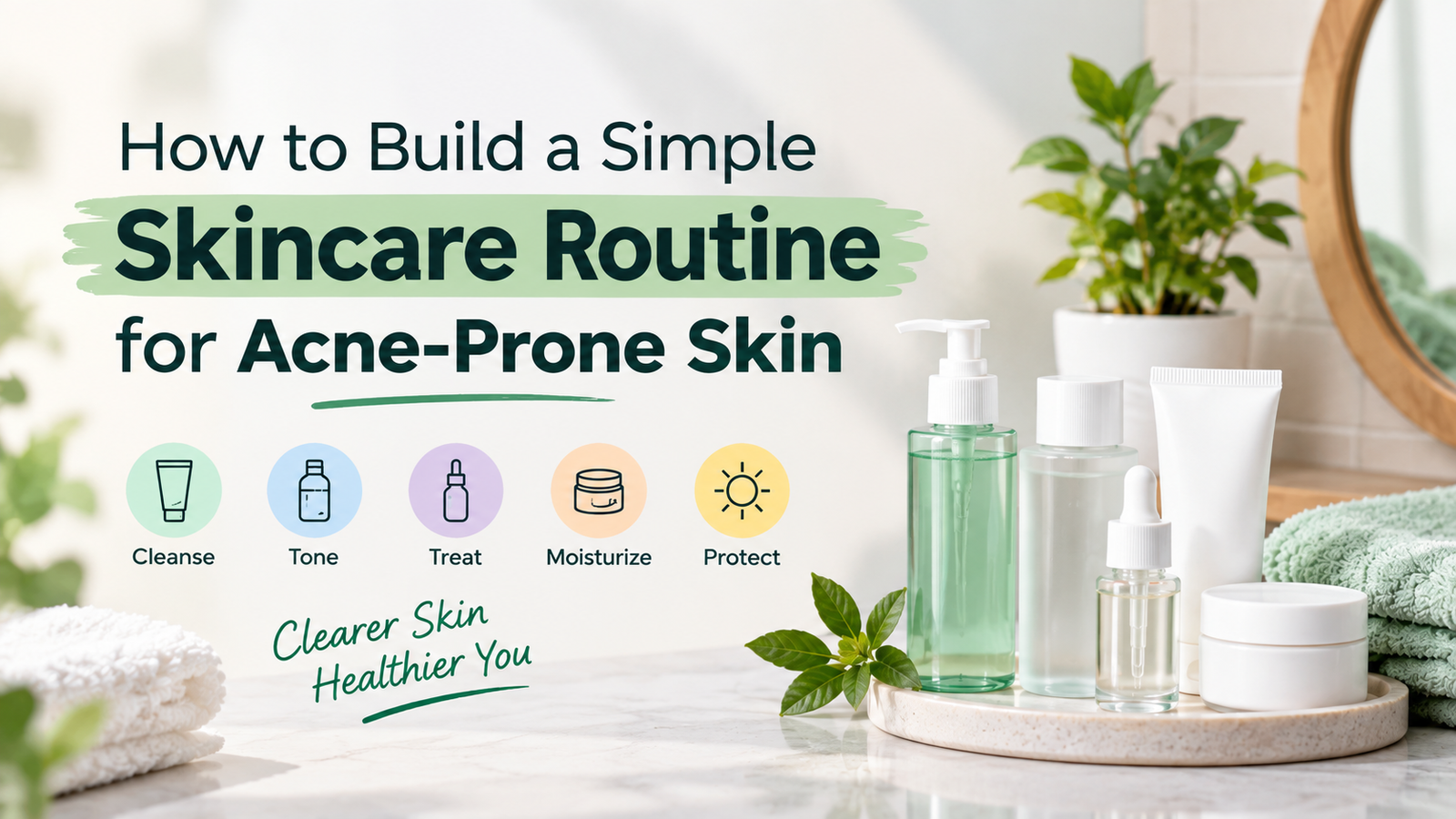

A useful skincare routine for acne does not need ten steps. Start with gentle cleansing, a suitable
moisturizer and sun protection, then fit an appropriate acne treatment around those basics. The aim is
to control breakouts without making your skin so irritated that you cannot continue. Painful nodules,
scarring or persistent acne need medical assessment rather than an increasingly complicated shelf of
products.
This guide explains what belongs in a practical morning and evening routine, what can usually wait,
and how to introduce treatment sensibly.
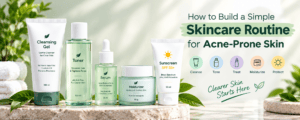
Your Routine at a Glance
| Step | Morning | Evening |
|---|---|---|
| Cleanse | Wash gently without scrubbing. | Remove make-up and cleanse gently. |
| Treat | Apply only if your medicine’s schedule requires it. | Use treatment as directed for your exact product. |
| Moisturise | Choose a comfortable, non-comedogenic product. | Adjust moisturising to dryness and treatment instructions. |
| Protect | Finish with suitable sunscreen. | No sunscreen is needed overnight. |
This is a framework, not a prescription. A medicated wash already performs a cleansing and treatment
step, while some medicines need particular timing or spacing from other products. Check the leaflet
and ask a pharmacist if the order is unclear.
First, Know What Each Product Is For
A cleanser removes surface material; it does not automatically treat the processes inside acne-prone
follicles. Moisturizer helps manage dryness. Sunscreen protects against ultraviolet exposure. An acne
medicine has a different job: addressing factors such as blocked follicles, bacteria or inflammation.
Write your current products down and assign each a purpose. If three different bottles all promise to
exfoliate or “unclog,” you may be duplicating treatment rather than improving it.
Keep anything prescribed on its agreed schedule unless a clinician advises otherwise or a serious
reaction requires stopping. Simplifying cosmetic extras should not mean quietly abandoning effective
medical treatment.
Step One: Cleanse Gently
Choose Comfort Over a Squeaky-Clean Feeling
Use a mild cleanser and lukewarm water. Apply with your fingertips, rinse gently and pat dry.
Scrubbing brushes, rough cloths and abrasive particles can irritate acne-prone skin. Washing
repeatedly throughout the day is unlikely to solve breakouts.
A tight, stripped feeling is not the goal. If your face stings or feels unusually uncomfortable after
cleansing, consider whether the cleanser, water temperature or washing technique is contributing.
Look at how your cleanser behaves in your routine rather than judging it by foam alone. A familiar
product that cleans comfortably may be more useful than a fashionable replacement with several
active ingredients.
What About Make-up and Sweat?
Remove make-up before bed, including products described as non-comedogenic. After exercise,
cleanse gently rather than rubbing sweat away aggressively. Avoid sharing make-up brushes or
applicators.
You do not automatically need two strong cleansers. If removing resistant make-up requires an
additional product, keep both steps gentle and avoid prolonged rubbing.
When using benzoyl peroxide wash, follow its contact time and rinse-off instructions. A wash and a
leave-on gel are not interchangeable simply because they contain the same active ingredient.
Step Two: Moisturize Even If Your Skin Is Oily
Acne treatments can cause dryness, and oily skin can still become irritated. The American Academy of
Dermatology explains that moisturizer can help people tolerate treatments such as benzoyl peroxide
and topical retinoids.
Choose a product labelled non-comedogenic or oil-free if appropriate for your skin. These labels are
helpful starting points, not guarantees that every individual will tolerate every formulation.
A lightweight lotion may feel comfortable for some people, while drier areas may need a different
texture. Assess comfort, tightness and flaking rather than assuming the thickest or most expensive
product must work best.
If your moisturizer burns persistently, do not simply add another active ingredient over it. Review what
changed and ask for advice if the reaction continues.
When Should Moisturizer Go On?
Follow the directions for your treatment. There is no universal waiting time or “sandwich” method that
suits every prescription. Ask your pharmacist whether moisturizer should come before or after your
medicine and whether spacing is necessary.
Keep the answer written beside your treatment schedule. A clear instruction you can repeat is more
useful than trying to remember several conflicting skincare videos.
Step Three: Make Sun Protection Practical
NHS guidance recommends sunscreen with at least SPF 30 and good UVA protection, supported by
shade and protective clothing. Apply adequately and reapply as directed, particularly after swimming
or sweating.
A moisturizer containing SPF can serve a purpose, but using only a tiny amount may not provide the
protection claimed on the label. Choose an approach that allows proper application and reapplication.
Some acne medicines increase sensitivity to sunlight. Follow their precautions and avoid sunbeds. Sun
protection also matters when you are concerned about marks remaining after breakouts.
If sunscreen feels uncomfortable, discuss a different formulation rather than giving up on protection.
Texture, finish and compatibility with make-up can affect whether you use it consistently.
Step Four: Choose an Appropriate Acne Treatment
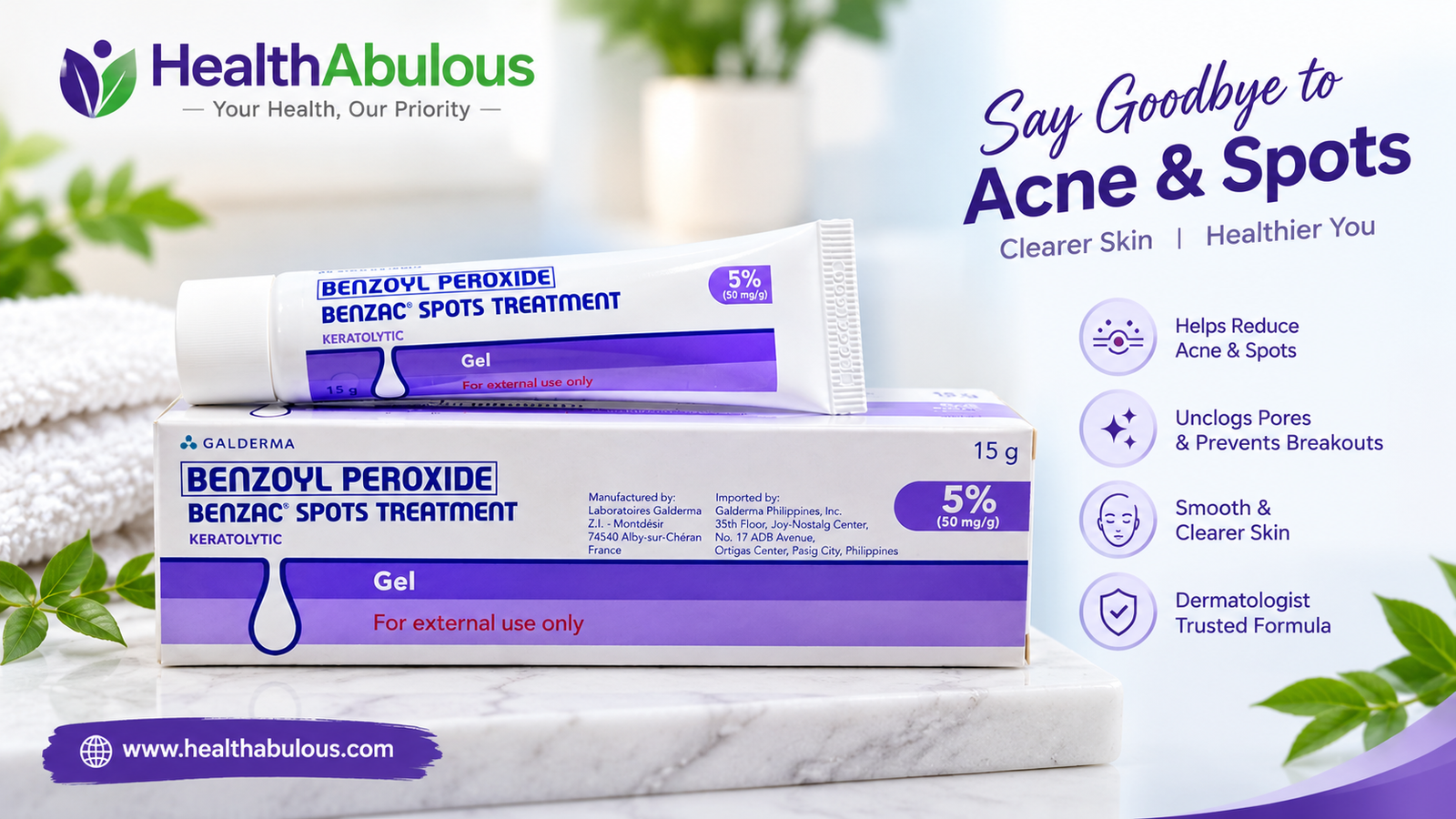
Benzoyl Peroxide
Benzoyl peroxide is available in UK shops and pharmacies in suitable preparations, as well as in
prescription combinations. It reduces acne-associated bacteria and helps with spots and blocked
pores.
Check whether yours is a wash or leave-on gel. Start according to its instructions, avoid broken skin
and remember that it can bleach hair and Coloured fabrics. Applying more will not make it work faster.
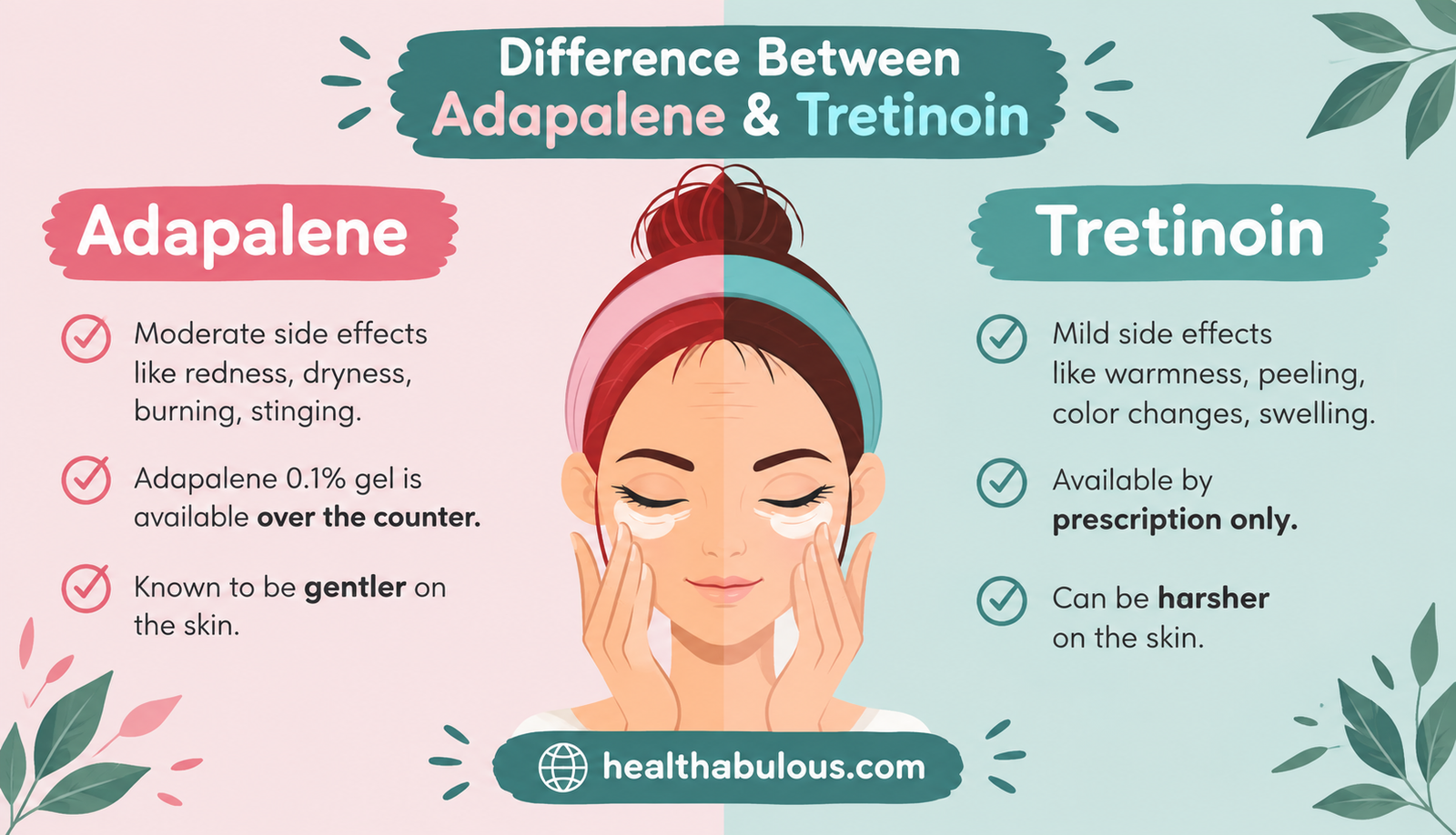
Topical Retinoids
Adapalene and tretinoin are prescription acne treatments in the UK. They help prevent follicles
becoming blocked, but irritation is possible.
Differing gel, for example, is applied thinly to dry affected skin at night. Its instructions warn against
applying it to sunburnt, broken or eczematous skin and against concurrent use of other retinoids. The
exact medicine matters more than a generic internet routine.
Do not use topical retinoids during pregnancy or when planning pregnancy. Ask about suitable
alternatives before starting or continuing treatment.

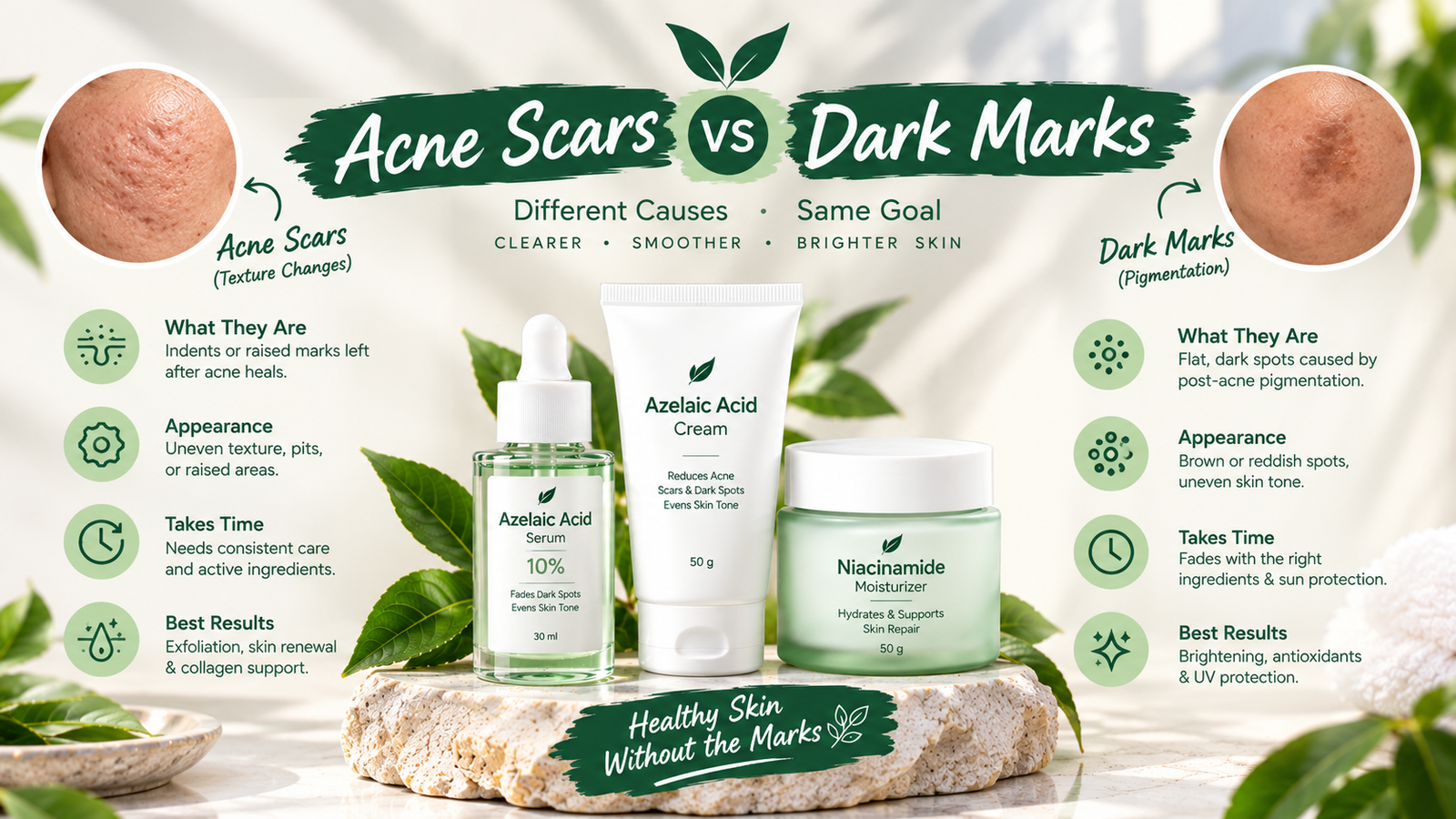
Azelaic Acid
Azelaic acid can help acne and associated pigmentation. It may be useful when some other treatments
are poorly tolerated, although it can still cause stinging or irritation. Cosmetic and prescription
formulations have different strengths and instructions.
The right choice depends on your acne, tolerance and other treatment. You do not need to use every
ingredient mentioned in this article.
Introduce Changes One at a Time
If you replace your cleanser, add a retinoid and start an exfoliating toner together, identifying the
cause of irritation becomes difficult. Introduce cosmetic changes separately when practical and
document the starting date.
For medicines, use the introduction schedule provided by your pharmacist or prescriber. Some
preparations allow less frequent use initially or temporary adjustment if irritation occurs. Dufferin’s
instructions describe reducing frequency or pausing when needed, with reassessment of tolerance.
A useful starting checklist is:
1. Know the product name, strength and intended treatment area.
2. Confirm how much to apply and how often.
3. Check whether other products should be paused or separated.
4. Know which reactions require stopping and seeking help.
5. Agree when to assess progress.
“One active at a time” is a practical way to avoid unnecessary experimentation, not a rule against
prescribed combinations. A clinician may intentionally combine ingredients to address several acne
processes.
What Does Patch Testing Tell You?
Testing a new cosmetic on a small area before wider use can help identify an obvious reaction. Follow
any testing instructions supplied with the product, and stop if it causes troublesome irritation.
A comfortable first application does not prove that the product will never cause an allergy, irritation or
breakouts. Nor can a small home test establish that a medicine is appropriate during pregnancy or for
another skin condition.
Home product testing is different from medical patch testing used to investigate contact allergy. If
reactions recur or the trigger is unclear, seek assessment rather than repeatedly experimenting across
your whole face.
Products That Commonly Complicate a Routine
Be cautious about combining exfoliating acids, retinol serums, abrasive scrubs and strongly drying
toners with prescribed acne medicines. Dufferin’s information warns that peeling agents, abrasive
cleansers and irritant products can add to irritation.
Check labels for duplicated ingredients. A toner, cleanser and spot gel may all contain an active
treatment, even when their names sound like separate routine steps.
You can usually leave optional products out while assessing the basics. Before adding anything, ask:
what specific problem remains, and what evidence suggests this product will help it?
Avoid picking or squeezing spots. It can increase inflammation and the risk of scarring, undermining
the care you put into the rest of your routine.
How to Tell Whether Your Routine Is Working
Look for fewer new inflamed spots, less discomfort and a routine you can follow without repeated interruptions. Do not judge only by old brown marks, which can remain after the active spot has settled. Take occasional photographs in similar lighting and record actual treatment use. “I applied it twice a week because it stung” is more informative than “I used it for three months.”
When a Skincare Routine Is Not Enough
See a GP for painful nodules, scarring, widespread acne or inadequate improvement despite
appropriate pharmacy treatment. Distress, anxiety or avoiding social activities because of acne also
deserve attention.
Stop the suspected product and seek advice for severe irritation, blistering or marked swelling.
Breathing difficulty or swelling of the tongue or throat requires emergency help; in the UK, call 999.
If the bumps are itchy, unusual or accompanied by a persistent rash, ask whether they are acne before
buying another spot treatment. Different conditions can require different care.
Bring your product list to appointments so your clinician can identify duplicated ingredients and
simplify instructions.
Frequently Asked Questions
Do I Need an Expensive Acne Routine?
No particular price guarantees suitability. Priorities an appropriate treatment and products you can
afford to replace regularly. A routine that is financially difficult to maintain is unlikely to remain
consistent.
Should I Stop Moisturizer Because My Skin Looks Shiny?
Shine alone does not tell you whether your skin needs help with dryness. Review the texture and
amount used, and consider a lighter non-comedogenic product if necessary. Treatment-related
irritation still needs attention.
Can I Wear Make-up While Treating Acne?
Usually, yes. Choose non-comedogenic products, remove them gently before bed and avoid anything
that clearly worsens irritation. Make-up should fit around your treatment rather than require repeated
harsh cleansing.
What Is the Best First Change?
Write down your current routine and identify unnecessary overlap. Keep cleansing gentle, choose
comfortable moisturizing and sun protection, and ask a pharmacist about an appropriate acne
treatment. Build from clear, repeatable steps rather than trying everything simultaneously.