
Hypertension Symptoms and Treatment: Causes, Diagnosis & Prevention
Hypertension, or high blood pressure, is one of the most common chronic health conditions worldwide and a major contributor to long-term complications affecting the heart, brain, and kidneys. It is often referred to as a “silent condition” because it can develop over years without noticeable symptoms, quietly damaging blood vessels and vital organs.
If left untreated, hypertension significantly increases the risk of serious conditions such as heart disease, kidney disease, obesity, and diabetes. The good news is that with early detection and proper management, it can be effectively controlled.
What Is Hypertension?
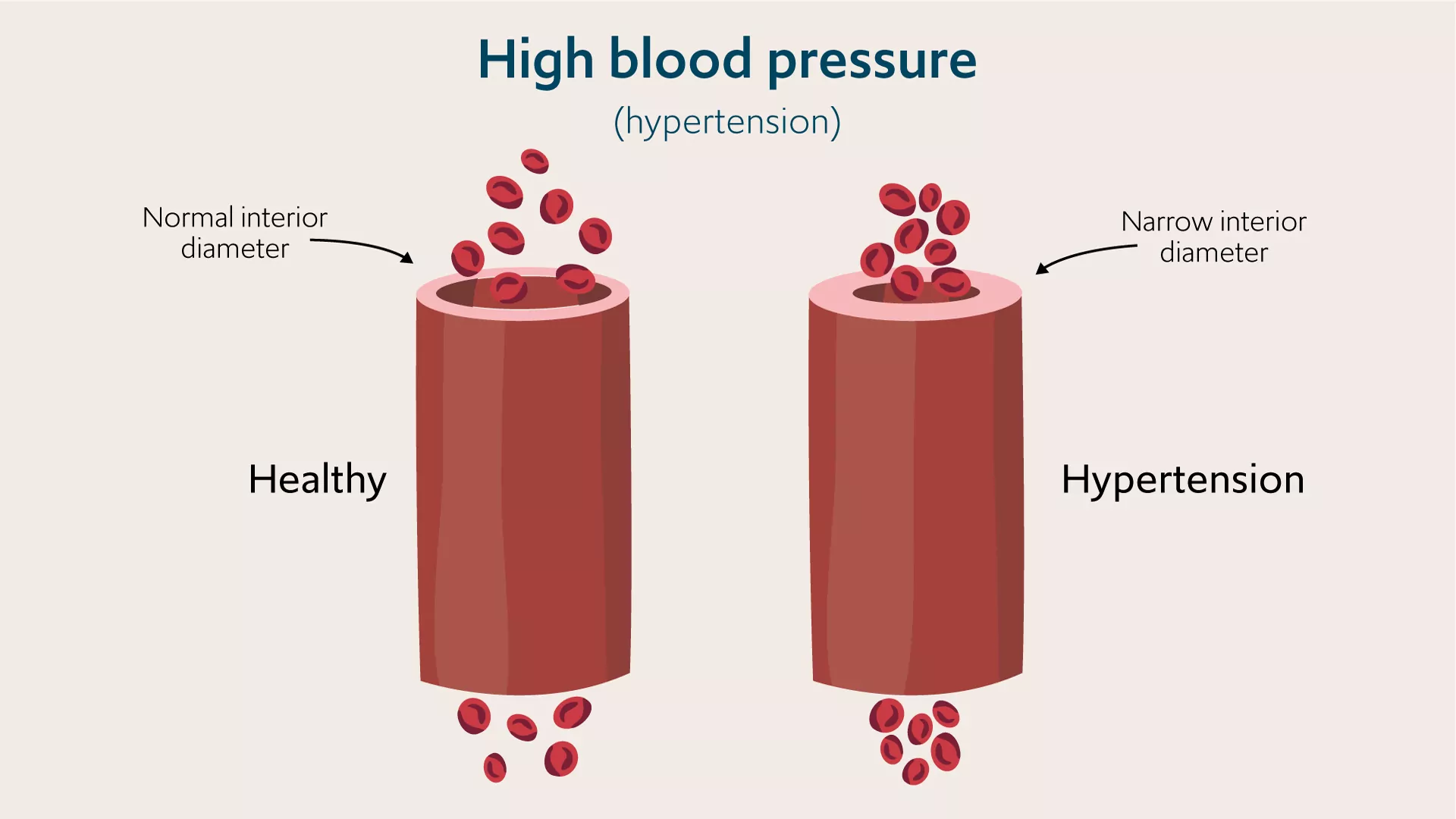
Blood pressure measures the force of blood pushing against the walls of the arteries. It is recorded using two values: systolic pressure, which occurs when the heart beats, and diastolic pressure, which occurs when the heart rests between beats.
A normal reading is generally around 120/80 mmHg. Hypertension is diagnosed when readings consistently remain at or above 130/80 mmHg. Over time, elevated pressure can strain the cardiovascular system and lead to structural damage in blood vessels.
Types of Hypertension
Primary (Essential) Hypertension
This is the most common type and develops gradually over time. It does not have a single identifiable cause but is influenced by a combination of genetics, aging, and lifestyle factors.
Secondary Hypertension
Secondary hypertension results from an underlying condition. It may develop suddenly and tends to be more severe. Common causes include kidney disorders, hormonal imbalances, and certain medications.
Causes of Hypertension
Hypertension (high blood pressure) is a complex condition that typically develops due to a combination of interacting factors rather than a single identifiable cause. These factors can be broadly categorized into lifestyle-related, medical, and genetic influences.
1. Lifestyle Factors
Unhealthy lifestyle habits are among the most significant contributors to hypertension. Over time, these habits can damage the cardiovascular system and increase blood pressure:
- Excessive salt (sodium) intake: High sodium levels cause the body to retain water, increasing blood volume and putting extra pressure on blood vessel walls.
- Physical inactivity: Lack of regular exercise weakens the heart muscle, making it less efficient at pumping blood, which can increase pressure in the arteries.
- Smoking: Chemicals in tobacco damage the lining of blood vessels, causing them to narrow and stiffen, which raises blood pressure.
- Chronic stress: Persistent stress leads to repeated spikes in blood pressure and may encourage unhealthy coping behaviors such as overeating, smoking, or alcohol use.
- Unhealthy diet: Diets high in saturated fats and low in fruits and vegetables contribute to poor vascular health.
Over time, these factors reduce the elasticity of blood vessels (arterial stiffness), increasing resistance to blood flow—a key mechanism behind hypertension.
2. Medical Conditions
Certain underlying health conditions significantly increase the risk of developing hypertension:
- Obesity: Excess body weight increases the workload on the heart, requiring it to pump harder to circulate blood, which raises blood pressure.
- Diabetes: High blood sugar levels damage blood vessels and the nerves that control them, making hypertension more likely.
- Kidney disease: The kidneys regulate fluid balance and blood pressure. When they are impaired, the body may retain excess fluid and sodium, leading to elevated blood pressure.
- Hormonal disorders: Conditions affecting hormones (such as adrenal gland disorders) can disrupt blood pressure regulation.
These conditions often interact, compounding the overall risk.
3. Genetic and Hereditary Factors
Genetics also plays a crucial role in the development of hypertension:
- Individuals with a family history of high blood pressure are more likely to develop the condition.
- Genetic factors may influence how the body handles sodium, regulates blood vessel tone, or responds to stress.
- However, hereditary risk is often amplified by environmental and lifestyle factors, meaning that healthy habits can still significantly reduce overall risk.
4. Additional Contributing Factors
Other elements that can influence blood pressure include:
- Age: Blood vessels naturally lose elasticity with age, increasing the risk.
- Alcohol consumption: Excessive drinking can raise blood pressure over time.
- Sleep disorders: Conditions like sleep apnea are linked to hypertension.
Risk Factors
Several risk factors increase the chances of developing hypertension. Age is a key factor, as arteries naturally become less flexible over time. However, younger individuals are increasingly affected due to sedentary lifestyles and poor dietary habits.
Excess body weight, especially in cases of obesity, places additional pressure on the cardiovascular system. Diets high in sodium and low in potassium can further disrupt blood pressure regulation. Smoking and alcohol consumption directly damage blood vessels, while chronic stress can lead to sustained increases in blood pressure through hormonal pathways.
Symptoms of Hypertension
Hypertension is often asymptomatic, especially in its early stages. Many individuals remain unaware of the condition until it is detected during routine screening.
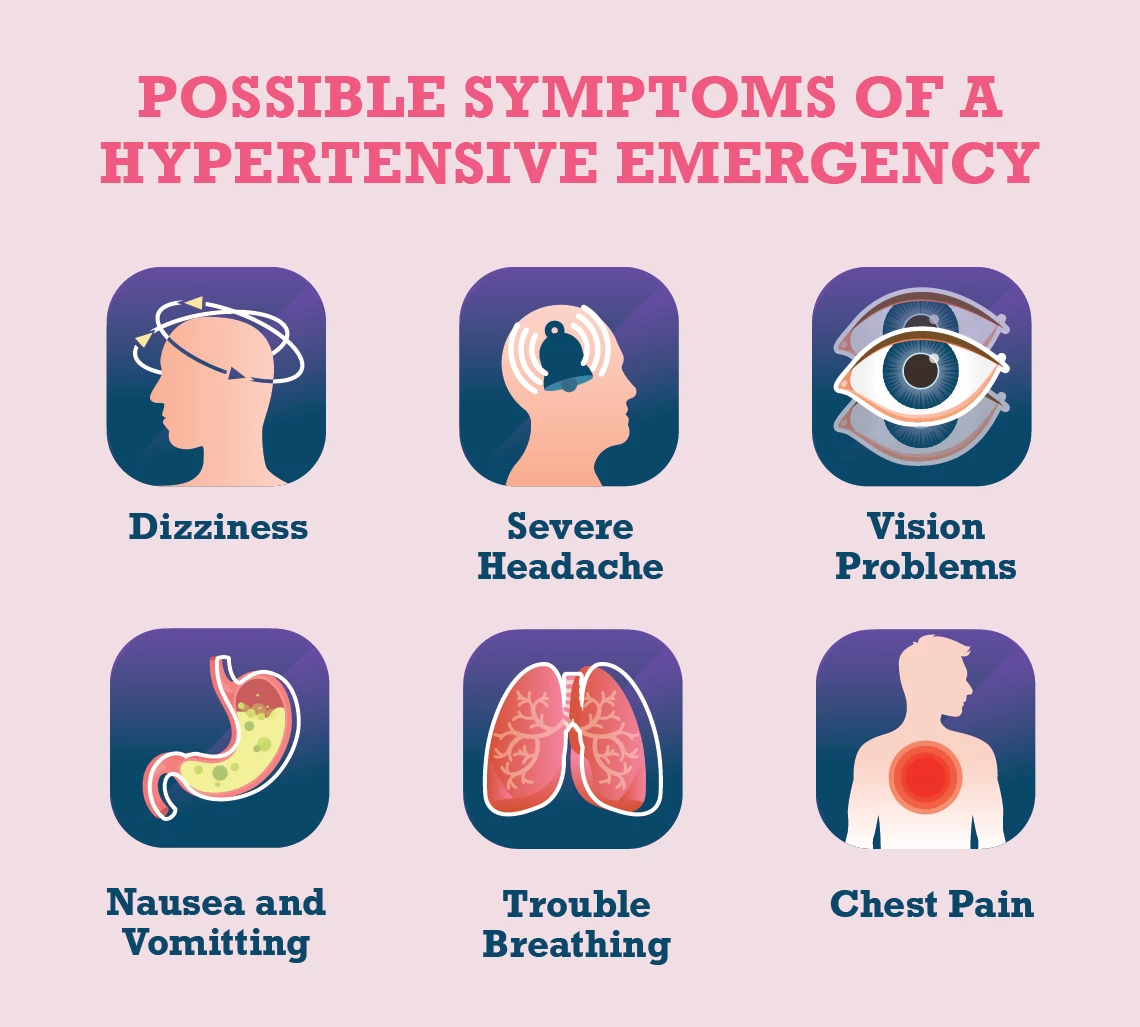
When blood pressure rises to dangerously high levels, symptoms may appear. These can include headaches, dizziness, shortness of breath, blurred vision, and chest discomfort. However, these symptoms are not always present and should not be relied upon for diagnosis.
Complications of Untreated Hypertension
Over time, uncontrolled hypertension can lead to serious complications affecting multiple organ systems. The heart is particularly vulnerable, with a significantly increased risk of heart disease, including heart attacks and heart failure.
The kidneys can also be damaged due to prolonged high pressure, leading to kidney disease. In advanced cases, this may progress to kidney failure. Additionally, hypertension can damage blood vessels in the eyes, leading to vision problems, and is commonly associated with metabolic conditions like diabetes.
Diagnosis of Hypertension
Blood Pressure Monitoring
The primary method for diagnosing hypertension is regular blood pressure measurement. A single high reading is not sufficient; multiple readings over time are required to confirm the diagnosis. Measurements may be taken in a clinical setting or at home using a validated device.
Home and Ambulatory Monitoring
In some cases, doctors recommend home monitoring or 24-hour ambulatory blood pressure monitoring. These methods provide a more accurate picture of blood pressure fluctuations throughout the day and help rule out conditions like white coat hypertension.
Laboratory Tests
Blood and urine tests are often performed to evaluate overall health and detect underlying conditions. These tests can help identify issues such as diabetes, kidney dysfunction, or electrolyte imbalances.
Cardiac Evaluation
An electrocardiogram (ECG) or echocardiogram may be recommended to assess heart function and detect any damage caused by prolonged hypertension.
Treatment of Hypertension
Effective management of hypertension focuses on reducing blood pressure levels and minimizing the risk of complications. Treatment typically combines lifestyle changes with medication when necessary.
Lifestyle Modification
Lifestyle changes are the foundation of hypertension management. A balanced diet rich in fruits, vegetables, whole grains, and lean proteins supports overall cardiovascular health. Reducing sodium intake is especially important, as excess salt contributes directly to elevated blood pressure.
Regular Physical Activity
Engaging in regular physical activity helps strengthen the heart and improve circulation. Moderate-intensity exercises such as brisk walking, cycling, or swimming for at least 150 minutes per week can significantly lower blood pressure.
Weight Management
Maintaining a healthy weight is crucial, particularly for individuals with obesity. Even modest weight loss can lead to measurable improvements in blood pressure levels.
Smoking Cessation and Alcohol Control
Quitting smoking helps restore blood vessel health and reduces cardiovascular risk. Limiting alcohol intake is also important, as excessive consumption can raise blood pressure over time.
Medications
When lifestyle changes are not sufficient, medications may be prescribed. These include diuretics, ACE inhibitors, angiotensin receptor blockers, calcium channel blockers, and beta-blockers. The choice of medication depends on individual health factors, especially if conditions like diabetes or kidney disease are present.
Prevention of Hypertension
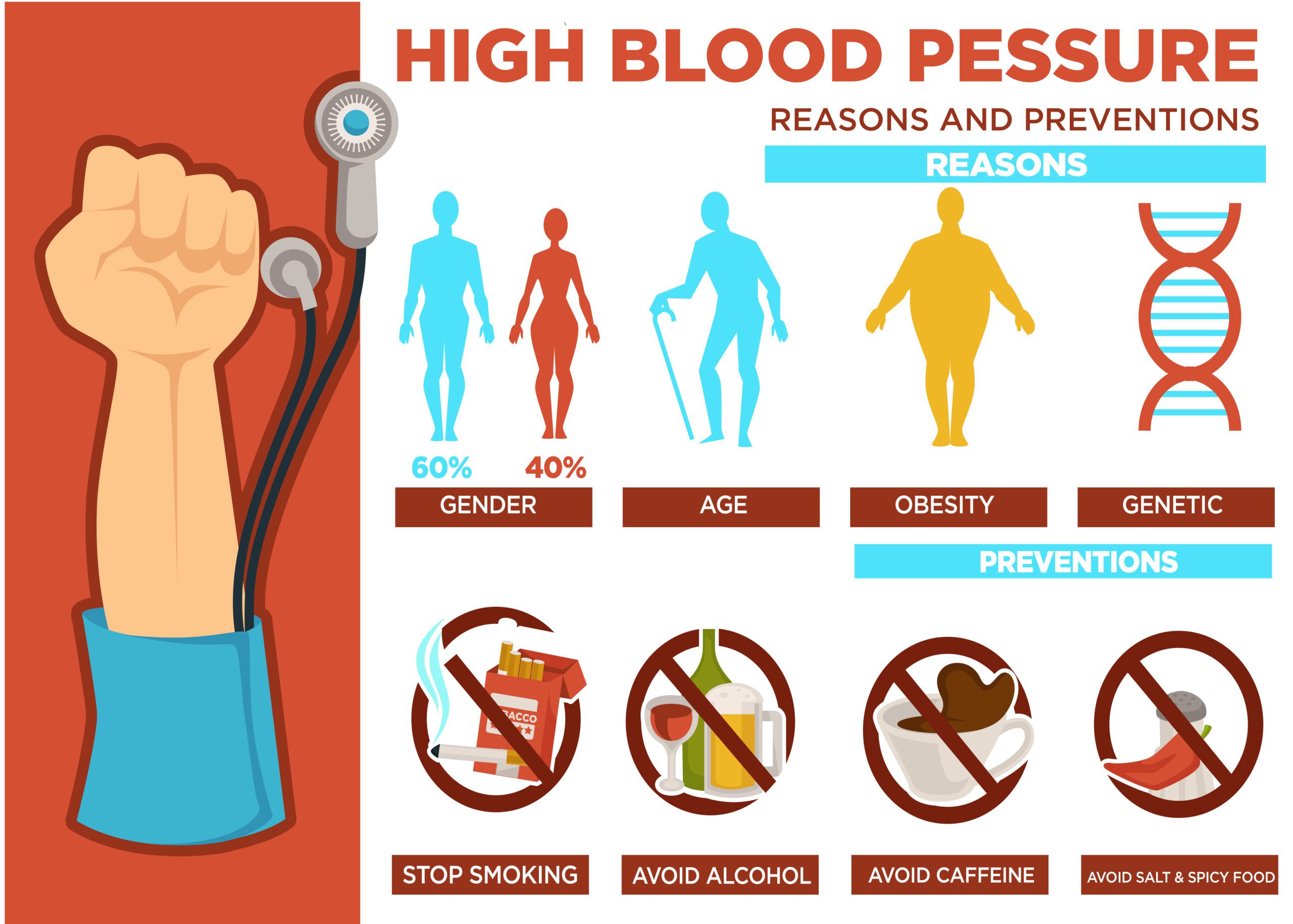
Preventing hypertension involves maintaining long-term healthy habits. A nutrient-rich diet, regular exercise, and stress management all contribute to stable blood pressure levels. Avoiding tobacco use and limiting alcohol intake further reduce risk.
Routine health check-ups are essential for early detection. Monitoring blood pressure regularly allows for timely intervention before complications develop.
Frequently Asked Questions (FAQs)
1. Can hypertension go away on its own?
Hypertension typically does not resolve on its own, but it can be effectively managed through lifestyle changes and medication.
2. What foods should be avoided in high blood pressure?
Foods high in sodium, processed snacks, and fast food should be limited. Reducing salt intake is one of the most effective dietary changes.
3. Is exercise safe for people with hypertension?
Yes, regular physical activity is highly beneficial. However, individuals with severe hypertension should consult a healthcare provider before starting a new exercise routine.
4. How is hypertension linked to diabetes?
diabetes damages blood vessels, which increases the risk of hypertension. The two conditions often occur together and require coordinated management.
5. Can stress cause permanent high blood pressure?
Chronic stress can contribute to long-term hypertension, especially when combined with unhealthy coping habits such as poor diet or smoking.
References
- World Health Organization (WHO). Hypertension Fact Sheet
- American Heart Association (AHA). High Blood Pressure Guidelines
- Centers for Disease Control and Prevention (CDC). Hypertension Overview
- National Heart, Lung, and Blood Institute (NHLBI). High Blood Pressure
- Mayo Clinic. High Blood Pressure (Hypertension)