

Pneumonia Symptoms and Treatment: Causes, Risk Factors & Prevention
Pneumonia is a serious respiratory infection that affects the lungs, causing inflammation in the air sacs (alveoli). These air sacs may fill with fluid or pus, leading to difficulty in breathing, coughing, fever, and reduced oxygen exchange. Pneumonia can range from mild to life-threatening, depending on the cause, the patient’s age, and overall health.
It is particularly dangerous for older adults, young children, and individuals with weakened immune systems or chronic illnesses. People with conditions such as diabetes or weakened immunity due to nutritional deficiencies like anemia are at higher risk of severe infection and complications.
Because pneumonia can progress rapidly, early diagnosis and treatment are essential to prevent serious outcomes, including respiratory failure.
What Is Pneumonia?
Pneumonia is an infection that inflames the air sacs in one or both lungs. These air sacs may fill with fluid or pus, making it difficult for oxygen to reach the bloodstream efficiently. As a result, individuals often experience breathing difficulties, fatigue, and systemic illness.
The infection can be caused by bacteria, viruses, or fungi. Bacterial pneumonia is often more severe, while viral pneumonia may develop gradually but can still become serious in vulnerable individuals.
Pneumonia can affect a single lobe of the lung or spread across multiple areas, depending on the severity and type of infection.
Types of Pneumonia
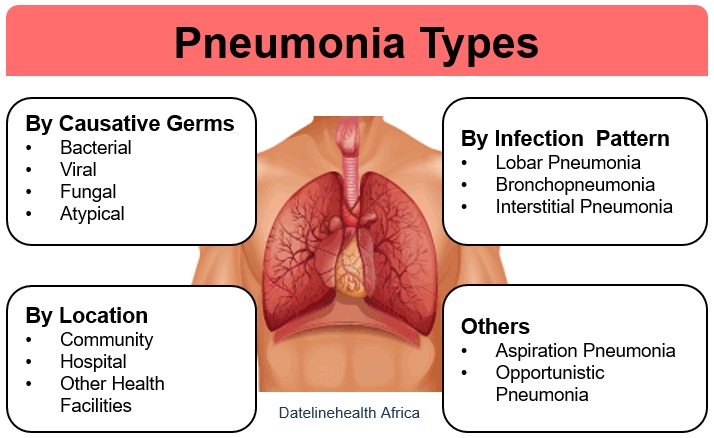
Bacterial Pneumonia
This is one of the most common and serious forms of pneumonia. It is often caused by bacteria such as Streptococcus pneumoniae. Symptoms tend to appear suddenly and may require antibiotic treatment.
Viral Pneumonia
Viral infections such as influenza or respiratory viruses can lead to pneumonia. This type is usually milder initially but can worsen, especially in individuals with low immunity or chronic illnesses.
Fungal Pneumonia
This type is less common and usually affects individuals with weakened immune systems. It may occur due to environmental exposure to fungal spores.
Aspiration Pneumonia
This occurs when food, liquid, or vomit is inhaled into the lungs instead of being swallowed properly, leading to infection.
Causes of Pneumonia
Pneumonia develops when infectious agents enter the lungs and overcome the body’s natural defense mechanisms, leading to inflammation of the air sacs (alveoli). These air sacs may fill with fluid or pus, making breathing difficult and reducing oxygen exchange. Infection can occur when pathogens are inhaled through airborne droplets, or less commonly, when they spread through the bloodstream from another site of infection in the body.
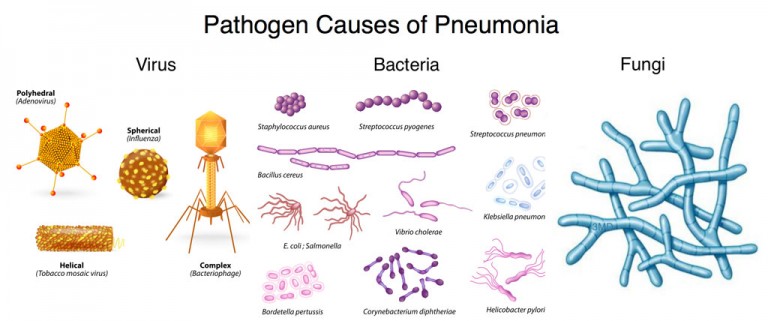
Bacterial Causes
Bacteria are one of the most common causes of pneumonia, particularly in community settings. Pneumococcal Pneumonia is most frequently caused by Streptococcus pneumoniae, which can lead to sudden onset of high fever, chest pain, cough with sputum, and breathing difficulty. Bacterial pneumonia is often more severe and may require antibiotic treatment for full recovery.
Viral Causes
Viral infections are also a major cause of pneumonia, especially during flu seasons. Viruses such as influenza can spread from the upper respiratory tract into the lungs, causing inflammation and fluid buildup. Viral pneumonia may start with milder symptoms but can worsen quickly, particularly in older adults, young children, or individuals with weakened immunity.
Fungal Causes
Fungal pneumonia is less common but tends to occur in individuals with weakened immune systems. Fungi present in the environment can be inhaled and infect the lungs when the body’s immune defenses are not strong enough to eliminate them. This type is more frequently seen in patients with chronic illnesses or those taking immune-suppressing medications.
Weakened Immune System and Risk Factors
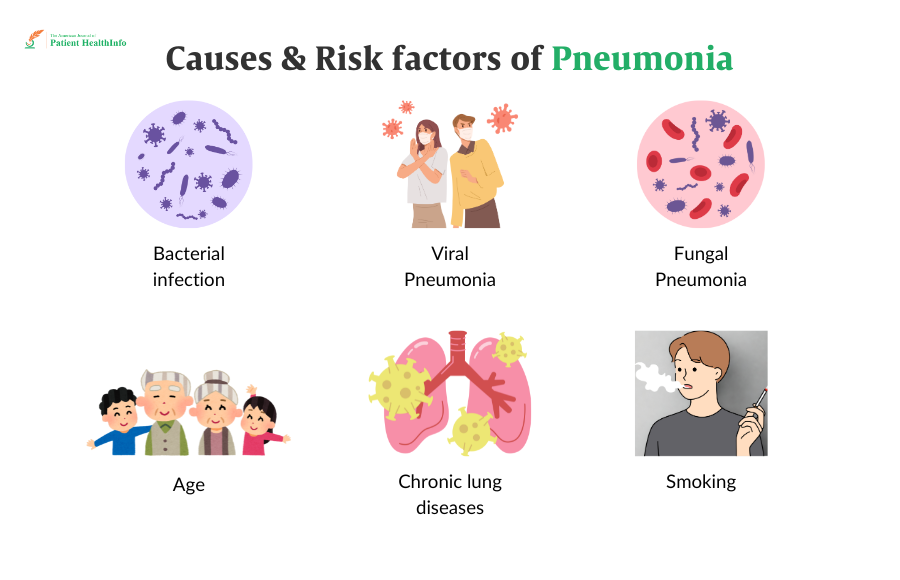
The risk of developing pneumonia increases significantly when the immune system is compromised. Conditions such as Diabetes Mellitus can reduce the body’s ability to fight infections. Similarly, nutritional deficiencies like anemia can weaken immunity and lower oxygen-carrying capacity, making it harder for the body to recover from infections. Other risk factors include advanced age, smoking, chronic lung disease, and poor overall health.
Overall, pneumonia is usually the result of a combination of infectious exposure and reduced immune defense, which allows pathogens to multiply in the lungs and trigger inflammation.
Risk Factors
Several factors increase the likelihood of developing pneumonia. Age is a major risk factor, with young children and older adults being more vulnerable due to weaker immune responses.
Chronic diseases such as diabetes significantly increase susceptibility to infections, including pneumonia. Similarly, individuals with weakened immunity due to anemia are more prone to severe illness.
Smoking damages the lungs and impairs their ability to fight infection, while alcohol abuse can weaken the immune system. Hospitalization, especially prolonged stays or use of ventilators, also increases the risk of developing pneumonia.
Symptoms of Pneumonia
The symptoms of pneumonia can vary depending on the cause and severity of infection. Common symptoms include persistent cough, which may produce mucus or phlegm, fever, chills, and shortness of breath.
Many individuals also experience chest pain that worsens during breathing or coughing. Fatigue and weakness are common as the body struggles to fight the infection.
In more severe cases, confusion may occur, especially in older adults. Rapid breathing and low oxygen levels can also be present, indicating a more serious infection.
Complications of Pneumonia
If left untreated or in severe cases, pneumonia can lead to life-threatening complications. One of the most serious complications is respiratory failure, where the lungs are unable to supply enough oxygen to the body.
The infection can also spread to the bloodstream, leading to sepsis, a severe systemic response that requires emergency treatment. Fluid buildup around the lungs, known as pleural effusion, may also occur and can further impair breathing.
Individuals with underlying conditions such as diabetes are at higher risk of complications and slower recovery.
Diagnosis of Pneumonia
Physical Examination
Diagnosis often begins with a physical examination. A doctor listens to the lungs using a stethoscope to detect abnormal sounds such as crackles or wheezing.
Chest X-Ray
A chest X-ray is commonly used to confirm pneumonia and determine the extent of lung involvement. It helps visualize fluid or infection in the lungs.
Blood Tests
Blood tests are used to check for signs of infection and inflammation. They may also help identify whether the infection is bacterial or viral.
Sputum Test
A sample of mucus may be analyzed to identify the specific organism causing the infection, which helps guide treatment.
Treatment of Pneumonia
Treatment depends on the type and severity of pneumonia, as well as the patient’s overall health condition.
Antibiotic Therapy
For bacterial pneumonia, antibiotics are the primary treatment. The choice of antibiotic depends on the suspected or confirmed bacteria. It is important to complete the full course of medication even if symptoms improve early.
Antiviral and Antifungal Treatment
If pneumonia is caused by a virus or fungus, specific antiviral or antifungal medications may be prescribed. Supportive care is also important during recovery.
Supportive Care
Supportive treatment includes rest, adequate hydration, and fever control using medications such as acetaminophen. Oxygen therapy may be required in severe cases to improve breathing.
Hospitalization
Severe cases of pneumonia, especially in patients with diabetes or weakened immunity due to anemia, may require hospitalization for close monitoring and intravenous treatment.
Prevention of Pneumonia
Preventing pneumonia involves strengthening the immune system and reducing exposure to infectious agents. Vaccination plays a key role, particularly vaccines against influenza and pneumococcal bacteria.
Maintaining good hygiene, such as frequent handwashing and avoiding close contact with sick individuals, can reduce transmission. Quitting smoking is also essential, as it improves lung health and immune defense.
Managing chronic conditions like diabetes is equally important in reducing infection risk.
Frequently Asked Questions (FAQs)
1. Is pneumonia contagious?
Yes, many types of pneumonia are contagious, especially those caused by bacteria and viruses. They spread through respiratory droplets when an infected person coughs or sneezes. However, not everyone exposed will develop pneumonia, as it depends on immune strength.
2. How long does pneumonia take to recover?
Recovery time depends on severity and overall health. Mild cases may improve within one to two weeks, while more severe cases can take several weeks or longer. Individuals with conditions like diabetes may take longer to recover.
3. Can pneumonia be treated at home?
Mild cases can sometimes be treated at home with antibiotics and rest. However, severe symptoms such as difficulty breathing or high fever require medical attention or hospitalization.
4. Who is most at risk of pneumonia?
Older adults, young children, smokers, and people with chronic illnesses like anemia or diabetes are at higher risk of developing severe pneumonia.
5. Can pneumonia come back after treatment?
Yes, pneumonia can recur, especially if underlying health conditions are not managed or if the immune system remains weak. Preventive care and vaccination can help reduce recurrence.
References
- World Health Organization (WHO). Pneumonia Fact Sheet
- Centers for Disease Control and Prevention (CDC). Pneumonia Overview
- Mayo Clinic. Pneumonia Diagnosis and Treatment
- National Heart, Lung, and Blood Institute (NHLBI). Lung Infections
- American Lung Association. Understanding Pneumonia