
High blood pressure, also called hypertension, is one of the most common health concerns among adults. It often develops without obvious symptoms, but over time, uncontrolled high blood pressure can put extra strain on the heart and blood vessels and increase the risk of serious health problems.
The good news is that everyday lifestyle choices can play an important role in managing blood pressure. Eating a balanced diet, staying active, maintaining a healthy weight, managing stress, and limiting sodium are some of the steps that can help support healthier blood pressure levels.
If you are wondering how to lower blood pressure naturally, the goal is not to rely on one quick fix. Instead, focus on several healthy habits that you can maintain over time.
What Causes High Blood Pressure?
Blood pressure is the pressure of blood against the artery walls as the heart pumps. If this pressure remains elevated, it is called hypertension. High blood pressure can be caused by many factors such as an unhealthy diet, too much sodium, not getting enough exercise, being overweight, smoking, drinking too much alcohol, stress, age, or family history. Other medical conditions and medications can also impact blood pressure. Regular blood pressure checks are important, even if you don’t have any symptoms, because hypertension often does not.
10 Ways to Lower Blood Pressure Naturally
- Eat More Heart-Healthy Foods
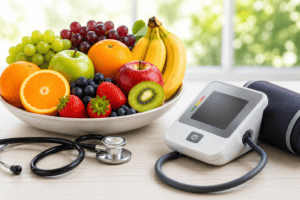
Food can play a significant role in raising blood pressure. Eating vegetables, fruits, whole grains, beans, nuts, seeds, and lean protein can help keep your heart healthy. Eat more vegetables and fruits and opt for less processed foods. Foods high in potassium can also help to balance the effects of sodium in the body. One of the most effective diets that people can follow to lower their blood pressure is the DASH eating plan, which is an acronym for Dietary Approaches to Stop Hypertension.
- Cut Back on Sodium
Too much sodium can lead to high blood pressure, especially for those who are salt-sensitive. Sodium can be found in abundance in processed foods, canned foods, packaged snacks, sauces and restaurant meals. Knowing how to read nutrition labels and cooking more at home can help you manage your sodium intake. Use herbs, spices, garlic, lemon or other salt-free seasonings instead of relying on salt.
- Exercise Regularly
Exercise can help the heart function more efficiently and maintain healthy blood pressure. It doesn’t take a high-intensity exercise program to be more active. Moderate activities such as walking, cycling, swimming, dancing, or other activities may be good alternatives. Get as much physical activity as possible into your week, and build up activity if you are not active. Consult your health care provider if you have a medical condition or have not exercised for a long period of time, about the type and amount of exercise that is right for you.
- Maintain a Healthy Weight
Extra weight puts extra strain on your heart and can lead to high blood pressure. Losing just a small amount of weight can lower blood pressure for those who are overweight. Instead of going on extreme diets, make healthy changes like eating a balanced diet, cutting down on highly processed foods, portion control, and becoming more active. Everyone’s healthy weight is different, so you and your health care professional can decide on a realistic goal.
- Manage Stress
Chronic stress can make it more difficult to keep up good habits and can lead to short-term high blood pressure. Finding healthy ways to manage stress can benefit both your mental and physical health. Walking, deep breathing, stretching, meditation, reading, spending time with friends and family or doing a favorite activity can help you relax. The best way is to do something that is natural to you and can be done over time.
- Limit Alcohol
Excessive alcohol consumption can lead to high blood pressure and can also make it harder to keep a healthy weight. If you consume alcohol, limiting your consumption to recommended amounts can help to protect your heart and overall health. People who do not drink should not start drinking for the purpose of improving their health. If you are worried about your drinking, discuss it with a health care provider to receive the necessary help.
- Stop Smoking
Smoking harms blood vessels and raises the chances of heart disease and stroke. Nicotine may also cause a temporary increase in blood pressure and heart rate. It’s never too late to quit smoking, which is one of the best things you can do for your heart health. Don’t think that quitting is something that you have to do alone. Healthcare providers may be able to provide information and tools that can help people quit.
- Get Enough Quality Sleep
Lack of sleep and irregular sleep patterns may impact overall health and may be linked to hypertension. Go to bed and get up at the same time every day and establish a calming bedtime routine. Avoiding caffeine late in the day, minimizing screen time before bedtime, and making your bedroom a comfortable environment can also help you get a better night’s sleep. If you snore loudly, wake up gasping for air or are very tired during the day even though you get plenty of sleep, talk to your healthcare professional. Cardiovascular health can be impacted by sleep disorders like sleep apnea.
- Monitor Your Blood Pressure
If you know your blood pressure numbers, you can determine if your lifestyle changes are working. For some individuals, home blood pressure monitoring may be beneficial, particularly if prescribed by a health care provider. Make readings under the same conditions and record them to discuss with medical visits. Keep in mind that one blood pressure reading is not always definitive. Your health care provider can help you understand your readings and if you need more treatment.
- Take Prescribed Medication as Directed
Lifestyle changes can be very beneficial, but they are not for everyone. For some, medication is necessary to control their blood pressure, especially if lifestyle changes are not enough. If your healthcare professional has prescribed medicine, take it as prescribed, and never stop taking it without first talking to your healthcare professional. Other lifestyle modifications such as healthy eating, regular exercise, and other changes can often be used in conjunction with medication as part of a comprehensive blood pressure management strategy.
Warning Signs You Shouldn’t Ignore
High blood pressure may not have any noticeable symptoms. That is why it is sometimes referred to as a “silent” condition. But extremely high blood pressure can be a medical emergency. Seek immediate medical attention if you have severely elevated blood pressure along with symptoms such as chest pain, shortness of breath, severe headache, confusion, weakness, vision changes, or difficulty speaking. Never wait for symptoms to check your blood pressure. One of the best ways to detect a problem early is to monitor regularly.
Can Natural Lifestyle Changes Replace Blood Pressure Medication?
Making other healthy lifestyle changes, such as improving diet, increasing physical activity, losing excess weight, can make a big difference in blood pressure for some people. But it’s possible to cut back or discontinue medication, depending on the person. Do not adjust your dose of medication or discontinue treatment without consulting your doctor, even if your blood pressure readings are better. Your healthcare provider will know if it is necessary to adjust your treatment based on your blood pressure readings, health status and other risk factors.
Why Consistency Matters
When it comes to natural methods for reducing blood pressure, it’s easy to think about a single food, supplement, or magic pill. In fact, the lasting improvements are often the result of consistent habits. Eating healthier foods most of the day, exercising, getting adequate rest, reducing stress, not smoking, and keeping track of blood pressure, can all help you achieve good cardiovascular health most of the time. Don’t have to make all the changes at once. It is easier to keep up a healthy habit if you start with one or two realistic changes and slowly work your way up.
Frequently Asked Questions
Q1: Can you lower blood pressure naturally?
Yes, lifestyle changes such as following a heart-healthy diet, reducing sodium, exercising regularly, maintaining a healthy weight, limiting alcohol, managing stress, and getting enough sleep can help lower or manage blood pressure. Some people will still need medication.
Q2: How quickly can lifestyle changes lower blood pressure?
The amount of time varies from person to person. There are some lifestyle changes that can impact blood pressure more quickly, and others that take weeks or months of work. You and your health care professional can monitor progress regularly.
Q3: Does drinking more water lower blood pressure?
Staying adequately hydrated is important for overall health, but drinking extra water is not a treatment for hypertension. If you have high blood pressure, focus on an overall healthy lifestyle and follow your healthcare professional’s recommendations.
Q4: Is walking good for high blood pressure?
Walking is a simple exercise that can help maintain cardiovascular health and, if done consistently, can help to lower blood pressure. Start at a comfortable level and gradually increase your activity as appropriate.
Q5: Should I stop my blood pressure medicine if my numbers improve?
No. Do not stop or change prescribed blood pressure medication without speaking with your healthcare professional. Improved readings may mean that your current treatment plan is working.
Verdict
If you are looking for how to lower blood pressure naturally, start by focusing on sustainable changes rather than quick fixes. A balanced, lower-sodium diet, regular physical activity, healthy weight management, stress reduction, good sleep, and avoiding tobacco can all support healthier blood pressure.
Most importantly, do not ignore high blood pressure simply because you feel well. Regular monitoring and appropriate medical care can help identify problems early and reduce the risk of complications.
Take the Next Step for Better Heart Health
Blood pressure control is a continuous process, but little steps can make a big difference over time. When you have high readings on a regular basis or you are at risk for cardiovascular disease, consult a competent health care provider. A tailored assessment can help to identify factors that can influence blood pressure and decide if lifestyle changes, medication, or a combination of both is right for you.