
Hypertension, also known as high blood pressure, is a very common cardiovascular disease in the world. It is when the blood pressure in the arteries is constantly high. While hypertension can cause many serious long-term health problems, one of the most alarming aspects of it is that it can occur without any symptoms.
This means that you may have high blood pressure but feel fine. This is why it is important to know what the symptoms of high blood pressure are, but it is even more important to have regular blood pressure checks. However, if the blood pressure is very high, some warning signs may occur and should not be ignored.
What Is High Blood Pressure?
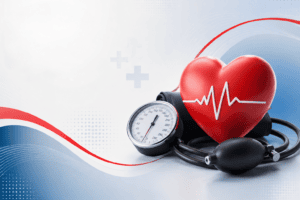
Blood pressure is measured in two numbers. The first, called systolic pressure, is the pressure in your arteries when your heart is beating. The second, or diastolic pressure, is the pressure between heartbeats. If the reading is persistently high, it could mean that the person is suffering from high blood pressure.
High blood pressure is defined by the blood pressure level, which may vary depending on clinical guidelines and individual circumstances, and should be diagnosed by a qualified healthcare professional. If left untreated, high blood pressure can harm blood vessels and put extra stress on the heart. It may lead to serious problems with the heart, brain, kidneys, and eyes.
Why High Blood Pressure Often Has No Symptoms
The biggest misconception about hypertension is that you will know if your blood pressure is elevated. In fact, many individuals who have hypertension have no symptoms. A person may have high blood pressure for a long time and feel no different, even though he or she is having it.
This is why high blood pressure is sometimes referred to as a “silent” disease. If you don’t check your blood pressure until you have symptoms, you may miss the diagnosis. The best way to determine your blood pressure is to have it checked.
High Blood Pressure Symptoms You Should Know
While most cases of hypertension are asymptomatic, some may have symptoms when blood pressure is quite high or when complications arise.
Possible symptoms can include:
Severe or unusual headache
There are many causes of a headache and high blood pressure is not always a cause. But a sudden or severe headache, especially if accompanied by other worrisome symptoms, should not be overlooked.
Shortness of Breath
Breathlessness can be a sign of a great strain on the cardiovascular system. Seek urgent medical help if shortness of breath comes on quickly, is severe or if it is accompanied by chest discomfort.
Chest Pain
Any chest pain is serious. It could have a number of possible causes, but chest pressure, tightness or pain may indicate a serious cardiovascular issue.
Vision Changes
High blood pressure can damage blood vessels that supply the eyes and can lead to vision changes. If you experience blurred vision, sudden vision loss, or other major changes in vision, you should get immediate medical attention.
Dizziness or Confusion
Dizziness is not a unique symptom of hypertension, and can be caused by a variety of factors. Severe dizziness, confusion, trouble staying alert or sudden changes in mental status may be a sign of a medical emergency, however.
Weakness, Numbness, or Difficulty Speaking
If you experience sudden weakness or numbness, particularly on one side of the body, have trouble speaking, droop your face, or have trouble coordinating your movements, you might be having a stroke. These symptoms are not a normal blood pressure and call for immediate emergency medical attention.
When High Blood Pressure Becomes an Emergency
High blood pressure with symptoms like chest pain, shortness of breath, severe headache, confusion, vision changes, weakness, numbness or trouble speaking can be a medical emergency. Don’t try to treat these symptoms at home or expect them to go away. In the event you think you are suffering from a medical emergency, look for urgent medical help. Don’t assume that a single blood pressure reading means you are safe or not safe. All of the above are important.
Risk Factors for High Blood Pressure
Anyone can develop hypertension, but certain factors can increase the likelihood of developing it. These include high blood pressure, family history of high blood pressure, excess body weight, physical inactivity, high sodium intake, smoking, excessive alcohol consumption, chronic stress and certain underlying medical conditions. Certain medicines also can cause changes in blood pressure. If you have one or more risk factors, you do not necessarily have hypertension. But, regular monitoring and preventive care is especially important.
How Is High Blood Pressure Diagnosed?
A single elevated blood pressure reading does not necessarily mean that you have chronic hypertension. Stress, exercise, caffeine, pain and other factors can cause a temporary rise in blood pressure. Several readings may be taken at various appointments or home monitoring may be suggested to get a better picture. Your healthcare professional may also take your age, medical history, medications, lifestyle and other cardiovascular risk factors into account during your evaluation.
Why Regular Blood Pressure Checks Matter
One of the most important ways to detect hypertension is by getting regular blood pressure readings, as it often doesn’t have any symptoms. Blood pressure can be taken at regular health care visits, and some individuals might find it helpful to take their blood pressure at home. If you have a home blood pressure machine, use it properly and record your blood pressure. Regular blood pressure readings will help your health care provider know if your blood pressure is in a healthy range or if further testing is required. Do not rely on how you feel to determine whether your blood pressure is controlled.
What Can Help Manage High Blood Pressure?
Once you have been diagnosed with hypertension, the treatment may include lifestyle changes and, if needed, medication. A healthy diet rich in vegetables, fruits, whole grains, lean proteins and reduced sodium can help you manage your blood pressure. Other lifestyle factors that can help promote cardiovascular health include regular exercise, maintaining a healthy weight, limiting alcohol intake, avoiding tobacco, managing stress, and getting adequate rest. Prescribed medications may be needed for some to help control their blood pressure. If a medicine is prescribed, take it as directed and never stop taking it without consulting your health care professional.
Frequently Asked Questions
Q1: What are the most common high blood pressure symptoms?
High blood pressure is a silent condition that most people with high blood pressure don’t have any symptoms. If blood pressure is very high, symptoms can include severe headache, chest pain, shortness of breath, vision changes, confusion or neurological symptoms.
Q2: Can you have high blood pressure without symptoms?
Yes. Indeed, many people who have hypertension are perfectly fine. That’s why it’s important to have regular blood pressure checks, even if you don’t feel unwell.
Q3: Does a headache always mean you have high blood pressure?
No. There are many causes of headaches and they are not a good indicator of whether or not your blood pressure is high. Any headache that is severe or unusual, or has other concerning symptoms, should be treated promptly.
Q4: When should I seek emergency help?
Seek immediate emergency medical care if you have symptoms such as chest pain, severe shortness of breath, sudden weakness or numbness, difficulty speaking, severe confusion, sudden vision changes, or another potentially serious symptom.
Q5: Can lifestyle changes lower high blood pressure?
Lifestyle changes may be beneficial in controlling blood pressure and may lower cardiovascular risk. Medication may also be needed, depending upon the severity of hypertension and your individual health.
Verdict
The key to understanding high blood pressure symptoms is that there may be none. Health is not the same as being in a safe blood pressure range. Hypertension can be detected and treated in a timely manner with regular monitoring, healthy lifestyle and proper medical treatment to prevent the onset of serious complications.
Do not wait for the symptoms to clear up if you have sudden chest pain, shortness of breath, neurological changes, severe headache, or vision changes. Be familiar with your numbers, know your personal risk factors and collaborate with a health care provider to manage your blood pressure.