
 Written byDr Zain Maq, M.D. ✓Physician · Endocrinology & Metabolic Health

Vitamin D in winter is one of the most common health questions in the UK. As the clocks go back and the days get shorter, many of us spend more time indoors. What most people don’t realise is that this also affects how much vitamin D our bodies make. In the UK, getting enough vitamin D in winter is difficult from sunlight alone. That is why the NHS advises most adults and children to consider a daily supplement during the colder months.
In this guide, we explain what vitamin D does, why levels fall in winter, how much you need, and who should take a supplement all year round.
Not sure what to eat? Get a nutrition chart made just for you by a UK doctor.
Get My Custom Chart →Key Takeaways
- From October to early March, UK sunlight is too weak for your skin to make enough vitamin D.
- The NHS advises most adults and children over 4 to consider 10 mcg (400 IU) of vitamin D a day in autumn and winter.
- Babies, young children, pregnant women, older adults, people with dark skin and people who rarely go outdoors may need vitamin D all year round.
- Oily fish, eggs, red meat and fortified foods help, but food alone rarely provides enough vitamin D in winter.
- Do not take more than 100 mcg (4,000 IU) a day unless a doctor advises it.
What Is Vitamin D and Why Do We Need It?
Vitamin D helps your body absorb calcium and phosphate from food. These two minerals keep your bones, teeth and muscles healthy.
Without enough vitamin D, bones can become soft and weak. In children, a severe lack can cause rickets, a condition that leads to bone pain and deformities. In adults, it can cause osteomalacia, which causes bone pain and muscle weakness.
Vitamin D is sometimes called the “sunshine vitamin” because our skin makes it when exposed to sunlight. However, unlike most vitamins, it is hard to get enough from food alone.
Why Vitamin D Levels Drop in Winter in the UK

Your skin makes vitamin D using a type of sunlight called UVB. In the UK, from around October to early March, the sun is too low in the sky for our skin to make enough vitamin D, even on a bright day.
On top of this, in winter we:
- spend more time indoors
- cover most of our skin with coats, scarves and gloves
- have shorter daylight hours, often going to work and coming home in the dark
From late March or early April to the end of September, most people can make enough vitamin D from short daily periods outdoors with their forearms, hands or lower legs uncovered. Over winter, though, the body relies on its stores and on food, which often isn’t enough. This is why getting enough vitamin D in winter usually means taking a supplement.
How Much Vitamin D Do You Need in Winter?
The NHS recommends that adults and children over 4 years old consider taking a daily supplement of 10 micrograms (10 mcg) of vitamin D during autumn and winter. This is the same as 400 IU (international units), which is how some supplement labels show the dose.
| Group | NHS recommendation |
|---|---|
| Adults and children over 4 | Consider 10 mcg a day in autumn and winter |
| Children aged 1 to 4 | 10 mcg a day, all year round |
| Breastfed babies (birth to 1 year) | 8.5 to 10 mcg a day, all year round |
| Babies having more than 500ml of infant formula a day | No supplement needed (formula is already fortified) |
| People at higher risk (see below) | Consider 10 mcg a day, all year round |
Who Should Take Vitamin D All Year Round?
Some people are more likely to have low vitamin D levels, even in summer. The NHS advises these groups to consider a supplement every day of the year:
- People who are rarely outdoors, such as those who are housebound, frail or living in a care home
- People who usually cover most of their skin when outside, for cultural or religious reasons
- People with dark skin, for example those of African, African-Caribbean or South Asian background, because darker skin makes less vitamin D from sunlight
If you are pregnant or breastfeeding, a 10 mcg daily supplement is also recommended. Families on a low income may be eligible for free vitamins through the NHS Healthy Start scheme.
Can You Get Enough Vitamin D in Winter From Food?

Only a small number of foods contain vitamin D naturally. Good sources include:
- oily fish, such as salmon, sardines, herring and mackerel
- red meat
- liver (avoid this if you are pregnant, as it is high in vitamin A)
- egg yolks
- fortified foods, such as some breakfast cereals and fat spreads
In the UK, cow’s milk is generally not fortified with vitamin D, unlike in some other countries. So always check the label.
Eating these foods regularly helps, but for most people it is very hard to reach 10 mcg a day through diet alone. That is why a supplement is the easiest way to get enough vitamin D in winter.
Vitamin D2 or D3: Which Is Better?
You will see two main types of vitamin D on shop shelves:
- Vitamin D3 (cholecalciferol): usually made from lanolin (sheep’s wool) or fish oil. Some vegan D3 is made from lichen.
- Vitamin D2 (ergocalciferol): made from plants and fungi, so it is suitable for vegans.
Both types can raise vitamin D levels. Some research suggests D3 may raise blood levels a little more effectively. If you are vegetarian or vegan, check the label to find a suitable option.
Signs You May Be Low in Vitamin D
Many people with low vitamin D have no obvious symptoms. When symptoms do appear, they can include:
- tiredness and general aches
- bone or back pain
- muscle weakness or cramps
- in children, slow growth or bowed legs
These symptoms can have many other causes. If you are worried, speak to your GP. They can arrange a simple blood test if needed. You can read more in our guide to vitamin D, B12 and iron deficiency.
Can You Take Too Much Vitamin D?
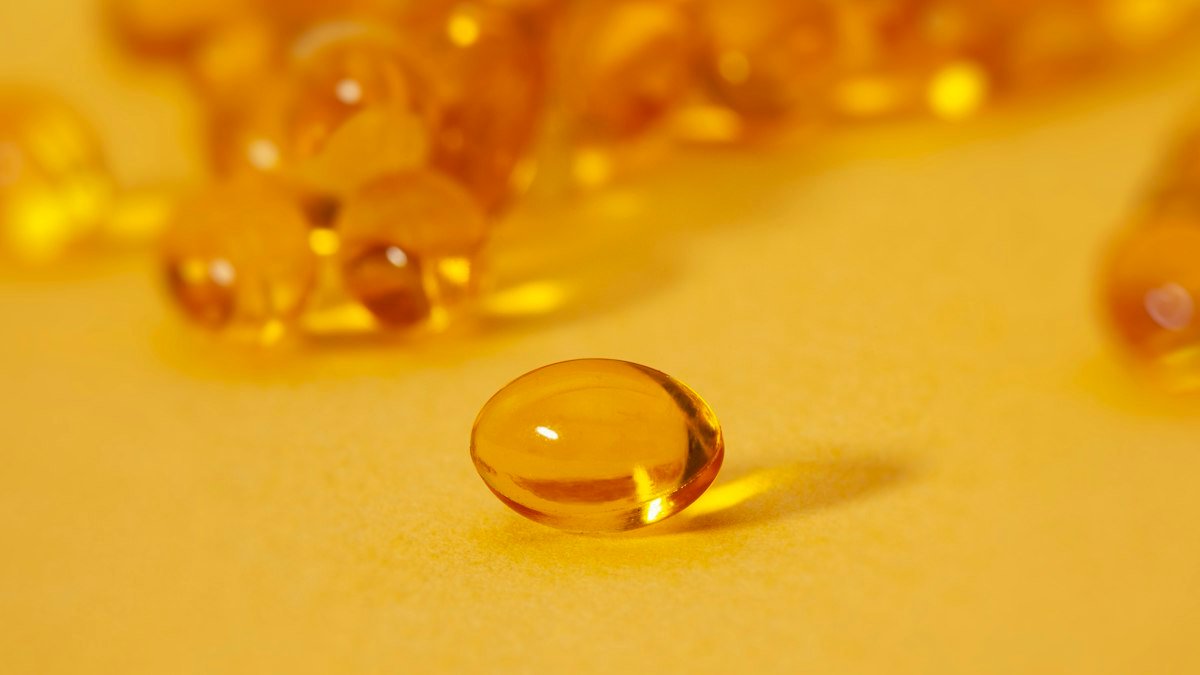
Yes. Taking too much vitamin D for a long time can cause too much calcium to build up in the body (hypercalcaemia). This can weaken bones and damage the kidneys and heart.
The NHS advises:
- adults (including pregnant and breastfeeding women) should not take more than 100 mcg (4,000 IU) a day
- children aged 1 to 10 should not have more than 50 mcg a day
- babies under 12 months should not have more than 25 mcg a day
You cannot overdose on vitamin D from sunlight. However, always protect your skin and avoid burning in summer. If your doctor has prescribed a higher dose to treat a deficiency, follow their advice.
7 Essential Tips for Vitamin D in Winter
- Take a daily 10 mcg supplement from October to March.
- Eat oily fish once or twice a week.
- Choose fortified cereals and spreads where you can.
- Get outside in daylight when possible. It won’t make much vitamin D in winter, but it is good for your mood and sleep.
- Check supplement labels and avoid taking several products that all contain vitamin D.
- If you have dark skin, rarely go outdoors or cover most of your skin, consider taking vitamin D all year round, not just in winter.
- Speak to your GP or pharmacist if you have symptoms of low vitamin D, a medical condition or take other medicines.
Vitamin D in Winter for Different Groups
Everyone’s needs are slightly different. Here is how the advice on vitamin D in winter applies to different people in the UK.
Older adults
As we get older, our skin becomes less efficient at making vitamin D. Older people may also spend more time indoors, especially in cold weather. Low vitamin D, together with low calcium, can increase the risk of weak bones (osteoporosis) and falls. If you are older and rarely get outside, the NHS advises considering a 10 mcg supplement all year round, not just in winter.
Pregnant and breastfeeding women
During pregnancy and breastfeeding, you need enough vitamin D for your own health and to give your baby a good supply. The NHS recommends a daily 10 mcg supplement. Pregnancy multivitamins often already contain vitamin D, so check the label to avoid doubling up. Avoid supplements containing vitamin A (retinol), and avoid liver and liver products, as too much vitamin A can harm an unborn baby.
Babies and young children
Breastfed babies should have a daily vitamin D supplement of 8.5 to 10 mcg from birth. Babies who have more than 500ml of infant formula a day do not need a supplement, because formula is already fortified. Children aged 1 to 4 should have a daily supplement containing 10 mcg of vitamin D all year round. Children’s vitamin drops, which usually also contain vitamins A and C, are an easy option.
People with dark skin
Melanin, the pigment that gives skin its colour, reduces how much vitamin D the skin makes from sunlight. This means people with dark skin, including those of African, African-Caribbean and South Asian background, may not make enough vitamin D even in summer. A 10 mcg supplement all year round is recommended.
People who are vegetarian or vegan
Most natural food sources of vitamin D come from animals, such as oily fish, eggs and meat. If you are vegetarian or vegan, getting enough from food is harder. Look for fortified plant milks, cereals and spreads, and choose a vegan-friendly supplement (vitamin D2, or D3 made from lichen).
How to Choose a Vitamin D Supplement in the UK
Vitamin D supplements are widely available from supermarkets, pharmacies and health shops, and they are usually inexpensive. When choosing one, keep these points in mind:
- Check the dose: for most adults, 10 mcg (400 IU) a day is enough. Higher doses are not better unless your doctor has advised them.
- Choose a form you will take: vitamin D comes as tablets, capsules, chewable gummies, oral sprays and liquid drops. Drops are useful for babies and young children.
- Look at what else is in it: multivitamins, cod liver oil and some calcium supplements already contain vitamin D. Add up the total from all products you take.
- Check it suits your diet: some capsules contain gelatine or fish oil. Vegetarian and vegan versions are available.
- Ask a pharmacist: if you take other medicines or have a health condition, a pharmacist can help you pick a safe product.
Common Myths About Vitamin D in Winter
Myth: “A sunny winter day tops up my vitamin D”
In the UK, the sun is too low between October and early March for your skin to make meaningful amounts of vitamin D, even on clear, bright days. Time outdoors is still good for your mood and fitness, but it won’t replace a supplement.
Myth: “A healthy diet gives me all the vitamin D I need”
A balanced diet gives you most vitamins and minerals, but vitamin D is an exception. Very few foods contain much of it, so even people who eat well often fall short in winter.
Myth: “More vitamin D is always better”
Taking very high doses for a long time can be harmful. Stick to the recommended 10 mcg a day unless a doctor has prescribed a higher dose for you.
Myth: “Sunbeds are a good way to get vitamin D”
No. Sunbeds increase the risk of skin cancer, and the NHS advises against using them. A supplement is a much safer way to get enough vitamin D in winter.
Easy Vitamin D-Rich Meal Ideas for Winter
Alongside a supplement, these simple meal ideas can help you include more vitamin D-containing foods in your week:
- Breakfast: scrambled eggs on wholemeal toast, or a fortified breakfast cereal with milk.
- Lunch: sardines or mackerel on toast, or a salmon and salad wholemeal wrap.
- Dinner: baked salmon with roasted vegetables and potatoes, or a herring and potato bake.
- Snacks: a boiled egg, or a fortified yoghurt (check the label).
Aim to eat oily fish once or twice a week, as the NHS recommends, but no more than 4 portions a week if you are pregnant or trying for a baby, because oily fish can contain low levels of pollutants.
Frequently Asked Questions
1. When should I start taking vitamin D in winter in the UK?
The NHS suggests starting in early autumn, around October, and continuing until the end of March. This is when sunlight in the UK is too weak for your skin to make enough vitamin D.
2. Is 10 mcg the same as 400 IU?
Yes. 10 micrograms (mcg) of vitamin D equals 400 international units (IU). Labels may use either measurement.
3. What time of day should I take vitamin D?
You can take it at any time of day. Some people find it easier to remember with breakfast. Taking it with a meal that contains some fat may help absorption.
4. Can I get vitamin D from sitting by a sunny window?
No. Most glass blocks the UVB rays your skin needs to make vitamin D. You need direct sunlight on your skin, which in the UK is only strong enough from around April to September.
5. Do children need vitamin D supplements?
Yes. The NHS advises that all children aged 1 to 4 have a 10 mcg supplement every day, all year round. Breastfed babies also need a daily supplement from birth.
6. Can vitamin D help with low mood in winter?
Research on vitamin D and mood is mixed, and supplements are not a proven treatment for depression or winter blues. If your mood is low for more than two weeks, speak to your GP.
7. Do I need a blood test before taking vitamin D?
Most people do not need a test to take the standard 10 mcg dose. Speak to your GP if you have symptoms of deficiency, a medical condition, or take other medicines.
The Bottom Line: Vitamin D in Winter
For most people in the UK, sunlight from October to March is not strong enough to make the vitamin D the body needs. A daily 10 mcg supplement is a simple, low-cost way to protect your bones and muscles through the winter. Some groups, including people with dark skin and those who are rarely outdoors, should consider taking it all year round.
Want a winter eating plan built around your needs? Get a custom nutrition chart prepared by a UK-licensed doctor, including vitamin D-rich foods that suit your diet and lifestyle.
Sources and Further Reading
NHS. Vitamin D. https://www.nhs.uk/conditions/vitamins-and-minerals/vitamin-d/
NHS. Vitamins for children. https://www.nhs.uk/conditions/baby/weaning-and-feeding/vitamins-for-children/
Scientific Advisory Committee on Nutrition (SACN). Vitamin D and Health, 2016. https://www.gov.uk/government/publications/sacn-vitamin-d-and-health-report
NHS Healthy Start. https://www.healthystart.nhs.uk/
Related Articles
Vitamin D, B12, and Iron Deficiency: Symptoms, Tests, and Treatment
Boost Your Immune System This Winter: 8 Proven Tips That Work
Seasonal Affective Disorder: 9 Common Signs and Effective Ways to Feel Better
Medical Disclaimer
This article is for general information only and is not a substitute for professional medical advice. Always speak to your GP or pharmacist before starting a new supplement, especially if you are pregnant, have a medical condition or take other medicines.

Not sure what to eat? Get a nutrition chart made just for you by a UK doctor.
Get My Custom Chart →