
 Written byDr Zain Maq, M.D. ✓Physician · Endocrinology & Metabolic Health
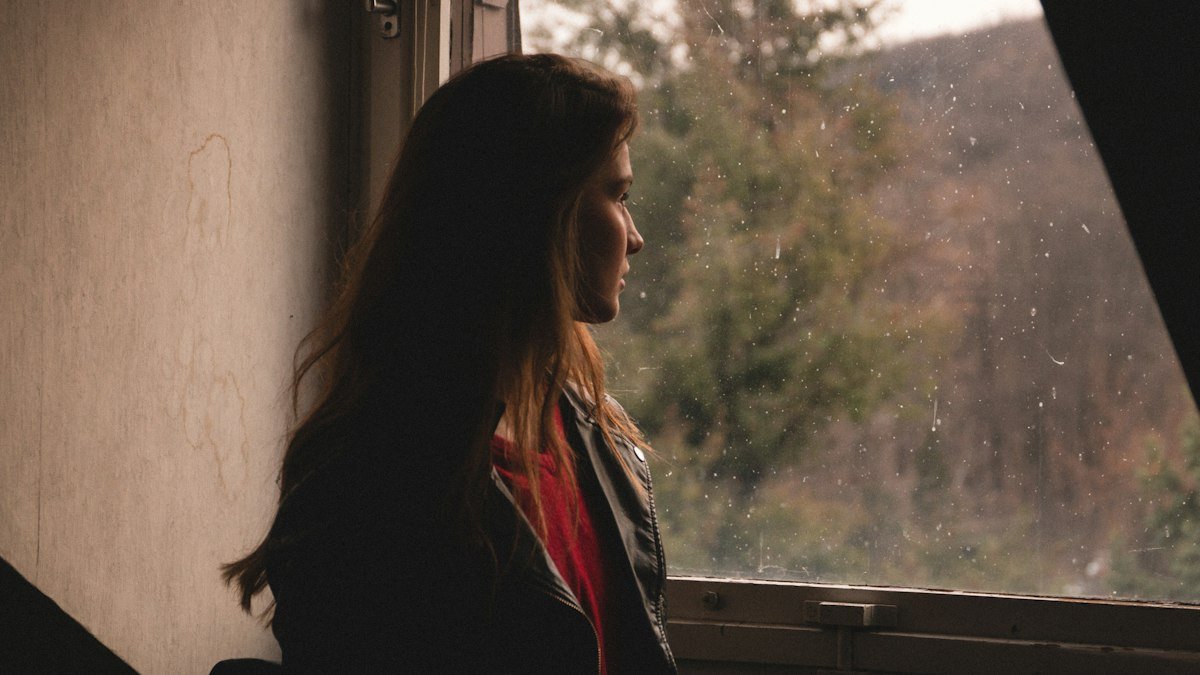
Do you feel low, tired and unmotivated every year as the days get shorter? Many people in the UK notice their mood and energy dip in autumn and winter. For some, these “winter blues” are mild. For others, they can be a form of depression called seasonal affective disorder (SAD).
In this guide, we explain the signs of seasonal affective disorder, why it happens, simple things you can do to help yourself, and the treatments available on the NHS.
Not sure what to eat? Get a nutrition chart made just for you by a UK doctor.
Get My Custom Chart →Key Takeaways
- Seasonal affective disorder (SAD) is a type of depression that follows a seasonal pattern, usually starting in autumn and easing in spring.
- Common signs include persistent low mood, low energy, sleeping more than usual, craving carbohydrates and losing interest in things you enjoy.
- It is linked to reduced sunlight, which may affect melatonin, serotonin and your body clock.
- Daylight, exercise, routine and staying connected can help mild symptoms.
- Talking therapies and antidepressants are available on the NHS if symptoms affect your daily life.
What Is Seasonal Affective Disorder?
Seasonal affective disorder is a type of depression that comes and goes in a seasonal pattern. It is sometimes called “winter depression” because symptoms usually start in autumn, are most noticeable in December, January and February, and get better in spring and summer.
Less commonly, some people have SAD in the summer and feel better in winter.
SAD is more than simply disliking the cold or dark evenings. It is a recognised condition that can affect your work, relationships and day-to-day life, and it can be treated.
Winter Blues or Seasonal Affective Disorder: What Is the Difference?

Many people feel a little flatter or more tired in winter. This is often called the “winter blues” and usually does not stop you living your normal life.
With SAD, the symptoms are stronger, last for weeks at a time, and return around the same time each year. They can make it hard to work, socialise or look after yourself. If your low mood is affecting your daily life, it is worth speaking to your GP.
9 Common Signs and Symptoms of Seasonal Affective Disorder
Symptoms of SAD can include:
- a persistent low mood
- losing pleasure or interest in everyday activities
- feeling irritable
- feelings of despair, guilt or worthlessness
- feeling lethargic (lacking energy) and sleepy during the day
- sleeping for longer than usual and finding it hard to get up in the morning
- craving carbohydrates and gaining weight
- finding it hard to concentrate
- withdrawing from friends and family
The severity of symptoms varies. Some people find them mildly distressing, while for others they have a big impact on everyday life.
What Causes Seasonal Affective Disorder?
The exact cause of SAD is not fully understood, but it is often linked to reduced exposure to sunlight during the shorter autumn and winter days. The main theory is that lack of sunlight may affect part of the brain called the hypothalamus, which can affect:
- melatonin, a hormone that makes you feel sleepy. People with SAD may produce higher levels than usual in winter.
- serotonin, a brain chemical that affects mood, appetite and sleep. Less sunlight may lead to lower serotonin levels.
- your body clock (circadian rhythm). Your body uses sunlight to time important functions, such as when you wake up, so lower light levels may disrupt it.
Some people may also be more likely to get SAD because of their genes, as it sometimes runs in families.
Who Is More Likely to Get SAD?
Anyone can develop SAD, but it may be more common in:
- women
- younger adults
- people with a personal or family history of depression or bipolar disorder
- people who live further from the equator, where winter days are shorter
Self-Help Tips for Seasonal Affective Disorder

If your symptoms are mild, these everyday steps may help you feel better:
- Get as much natural daylight as possible. Go for a walk in the morning or at lunchtime, when daylight is strongest. Sit near windows when you are indoors.
- Keep active. Regular exercise, especially outdoors, can lift your mood. Even a 20-minute brisk walk helps.
- Keep a regular routine. Go to bed and get up at the same time each day, and try to eat at regular times.
- Eat a balanced diet. It is common to crave sugary or starchy foods with SAD. Try to include plenty of fruit, vegetables, wholegrains and protein.
- Stay connected. Keep in touch with friends and family, even if you don’t feel like it. Talking about how you feel can help.
- Plan ahead for stressful times. If you know winter is hard for you, try to avoid taking on too much in those months.
- Take vitamin D. The NHS advises most people in the UK to consider a 10 mcg daily supplement in autumn and winter for bone and muscle health. It is not a proven treatment for SAD, but many people are low in winter. Read more in our vitamin D in winter guide.
How Is Seasonal Affective Disorder Diagnosed?
There is no blood test or scan for seasonal affective disorder. A GP will usually diagnose it by talking with you about your symptoms. They may ask:
- how long you have felt this way and how it affects your daily life
- whether your symptoms come back at the same time each year
- about changes in your sleep, appetite, weight and energy
- about your thoughts and feelings, including any thoughts of self-harm
- whether you have a personal or family history of depression or bipolar disorder
You may be asked to fill in a short questionnaire about your mood. Your GP may also suggest a blood test to rule out other conditions that can cause tiredness and low mood, such as an underactive thyroid or anaemia.
It can help to keep a simple diary of your mood, sleep and energy for a few weeks before your appointment. This makes it easier to spot a seasonal pattern.
Seasonal Affective Disorder and Diet: What Can Help?
No diet can cure seasonal affective disorder, but eating well can support your energy levels and overall wellbeing during the darker months.
- Eat regular meals: skipping meals can make tiredness and irritability worse. Aim for 3 balanced meals a day.
- Choose slow-release carbohydrates: cravings for sugary foods are common with SAD. Wholegrain bread, oats, brown rice and potatoes with skins give longer-lasting energy.
- Include protein at each meal: eggs, beans, lentils, fish, chicken and yoghurt help keep you full.
- Eat oily fish: the NHS recommends at least one portion of oily fish, such as salmon or mackerel, a week as part of a healthy diet.
- Limit alcohol and caffeine: alcohol can worsen low mood and disturb sleep, and too much caffeine later in the day can affect sleep quality.
If you would like help building a winter eating plan, you can get a custom nutrition chart prepared by a UK-licensed doctor.
NHS Treatments for Seasonal Affective Disorder
If self-help is not enough, speak to your GP. They will ask about your mood, eating and sleeping patterns, and any seasonal changes in how you feel. Treatment depends on how severe your symptoms are and may include:
Talking therapies

Talking therapies, such as cognitive behavioural therapy (CBT) or counselling, can help you understand your feelings and change unhelpful patterns of thinking. In England, you can refer yourself directly to an NHS Talking Therapies service without seeing a GP.
Antidepressants
Antidepressant medicines, usually a type called selective serotonin reuptake inhibitors (SSRIs), may be recommended, especially if your symptoms are severe. Your GP may suggest starting them before symptoms usually begin and continuing until spring.
Light therapy
Light therapy involves sitting in front of a special lamp called a light box for a period each day, usually in the morning. The light is much brighter than normal indoor lighting and is thought to help by copying natural daylight.
Some people find light therapy helpful, but the evidence on how well it works is mixed, and it is not generally available on the NHS. If you want to try it, talk to your GP first, especially if you have an eye condition, bipolar disorder or take medicines that make your skin sensitive to light.
How to Prepare for Seasonal Affective Disorder Before Winter
If you have had seasonal affective disorder before, planning ahead can make the winter months easier. Try to:
- speak to your GP in late summer or early autumn if treatment has helped you in previous years
- make the most of daylight by planning outdoor walks, especially in the morning
- rearrange your home or desk so you sit near a window
- book activities you enjoy, such as classes or regular meet-ups with friends, so you have things to look forward to
- plan a winter break somewhere sunny if this is possible for you
- keep up regular exercise as the weather changes, for example by switching to indoor activities
Seasonal Affective Disorder at Work
Low energy and poor concentration can make work harder in winter. If seasonal affective disorder is affecting your job, consider talking to your manager or occupational health team. Small changes can help, such as:
- sitting near a window
- taking a short walk outside at lunchtime
- flexible start times, if mornings are especially difficult
- breaking large tasks into smaller steps
Many employers offer an Employee Assistance Programme (EAP), which may include free, confidential counselling.
How to Support Someone With Seasonal Affective Disorder
If a friend or family member has seasonal affective disorder, your support can make a real difference:
- listen without judging, and let them know you are there for them
- suggest doing things together outdoors in daylight, such as a short walk
- encourage them to speak to their GP if their symptoms are affecting daily life
- be patient, as low energy and withdrawal are part of the condition, not a choice
- look after your own wellbeing too
If you are worried that someone is at risk of harming themselves, encourage them to get help straight away, or contact NHS 111 or 999 for them.
Common Myths About Seasonal Affective Disorder
Myth: “It’s just disliking winter”
Many people prefer summer, but seasonal affective disorder is a recognised type of depression. It can affect sleep, appetite, energy, work and relationships, and it deserves proper support.
Myth: “You just have to wait for spring”
Symptoms often improve in spring, but you do not have to struggle through the winter. Self-help, talking therapies and medicines can all help, and starting early often works best.
Myth: “Only people in very cold countries get SAD”
Seasonal affective disorder is linked to shorter days and less sunlight rather than cold temperatures. It is common in the UK, where winter days are short.
Myth: “A light box is a cure”
Some people find light therapy helpful, but it does not work for everyone and the evidence is mixed. It is best used as part of a wider plan agreed with your GP.
Can Seasonal Affective Disorder Come Back Every Year?
Yes. Because it follows a seasonal pattern, seasonal affective disorder often returns around the same time each year. The good news is that once you know your pattern, you can plan ahead. Many people find that starting self-help steps, or treatment agreed with their GP, before their symptoms usually begin helps them cope much better through the winter.
If your symptoms change, get worse, or you start to feel unusually high or energetic in spring or summer, let your GP know, as this can sometimes point to a different condition that needs a different treatment.
When to Get Help
See your GP if you think you might have SAD, if you are struggling to cope, or if your low mood lasts for more than 2 weeks.
Get help immediately if you are having thoughts of harming yourself or feel you cannot keep yourself safe. Call 111, contact your GP for an urgent appointment, or call Samaritans free on 116 123, any time. In an emergency, call 999 or go to A&E.
Frequently Asked Questions
1. When does seasonal affective disorder usually start?
For most people, symptoms begin in autumn as the days get shorter, are worst in the darkest winter months, and improve in spring.
2. Is SAD a real form of depression?
Yes. Seasonal affective disorder is a recognised type of depression with a seasonal pattern. It can be diagnosed by a GP and treated in the same ways as other types of depression.
3. Do light boxes work for SAD?
Some people find them helpful, but research results are mixed. Light boxes are not usually available on the NHS. Speak to your GP before buying one.
4. Can vitamin D cure SAD?
There is not enough evidence that vitamin D treats SAD. However, the NHS advises most people in the UK to consider a daily 10 mcg supplement in autumn and winter for general health.
5. Can I get SAD in the summer?
Yes, although it is less common. Some people have symptoms in summer and feel better in winter.
6. How can I tell if I have SAD or just the winter blues?
The winter blues are usually mild and don’t stop you living normally. SAD symptoms are stronger, last for weeks and affect daily life. If you are unsure, speak to your GP.
7. Can I refer myself for therapy on the NHS?
In England, yes. You can refer yourself to NHS Talking Therapies online or ask your GP to refer you. Services differ in Scotland, Wales and Northern Ireland, so check locally or ask your GP.
8. How long does seasonal affective disorder last?
For most people, symptoms last for the darker months, roughly from autumn until spring, which can be around 4 to 5 months. Treatment and self-help can make this period much easier to manage.
9. Does exercise help seasonal affective disorder?
Yes. Regular physical activity, especially outdoors in daylight, can lift mood and improve energy and sleep. Even a 20 to 30 minute walk most days can help. Exercise works best alongside other self-help steps and any treatment your GP recommends.
The Bottom Line: Seasonal Affective Disorder
Seasonal affective disorder is a common, treatable type of depression linked to the shorter, darker days of autumn and winter. Getting daylight, staying active, keeping a routine and staying connected can all help. If your symptoms are affecting your life, you don’t have to just wait for spring: speak to your GP about talking therapies and other treatments.
Sources and Further Reading
NHS. Seasonal affective disorder (SAD). https://www.nhs.uk/mental-health/conditions/seasonal-affective-disorder-sad/
NHS. Find an NHS Talking Therapies service. https://www.nhs.uk/service-search/mental-health/find-an-nhs-talking-therapies-service
Royal College of Psychiatrists. Seasonal affective disorder. https://www.rcpsych.ac.uk/mental-health/mental-illnesses-and-mental-health-problems/seasonal-affective-disorder
Mind. Seasonal affective disorder (SAD). https://www.mind.org.uk/information-support/types-of-mental-health-problems/seasonal-affective-disorder-sad/
Related Articles
Depression Symptoms and Treatment: Causes, Diagnosis & Recovery
Anxiety Disorders Symptoms and Treatment: Causes, Diagnosis & Prevention
Boost Your Immune System This Winter: 8 Proven Tips That Work
Medical Disclaimer
This article is for general information only and is not a substitute for professional medical advice. If you are worried about your mood or mental health, please speak to your GP or a qualified healthcare professional.

Not sure what to eat? Get a nutrition chart made just for you by a UK doctor.
Get My Custom Chart →