 Written byDr Zain Maq, M.D. ✓Physician · Endocrinology & Metabolic Health
Diabetes can develop gradually, and the early signs are often easy to overlook. Some people may notice changes in their energy, thirst, appetite, or weight without realizing that these symptoms could be related to elevated blood sugar.
Recognizing the early signs of diabetes can encourage timely testing and treatment. Early diagnosis is important because consistently high blood sugar can eventually damage blood vessels, nerves, kidneys, eyes, and other organs.
Want a meal plan built around YOUR blood sugar? Get a personal nutrition chart made by a UK doctor, delivered in 3 days.
Get My Diabetes Chart →While symptoms alone cannot confirm diabetes, certain changes should prompt a conversation with a healthcare professional.
Why Do Diabetes Symptoms Develop?
In people with diabetes, the body either doesn’t make enough insulin or it doesn’t work as well. Insulin facilitates the transport of glucose from blood to cells, where it can be utilized for energy. If glucose is not used up, blood sugar levels increase. The body changes that occur can result in a few obvious symptoms. Symptoms may differ from one person to another and may get worse depending on the type and severity of diabetes. In the early stages, some people, especially those with type 2 diabetes, may not experience any symptoms.
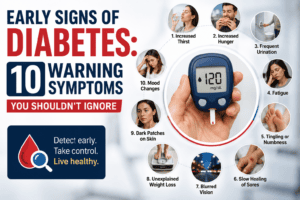
10 Early Signs of Diabetes
- Frequent Urination
An increased need to urinate may be an early indicator. As blood glucose increases, the kidneys excrete the excess glucose in urine. If you are having more trips to the bathroom than usual, especially at night, it is important to talk to a health care provider about the change.
- Increased Thirst
The body will lose even more fluids when people urinate often, causing them to drink more water. If you’re drinking significantly more water than normal for no apparent reason, you might be reacting to high blood sugar. If there is no explanation or reason for the excessive thirst, then it is not just a symptom of being busy, exercising or hot weather.
- Unexplained Weight Loss
There are a number of reasons for weight loss without making any conscious effort to diet or exercise, such as diabetes. If the body is unable to utilize glucose effectively for energy, it can start to use stored fat and muscle. So, unintentional weight loss may happen. If the weight loss is substantial or unexplained, it is important to investigate the cause of the loss, not assume it is due to aging or a temporary decrease in appetite.
- Persistent Fatigue
Sometimes you may be tired, but if you are always tired or you have unusual tiredness, it can be a sign of trouble. If the body is not able to get the glucose into the cells efficiently, the body may have trouble getting the energy it needs. This can make you feel very tired even after getting a good night’s sleep. There are many possible causes of fatigue, however, and it should be taken into consideration along with other symptoms and risk factors.
- Increased Appetite
For some people with diabetes, hunger can be a problem even after they eat. The body can act as if it is in need of more energy because glucose is not being absorbed into the cells. This can result in chronic hunger or eating more. If appetite increases along with thirst, urination or sudden weight gain or loss, it may be a good idea to talk to a health professional.
- Vision Changes
Temporary changes in vision can occur due to high blood sugar and the effect it has on the tissues and fluid balance of the eyes. A blurred vision need not be a normal effect of aging. If there is a persistent or sudden change in vision, make an appropriate medical or eye examination. If vision loss is sudden and severe, medical attention is needed immediately.
- Slow-Healing Cuts and Wounds
High blood sugar can cause poor blood flow and the body’s ability to heal injuries. Minor cuts, sores or wounds that appear to heal slowly, and do so frequently, may indicate a need for additional evaluation. Diabetics should also be extra careful of the foot injuries as the weak nerves and blood circulation can make it easy to ignore foot wounds.
- Frequent Infections
Recurring infections can sometimes be associated with diabetes. High blood sugar can impair the body’s ability to fight infections. Some may have repeated skin infections, urinary tract infections or some fungal infections. Repeated or unexplained infections can be a sign of diabetes, but don’t always signal it.
- Tingling or Numbness
Several different causes may be responsible for tingling, burning or numbness in the hands or feet. High blood sugar levels over a long period of time can harm nerves in individuals with diabetes. While the damage to the nerves is more often seen with diabetes, it’s important to not dismiss unusual sensations. Early assessment can aid in the identification of the underlying cause and decide if blood sugar testing is necessary.
- Dry, Itchy Skin
In some individuals, dry or itchy skin may be caused by changes in hydration and circulation due to a high blood sugar. Skin problems are very common and can be caused by many things; this symptom does not mean diabetes. If the skin changes do not go away, though, and other symptoms are present, then a medical evaluation may be warranted.
Some People Have No Warning Signs
The first thing to know about diabetes is that there are no symptoms that are always apparent. Type 2 diabetes may develop gradually and some people may have high blood sugar for a long time without symptoms. This is especially crucial for individuals with risk factors like obesity, lack of physical activity, family history of diabetes or previous prediabetes. Screening may therefore be important even if you are feeling perfectly healthy.
When Should You Get Tested?
Talk to a health care provider if you have a number of symptoms of diabetes, have had unexplained changes in health or have significant risk factors. Blood tests are used to diagnose diabetes, which measure blood glucose levels and, in some cases, longer-term blood sugar control. Never make a diagnosis of diabetes just from symptoms. Other health issues, thyroid disorders, anemia, dehydration and the effects of medication can produce similar symptoms.
Diabetes Symptoms That Require Urgent Attention
Symptoms may be signs of very high blood sugar or a serious complication. If you are very weak, vomiting a lot, very confused, struggling to breathe, unconscious or if your symptoms get worse quickly, you should get urgent medical help. Individuals who have a diagnosed diabetes should adhere to the emergency protocols outlined by their health care professional, especially if they are experiencing very high blood sugar or signs of a serious metabolic complication.
Early Detection Can Make a Difference
Recognizing the early signs of diabetes does not mean that every symptom points to the condition. However, persistent or unexplained changes deserve attention.
Testing can identify elevated blood sugar before complications become advanced, allowing you and your healthcare professional to discuss appropriate lifestyle changes and treatment.
If diabetes is diagnosed, managing blood sugar, blood pressure, cholesterol, weight, and other risk factors can help reduce the likelihood of long-term complications.
Frequently Asked Questions
Q1: What is usually the first sign of diabetes?
There is no single first symptom. Increased thirst, frequent urination, fatigue, increased hunger, unexplained weight loss, and blurred vision are among the symptoms that can occur.
Q2: Can you have diabetes without symptoms?
Yes. Type 2 diabetes can develop with few or no noticeable symptoms, which is why screening is important for people with increased risk.
Q3: Can diabetes symptoms appear suddenly?
Some forms of diabetes can produce symptoms relatively quickly, while type 2 diabetes often develops gradually. Rapidly developing or severe symptoms should be medically evaluated.
Q4: Are early diabetes symptoms reversible?
Some symptoms may improve when blood sugar is brought under control, but the underlying cause needs to be evaluated. Early diagnosis and appropriate treatment are important.
Final Takeaway
The early signs of diabetes can be subtle, but persistent thirst, frequent urination, unexplained weight loss, fatigue, increased hunger, blurred vision, slow-healing wounds, recurrent infections, tingling, and unexplained skin changes deserve attention.
Symptoms alone cannot diagnose diabetes. The only way to know whether your blood sugar is elevated is through appropriate testing.
If you have noticed several of these changes or have risk factors for diabetes, speak with a healthcare professional about whether screening is appropriate. Early evaluation can provide clarity and, when necessary, allow treatment to begin before high blood sugar causes further health problems.
Related Articles
- High Blood Pressure Symptoms: Warning Signs You Should Never Ignore
- Diabetes-Friendly Foods: 20 Best Foods for Better Blood Sugar Control
- 7-Day Meal Plan for Type 2 Diabetes: What to Eat for Better Blood Sugar Control

More on Diabetes & Blood Sugar
Start here: Diabetes Management Guide: Complete, Safe, and Doctor-Recommended Control Methods
- Diabetes-Friendly Foods: 20 Best Foods for Better Blood Sugar Control
- 7-Day Meal Plan for Type 2 Diabetes: What to Eat for Better Blood Sugar Control
- What Is a Normal Blood Sugar Level? Ranges by Age and Time of Day
- Managing Type 2 Diabetes after 60: Diet, Exercise, Medication and Blood Sugar Tips
- 5 Easy Ways to Manage Your Blood Glucose Levels Naturally
- HbA1c Results Explained: What Your Number Means and What to Do Next
Want a meal plan built around YOUR blood sugar? Get a personal nutrition chart made by a UK doctor, delivered in 3 days.
Get My Diabetes Chart →