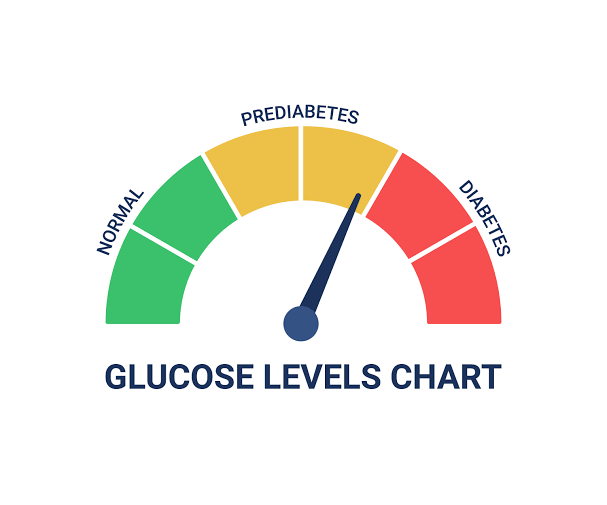

Prediabetes is more than just a slightly elevated blood sugar reading. It is an early warning that the body is beginning to have difficulty regulating glucose effectively. If lifestyle modifications are not made, prediabetes may worsen to type 2 Diabetes and raise the risk for cardiovascular and other chronic health issues.
The good news is that prediabetes doesn’t always lead to diabetes. Making changes to diet, getting more exercise, maintaining a healthy weight, getting a good night’s sleep, and other lifestyle changes that can be sustained over time can help control blood sugar levels and lower the risk of developing type 2 diabetes for many people.
If you are searching for how to reverse prediabetes, it is important to focus on proven, long-term habits rather than quick fixes. There is no single food, supplement, or exercise that can guarantee reversal. Instead, meaningful improvement usually comes from making several healthy changes and maintaining them consistently.
What Exactly Is Prediabetes?
Prediabetes is when blood glucose levels are above the normal range but not high enough to be diagnosed as type 2 diabetes. It is often caused by a condition called insulin resistance, which occurs when the body’s cells become less sensitive to insulin. Insulin facilitates the transport of glucose from the blood to the cell to be used for energy. The pancreas may begin to release more insulin to make up for the insulin resistance.
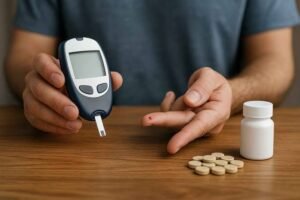
Blood sugar may start to go up over time. Prediabetes may not have any symptoms. Many people find they have it as part of routine blood tests. This is especially important if you have risk factors like excess weight, lack of physical activity, a family history of diabetes, or if you’ve been diagnosed with gestational diabetes.
Start With Your Eating Habits
One of the most crucial changes in lifestyle when you’re learning how to reverse prediabetes naturally is changing your diet. But it doesn’t have to be a very strict diet or a diet that eliminates carbohydrates altogether. Rather, pay attention to the quality of your food. Eat vegetables in large quantities, especially non-starchy vegetables like leafy greens, broccoli, cauliflower, peppers, cucumbers, tomatoes and green beans. These foods are relatively low in carbohydrates and are high in fiber and good sources of nutrients.
Eat more high fibre carbohydrate foods than refined carbohydrates like beans, lentils, oats, whole grains and whole fruit. Fiber slows down digestion and can aid in blood sugar control. Protein can also help to make meals more filling. A balanced diet can include fish, eggs, poultry, beans, plain yogurt, nuts and seeds. Moderate amounts of healthy fats like olive oil, avocado, nuts, and seeds may also be added.
Foods to Avoid
You don’t have to cut out your favorite foods, but some foods should be eaten less often. Limit sugary drinks, sweets, pastries, highly refined grains, and heavily processed snacks. These foods can contain a high amount of carbohydrates, added sugar, or calories and little nutritional value. Sugary drinks can be especially helpful to replace with water or other sugar-free drinks as liquid calories can be taken easily without being full.
Pay Attention to Portion Sizes
Foods that are healthy can become unhealthy if they are served too much. A practical strategy is to make vegetables the main component of meals and then serve a suitable portion of protein and a moderate amount of a high-fiber carbohydrate. Slowly chewing your food can also help.
The body does not know how full it is until after eating, so it might be easier to not overeat if you eat slowly. It is not necessary to count all calories or carbohydrates. For many, it might be more sustainable to understand portions and meal composition.
Make Exercise Part of Your Routine
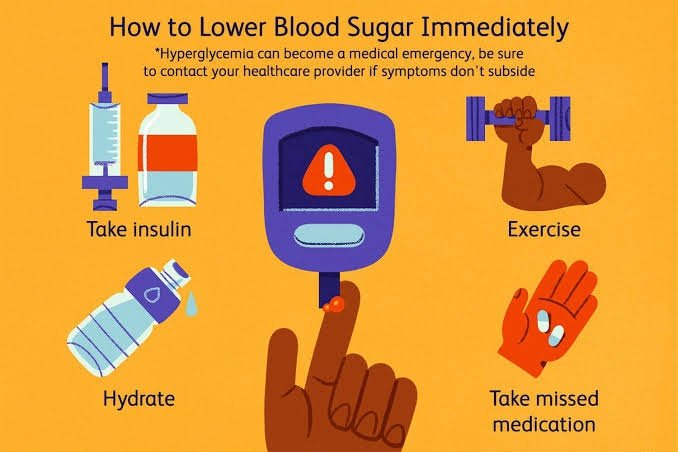
Exercise is one of the most powerful lifestyle factors to increase insulin sensitivity. During physical activity, glucose is consumed by the muscles for energy. Exercise can improve the body’s use of insulin and may lead to improved blood sugar control. If you are not active, walking is a great way to start.
Walking every day can be useful, inexpensive and convenient. As your fitness improves, you can gradually increase the duration or intensity. Moderate aerobic activities like cycling, swimming, dancing, or other activities can also benefit cardiovascular and metabolic health.
Don’t Forget Strength Training
Aerobic exercise is just one component. Strength training can also be beneficial since maintaining or building muscle mass can help glucose metabolism. Weights, resistance bands, machines or suitable body movements can be used for resistance exercises. Before beginning a new exercise program, consult a health care provider if you have not been active for a while, mobility problems, or a medical condition that affects your heart, joints, or balance.
Work Toward a Healthy Weight When Appropriate
Even a small weight loss can help enhance insulin sensitivity and blood sugar control for overweight individuals. The focus should be on weight management, rather than weight loss, though. Extreme diets can give short-term results, but can be hard to stick to.
A more practical approach is to make small changes to your food, cut back on extra calories from sugar-sweetened beverages and highly processed foods, build up your activity and develop a lifestyle that can last for a lifetime. Weight loss isn’t always necessary for prediabetes. Your health care provider can decide if weight loss is right for you, depending on your health and situation.
Improve Your Sleep
Another factor of metabolic health that’s frequently overlooked is sleep. Lack of sleep or poor sleep can make it more difficult to eat right, be active and maintain good health. A regular sleep pattern and a soothing bedtime routine can aid sleep. If you snore loudly, wake up gasping or choking, or feel very sleepy during the day, talk to a health care provider. These can be symptoms of sleep apnea, and may indicate a need for treatment, as sleep apnea can impact overall health.
Manage Stress in Healthy Ways
Many behaviors that are important for prediabetes management can be impacted by chronic stress. Stressed people tend to consume more processed foods, sleep less well and be less physically active. Stress management doesn’t mean removing all the stressful scenarios. Rather, look for ways to cope with stress more effectively. Walking, meditation, breathing exercises, hobbies, social interaction, time outdoors and other relaxing activities can be helpful. Select strategies that are realistic and can be incorporated into your daily life.
Monitor Your Blood Sugar and Health
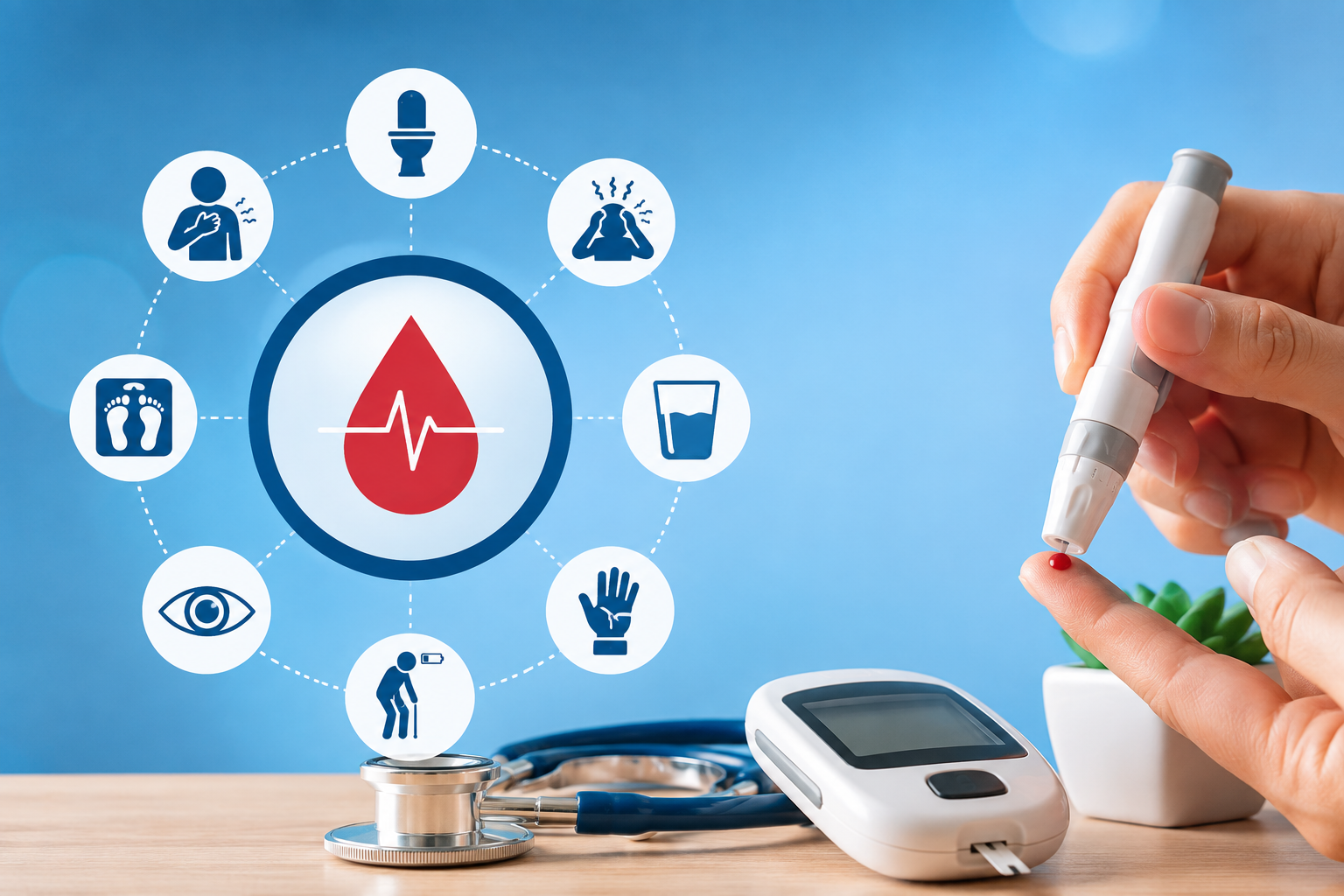
Prediabetes may not have any symptoms, and you can’t tell if your prediabetes is getting better by how you feel. Follow-up testing is thus important. Your health care provider may want to check your blood glucose or A1C levels periodically to see how you are doing.
Other health measurements such as blood pressure, cholesterol, weight and physical activity can also be beneficial to track. Your healthcare professional can help you decide if further action is needed if your blood sugar is still high after making lifestyle changes.
Can Prediabetes Really Be Reversed?
This is a personal question and can vary from person to person. For some people with prediabetes, it’s possible to get blood sugar levels back to normal by making long-term lifestyle changes. Others may still have prediabetes or go on to develop type 2 diabetes despite their best efforts.
Your risk can vary based on genetics, age, body composition, activity level, medications and other health conditions. “Reversing” prediabetes should not be considered a single event. Even when blood sugar levels are brought down to a healthy level, it’s important to maintain healthy habits and continue with the right medical monitoring.
Common Mistakes to Avoid
A frequent error is assuming that there’s one food or supplement that can “cure” prediabetes. Some foods can definitely fit into a healthy diet, but no single food can take the place of a healthy lifestyle. Another error is changing too many things simultaneously.
A drastic change in diet and exercise routine can be overwhelming and hard to maintain. Rather, begin with achievable changes. Sweeteners should be cut down, more vegetables should be served with meals, start walking and slowly increase. It is better to be consistent than perfect.
Frequently Asked Questions
Q1: What is the fastest way to reverse prediabetes naturally?
There is no quick fix. Over time, making diet, exercise, weight management (if needed), sleeping well, and other healthy lifestyle changes can help to control blood sugar levels.
Q2: Can walking reverse prediabetes?
Regular walking can help to increase physical activity, increase insulin sensitivity, and help control blood sugar. Aerobic exercise along with proper strength training can offer extra benefits.
Q3: Should I stop eating carbohydrates if I have prediabetes?
No. Carbohydrates can be part of a healthy diet. Eat foods that are rich in fiber, including vegetables, beans, whole grains and whole fruit, and avoid refined carbohydrates and added sugars..
Q4: How long does it take to improve prediabetes?
There is no set time frame. Over time, lifestyle changes can cause blood sugar to change, but it’s important to test your blood sugar to see if it’s improved.
Q5: Can supplements reverse prediabetes?
There is no supplement that should be considered a replacement for evidence-based lifestyle changes and appropriate medical care. Before taking any supplement, discuss it with your health care provider.
Final Takeaway
Learning how to reverse prediabetes starts with recognizing that the condition can be an opportunity to make meaningful changes before type 2 diabetes develops.
Focus on a healthy diet, exercise, healthy weight management (if applicable), sleep and managing stress. These changes are best if they are a permanent change, not a program. Most importantly, do not use symptoms to tell if your prediabetes is getting better.
Medical tests can tell if your blood sugar is on the right track. If you’ve been diagnosed with prediabetes, talk to your health care provider about your results and your goals. By following a proper strategy and making consistent efforts, you can make some positive steps towards better blood sugar levels and reduced risk of type 2 Diabetes.