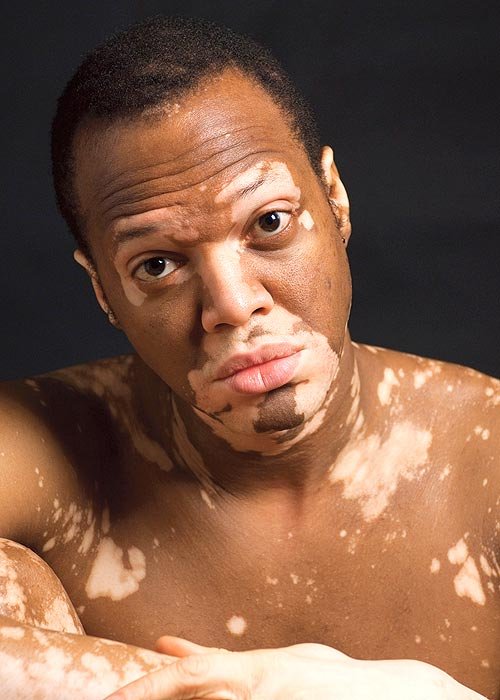

Living with vitiligo on your face means making a few small decisions every day: which sunscreen to wear, whether to use make-up, how to look after skin that has lost its natural protection, and how to handle comments from other people. Medical treatment is only one part of the picture. This guide focuses on day-to-day life with facial vitiligo in the UK, with practical skincare tips, a guide to the creams and products that can help, and advice on where to find support. Whether your facial vitiligo is new or long-standing, these everyday steps can make a real difference.
Quick answer: The most important daily habit is a broad-spectrum SPF 50 sunscreen on your whole face, every day. Use a gentle, fragrance-free cleanser and moisturiser, avoid rubbing or injuring the skin, and consider camouflage creams or self-tan if you want to even out your skin tone. Some camouflage products can be prescribed on the NHS. Look after your emotional wellbeing too, and remember that many people choose to embrace their vitiligo rather than hide it.
How Vitiligo Changes the Way Your Skin Behaves
In vitiligo, patches of skin lose their melanocytes, the cells that make the brown pigment melanin. Melanin is the skin’s natural sunscreen, so pale patches:
Not sure what to eat? Get a nutrition chart made just for you by a UK doctor.
Get My Custom Chart →- burn much more easily in the sun, even in the UK
- look more obvious when the surrounding skin tans in summer
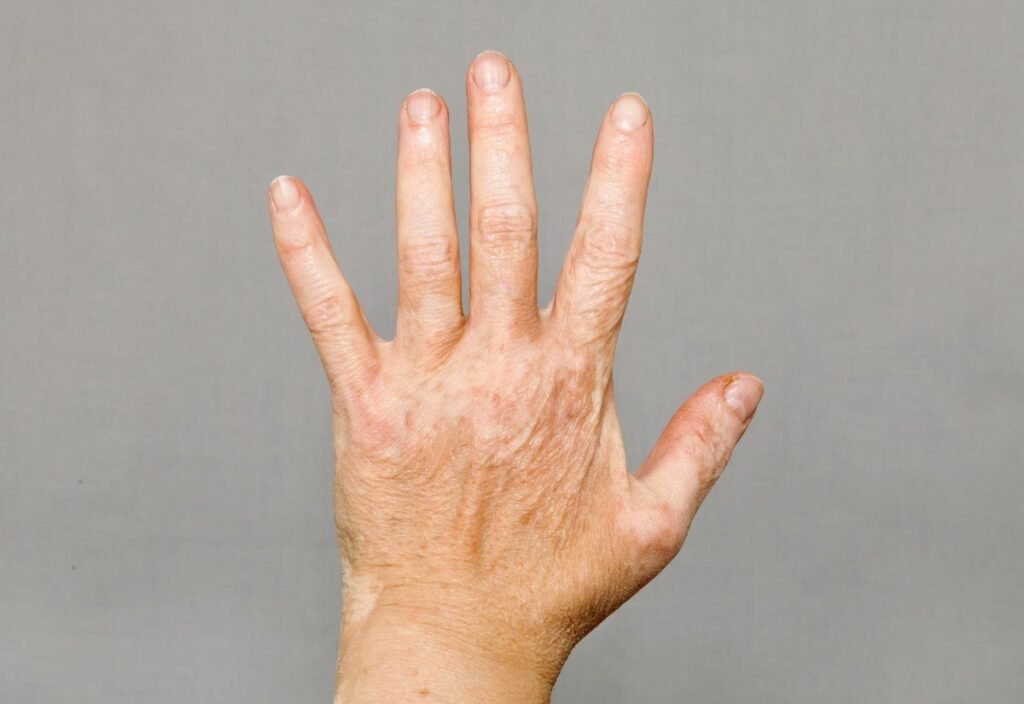
- may react to injury, such as cuts, burns, scratches or friction, by developing new patches. Doctors call this the Koebner response
Apart from colour, the skin in a vitiligo patch usually feels completely normal. It is not dry, itchy or contagious. If patches are itchy, scaly or sore, see your GP, as this suggests a different skin problem such as eczema. Our guide to eczema and psoriasis explains these conditions.
A Simple Daily Skincare Routine for Facial Vitiligo
You do not need an expensive or complicated routine. In fact, fewer products usually means less irritation. Here is a simple routine that suits most people.
Morning
- Cleanse gently with lukewarm water and a mild, fragrance-free cleanser. Pat your skin dry rather than rubbing.
- Apply any prescribed treatment, such as tacrolimus ointment or ruxolitinib cream, exactly as your doctor advised.
- Moisturise with a light, fragrance-free moisturiser if your skin feels dry.
- Apply SPF 50 sunscreen as the last skincare step, before any make-up.
Evening
- Remove make-up and sunscreen gently. A cream or oil cleanser can lift camouflage products without scrubbing.
- Apply evening treatment, if prescribed.
- Moisturise.
For more on building a gentle routine, see our simple skincare routine guide. If you also have acne, choose your products carefully, as some acne ingredients can irritate vitiligo patches.
Choosing the Right Sunscreen
The NHS advises people with vitiligo to protect their skin from the sun, use a sunscreen with at least SPF 50, especially if they have fair skin, and avoid sunbeds. This matters all year round, not just on holiday. UV light reaches your skin on cloudy days, and UVA can pass through windows.
What to look for on a UK sunscreen label
- SPF 50 or 50+. SPF measures protection against UVB, the main cause of sunburn.
- A high UVA rating. In the UK, look for a UVA star rating of at least 4 stars, or the letters “UVA” in a circle, which shows the product meets the European standard.
- “Broad spectrum”, meaning it protects against both UVA and UVB.
- Fragrance-free and suitable for sensitive skin.
- A texture you enjoy, because you will only protect your skin if you are happy to wear it every day.
Mineral or chemical sunscreen?
Mineral sunscreens use zinc oxide or titanium dioxide. They are often better tolerated by sensitive skin, but some leave a white cast, which can make vitiligo patches look more obvious on darker skin. Tinted mineral sunscreens can help. Chemical sunscreens absorb UV light and are usually invisible on the skin. Both types protect well if you use enough.
How to apply it properly
- Use about half a teaspoon for your face and neck. Most people use too little.
- Apply it 15 to 30 minutes before going outside.
- Reapply every two hours outdoors, and after swimming, sweating or towel-drying.
- Do not forget your ears, eyelids, hairline and the back of your neck.
- Use a lip balm with SPF if vitiligo affects your lips.
- Add a wide-brimmed hat and UV-protective sunglasses on sunny days.
Vitamin D When You Avoid the Sun
Careful sun protection is right for vitiligo, but it can mean your body makes less vitamin D. The NHS suggests that people with vitiligo who limit their sun exposure consider a daily vitamin D supplement of 10 micrograms. Our guide to vitamin D in winter explains UK advice, food sources and who is most at risk of low levels.
Protecting Your Skin From Injury
Because injury can trigger new patches in some people, it makes sense to be gentle with your skin:
- Avoid harsh scrubs, exfoliating brushes and strong peels on your face.
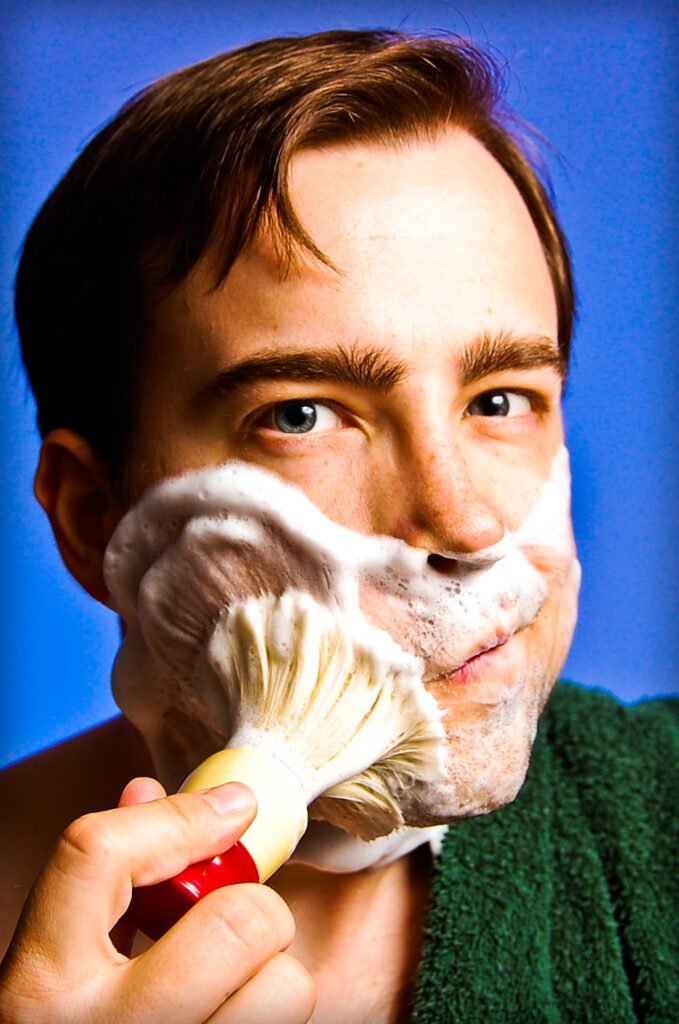
- Shave carefully. Use a sharp razor, shaving gel and short strokes, or consider an electric shaver to reduce nicks.
- Think twice about waxing, threading and laser hair removal on areas prone to vitiligo, and do a small test first.
- Watch for friction from tight glasses, face masks, helmet straps or headphones, and adjust them if they rub.
- Consider tattoos and permanent make-up carefully. Some people develop new patches at the tattoo site. Speak to a dermatologist first.
- Treat cuts and burns promptly and protect healing skin from the sun.
Cream Guide: Products That Can Help
The word “cream” covers several very different types of product for vitiligo. Here is a quick guide.
1. Treatment creams (prescription)
These aim to bring colour back, and need a GP or dermatologist:
- Topical steroids, used carefully and for limited periods on the face.
- Tacrolimus ointment or pimecrolimus cream, often preferred for the face and eyelids because they do not thin the skin.
- Ruxolitinib cream (Opzelura), the first licensed vitiligo treatment, recommended by NICE in 2026 for non-segmental vitiligo on the face in people aged 12 and over when first-line creams have not worked.
2. Camouflage creams
Camouflage creams are highly pigmented, waterproof products designed to cover scars, birthmarks and skin conditions. Unlike ordinary foundation, they can be matched closely to your skin tone and are long-lasting. The NHS says they can last up to 12 to 18 hours on the face.
Some camouflage products, including ranges from Dermacolor, Covermark, Keromask and Veil, are listed by the Advisory Committee on Borderline Substances (ACBS). This means a GP can prescribe them for disfiguring skin conditions such as vitiligo. However, local NHS policies differ and some areas do not routinely fund them, so ask your GP or pharmacist what is available where you live.
The charity Changing Faces runs a free Skin Camouflage Service, where trained practitioners match products to your skin and teach you how to apply them. The locations it covers have changed over time, so check the Changing Faces website for current availability in your part of the UK.
3. Self-tanning products
Self-tan lotions, gels and sprays contain an ingredient called dihydroxyacetone (DHA), which reacts with the top layer of skin to create a brown colour. They can reduce the contrast between pale patches and surrounding skin, particularly for people with lighter skin. The colour usually lasts a few days. Self-tan does not protect against the sun, so you still need sunscreen.
4. Everyday moisturisers
A plain, fragrance-free moisturiser helps keep the skin barrier healthy, which matters if you are using treatment creams that can cause dryness or stinging.
Products to avoid
- Skin-lightening or bleaching creams sold online or in some shops. Products containing hydroquinone, mercury or strong steroids are illegal in UK cosmetics and can seriously damage the skin. Depigmentation for very widespread vitiligo is a medical treatment that should only be done under a dermatologist.
- Unproven “cure” creams and supplements. There is no cream that cures vitiligo. Be wary of products making big claims.
- Heavily fragranced products, which are more likely to irritate.
How to Apply Camouflage Make-Up
- Start with clean, moisturised skin and sunscreen. Let them absorb for a few minutes.
- Warm the product on the back of your hand so it spreads more easily.
- Apply a thin layer to the pale patch using a fingertip or small brush, pressing and patting rather than wiping.
- Blend the edges carefully into the surrounding skin.
- Build up in thin layers if you need more coverage.
- Set with a fixing powder, pressing it on and leaving it for a few minutes before brushing off the excess. This helps it last and makes it water-resistant.
- Remove gently at night with a cleansing cream or oil.
It takes practice to get a natural finish, so give yourself time. Your skin tone may also change between summer and winter, so you might need two shades.
White Eyebrows, Eyelashes and Facial Hair
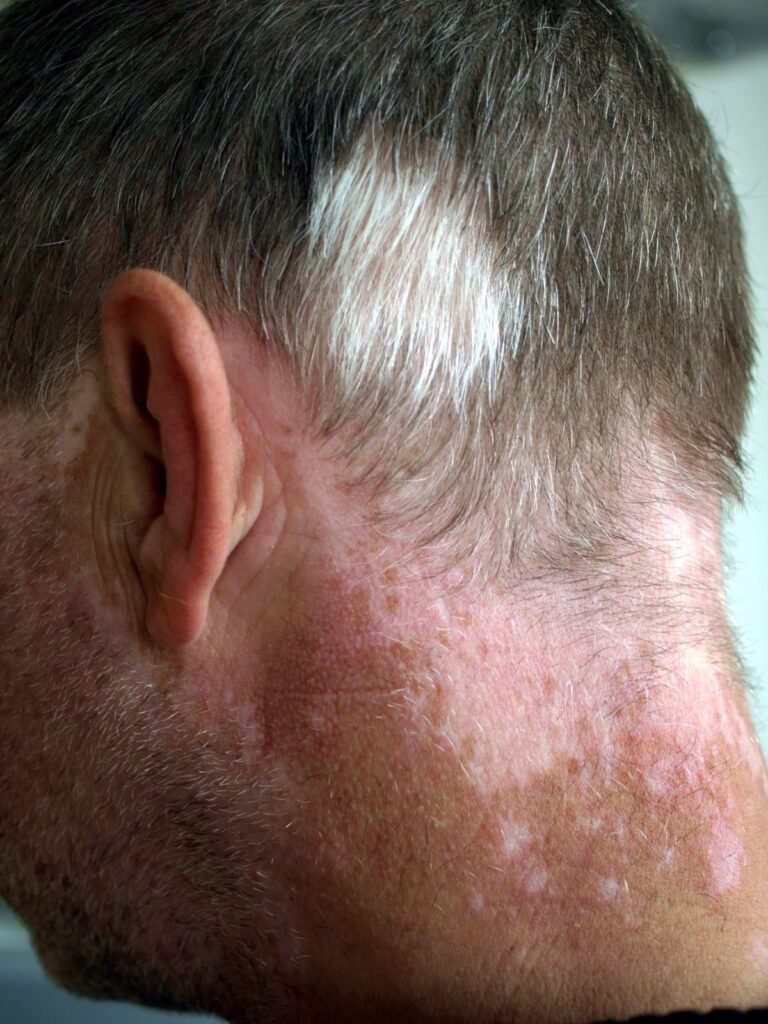
Vitiligo can turn the hair in affected areas white, a change called poliosis. This is common in the eyebrows, eyelashes and beard. Options include brow pencils or powders, brow tinting, mascara and beard dyes. Always do a patch test 48 hours before using a hair dye, and never use hair dye on eyelashes or eyebrows unless the product is specifically made for that purpose, because of the risk to your eyes.
Looking After Your Emotional Wellbeing
Vitiligo on the face is visible to everyone, and many people say the emotional impact is harder than the physical one. Unwanted stares, questions and comments can be tiring. Feeling self-conscious, anxious or low is common, and it is not a sign of weakness.
Things that can help
- Prepare a short answer for questions, such as “It’s vitiligo, a skin condition. It’s not contagious.” Having words ready can make conversations easier.
- Connect with others. UK charities such as The Vitiligo Society, Vitiligo Support UK and Changing Faces offer information, community and peer support.
- Talk to your GP if your mood is low or you are avoiding situations. Talking therapies, such as cognitive behavioural therapy (CBT), can help with appearance-related anxiety.
- Follow people who celebrate visible difference on social media. Many people with vitiligo choose not to cover their skin and share their stories openly.
If you think you may have depression or an anxiety disorder, our guides to depression symptoms and treatment and anxiety disorders explain the signs and the support available.
Vitiligo at Work and School
You do not have to tell your employer or school about your vitiligo. However, it can help if you need time off for hospital appointments, such as light therapy sessions two or three times a week. Under the Equality Act 2010, a severe disfigurement can be treated as a disability, which means you are protected from discrimination and may be entitled to reasonable adjustments. Whether this applies depends on your individual situation. Organisations such as ACAS and Changing Faces can give advice if you feel you have been treated unfairly.
Keeping an Eye on Your General Health
People with vitiligo have a higher chance of some other autoimmune conditions, particularly thyroid disease. See your GP if you notice symptoms such as tiredness, weight changes, feeling unusually cold or hot, or a racing heart. Our guide to thyroid disorder symptoms and treatment has more detail.
When to See a GP or Dermatologist
- You have new patches and do not know the cause.
- Patches on your face are spreading quickly.
- You would like to try treatment to restore colour.
- You want advice on camouflage products or a prescription.
- Vitiligo is affecting your mood, sleep, work or relationships.
Related reading: you may also find our guide to UK treatment options for vitiligo on the face helpful.
Frequently Asked Questions
Can I wear normal make-up with vitiligo?
Yes. Ordinary foundation and concealer can work well for small patches. Camouflage creams give heavier, longer-lasting coverage for larger or more noticeable areas.
Do I need sunscreen in the UK winter?
UV levels are much lower in the UK in winter, but it is still a good habit to use a daily SPF on your face, particularly on bright days, in snow or when travelling somewhere sunnier.
Will a tan make my vitiligo less noticeable?
No, usually the opposite. A suntan darkens the surrounding skin but not the pale patches, so the contrast becomes stronger. Sunburn may also trigger new patches. Self-tan is a safer way to reduce contrast.
Is vitiligo contagious?
No. Vitiligo cannot be passed from person to person by touch or any other contact.
The Bottom Line
Facial vitiligo does not have to dictate how you live. Living well with facial vitiligo starts with simple, consistent habits: daily SPF 50, gentle fragrance-free skincare and protecting your skin from injury. Camouflage creams, self-tan and make-up are there if you want them, and some camouflage products can be prescribed on the NHS. Treatment creams can restore colour for some people, but whether you treat, cover or embrace your vitiligo is entirely your choice. Support from your GP, charities and other people with vitiligo can make a real difference.
Medical disclaimer: This article is for general information only and does not replace advice from your GP, dermatologist or pharmacist. Always speak to a qualified healthcare professional before starting a new treatment or product.
References
- NHS. Vitiligo: Treatment.
- NHS. Sunscreen and sun safety.
- British Association of Dermatologists. Vitiligo patient information.
- Changing Faces. Skin camouflage products and prescriptions.
- National Institute for Health and Care Excellence (NICE). Ruxolitinib cream for treating non-segmental vitiligo in people 12 years and over (TA1140).
- Eleftheriadou V, et al. British Association of Dermatologists guidelines for the management of people with vitiligo 2021. British Journal of Dermatology. 2022.
- GOV.UK. Definition of disability under the Equality Act 2010.
Not sure what to eat? Get a nutrition chart made just for you by a UK doctor.
Get My Custom Chart →