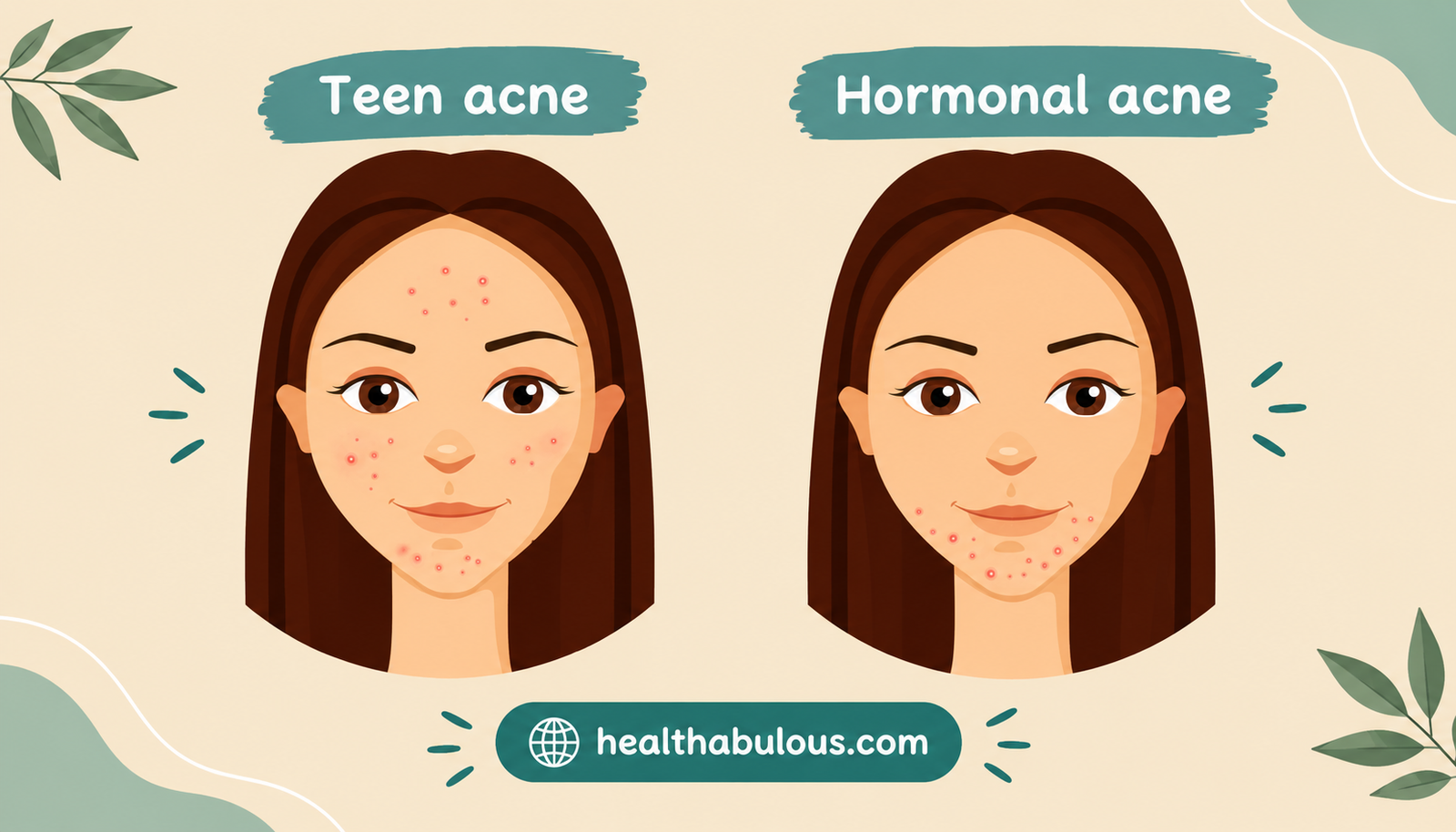

Pregnancy can change your skin unexpectedly. You might develop spots after years of clear skin, or find that a familiar acne routine needs adjusting. Treatment is still possible, but some medicines must be avoided and others need an individual assessment.
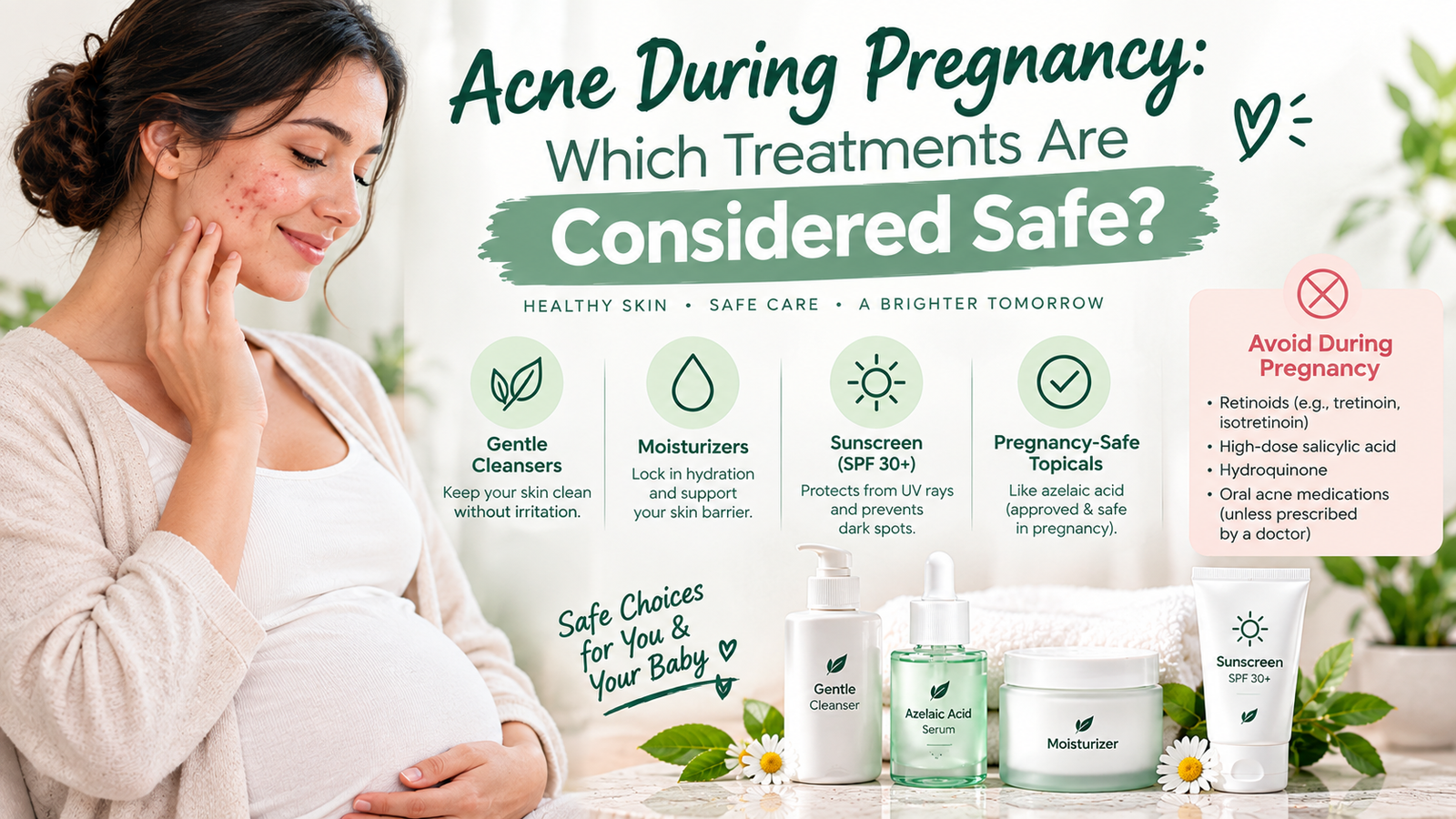
If you are looking for pregnancy safe acne treatment in the UK, start by checking the exact ingredients with a pharmacist or GP. Benzoyl peroxide can usually be used after checking suitability; azelaic acid is another option to discuss. Prescription retinoids must not be used during pregnancy or when planning pregnancy.[1,2,3]
This guide explains the differences, practical skincare steps and when to seek help. It supports a conversation with your healthcare team rather than choosing a prescription for you.
Why Can Acne Change During Pregnancy?
Acne develops when hair follicles become blocked with oil and dead skin cells. Bacteria and inflammation contribute to swollen, tender spots. Pregnancy can trigger acne through hormonal changes, particularly during the first three months, although experiences vary.[4]
You may notice blackheads, whiteheads or inflamed spots on your face, chest or back. Acne does not mean you are dirty, and repeated scrubbing will not remove the underlying cause. Some people improve during pregnancy, while others need treatment. Your previous pattern does not reliably predict how your skin will behave throughout pregnancy.
A changing rash is not always acne. If the main problem is intense itching, blistering or a sudden widespread eruption, ask your maternity team or GP for an assessment instead of adding stronger spot treatments.
What Does “Considered Safe” Actually Mean?
Pregnancy advice rarely means that a medicine has been proved completely risk-free. Clinicians consider available human experience, animal research, how much medicine reaches the bloodstream, and the consequences of leaving the condition untreated.
The formulation matters too. A cream applied sparingly to a small area is a different exposure from tablets. However, being applied to the skin does not automatically make a medicine suitable. Combination gels may contain an ingredient that changes the advice entirely.[2,5]
Bring the packaging or a clear photograph of the ingredient list to your appointment. Mention how many weeks pregnant you are, where you apply the product, other medicines and any allergies. This makes the discussion more useful than asking whether a brand is generally “pregnancy friendly”.
Treatments to Avoid or Review Promptly
Oral Isotretinoin
Isotretinoin capsules must not be taken during pregnancy because they can seriously harm a developing baby. They are managed through specialist prescribing and a Pregnancy Prevention Programme for people who could become pregnant.[6]
If pregnancy is possible while taking isotretinoin, stop taking it and contact your prescribing specialist immediately. Do the same if you become pregnant within one month after stopping. Do not wait for a routine antenatal appointment. Your team can arrange pregnancy assessment and specialist counselling about the actual exposure.
Topical Retinoids and Cosmetic Retinol
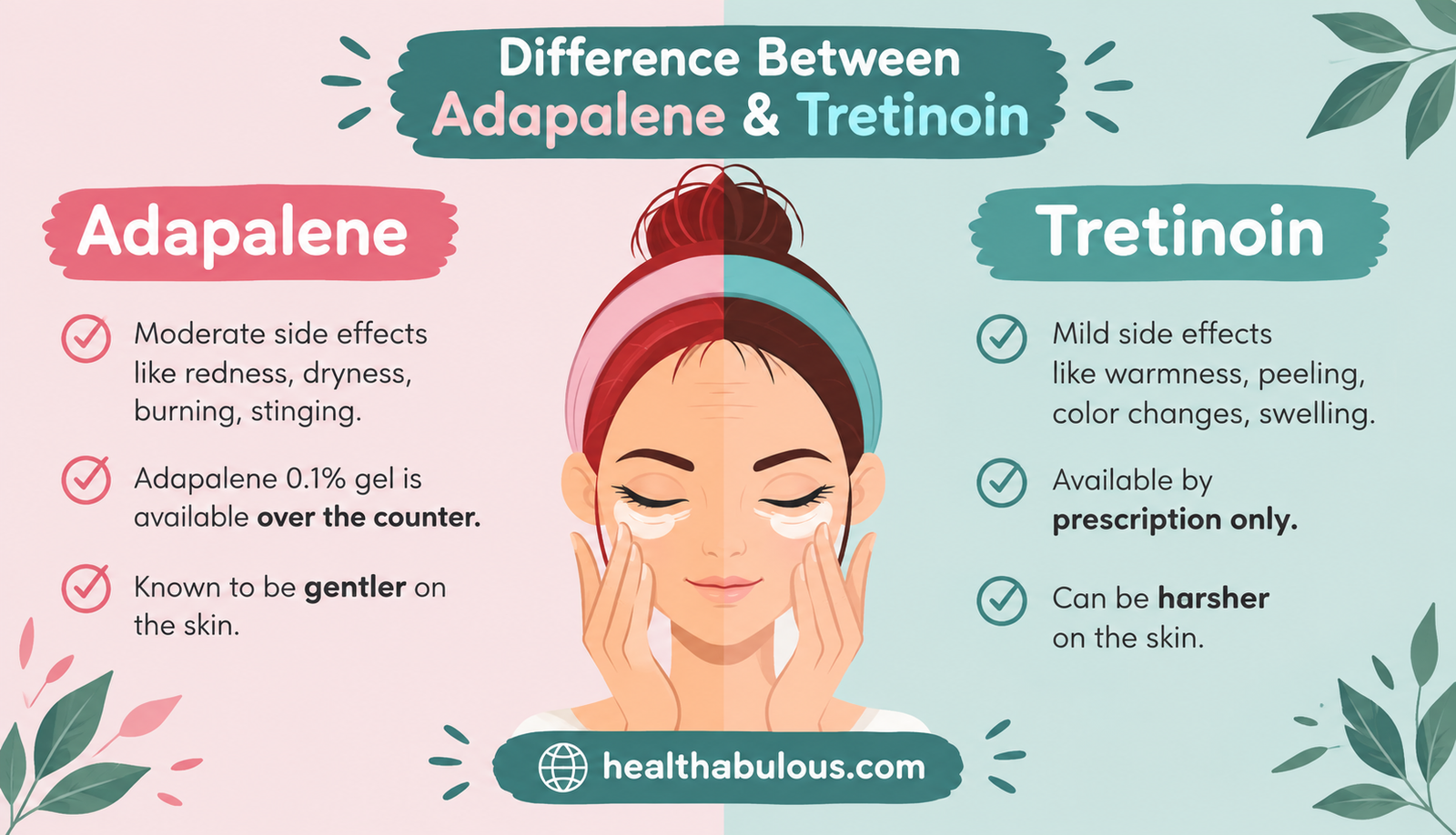
Prescription retinoids applied to the skin, including adapalene and tretinoin, are contraindicated during pregnancy and when planning pregnancy. The MHRA describes this as a precaution: absorption is generally low, but a risk cannot be excluded.[2]
Check combination products carefully. Treclin contains tretinoin alongside clindamycin, while Epiduo contains adapalene alongside benzoyl peroxide. An otherwise usable ingredient does not make the whole combination suitable.[5,7]
Avoid cosmetic retinol and related vitamin A skincare while pregnant as a precaution, and ask a pharmacist to check unfamiliar ingredient names.[12] If you have already used a product, the next steps depend on what it contains; see the accidental exposure section below.
Spironolactone and Oral Antibiotics
Spironolactone is sometimes prescribed off licence for acne in women, but should be avoided in pregnancy. Its effects on androgen hormones raise concerns about development of a male baby. If you discover a pregnancy while taking it for acne, stop and contact your prescriber promptly.[8]
Oral tetracycline antibiotics, including doxycycline and lymecycline, are contraindicated for acne during pregnancy and when planning pregnancy. Ask your GP to review an existing course promptly. Other antibiotics may sometimes be considered, but selection depends on your circumstances and requires prescribing advice.[9]
Options to Discuss With Your GP or Pharmacist
Benzoyl Peroxide
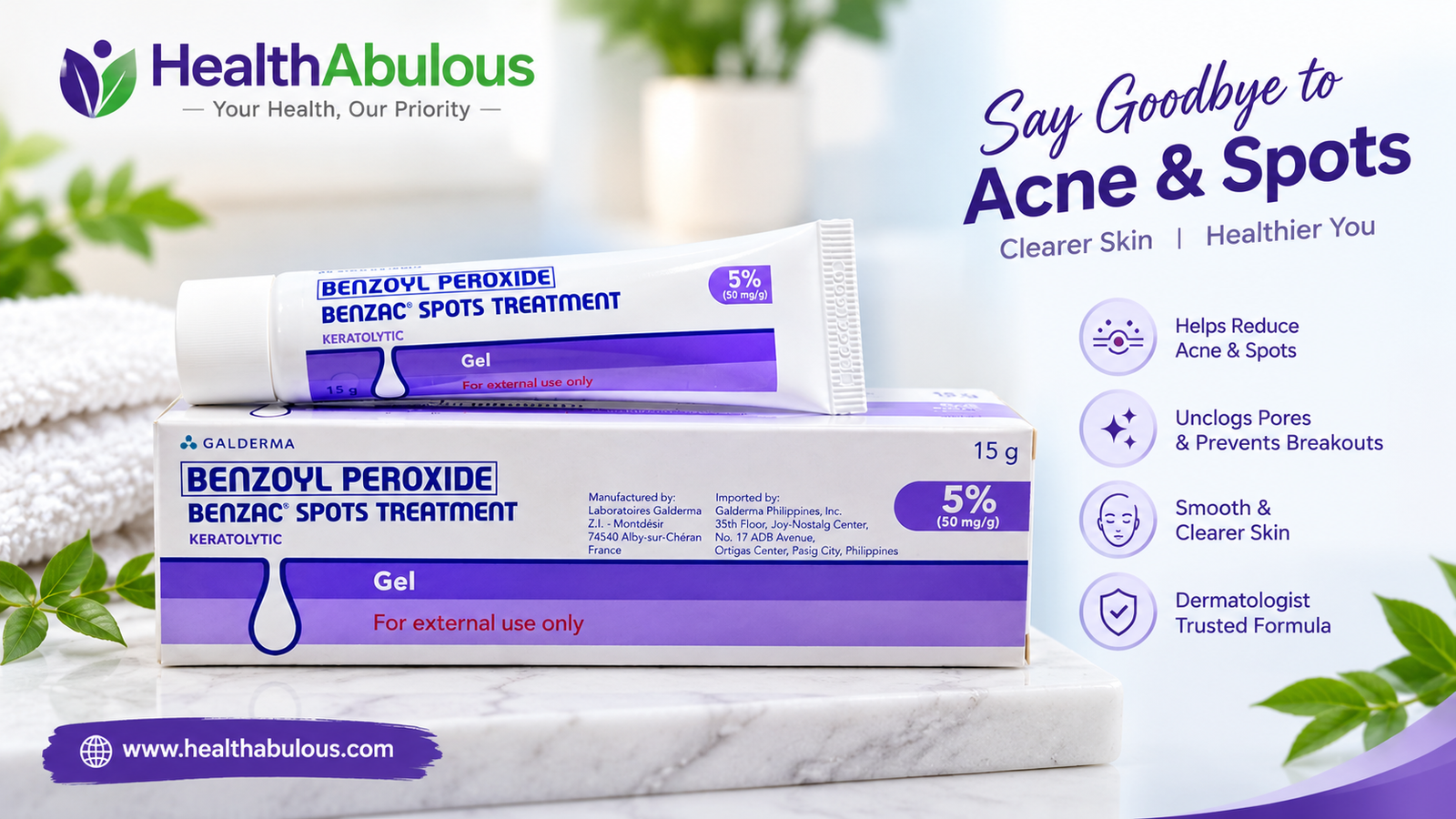
Benzoyl peroxide reduces acne-associated bacteria and helps with spots and blocked pores. The NHS says it can usually be used during pregnancy, but recommends checking first. It is available in different formulations, including leave-on gels and washes.[1]
Ask which strength and application schedule suit your skin. Follow that product’s leaflet: a wash is rinsed away, whereas a leave-on gel stays on. Using extra does not speed improvement and may increase irritation.
Dryness, peeling and stinging can occur. Ask for advice if these persist, and remember that benzoyl peroxide can bleach towels, bedding and hair. Check before combining it with another acne medicine.
Azelaic Acid
Azelaic acid helps address acne through effects on bacteria and abnormal shedding of skin cells within follicles. It may be considered when another treatment is unsuitable or poorly tolerated.[3]
Pregnancy advice needs careful wording. The American Academy of Dermatology considers azelaic acid a potential option, but the UK Skinoren prescribing information states that adequate controlled studies in pregnant women are unavailable and advises caution.[3,10]
This does not mean it is automatically prohibited. It means a clinician should assess whether the expected benefit justifies using it. Ask about the exact product, concentration and frequency rather than assuming every azelaic acid serum is equivalent.
Stinging, itching and irritation are possible. Avoid eyes and mucous membranes, wash your hands after application, and contact your prescriber if irritation is troublesome.
Prescription Antibiotic Treatments
A clinician may consider a topical antibiotic such as clindamycin for inflammatory acne after reviewing pregnancy suitability. Check every ingredient because some antibiotic gels also contain a retinoid.[5,10]
Antibiotics should not become an indefinite standalone skincare step. NICE advises against treating acne with a topical antibiotic alone or an oral antibiotic alone because of concerns including antibiotic resistance. Your prescriber will select an appropriate accompanying treatment and review progress.[9]
For painful, extensive acne, ask about specialist advice rather than repeatedly buying additional products. Pregnancy changes the available choices, but does not mean severe acne should simply be left untreated.
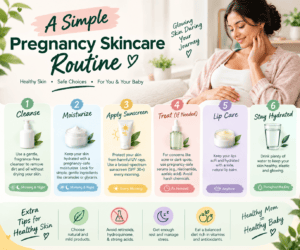
A Simple Pregnancy Skincare Routine
Keep the routine manageable. A consistent plan is easier to assess than several new serums introduced together. Write down the agreed steps so you know which product treats acne and which supports comfort.
In the Morning
Wash gently with a mild cleanser and lukewarm water. Use your fingertips rather than abrasive brushes. Apply a moisturiser that suits your skin, then sunscreen when you will be exposed to daylight. Products labelled non-comedogenic are designed to be less likely to block pores.[4]
Add a prescribed morning treatment only as directed. You do not need to fill every step with an active ingredient. If your face feels sore after washing, discuss simplifying the routine.
In the Evening
Remove make-up and cleanse gently. Apply the agreed acne treatment according to its instructions, then use moisturiser as advised. Avoid picking or squeezing: this can worsen inflammation and increase the chance of scarring.[4]
Keep a brief weekly record of new spots, discomfort and products used. Photographs in similar lighting can help you explain changes at review. Record missed applications without blaming yourself; your clinician needs an accurate picture to adjust the plan.
Avoid replacing prescribed treatment with homemade acid mixtures, essential oils or products marketed as “natural” without checking their ingredients. Such labels do not establish pregnancy suitability. A short ingredient list is useful for checking a product, but it is not proof of safety.
Before buying anything, make a list of products already in your bathroom, including cleansers, spot gels and anti-ageing creams. Take this list to the pharmacy. Ask whether any ingredients overlap and which products you can leave out. Keep the agreed routine somewhere visible, especially if nausea or tiredness makes remembering instructions difficult. A workable routine should fit your day and leave you clear about when to ask for help.

What About Breastfeeding?
Arrange another medicine review after delivery. Pregnancy and breastfeeding involve different exposure pathways, so advice may change. Tell your clinician whether your baby was premature or has medical problems.
The NHS recommends checking before using benzoyl peroxide while breastfeeding and avoiding application to the breasts. Skinoren information advises caution and says infants must not contact treated skin or the breast.[1,3]
Retinoids need product-specific advice. The UK Differin gel information permits use during breastfeeding while avoiding application to the chest. Treclin, however, should not be used during breastfeeding. Oral isotretinoin is also unsuitable.[5,6,11]
Do not restart an old prescription simply because pregnancy has ended. Agree where to apply treatment and how to prevent your baby’s skin or mouth contacting it. Wash your hands afterwards and keep medicines out of reach.
Already Used a Retinoid Before Knowing You Were Pregnant?
Stop the retinoid and contact your GP, midwife or prescriber. Give the product name, strength, dates, amount used and areas treated. Mention broken skin or unusually heavy use because these details may affect assessment.
Accidental topical exposure is different from taking isotretinoin capsules. BUMPS explains that most reported pregnancies following topical retinoid use have been unaffected. Its patient guidance says extra monitoring for major birth defects is not generally required after topical exposure, beyond routine antenatal care.[7]
Your clinician should still assess your circumstances. Avoid assuming either that harm has occurred or that no discussion is needed. Oral isotretinoin exposure requires immediate specialist contact, as explained above.
When Should You Seek Help?
Book a GP appointment for deep painful lumps, developing scars, persistent dark marks or acne affecting your confidence and daily life. Mention distress even if the number of spots seems small. Treatment decisions should account for how you feel as well as visible severity.[9]
Seek earlier advice if a treatment causes significant irritation or your acne worsens. Agree a review date when treatment starts instead of continuing unsuccessful products indefinitely.
Rapidly spreading swelling, severe pain or fever needs urgent medical assessment. If a product causes difficulty breathing or swelling of your tongue or throat, call 999 because these can indicate a serious allergic reaction.[1]
Frequently Asked Questions
Can I Use Salicylic Acid?
Limited topical use may be considered, but ask a pharmacist or clinician about the concentration, area and duration. Do not assume that advice for a facial product also covers concentrated peels or extensive application.[10]
Will Acne Disappear After Birth?
It may improve, persist or change again. Arrange follow-up if it remains troublesome rather than expecting a guaranteed timeline. Breastfeeding plans should be included when choosing your next treatment.
What Should I Ask at My Appointment?
Ask which exact product to use, how much to apply, what irritation is acceptable and when to return. Request a written plan if the instructions feel complicated. You deserve advice that is practical, understandable and tailored to your pregnancy.