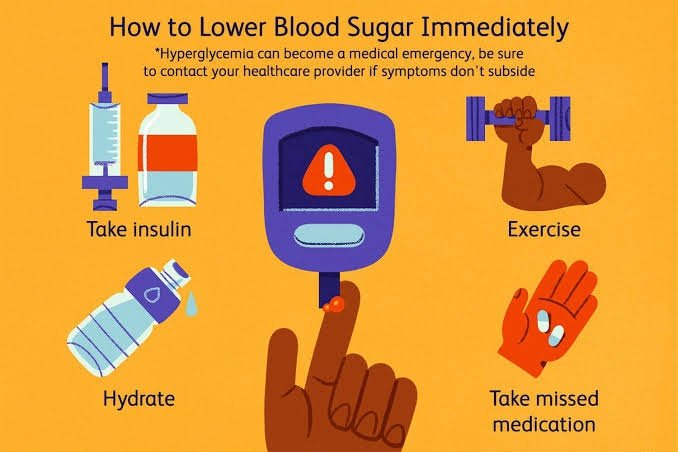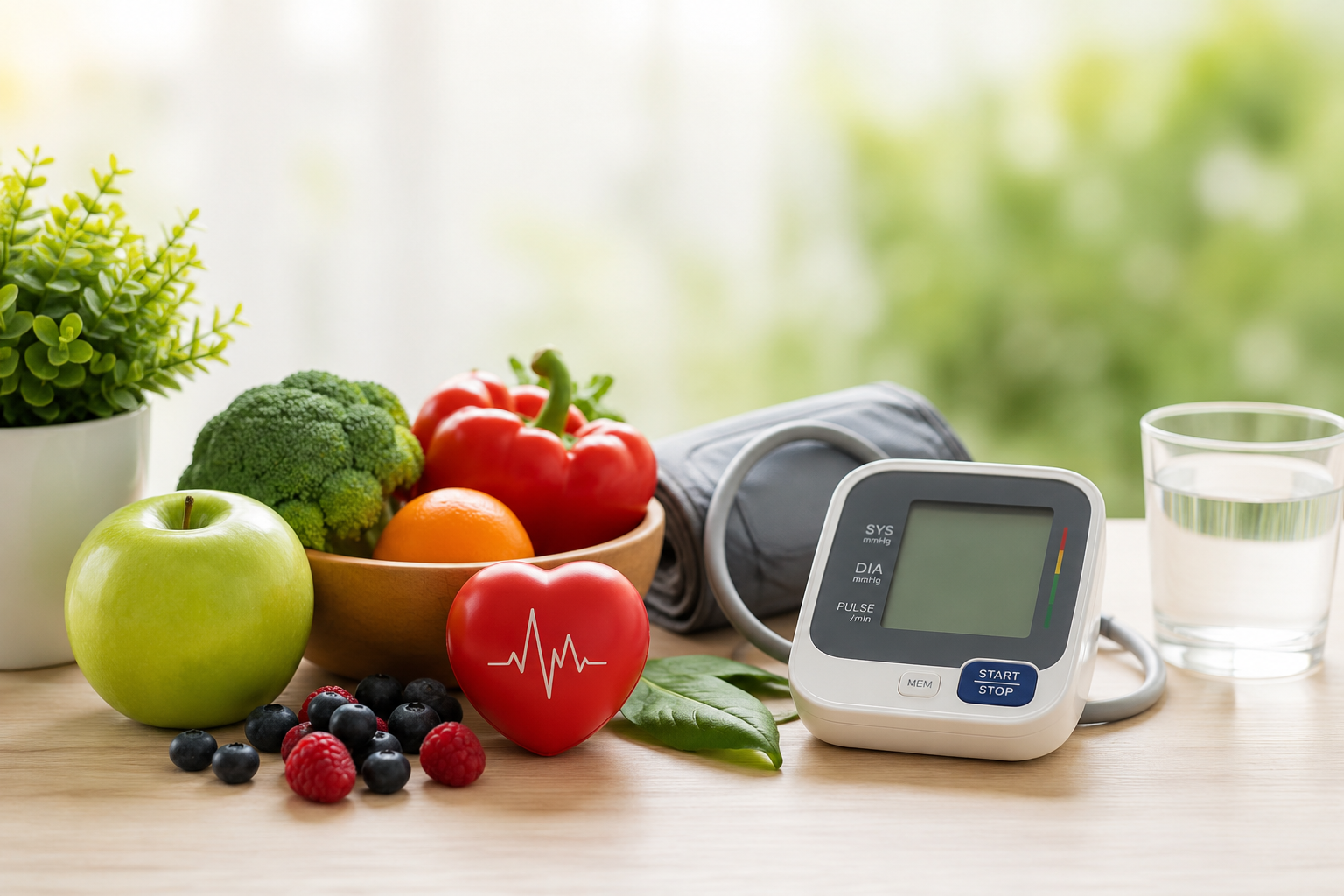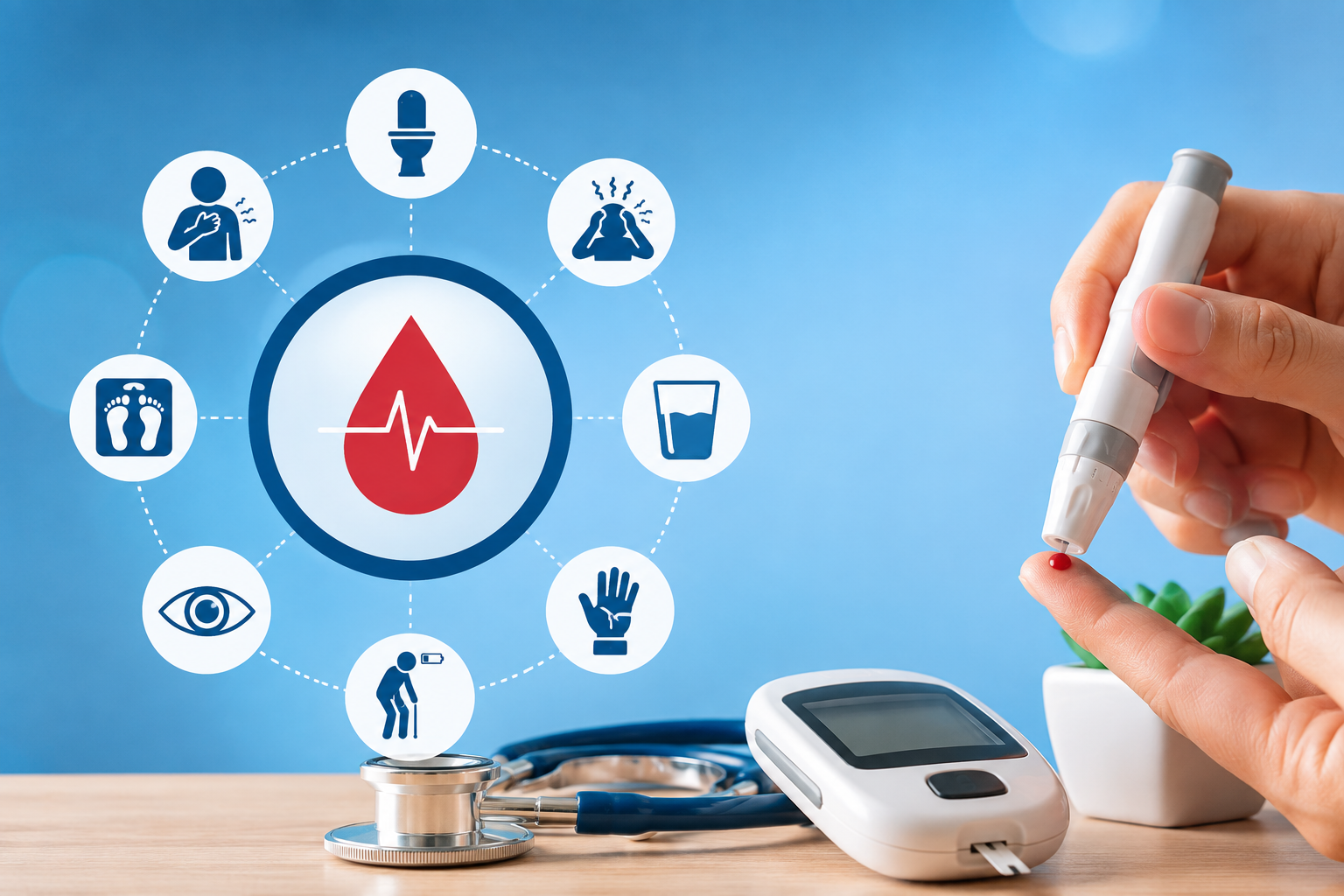

Lower Blood Sugar Naturally with Diabetes-Friendly Foods, Balanced Meals, and Healthy Lifestyle Tips.
Maintaining a healthy blood sugar level is a vital component to the prevention and management of diabetes. After eating, blood glucose levels rise, but high blood glucose levels can lead to problems in the heart, kidneys, eyes, nerves and blood vessels. The best way to reduce blood sugar naturally is not just one food, drink or supplement. There are several habits that are interconnected and that are important for blood sugar management: Diet, exercise, sleep, and adherence to treatment.
For people with prediabetes or type 2 Diabetes, these lifestyle changes can complement medical care and may help improve glucose control over time.
-
Build Meals around Fiber-Rich Foods
Carbohydrate quality is important. Eat foods that are high in fiber and nutrients, rather than heavily processed and sweet foods or refined grains. Vegetables, beans, lentils, whole grains, nuts, seeds are good options. Fiber slows down digestion and the absorption of carbohydrates, which helps to decrease quick rises in blood sugar after eating. Fill up half of your plate with non-starchy vegetables like leafy greens, broccoli, peppers, cucumbers and tomatoes.
-
Choose Carbohydrates Carefully
Diabetes and prediabetes doesn’t mean you have to cut out all carbohydrates. Rather, focus on the type and amount of carbohydrates in your diet. Most whole grains, beans, lentils and whole fruits are richer in fiber and nutrients than highly refined carbohydrate sources. Carbohydrates can also be paired with protein, fiber or healthy fats to make meals more balanced and satisfying. Sugary cereals, pastries, white bread, sweets and sugar-sweetened drinks are best restricted.
-
Get Regular Physical Activity
One of the best ways to help maintain healthy blood sugar levels is exercise. Glucose is used for energy by the muscles when they are active. Exercise also can increase insulin sensitivity, meaning that your body can utilize the glucose better. Walking is a low cost activity for many. Cycling, swimming, dancing and resistance training are other activities that can help improve metabolic health. If you are sedentary, start slowly and don’t try an intensive exercise program right away.
-
Add Strength Training
Strength training is important, in addition to walking and other aerobic exercises. Glucose metabolism is important for muscle tissue. As you age, it’s important to preserve muscle mass, as this can happen naturally. Strength Training can be done with resistance bands, weights, machines or with appropriate body-weight exercises. If you have any health conditions, mobility issues or have not exercised for a while, consult your healthcare professional to find out what exercises are suitable for you.
-
Stay Hydrated
Water is important for normal body functions and can help prevent the need to replace fluids with sugared drinks. Sugar-sweetened drinks, such as soft drinks, sweetened teas, energy drinks, and other sugar-sweetened beverages can contribute a lot of sugar to your diet, but little nutritional value. Water is a good fluid to drink. Depending on your personal situation, unsweetened tea or coffee can also be part of a healthy eating plan. If you have a medical condition that needs fluid restriction, adhere to your health care professional’s advice.
-
Get Enough Quality Sleep
A key component of metabolic health is sleep. Difficulty sleeping may make it harder to eat healthy, be physically active, and control blood sugar. Try to go to bed and get up at the same time every day, and develop routines that promote good sleep. If you wake up tired, snore or have periods of not breathing while sleeping, consult a health care provider. Sleep apnea and other sleep disorders can impact metabolic and cardiovascular health.
-
Manage Stress
Stress may affect blood sugar control in a number of ways. It can impact hormones, appetite, sleep and healthy habits. You don’t have to eliminate stress altogether. Rather, find practical solutions to deal with it. Some people find walking, meditation, breathing exercises, reading, hobbies, socialization, and time outside the house can help them deal with everyday stress. The best approach is the one that you can actually do.
-
Maintain a Healthy Weight
Even modest weight loss can help to improve insulin sensitivity and blood sugar control if you are overweight. But don’t engage in extreme diets or quick weight loss plans that are hard to stick to. Long-term sustainable changes are more helpful. Cutting back on sugary beverages, portion control, adding more vegetables and fibre, and exercising more will all help to manage weight in a healthy way. Not all people with high blood sugar should try to lose weight; consult with a health care provider on your personal objectives.
-
Monitor Your Blood Sugar
For people with diabetes, keeping track of their blood glucose will help them learn how various foods, activities, medicines, and other things impact their blood glucose. Your health care provider will let you know how often to test your blood glucose. Some may need to be monitored more often and some will need to be monitored less often. Don’t worry about one reading, but rather trends over time. Keeping a log of what you read, eat, exercise and take medications can be helpful to your healthcare providers.
-
Follow Your Diabetes Treatment Plan
Natural lifestyle changes are beneficial, but not a substitute for diabetes treatment. If you are taking insulin or other diabetes medications, carefully follow your health care professional’s directions. Never stop or switch medications because of improvement in blood sugar. Medications and lifestyle changes can often be used together to better control glucose. If you have low blood sugar or high blood sugar readings often, talk to your health care professional to review your treatment plan.
What about Foods or Supplements That “Lower Blood Sugar”?
Products may be marketed as natural blood sugar remedies. But the idea that any herb, supplement, beverage or food can significantly reduce blood sugar levels should be taken with a grain of salt. Certain supplements may interact with medicines or have an unpredictable effect on blood sugar. Not everything that is natural is safe or effective. Instead of relying on one product, emphasize lifestyle changes and consult your health care provider before taking supplements.
When High Blood Sugar Needs Medical Attention
Lifestyle changes are best used in combination with other diabetes management strategies. They should not postpone medical treatment if blood sugar is high or symptoms are worrisome. If your blood glucose is always above your target range or if you experience symptoms like thirst, urination, weight loss, fatigue, or vision problems, consult your health care provider. If the person is very weak, confused, short of breath, vomiting a lot or unconscious, they need immediate medical help.
Frequently Asked Questions
Q1: What is the fastest way to lower blood sugar naturally?
There’s no sure-fire short-cut. Healthy blood sugar can be maintained through physical activity, diet, proper fluid intake and adherence to treatment plan. The safest strategy will vary by person.
Q2: Does walking lower blood sugar?
Exercise like walking can aid in the use of glucose by the muscles and can enhance insulin sensitivity. But individuals using some diabetes drugs need to be aware of the risk of low blood sugar during or after physical activity.
Q3: Can drinking water lower blood sugar?
Hydration alone cannot cure diabetes, but it is important for maintaining normal body functions and helps to prevent sugary drinks from increasing blood glucose.
Q4: Should I stop eating carbohydrates to lower blood sugar?
No. Carbohydrates can be part of a healthy diet. Generally, it’s easier to maintain a high fiber diet than to go on a no-carb diet.
Final Takeaway
The key to reducing blood sugar naturally is to establish regular practices, not a quick fix. A healthy diet, high in fiber, regular exercise, strength training, sufficient sleep, stress management, proper hydration, and maintaining a healthy body weight can all help control glucose levels.
These are strategies for people with diabetes and should not be used instead of, but in addition to, medical treatment and blood sugar monitoring. Talk to your health care provider if your blood sugar level is still high after making lifestyle changes. A personalized treatment plan can help you achieve safer and more sustainable glucose control.