
Benzoyl peroxide and salicylic acid are the two acne ingredients you will see most often on UK chemist and supermarket shelves. Both can help spots, both are available without a prescription, and both are found in everything from face washes to spot gels. But they work in different ways, they suit different types of acne, and the evidence behind them is not equal. This guide compares benzoyl peroxide vs salicylic acid side by side, explains what UK guidance says, and helps you choose the right one for your skin.
Quick answer: For red, inflamed spots and most cases of mild acne, benzoyl peroxide has the stronger evidence and is the ingredient UK pharmacists usually recommend first. Salicylic acid is a gentler option that mainly helps with blackheads, whiteheads and oily, congested skin. Many people use a salicylic acid cleanser alongside a benzoyl peroxide gel. If neither has helped after about 12 weeks, see your GP, as prescription treatments work better for moderate acne.
How Acne Develops: Why Different Ingredients Do Different Jobs
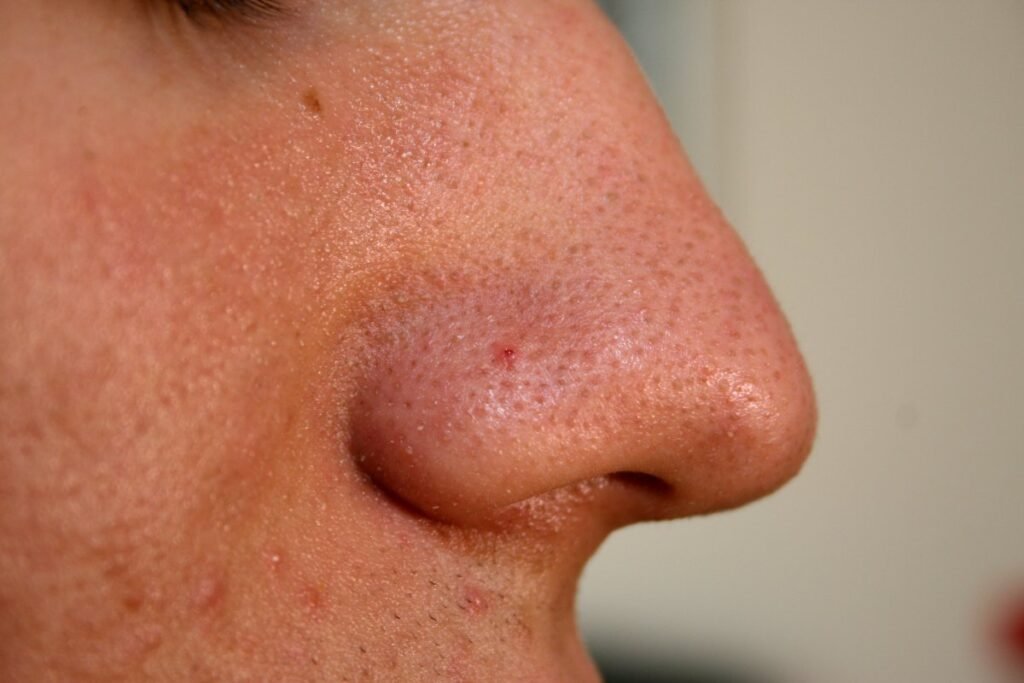
Acne starts in the hair follicles, or pores. Four things usually happen together:
Not sure what to eat? Get a nutrition chart made just for you by a UK doctor.
Get My Custom Chart →- Extra oil (sebum). Hormones, especially during puberty, make the oil glands more active.
- Blocked pores. Dead skin cells stick together and plug the pore, forming blackheads (open) and whiteheads (closed).
- Bacteria. A skin bacterium called Cutibacterium acnes grows in the blocked, oily pore.
- Inflammation. The immune system reacts, turning a blocked pore into a red, sore spot (papule) or a pus-filled spot (pustule).
Benzoyl peroxide mainly targets the bacteria and inflammation, while salicylic acid mainly targets the blocked pores. That is the key to choosing between them.
What Is Benzoyl Peroxide?
Benzoyl peroxide is an antiseptic that releases oxygen into the pore, which kills acne bacteria. According to the NHS, it also reduces the number of whiteheads and blackheads and has an anti-inflammatory effect. In the UK it is sold over the counter as creams, gels and washes, usually in strengths of 2.5%, 4%, 5% or 10%. Well-known products include Acnecide and PanOxyl. It is also an ingredient in several prescription combination products.
Why dermatologists like it
- Strong evidence. It is one of the most widely studied acne treatments and is part of the main first-line combinations recommended by NICE.
- No bacterial resistance. Unlike antibiotics, bacteria do not become resistant to benzoyl peroxide. This is why UK guidance says antibiotic creams should be combined with benzoyl peroxide rather than used alone.
- Works on red spots. It is particularly good for inflamed spots and pustules.
Downsides
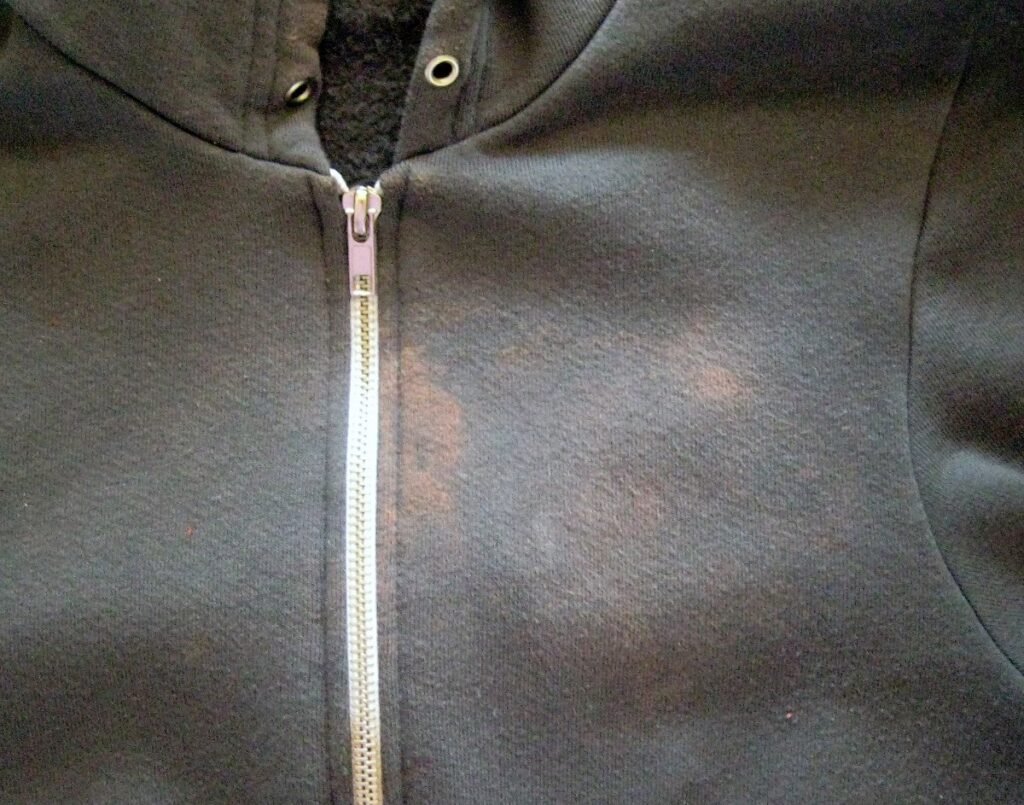
Benzoyl peroxide commonly causes dryness, tightness, redness, peeling and a burning or stinging feeling, especially in the first few weeks. It makes the skin more sensitive to sunlight, so you need a daily sunscreen. It also bleaches fabric and hair, including towels, pillowcases and clothes, so apply it carefully and let it dry before touching fabric.
For a full guide to using it, see our article on how to use benzoyl peroxide without irritating your skin.
What Is Salicylic Acid?
Salicylic acid is a beta hydroxy acid (BHA), chemically related to aspirin. It is oil-soluble, so it can get inside oily pores and loosen the dead skin cells that cause blockages. This is called a comedolytic effect. It also has a mild anti-inflammatory action.
In the UK, salicylic acid is found in cleansers, toners, pads, serums and spot treatments, usually at concentrations of 0.5% to 2%. Stronger concentrations are used in chemical peels given by trained professionals.
Why people like it
- Good for blackheads and whiteheads. It helps to clear blocked pores and can make the skin feel smoother.
- Gentle at low strengths. Most people tolerate 0.5% to 2% products well.
- Does not bleach fabric.
- Easy to fit into a routine, often as a cleanser or leave-on exfoliant.
Downsides
The biggest downside is the evidence. A 2020 Cochrane review of salicylic acid and other topical acne ingredients found that the quality of evidence for salicylic acid was low to very low. In other words, it may help, but the research is not strong enough to say how well it works compared with proven treatments. Salicylic acid is also not included in NICE’s recommended treatment options for acne. It can still cause dryness, peeling and irritation, especially if combined with other exfoliating products.
Benzoyl Peroxide vs Salicylic Acid: Side-by-Side Comparison
| Feature | Benzoyl peroxide | Salicylic acid |
|---|---|---|
| Main action | Kills acne bacteria, reduces inflammation, mild unblocking | Unblocks pores, mild anti-inflammatory |
| Best for | Red spots, pustules, mild to moderate acne | Blackheads, whiteheads, oily congested skin |
| Strength of evidence | Strong; part of NICE first-line treatment | Limited; low-quality evidence |
| Typical UK strengths | 2.5% to 10% | 0.5% to 2% |
| Common side effects | Dryness, redness, peeling, stinging | Dryness, mild peeling |
| Bleaches fabric | Yes | No |
| Sun sensitivity | Yes, use SPF | Mild, use SPF |
| Time to work | About 6 weeks, full effect around 12 weeks | Several weeks |
| Where to buy | Pharmacies and supermarkets | Pharmacies, supermarkets, beauty shops |
What UK Guidance Says
NICE published its acne guideline (NG198) in 2021 and has updated it since. It recommends a 12-week course of a combination treatment for most people with acne who see a GP. For mild to moderate acne, the first options include:
- a fixed combination of adapalene with benzoyl peroxide, applied once daily in the evening
- a fixed combination of tretinoin with clindamycin
- a fixed combination of benzoyl peroxide with clindamycin
Benzoyl peroxide appears in two of these three options. NICE also says benzoyl peroxide on its own can be considered when these combination treatments are unsuitable, for example if someone cannot use a retinoid or wants to avoid an antibiotic. Salicylic acid is not one of the recommended options.
The NHS acne pages also point people with mild acne towards benzoyl peroxide, noting that a pharmacist can advise on over-the-counter gels and creams, and that most people need about a 6-week course to see clear results.
If you want to learn about the retinoid side of these combinations, read our guides to adapalene vs tretinoin and tretinoin for acne.
Which One Should You Choose?
Choose benzoyl peroxide if:
- you have red, inflamed spots or pus-filled spots
- your acne is mild to moderate rather than just a few blackheads
- you want the option with the strongest evidence
- you are using, or will use, an antibiotic cream (benzoyl peroxide helps prevent resistance)
Choose salicylic acid if:
- you mainly have blackheads, whiteheads or enlarged, oily pores
- your skin did not tolerate benzoyl peroxide, even at low strength
- you want a gentle cleanser or toner to support another acne treatment
- you need a product that will not bleach towels and pillowcases
Can you use both?
Yes, many people do, and it can work well. A common approach is a salicylic acid cleanser in the morning and a thin layer of benzoyl peroxide gel in the evening. However, using both can increase dryness and irritation. Start slowly, introduce one product at a time and use a fragrance-free moisturiser. If your skin becomes sore, cut back to one product.
Does It Matter Whether You Have Oily, Dry or Sensitive Skin?
Oily skin: Both ingredients suit oily skin. A salicylic acid wash can help control shine and blocked pores, while a benzoyl peroxide gel targets spots.
Dry or sensitive skin: Start with the lowest strength, such as 2.5% benzoyl peroxide, applied every other night. A cream formula is usually gentler than a gel. Wash-off products, where the ingredient is left on for a minute and then rinsed, can also reduce irritation.
Darker skin tones: People with brown and Black skin are more likely to develop dark marks after spots, known as post-inflammatory hyperpigmentation. Irritation from acne products can make this worse, so go slowly and protect your skin from the sun. Our guide to acne scars vs dark marks explains the difference and how to fade them.
How to Use Benzoyl Peroxide and Salicylic Acid Safely
- Patch test first. Apply a small amount to one area, such as the jawline, for a few days before using it on your whole face.
- Start low and slow. Use the lowest strength every other day for the first week or two, then increase to daily if your skin copes.
- Apply to the whole area, not just spots. Acne treatments work by preventing new spots, so treat all the skin where you usually get breakouts.
- Use a thin layer on dry skin. Wait 10 to 15 minutes after washing to reduce stinging.
- Moisturise. Choose a non-comedogenic, fragrance-free moisturiser.
- Wear sunscreen every day. Use a broad-spectrum, non-comedogenic SPF 30 or higher.
- Be patient. Give any acne treatment at least 6 to 8 weeks, and up to 12 weeks, before deciding it has not worked. Spots can sometimes look slightly worse for the first couple of weeks.
Keep your wider routine simple. Our skincare routine for acne-prone skin shows how to layer treatment, moisturiser and sunscreen without overloading your skin.
Common Mistakes to Avoid
- Using too much. More product does not mean faster results. It just means more irritation.
- Mixing too many actives. Combining benzoyl peroxide, salicylic acid, retinoids and exfoliating acids all at once often damages the skin barrier.
- Scrubbing. Harsh scrubs and frequent washing irritate acne-prone skin. NICE advises using a non-alkaline skin care product and washing no more than twice a day.
- Picking or squeezing spots. This increases the risk of scarring and dark marks.
- Giving up too early. Most people stop before the treatment has had time to work.
Benzoyl Peroxide and Salicylic Acid in Pregnancy
Benzoyl peroxide applied to the skin is absorbed into the body in only small amounts and is generally considered one of the more suitable acne treatments in pregnancy, although you should always check with a pharmacist, midwife or GP first. Low-strength salicylic acid (2% or less) used on small areas, such as in a face wash, is also generally thought to be low risk, but high-strength peels and large-area use should be avoided. Topical and oral retinoids should not be used in pregnancy. Read our full guide to acne during pregnancy for more detail.
When Over-the-Counter Treatments Are Not Enough
See your GP if:
- your acne has not improved after about 12 weeks of an over-the-counter product
- you have lots of red, inflamed spots, or painful lumps under the skin (nodules or cysts)
- your acne is leaving scars or dark marks
- your acne is affecting your mood or confidence
A GP can prescribe stronger combination creams, and if needed antibiotic tablets or hormonal treatments. Severe acne, or acne causing scarring, may need referral to a dermatologist. Acne that starts or worsens in adulthood can have hormonal causes, which we cover in our guide to adult acne in women.
Related reading: you may also find our guide to best acne creams in the UK helpful.
Frequently Asked Questions
Is benzoyl peroxide or salicylic acid better for hormonal acne?
Benzoyl peroxide is usually more helpful for the red, tender spots typical of hormonal acne along the jawline and chin. However, hormonal acne often needs prescription treatment, so speak to your GP if over-the-counter products do not help.
Which is better for blackheads?
Salicylic acid is often preferred for blackheads because it unblocks pores. A topical retinoid such as adapalene is even more effective for blackheads and whiteheads, and is available on prescription in the UK.
Can I use benzoyl peroxide every day?
Yes, once your skin has adjusted. The NHS says it can be used once or twice a day. Start with every other day and build up.
Does a higher strength of benzoyl peroxide work better?
Not necessarily. Studies suggest that 2.5% can work about as well as 5% or 10% for many people, with less irritation. Starting at a low strength is sensible.
Can I use these with my prescription acne cream?
Check with your GP or pharmacist first. Many prescription creams already contain benzoyl peroxide, and adding more products can cause irritation.
The Bottom Line
When comparing benzoyl peroxide vs salicylic acid, benzoyl peroxide is the stronger, better-proven choice for most acne, especially red and inflamed spots, and it is backed by NICE guidance. Salicylic acid is a gentler, useful option for blackheads, whiteheads and oily skin, and works well as a supporting cleanser. Start with a low strength, be patient for up to 12 weeks, protect your skin from the sun and see your GP if your acne is moderate, severe or not improving.
Medical disclaimer: This article is for general information only and does not replace advice from your GP, pharmacist or dermatologist. Always read the product leaflet and speak to a healthcare professional before starting a new treatment, especially if you are pregnant, breastfeeding or using other skin medicines.
References
- National Institute for Health and Care Excellence (NICE). Acne vulgaris: management (NG198).
- NHS. Acne: Treatment.
- Liu H, et al. Topical azelaic acid, salicylic acid, nicotinamide, sulphur, zinc and fruit acid (alpha-hydroxy acid) for acne. Cochrane Database of Systematic Reviews. 2020.
- Mavranezouli I, et al. A systematic review and network meta-analysis of topical pharmacological, oral pharmacological, physical and combined treatments for acne vulgaris. British Journal of Dermatology. 2022.
- British Association of Dermatologists. Acne patient information.
- NHS. Acne overview.
Not sure what to eat? Get a nutrition chart made just for you by a UK doctor.
Get My Custom Chart →