
Walk down the skincare aisle of any UK chemist and you will find dozens of tubes promising clear skin by Friday. Most of them will not deliver. The good news is that acne is one of the best-studied skin conditions in the world, and UK doctors have a clear, evidence-based plan for treating it. This guide explains which acne creams actually work, which ones you can buy over the counter, which ones need a prescription, and what UK dermatologists and NHS guidance recommend as we head into 2027. Below, we compare the best acne creams by the strength of their evidence, not their marketing.
Quick answer: For mild spots, the best place to start is a benzoyl peroxide cream or gel from a pharmacy. If that has not worked after about 8 to 12 weeks, UK guidance recommends a prescription combination cream, such as adapalene with benzoyl peroxide, used every evening for 12 weeks. Creams that combine two ingredients work better than single ingredients for most people, and antibiotic creams should never be used on their own.
How Acne Creams Work: The Four Causes of Spots
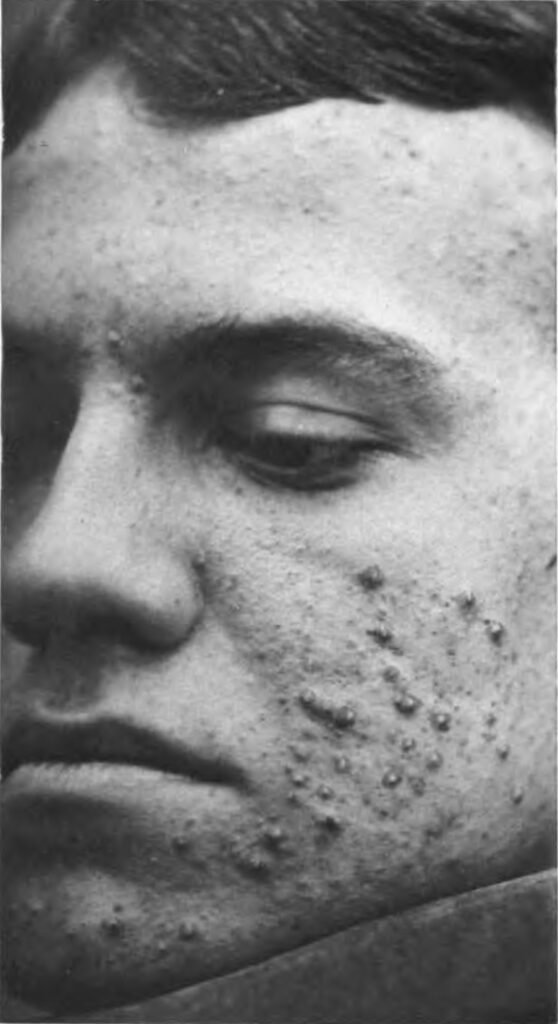
To choose the right cream, it helps to know what causes a spot in the first place. Acne starts inside the hair follicle (pore) and usually involves four things happening together:
Not sure what to eat? Get a nutrition chart made just for you by a UK doctor.
Get My Custom Chart →- Too much oil (sebum). Hormones called androgens make the oil glands in the skin produce more sebum. This is why acne often starts at puberty and can flare around periods.
- Blocked pores. Dead skin cells stick together and plug the pore. This creates blackheads (open pores) and whiteheads (closed pores), also called comedones.
- Bacteria. A bacterium that normally lives on the skin, Cutibacterium acnes, multiplies inside the blocked, oily pore.
- Inflammation. The body reacts to the trapped oil and bacteria, which creates red papules, pus-filled pustules and, in more severe acne, deep painful nodules.
Each acne ingredient targets one or more of these causes. Benzoyl peroxide mainly kills bacteria. Retinoids such as adapalene and tretinoin unblock pores. Antibiotics reduce bacteria and inflammation. Azelaic acid does a bit of everything. This is the main reason combination creams work so well: they attack the problem from more than one angle at the same time.
What UK Guidance Recommends
In the UK, acne treatment follows the NICE guideline on acne vulgaris (NG198), which was developed with the British Association of Dermatologists. It is the same guidance your GP, pharmacist and NHS dermatologist will use. Its key points for creams are:
- Start with a 12-week course of a first-line treatment and review how well it has worked at 12 weeks.
- Use fixed combination creams or gels (two ingredients in one tube) as first-line treatment.
- Never use a topical antibiotic on its own, because this encourages antibiotic resistance.
- Benzoyl peroxide on its own is a good alternative if the combination products are not suitable, or if you want to avoid retinoids or antibiotics.
- Simple skincare matters: a non-alkaline (pH-balanced) cleanser twice a day, and non-comedogenic moisturisers and make-up.
The three first-line combination creams recommended by NICE for mild to moderate acne are:
- Adapalene with benzoyl peroxide, applied once daily in the evening
- Tretinoin with clindamycin, applied once daily in the evening
- Benzoyl peroxide with clindamycin, applied once daily in the evening
For moderate to severe acne, NICE suggests adapalene with benzoyl peroxide plus an antibiotic tablet (lymecycline or doxycycline), or the adapalene with benzoyl peroxide cream on its own.
The Best Acne Creams in the UK: Over the Counter
These products can be bought from UK pharmacies and supermarkets without a prescription. They are best for mild acne, meaning a few blackheads, whiteheads and small spots.
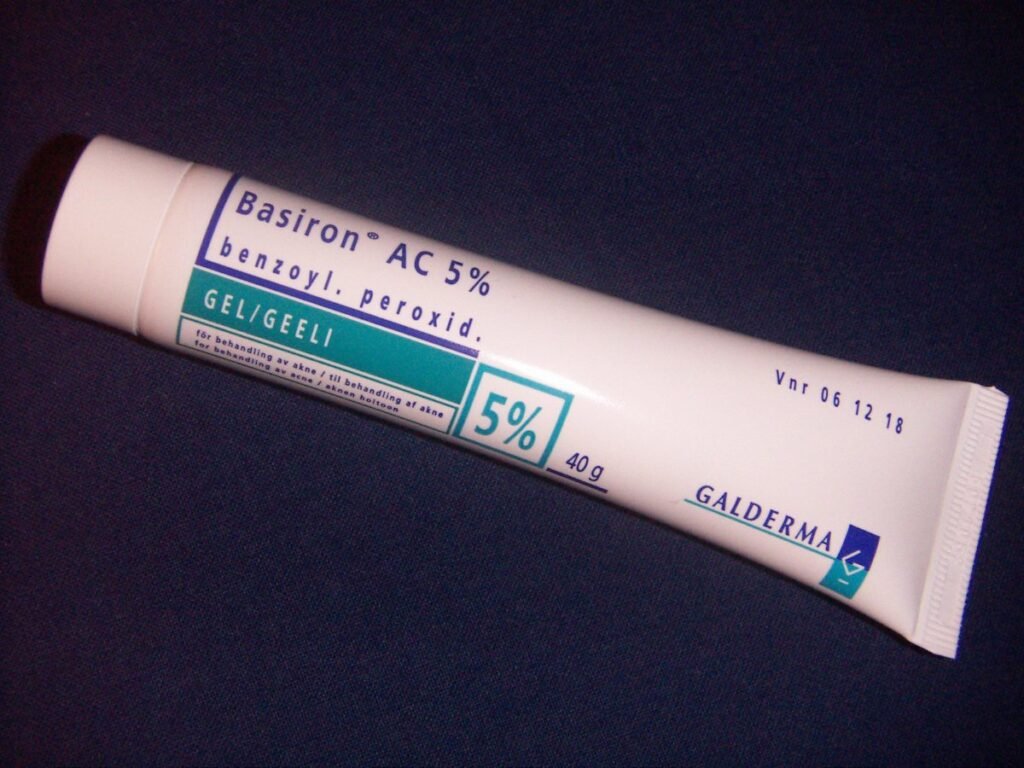
1. Benzoyl peroxide (for example, Acnecide)
Benzoyl peroxide is the most effective acne ingredient you can buy without a prescription in the UK, and it is the standard first choice recommended by pharmacists. It works by releasing oxygen into the pore, which kills acne bacteria. It also has a mild peeling effect that helps unblock pores. Importantly, bacteria do not become resistant to it, which is why it is often paired with antibiotic creams.
It is sold in strengths of 2.5%, 5% and 10%. Higher is not always better. Studies show that 2.5% often works almost as well as stronger versions with less dryness and redness, so many dermatologists suggest starting with a lower strength. You can read our full guide to benzoyl peroxide for acne for more detail.
Tips for using benzoyl peroxide:
- Apply a thin layer to the whole affected area, not just individual spots, about 20 minutes after washing.
- Start once a day, every other day if your skin is sensitive, and build up slowly.
- It can bleach hair, towels, pillowcases and clothes, so use white towels and let it dry fully.
- It can make your skin more sensitive to the sun, so use sunscreen during the day.
- Expect some dryness, stinging or peeling in the first few weeks. This usually settles.
2. Salicylic acid
Salicylic acid is a beta hydroxy acid (BHA) found in many face washes, toners, gels and pads sold in UK chemists. It is oil-soluble, which means it can get inside the pore and loosen the dead skin and oil that cause blackheads and whiteheads. It is gentler than benzoyl peroxide but also weaker against red, inflamed spots. It is a good option for people whose acne is mainly blackheads and whiteheads. Products usually contain 0.5% to 2%.
3. Azelaic acid (cosmetic strength)
Azelaic acid at 20% (Skinoren) and 15% (Finacea) is a prescription medicine in the UK. Lower-strength cosmetic serums, often around 10%, are sold in shops. Azelaic acid kills acne bacteria, unblocks pores, calms redness and helps fade the dark marks that spots can leave behind. It is one of the gentlest active ingredients, which makes it popular for sensitive skin and for darker skin tones prone to pigmentation.
4. Niacinamide
Niacinamide (vitamin B3) is a supportive ingredient rather than a main treatment. It can reduce redness and oiliness and strengthen the skin barrier. It is a useful addition to a routine, especially if other acne creams are making your skin dry. However, there is not enough evidence for it to replace benzoyl peroxide or a prescription cream.
5. Retinol (cosmetic)
Retinol is a cosmetic form of vitamin A. It is much weaker than prescription retinoids such as adapalene and tretinoin, and it is not a proven acne treatment.
The Best Prescription Acne Creams in the UK
If over-the-counter products have not helped after 8 to 12 weeks, or your acne is moderate or severe, see your GP or a registered online doctor. These creams are prescription-only medicines (POM) in the UK.
1. Adapalene with benzoyl peroxide (Epiduo)
This combination gel is a NICE first-line treatment for acne of any severity, and it does not contain an antibiotic. Adapalene unblocks pores and calms inflammation, while benzoyl peroxide kills bacteria. It comes in two strengths: 0.1% adapalene with 2.5% benzoyl peroxide, and a stronger 0.3% version (Epiduo Forte) for more severe acne. It is applied thinly once a day in the evening. It must not be used in pregnancy or while breastfeeding.
2. Tretinoin with clindamycin (Treclin)
This gel combines tretinoin, a retinoid, with clindamycin, an antibiotic. It is a NICE first-line option and is applied once a day in the evening. Like other retinoids, it should not be used in pregnancy or when breastfeeding. Our guide to tretinoin for acne explains how to start it without too much irritation.
3. Benzoyl peroxide with clindamycin (Duac)
This gel combines an antibiotic with benzoyl peroxide. The benzoyl peroxide helps stop bacteria becoming resistant to the antibiotic. It is recommended by NICE for mild to moderate acne and may be used with caution in pregnancy, which makes it a useful option when retinoids are not suitable. Speak to your doctor first if you are pregnant.
4. Adapalene on its own (Differin)
Differin 0.1% cream or gel contains adapalene only. Unlike in the USA, adapalene is a prescription-only medicine in the UK and cannot be bought over the counter. It is especially good for blackheads and whiteheads. If you are deciding between retinoids, our comparison of adapalene vs tretinoin may help.
5. Azelaic acid (Skinoren and Finacea)
Skinoren is a 20% azelaic acid cream and Finacea is a 15% gel. Both are prescription-only. They are a good choice for people who cannot use retinoids, have sensitive skin, or have dark marks after acne. They usually take about a month to start working.
6. Clascoterone (Winlevi): the newest option
Clascoterone 1% cream (Winlevi) was approved by the UK medicines regulator, the MHRA, in early 2025 for acne in people aged 12 and over. It is the first cream that blocks the effect of androgen hormones directly in the skin’s oil glands, reducing oil production. Because it is new, it is not yet part of the NICE first-line plan and may be harder to get on the NHS. It is generally considered a specialist or second-line option, and your doctor can tell you whether it is right for you.
Comparison Table: Which Acne Cream Is Best for You?
| Cream | Main ingredient(s) | Best for | Available | Pregnancy |
|---|---|---|---|---|
| Acnecide | Benzoyl peroxide 5% | Mild acne, red spots | Over the counter | Ask a pharmacist |
| Salicylic acid products | Salicylic acid 0.5–2% | Blackheads and whiteheads | Over the counter | Ask a pharmacist |
| Epiduo / Epiduo Forte | Adapalene + benzoyl peroxide | Any severity | Prescription | Do not use |
| Treclin | Tretinoin + clindamycin | Any severity | Prescription | Do not use |
| Duac | Benzoyl peroxide + clindamycin | Mild to moderate acne | Prescription | With caution, doctor’s advice |
| Differin | Adapalene 0.1% | Blackheads and whiteheads | Prescription | Do not use |
| Skinoren / Finacea | Azelaic acid 20% / 15% | Sensitive skin, dark marks | Prescription | Doctor’s advice |
| Winlevi | Clascoterone 1% | Oily, hormonal acne | Prescription | Doctor’s advice |
How to Choose the Right Cream for Your Skin
If you mainly have blackheads and whiteheads
Choose something that unblocks pores. Salicylic acid is a good over-the-counter start. If it does not help, a prescription retinoid such as adapalene usually works better.
If you have red, inflamed spots
Benzoyl peroxide is the best over-the-counter choice. If your spots continue after 8 to 12 weeks, ask your GP about a combination cream such as Epiduo or Duac.
If you have sensitive or dry skin
Start with lower strengths, such as 2.5% benzoyl peroxide, and apply every other night at first. Azelaic acid is often the best-tolerated option. Always use a simple, fragrance-free moisturiser. Our skincare guide covers the basics of a gentle daily routine.
If you have darker skin or dark marks
Acne in brown and Black skin often leaves dark patches called post-inflammatory hyperpigmentation, which can last longer than the spots themselves. Azelaic acid and retinoids help both the acne and the marks. Avoid harsh scrubs and strong treatments that irritate the skin, because irritation can make dark marks worse. Read more in our guide to fading dark marks.
If you are an adult woman with acne
Acne that appears or continues after 25, often around the jawline and chin, can be linked to hormones. Creams still help, but some women also benefit from hormonal treatments such as certain contraceptive pills. Polycystic ovary syndrome (PCOS) can also cause acne. See our article on adult acne in women for more.
If you are pregnant or breastfeeding
Do not use retinoid creams (adapalene, tretinoin) or retinoid tablets. Some treatments, such as azelaic acid and some benzoyl peroxide products, may be used under medical advice. Always check with your GP, midwife or pharmacist first. Our guide to acne during pregnancy explains the safer options.
How to Apply Acne Cream Properly
Using the right cream the wrong way is one of the most common reasons treatment fails. Follow these steps:
- Wash gently. Use a mild, pH-balanced cleanser and lukewarm water. Do not scrub.
- Dry and wait. Pat your skin dry and wait 15 to 20 minutes. Applying creams to damp skin increases irritation.
- Use a pea-sized amount for the whole face. Spread it thinly over all the areas where you get spots, not just on the spots you can see. This prevents new spots forming.
- Avoid sensitive areas such as the eyes, corners of the nose and lips.
- Moisturise. Use a light, non-comedogenic moisturiser after the cream has absorbed.
- Use sunscreen every morning. Many acne creams make the skin more sensitive to the sun. Choose an oil-free SPF 30 or higher.
- Be patient. Most creams take 6 to 8 weeks to show results and up to 12 weeks for the full effect. Acne can look slightly worse in the first few weeks.
Common Side Effects and How to Manage Them
Most acne creams cause some irritation at first. This is normal and usually improves after two to four weeks as your skin adjusts. Common side effects include dryness, peeling, redness, stinging and a burning feeling.
To reduce side effects:
- Start by using the cream every other night, then increase to every night.
- Use the “short contact” method: leave the cream on for 30 to 60 minutes and then wash it off, building up the time slowly.
- Apply moisturiser before the cream (a “buffer”) if your skin is very sensitive.
- Do not use several strong active products at once, such as exfoliating acids with a retinoid.
Stop using the cream and get medical advice if you develop severe swelling, blistering, or signs of an allergic reaction such as swelling of the face, lips or throat or difficulty breathing. Allergic reactions to benzoyl peroxide are rare but can be serious. Call 999 or go to A&E if you have trouble breathing.
Common Mistakes That Stop Acne Creams Working
- Giving up too early. Two weeks is not long enough. Give each treatment at least 8 to 12 weeks.
- Spot-treating only. Acne creams prevent new spots, so they need to cover the whole area.
- Using too much. More cream does not mean faster results, only more irritation.
- Over-washing and scrubbing. Washing more than twice a day or using harsh scrubs damages the skin barrier.
- Picking and squeezing. This increases the risk of scarring and dark marks.
- Using antibiotic creams on their own. This can lead to resistant bacteria and is not recommended in the UK.
- Stopping once skin clears. Acne often returns. Your doctor may suggest continuing a cream, such as a retinoid, to keep spots away.
Can Diet and Lifestyle Help?
The British Association of Dermatologists says there is not enough evidence to support any specific diet for treating acne, but a healthy, balanced diet is advisable. Some research suggests that high-sugar, high-glycaemic foods and dairy may worsen acne in some people, but the evidence is still limited. Other things that may help include getting good sleep, managing stress, keeping phones and pillowcases clean, and choosing make-up labelled “non-comedogenic”. If your acne is linked to hormones, our article on hormonal imbalance symptoms may be useful.
When to See a GP or Dermatologist
See your GP if:
- Over-the-counter creams have not helped after 8 to 12 weeks.
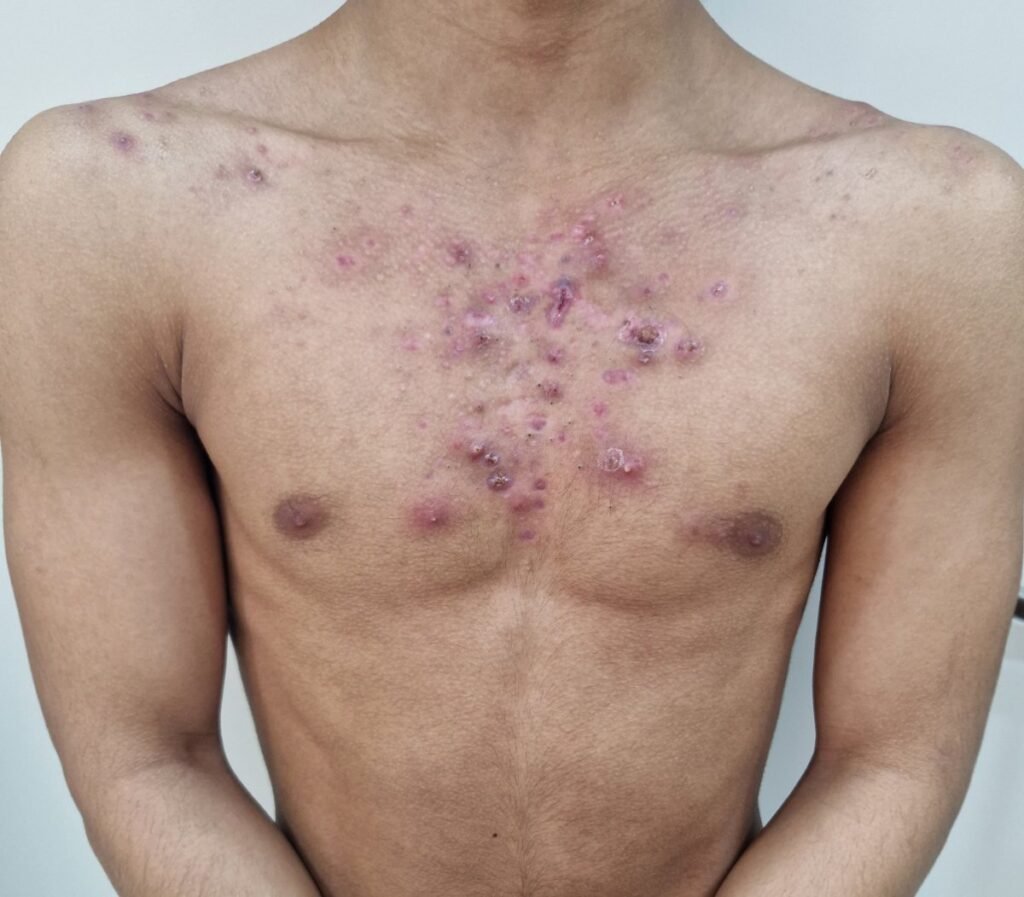
- You have moderate or severe acne, such as many inflamed spots, nodules or cysts.
- Your acne is leaving scars or dark marks.
- Your acne is affecting your mood, confidence or mental health.
- You suddenly develop acne as an adult, especially with irregular periods, excess hair growth or weight changes.
NICE recommends referral to an NHS dermatologist for acne that is severe, scarring, not responding to treatment, or causing significant psychological distress. Dermatologists can prescribe stronger treatments such as oral isotretinoin, which must be closely monitored.
Frequently Asked Questions
What is the strongest acne cream you can buy over the counter in the UK?
Benzoyl peroxide is the most effective acne treatment available without a prescription in the UK. It is sold in strengths up to 10%, but lower strengths of 2.5% to 5% often work just as well with fewer side effects.
Can I buy adapalene (Differin) without a prescription in the UK?
No. Unlike in the USA, adapalene is a prescription-only medicine in the UK. You need a prescription from your GP or a registered online doctor.
How long does acne cream take to work?
Most acne creams take 6 to 8 weeks to show improvement and around 12 weeks for the full effect. NICE recommends reviewing treatment after 12 weeks.
Which acne cream do dermatologists recommend most?
UK dermatologists follow NICE guidance, which recommends combination creams as first-line treatment. Adapalene with benzoyl peroxide is commonly used because it works for acne of any severity and does not contain an antibiotic.
Can I use benzoyl peroxide and a retinoid together?
Yes. This combination is very effective and is available in one gel (Epiduo). If you use separate products, ask your pharmacist or doctor how to combine them, as using both can increase dryness.
The Bottom Line
Choosing the best acne creams comes down to your type of acne. The best acne cream is the one that matches your type of acne, your skin and your situation. For most people in the UK, a sensible plan is to start with benzoyl peroxide from a pharmacy, use it properly for 8 to 12 weeks, and then see a GP for a prescription combination cream if it is not enough. Be patient, use the cream on the whole area, protect your skin from the sun, and do not be afraid to ask for help. Acne is very treatable, and you do not have to put up with it.
This article is for general information only and does not replace advice from your GP, pharmacist or dermatologist. Always read the patient information leaflet before using any medicine.
References
- National Institute for Health and Care Excellence (NICE). Acne vulgaris: management (NG198). Published June 2021, updated December 2023.
- NHS. Acne: treatment.
- NHS. Benzoyl peroxide.
- British Association of Dermatologists. Acne patient information leaflet.
- Primary Care Dermatology Society. Acne vulgaris: clinical guidance.
- Electronic Medicines Compendium. Winlevi 10 mg/g cream: Summary of Product Characteristics.
- Electronic Medicines Compendium. Differin Gel: Patient Information Leaflet.
Not sure what to eat? Get a nutrition chart made just for you by a UK doctor.
Get My Custom Chart →